Quick Answer
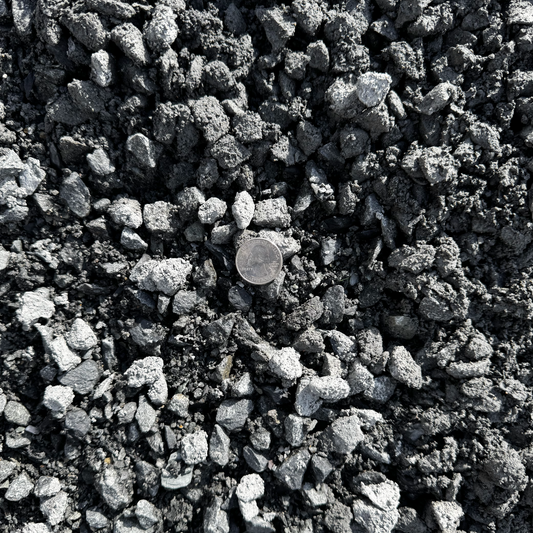
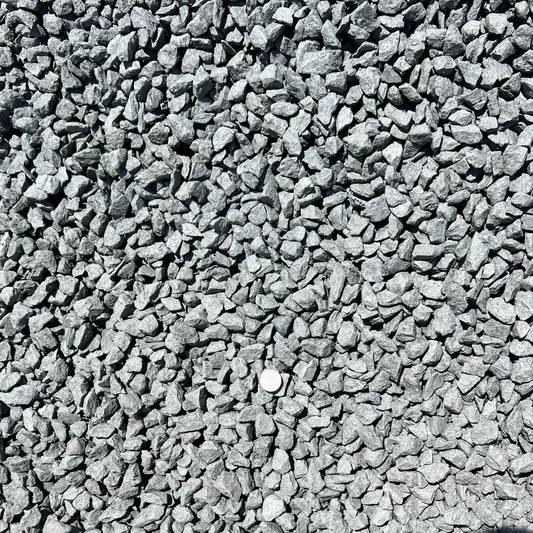
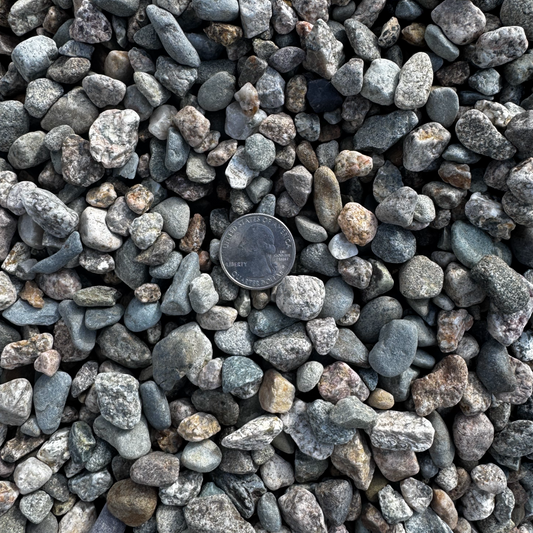
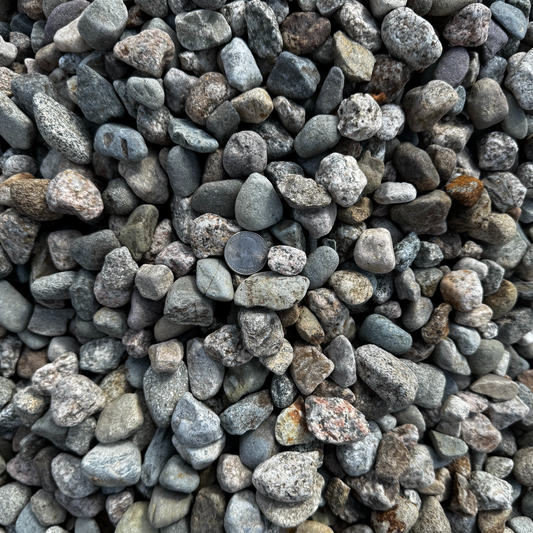
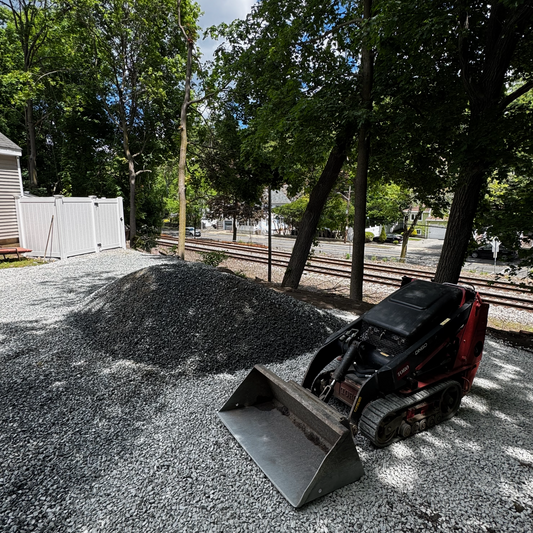
A Somerville paver patio base should be 6 inches of compacted Dense Pack ¾"-to-minus plus 1 inch of stone dust as a leveling layer. Total excavation: 8 inches below finished patio elevation. Add non-woven geotextile fabric beneath the base. This is the ICPI spec for pedestrian patios on cohesive (clay-leaning) soils — Somerville's glacial-till soils are cohesive, so build to the high end of the spec.
Why Somerville Soil Calls for the Full 6"
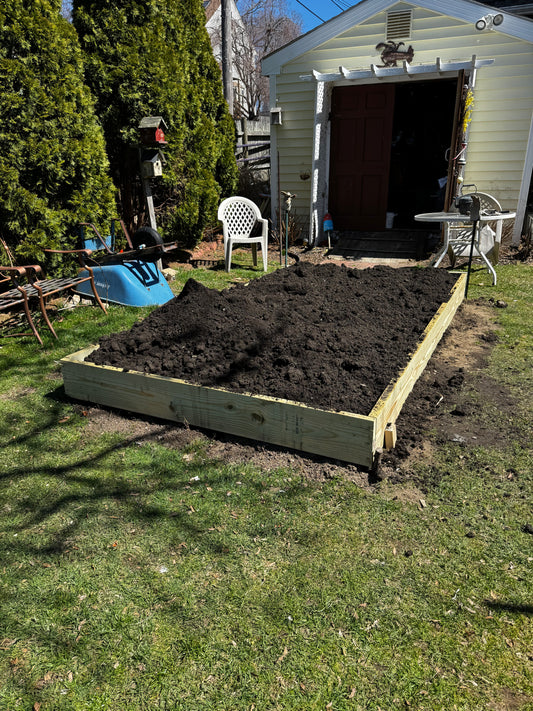
Somerville sits on glacial-till soils with substantial clay fractions, mature housing stock built before modern grading standards, and frequently-disturbed yards (decades of buried construction debris). All three factors point toward needing the high end of the ICPI base spec.
ICPI (Interlocking Concrete Pavement Institute) defines residential pedestrian patio bases as 4–6" of compacted aggregate. The lower end works on sandy, well-drained soils (Cape Cod, parts of Plymouth County). Somerville isn't that.
Q: How deep should a patio base be in Somerville?
A: 6 inches of compacted Dense Pack, plus 1 inch of stone dust. That gives you the base + leveling layers needed for a 25+ year patio life on Somerville's clay-loam soils.
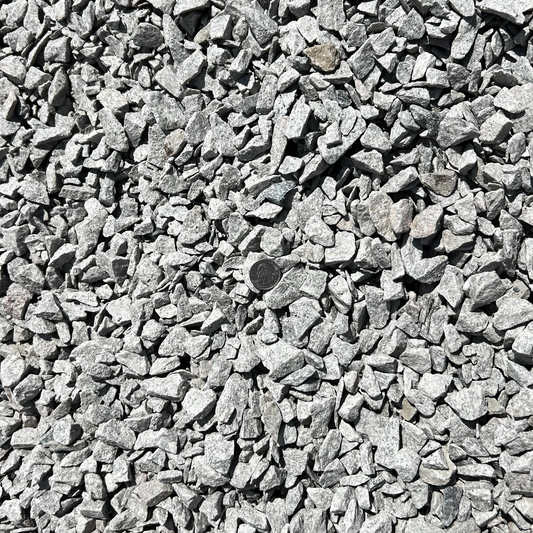
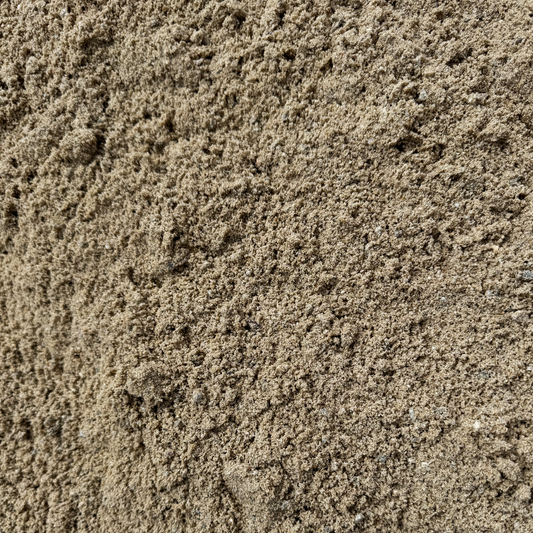
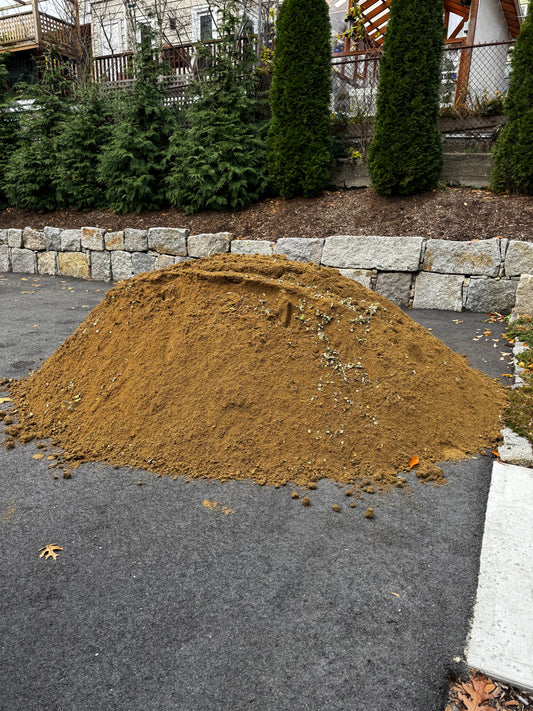
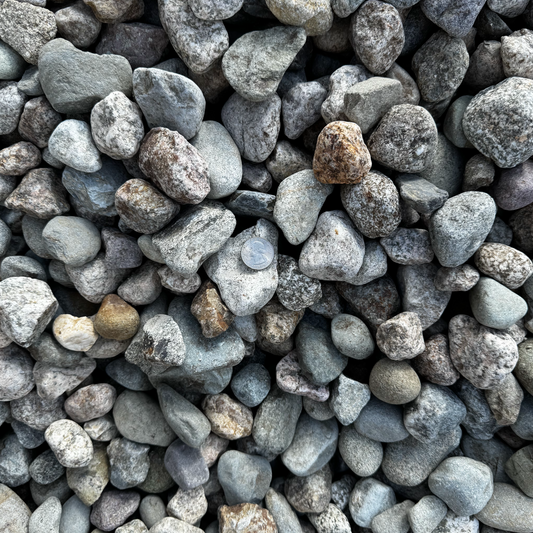
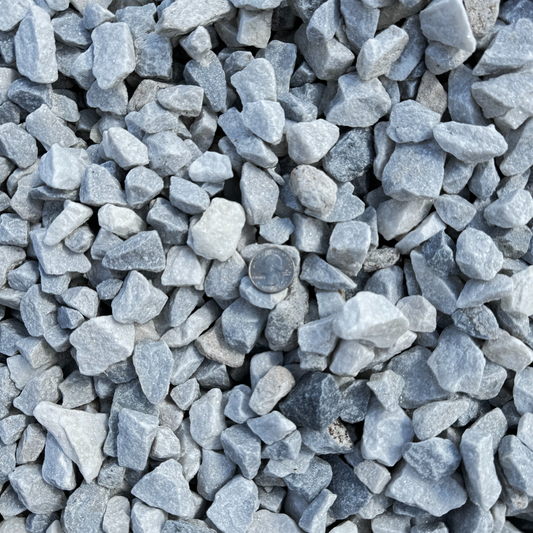
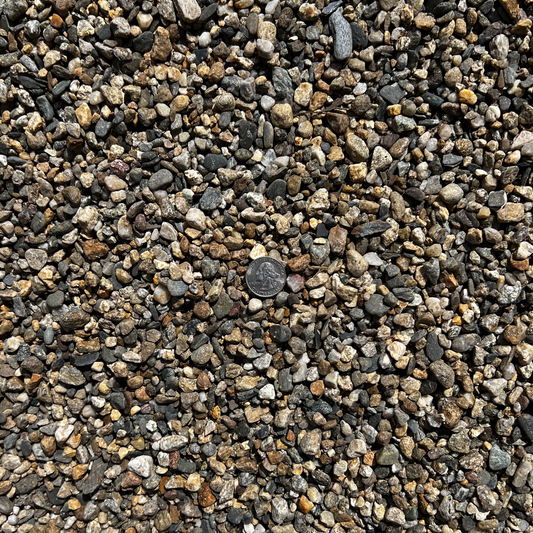
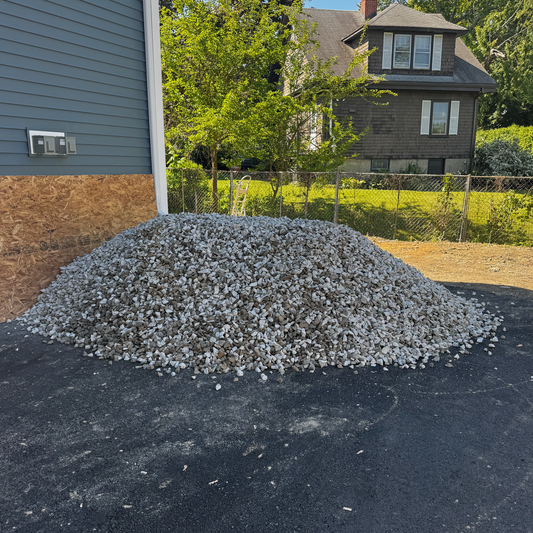
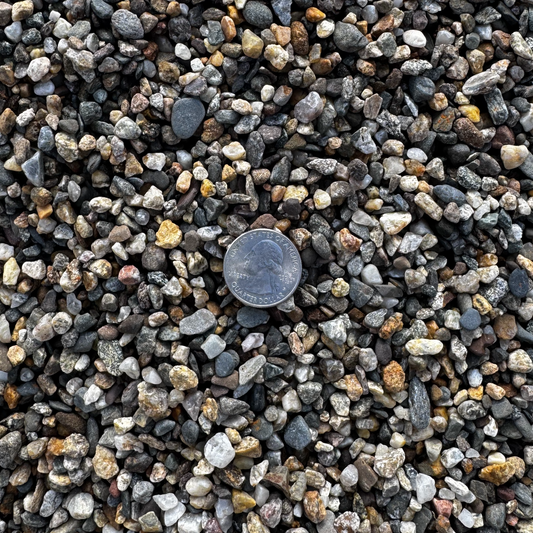
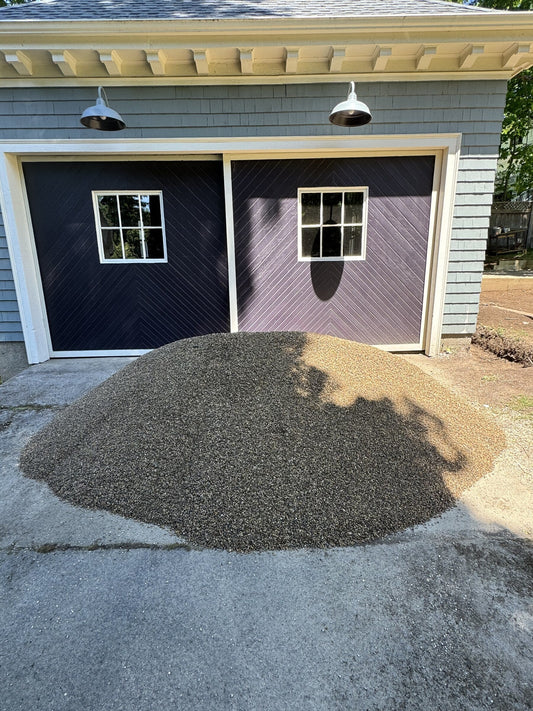
Excavate 8 inches below the finished patio elevation. Layer non-woven geotextile fabric. Add 6" of Dense Pack ¾"-to-minus in two 3" lifts, compacting each. Top with 1" of Blue Stone Dust, screeded flat.
For the full installation, see How to Install a Paver Patio Base in a Norfolk County Backyard — Somerville's prep is identical.
Q: Why 6 inches and not 4?
A: Somerville's clay-loam is cohesive soil per ICPI. Sandy soils drain freeze-thaw water away — the base aggregate stays stable. Clay-loam holds water that freezes and expands, lifting the base. The thicker base distributes the load and prevents differential settlement.
Cutting to 4" on Somerville saves about $80 in materials on a 200 sq ft patio. Costs $4,000+ in repair when the patio settles in year 6.
Q: Can I skip the geotextile fabric?
A: No. This is the most-skipped step and the #1 reason patios fail.
Without fabric, the clay below the base mixes with the stone aggregate over freeze-thaw cycles. Over 8 seasons, the base loses structure. The patio settles.
With non-woven geotextile fabric (about $0.40/sq ft), the clay stays separate. Patios last 25+ years.
Q: Does a foot-traffic-only patio need less depth?
A: For sandy soils, yes; for Somerville, no. ICPI's 4" minimum is specifically for non-cohesive soils with good drainage. Somerville doesn't qualify. Build the full 6" regardless of pedestrian-only use.
The exception: a small (<60 sq ft) sitting area in a Somerville yard with already-confirmed sandy fill could go to 4". Most Somerville yards aren't that.
Q: What about driveway pavers?
A: Different spec entirely. Driveway pavers carry vehicle loads — 8–10" of base, heavier-duty geotextile fabric, and thicker pavers (3⅛" minimum vs. 2⅜" for patio). Don't apply patio-base specs to driveways.
For driveway specs, browse driveway construction & repair.
Q: How tight do I need to compact the base?
A: Plate compactor, 4–6 passes per area, in 3-inch lifts. After compaction:
- Surface should feel firm — you don't leave footprints when walking on it.
- A finger pressed into the base should leave only a slight depression.
- Sound when struck with a tamper should be solid, not hollow.
Renting a plate compactor ($80/day at hardware stores) is cheaper than re-doing the patio in 5 years. Walking on the base is not compaction.
Q: Does sloping affect the depth?
A: No. Slope ¼" per foot away from the house for drainage. Depth is measured vertically at every point — the 6" stays consistent across the slope. This means the higher (house-side) edge of the patio sits lower in the excavation depth than the lower (yard-side) edge.
For drainage logic, see Top 5 Drainage Solutions for Newton Properties.
Q: Can I use crushed concrete instead of Dense Pack?
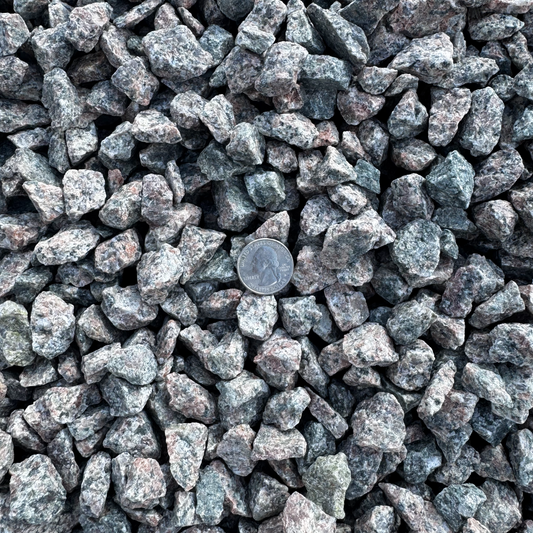
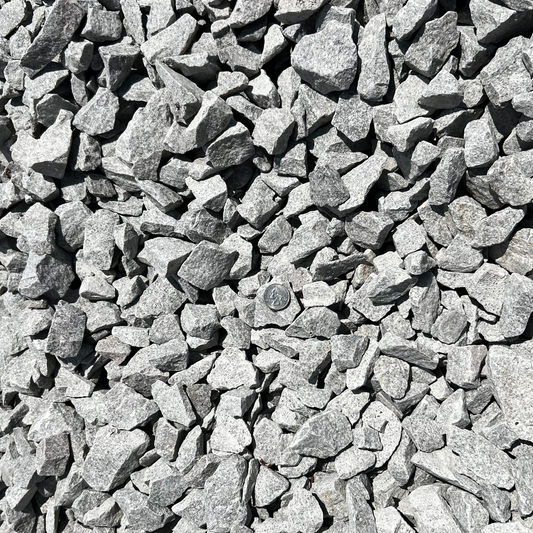
A: Yes — performs comparably. Crushed Concrete 1"-to-minus has similar compaction characteristics and stability for pedestrian patios. About 5–10% cheaper than Dense Pack. The 6" depth still applies.
Some contractors prefer Dense Pack because it produces a more uniform aggregate with fewer fines and a slightly more predictable compaction curve. Both work. Browse the full Ottr stone catalog for pricing.
What You'll Need from Ottr (200 sq ft Somerville Patio)
| Material | Quantity |
|---|---|
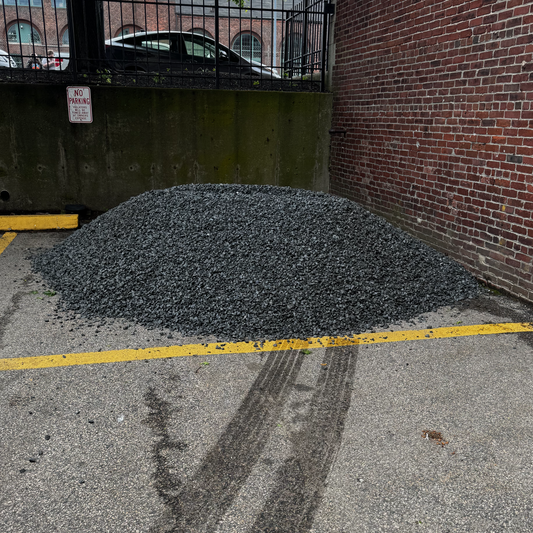
| Dense Pack ¾"-to-minus | 3.7 cubic yards |
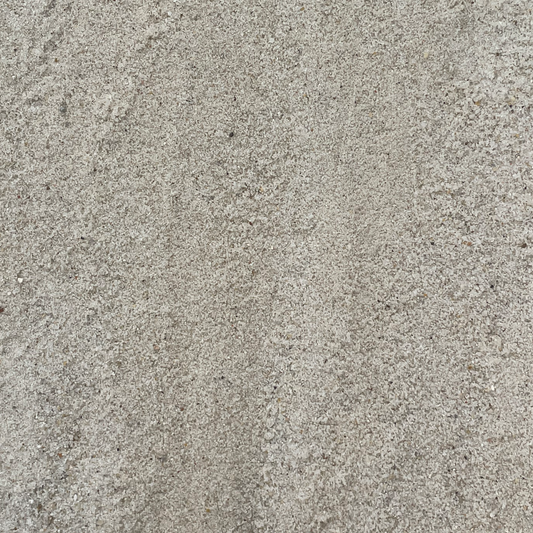
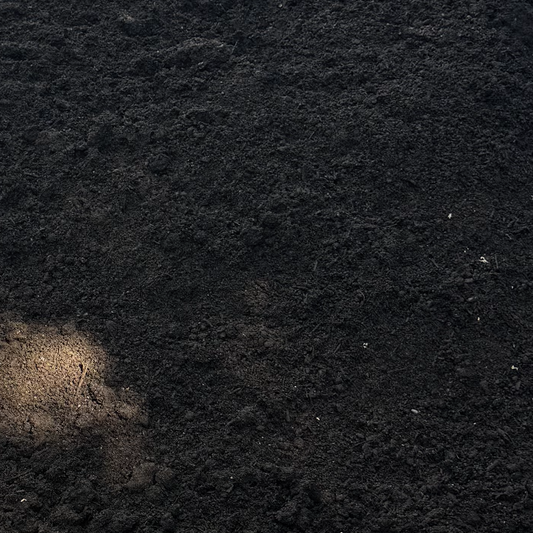
| Blue Stone Dust | 0.7 cubic yards |
| Mason sand (joint sand) | 0.4 cubic yards |
| Non-woven geotextile fabric | 200+ sq ft |
Browse patio & walkway base materials and Somerville landscape supply for delivery scheduling.
For the matching pricing playbook, see Pricing Paver Patios in Plymouth County: Square-Foot Worksheet. For the broader install how-to, see How to Install a Paver Patio Base in a Norfolk County Backyard.
The short version: 6 inches of compacted Dense Pack on Somerville's clay-loam, plus 1 inch of stone dust, plus geotextile fabric beneath. Per ICPI. Don't cut corners on depth.