Quick Answer
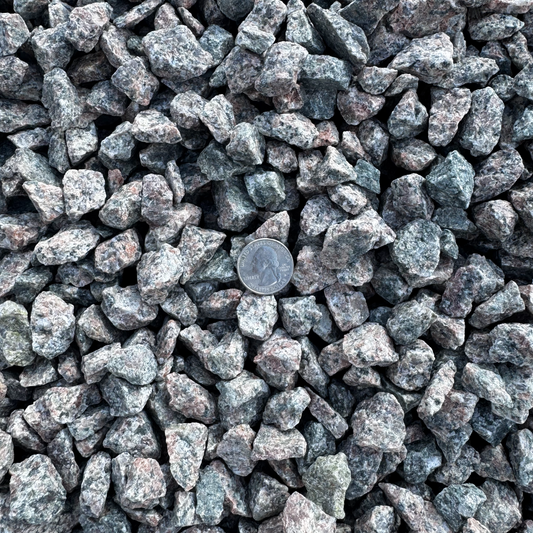
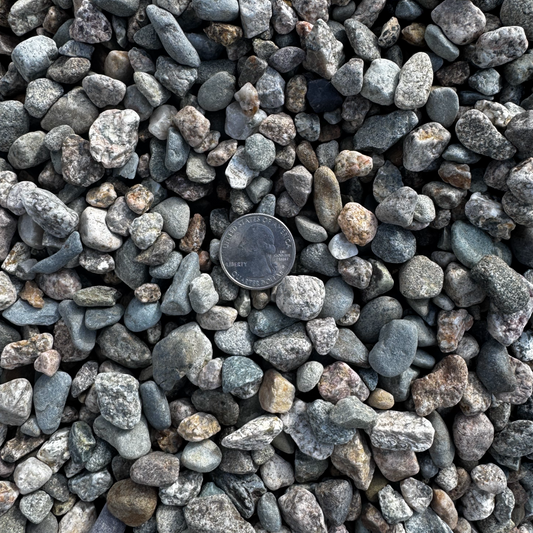
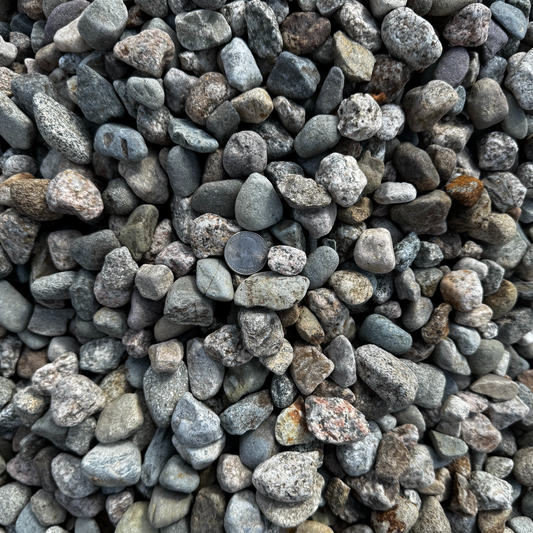
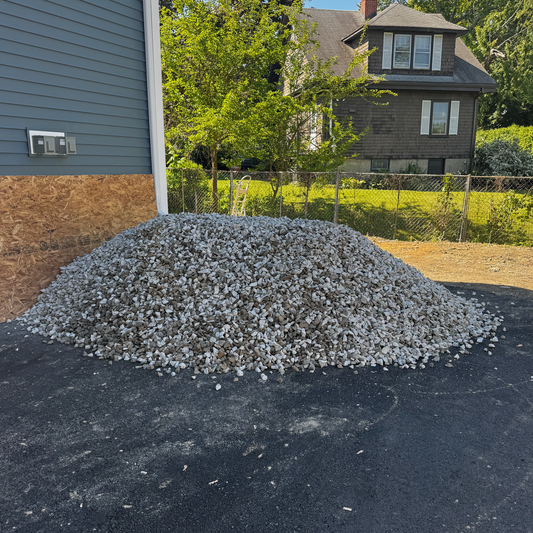
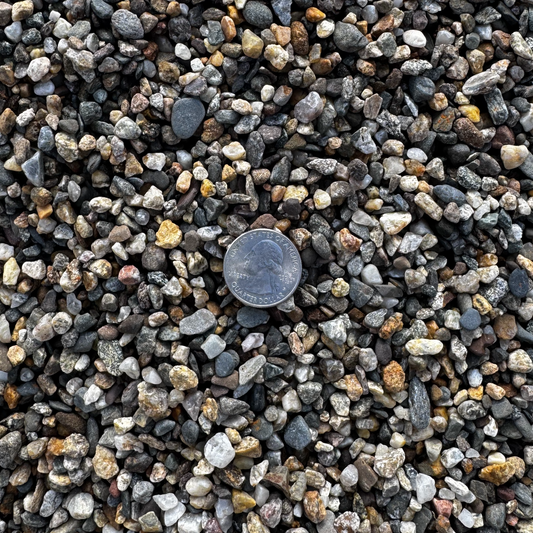
A Norfolk County paver patio base requires 6 inches of compacted Dense Pack ¾"-to-minus, 1 inch of stone dust as a leveling layer, non-woven geotextile fabric beneath the base, and plastic edge restraint staked with 12" spikes. For a 200 sq ft patio: 3.7 cubic yards Dense Pack, 0.7 cubic yards stone dust, and 0.4 cubic yards mason sand for joints. Compact in two 3" lifts. Work weekend 1 (excavate, fabric, base), weekend 2 (set pavers, joint sand). Per ICPI standards.
Why Norfolk County Patios Need a Real Base
Norfolk County soil — Quincy, Wellesley, Brookline, Dedham, Westwood, Sharon — runs to clay-loam that holds water and frost-heaves badly. A skipped or undersized base fails by season 2: pavers sink, joints widen, water pools, weeds invade.
The ICPI (Interlocking Concrete Pavement Institute) specifies the residential pedestrian patio base as 4–6" of compacted aggregate for cohesive soils — Norfolk County's clay-loam is borderline cohesive, so build to the high end (6") for longevity.
Materials Calculation (200 sq ft Patio Example)
| Material | Quantity | Purpose |
|---|---|---|
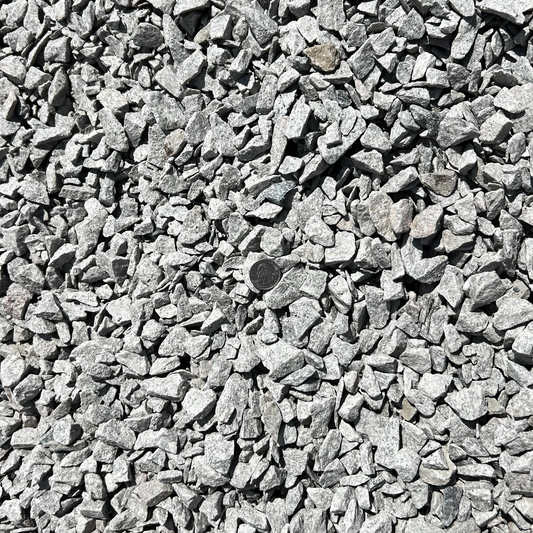
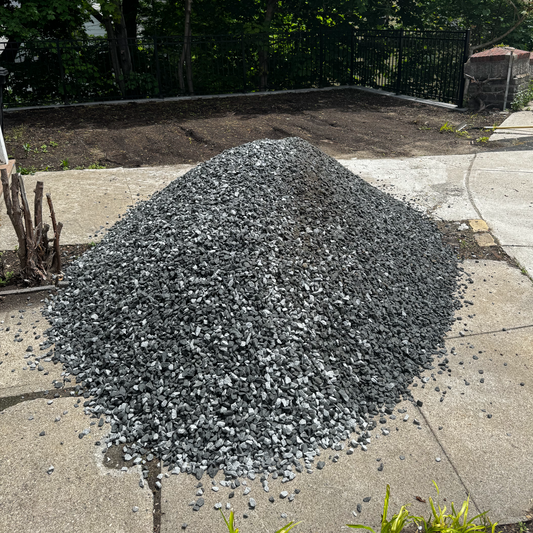
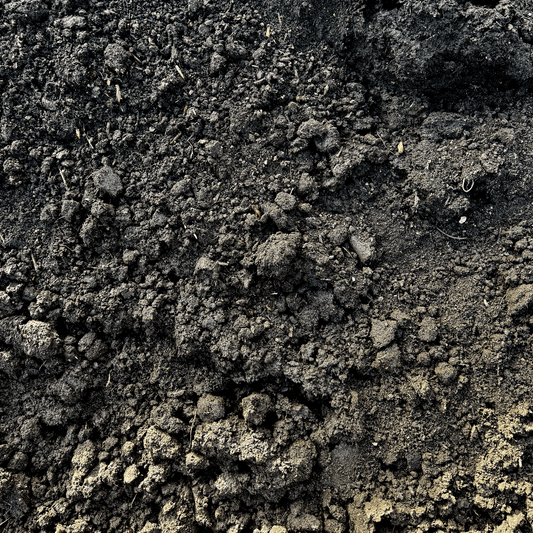
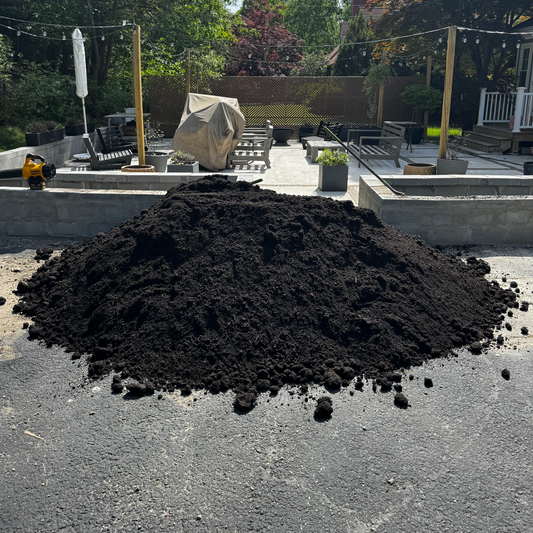
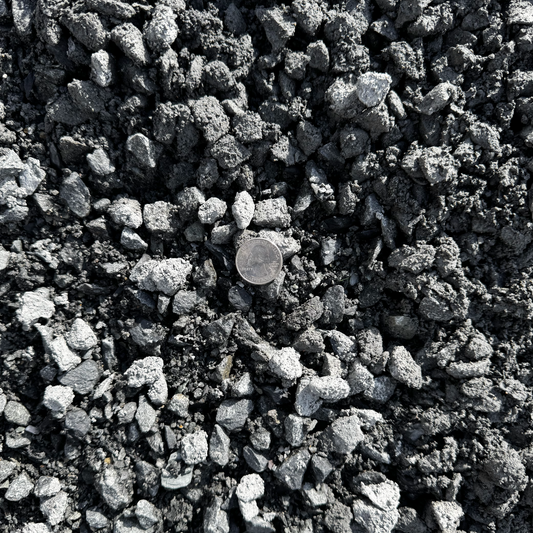
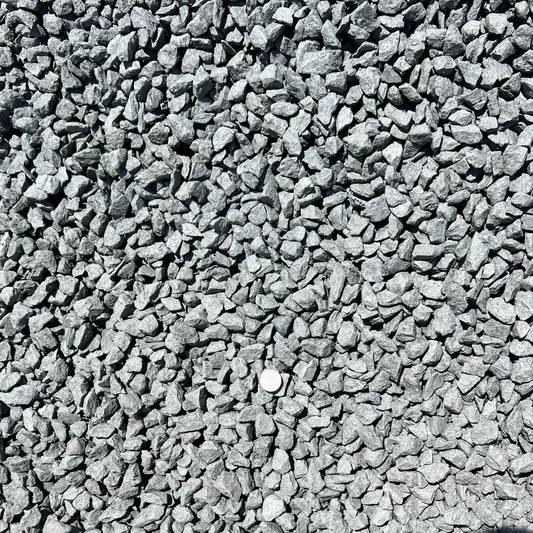
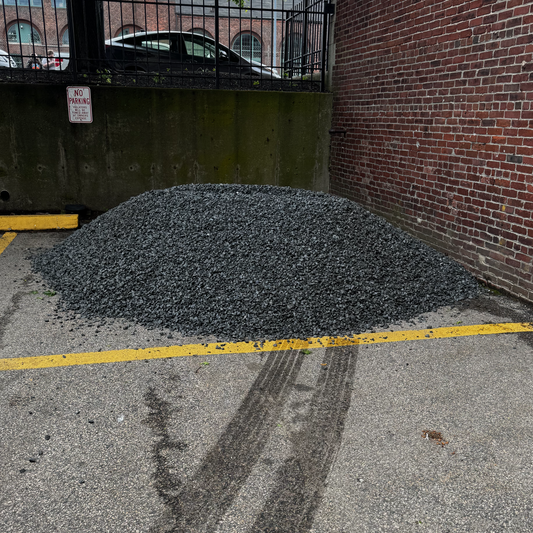
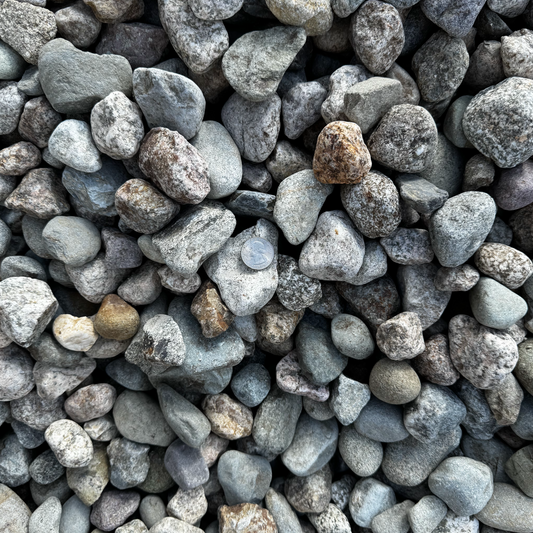
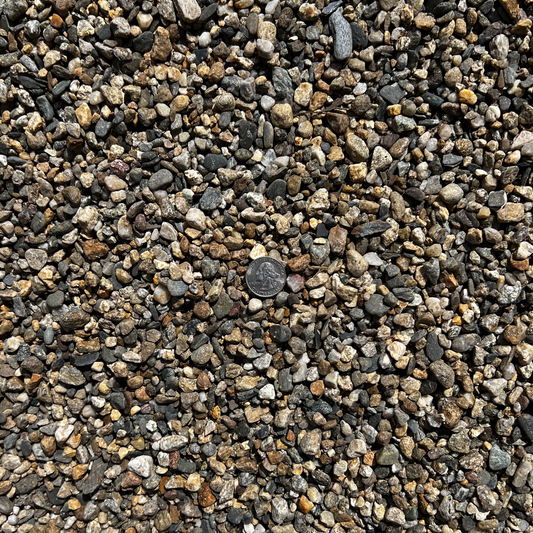
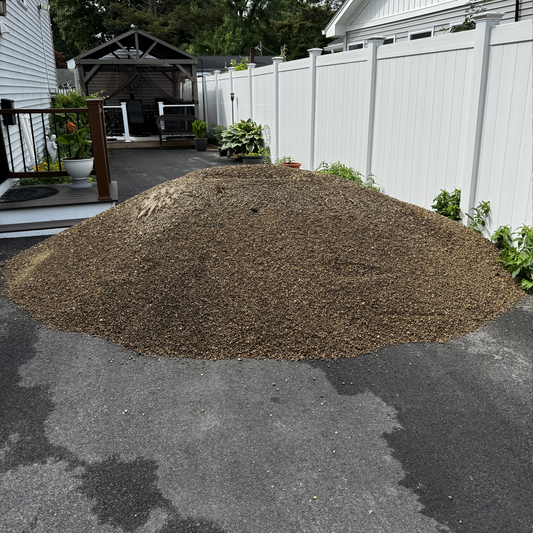
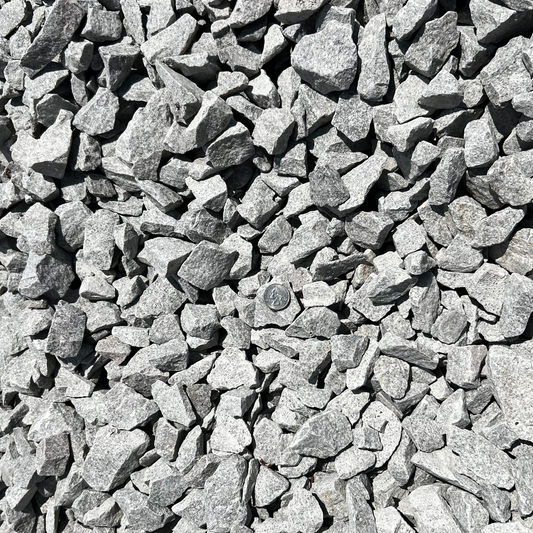
| Dense Pack ¾"-to-minus | 3.7 cu yd | 6" base in 2 lifts |
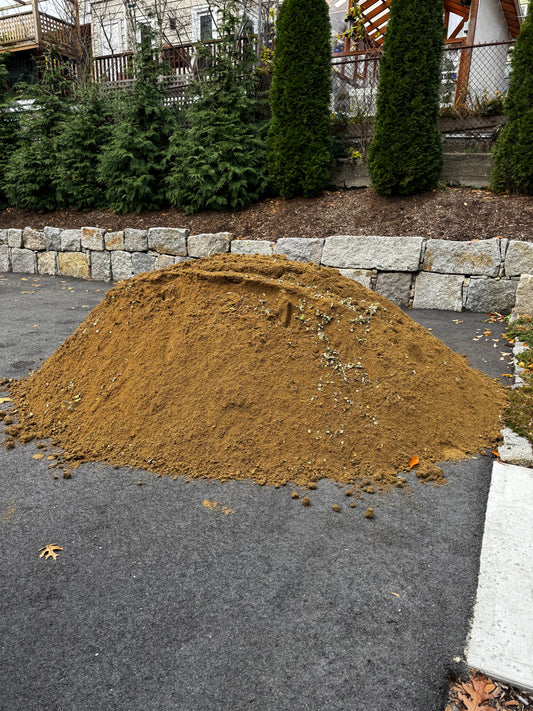
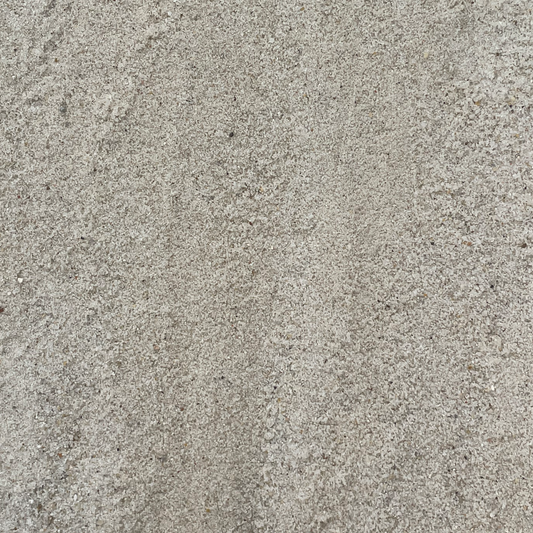
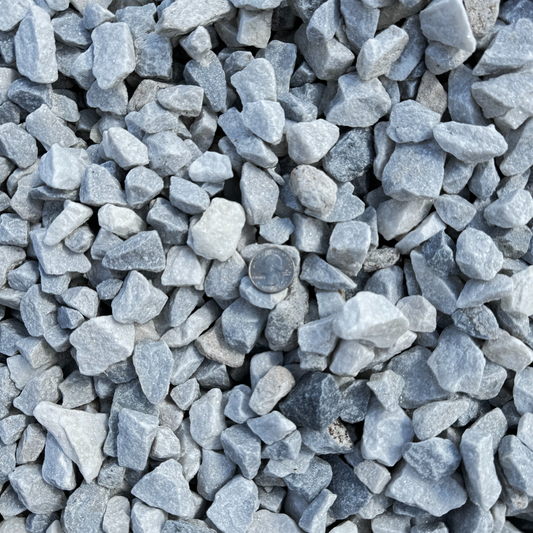
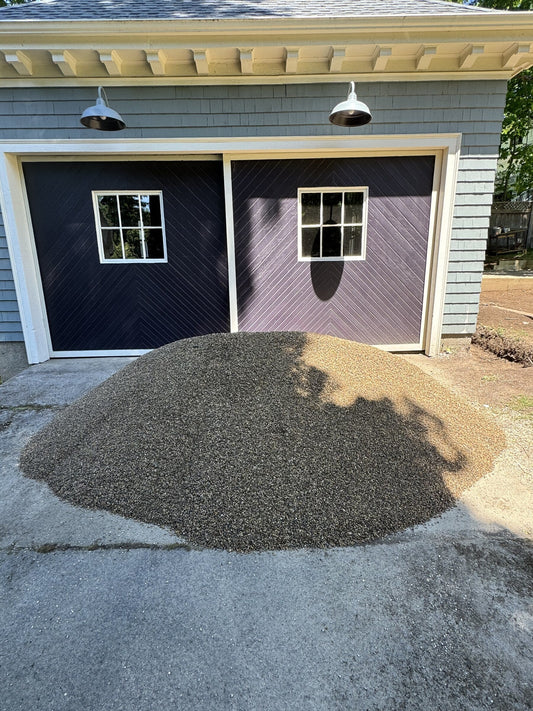
| Blue Stone Dust | 0.7 cu yd | 1" leveling layer |
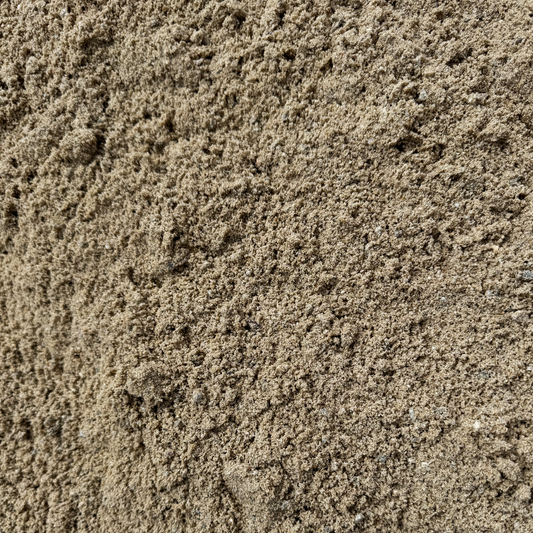
| Mason sand | 0.4 cu yd | Joint sand sweep-in |
| Non-woven geotextile fabric | 200+ sq ft | Under the base |
| Plastic edge restraint | ~50 lin-ft | All sides |
| 12" landscape spikes | 50 | Edge restraint |
| Pavers (homeowner choice) | 200 sq ft + 5% waste | Surface |
Browse patio & walkway base materials for current per-yard rates.
Step 1: Excavate 8 Inches (Day 1, 4–6 hours)
Strip the turf with a sod cutter or sharp spade. Excavate 8 inches below the finished patio elevation — that's 6" base + 1" stone dust + ~1" paver thickness.
For a 200 sq ft patio, that's 5 cubic yards of dirt to remove. Plan disposal: dumping in a corner of the yard works for some Norfolk County lots; rented dumpster ($300) for tight lots in Brookline or Quincy. DigSafe 811 first if any depth approaches utility lines.
Step 2: Lay Geotextile Fabric (Day 1, 30 min)
Roll non-woven geotextile fabric across the entire excavation, with 6 inches of overlap at any seams. This is the layer most DIYers skip — and the layer that determines whether the patio lasts 8 years or 25 years.
The fabric prevents the underlying clay from migrating up into the base aggregate over freeze-thaw cycles. Without it, 8 seasons of freeze-thaw mixes clay with stone and the base loses structure.
Step 3: Base in Two 3" Lifts (Day 1–2, 6–8 hours)
Pour 3 inches of Dense Pack ¾"-to-minus across the excavation. Rake roughly level. Run a plate compactor in 4–6 passes per area (rent for $80/day at any hardware store).
Add a second 3" layer. Compact again. Total 6" of compacted base.
Per ICPI, compaction is the difference between a real patio and a settling mess. Don't skip it. Use a plate compactor, not just walking on it. After compaction, surface should be firm enough that you don't leave footprints when walking on it.
Slope the base ¼" per foot away from the house for drainage. Verify with a level.
Step 4: Screed Stone Dust (Day 2, 1 hour)
Spread 1 inch of Blue Stone Dust evenly across the compacted base. Use two 1" PVC screed pipes as guides, drag a 2x4 across them to flatten.
The stone dust is the precision-leveling layer. Pavers settle into it perfectly during compaction.
Step 5: Lay the Pavers (Day 2–3, 4–8 hours)
Start at a corner. Lay pavers tight against each other — no gaps. Work outward in a consistent pattern (running bond, herringbone, basket weave per choice). Cut edge pieces with a wet saw or angle grinder.
For Norfolk County's typical 200 sq ft backyard patio, plan 6–10 hours of paver-laying. Work in the morning before heat.
Step 6: Install Edge Restraint (Day 3, 1 hour)
Stake plastic edge restraint along all sides of the patio. Use 12-inch landscape spikes every 12 inches. The restraint locks the perimeter pavers — without it, pavers shift outward and the whole patio loses its shape over 3–5 seasons.
Step 7: Sweep Joint Sand (Day 3, 30 min)
Sweep mason sand into all joints. Mist with a hose to settle. Sweep more sand. Repeat 2–3 times until joints stay full.
For polymer joint sand (more weed-resistant, $50/bag), the technique is the same — sweep, mist, brush off excess, allow to cure 24 hours.
What You'll Need from Ottr (200 sq ft Patio)
| Material | Quantity |
|---|---|
| Dense Pack ¾"-to-minus | 3.7 cu yd |
| Blue Stone Dust | 0.7 cu yd |
| Mason sand | 0.4 cu yd |
Browse patio & walkway base, decorative stone, and the full Ottr catalog for delivery scheduling across Norfolk County.
For the matching pricing playbook, see Pricing Paver Patios in Plymouth County: Square-Foot Worksheet. For the depth question, see How Deep Should a Patio Base Be in Somerville?.
The short version: 6" Dense Pack in two lifts, fabric beneath, 1" stone dust on top, edge restraint everywhere, mason sand in joints. Three days, ~$1,400 in materials for 200 sq ft. Per ICPI.