Quick Answer
No - brown mulch does not attract termites to an Arlington home. Termites are already present in the soil across eastern Massachusetts; mulch doesn't lure them in. What matters is distance from the foundation: keep any mulch (brown, black, hemlock, cedar, natural) 6 inches off the siding and 12 inches off any wood-frame deck or stair. Arlington's older housing stock - especially the Victorian and triple-decker homes between Mass Ave and Pleasant Street - is more sensitive to moisture-bridge issues than the mulch color itself.
The Arlington Termite Picture
Arlington sits in the same eastern subterranean termite zone (Reticulitermes flavipes) as the rest of Greater Boston. Activity peaks in April-May and again in September. Older Arlington homes - particularly those with full basements, fieldstone foundations, and mature trees over the foundation strip - present the most consistent risk.
Termite risk in Arlington is a soil-and-moisture story, not a mulch-color story. This Q&A walks through the homeowner questions that come up in spring.
Q: Does brown mulch specifically attract termites compared to other colors?
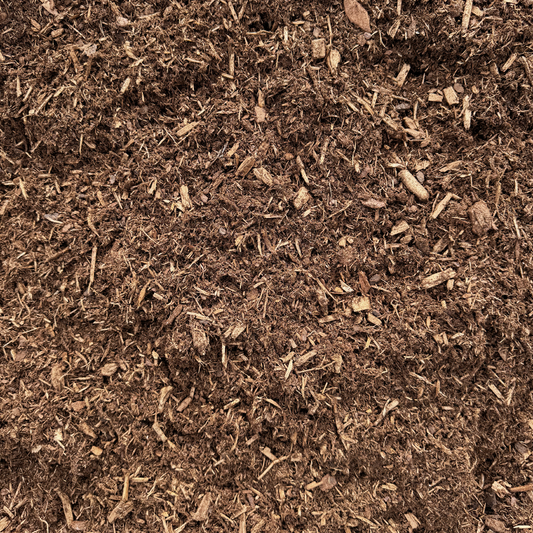
A: No. Termites detect cellulose, moisture, and warmth - none of which are color-dependent. Brown dye is iron oxide, the same as black dye. Termites can't see the color and don't respond to it. The "brown attracts termites" claim is internet folklore.
The reason brown sometimes correlates with termite issues in homeowner anecdotes is that dyed brown is often hardwood mulch, which is more cellulose-rich than bark mulch. But the species-and-cellulose link is much weaker than the distance-from-foundation link.
Q: How close to the foundation can I put mulch in Arlington?
A: Keep mulch 6 inches off the siding. This 6-inch gap is the single most important rule for foundation beds. The gap:
- Lets the foundation wall dry between rains.
- Keeps mud tubes visible during termite inspection.
- Prevents direct wood-to-mulch contact on shingle and clapboard siding.
For Arlington's Victorians with full-height clapboard or Eastern White Cedar shingles, the 6-inch gap is non-negotiable. For brick foundations, the same rule applies - mulch piled against brick traps moisture and accelerates mortar damage.
Q: How deep is too deep for foundation beds in Arlington?
A: 2 inches max. Foundation strip beds are over-mulched more often than any other bed in the Arlington yard. Homeowners pile to "hide the foundation gap" or to "make the front pop," and end up with 4-5 inches in the wrong place.
For the broader depth question, How Deep Should Mulch Be in a Middleborough Bed? covers the 2-inch standard that applies across eastern MA.
Q: Is hemlock mulch safer than brown for termites?
A: Modestly safer, not enough to skip the 6-inch rule. Hemlock contains tannins that reduce termite feeding by 20-30% in lab studies. That's a useful margin but not protection. Hemlock-mulched beds piled against siding still develop termite issues. The 6-inch gap matters more than species.
For the broader hemlock-vs-pine-bark comparison, the 2026 Plymouth County hemlock vs pine bark walk-through covers the trade-offs.
Q: What about cocoa mulch and dogs?
A: Don't use cocoa mulch in Arlington if you have dogs or have neighbors with dogs. Cocoa mulch contains theobromine - the same chemical that makes chocolate toxic to dogs. A 50-lb dog can be poisoned by eating 1-2 oz of cocoa mulch. Cocoa is a different question than termites, but it comes up in the same "what's safe" conversation.
For the full safety reference, the 2026 cocoa mulch and dogs walk-through covers the toxicity numbers and the safer alternatives.
Q: I have a wood deck attached to the foundation. Where does the mulch go?
A: 12 inches away from any wood structure. Wood-frame decks, stair stringers, and lattice skirting are direct termite food. The 6-inch foundation rule expands to 12 inches when the structure itself is wood. Use stone or bare ground for the strip immediately under and around the deck.
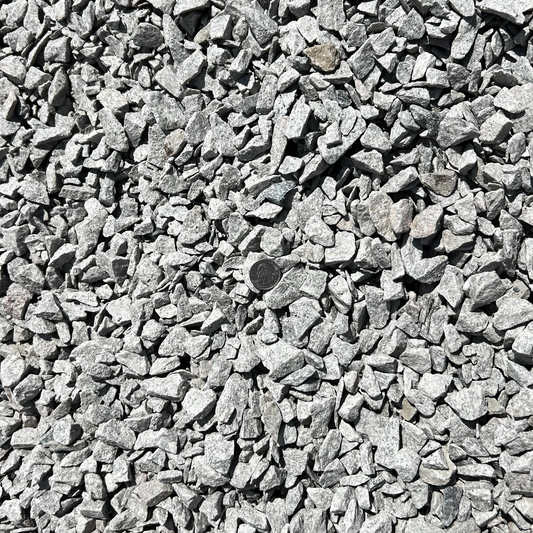
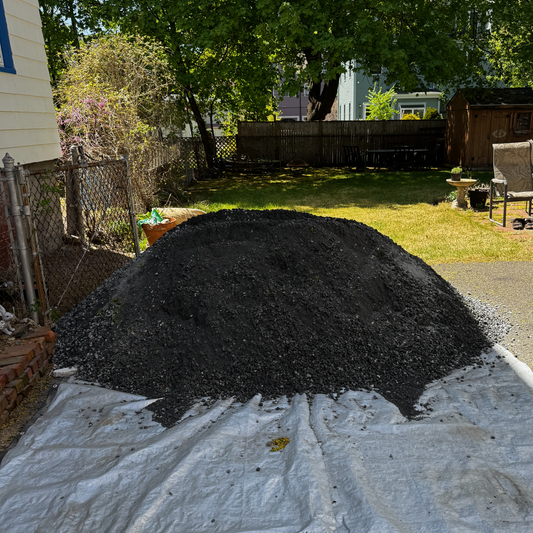
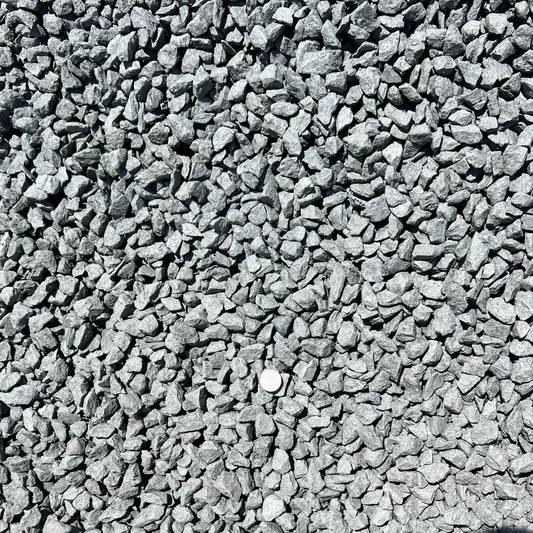
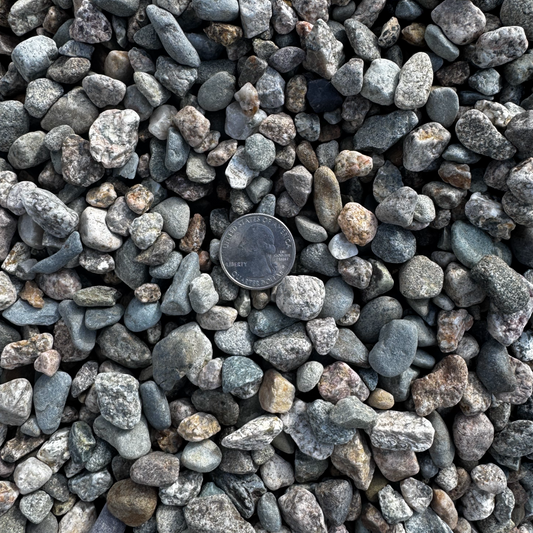
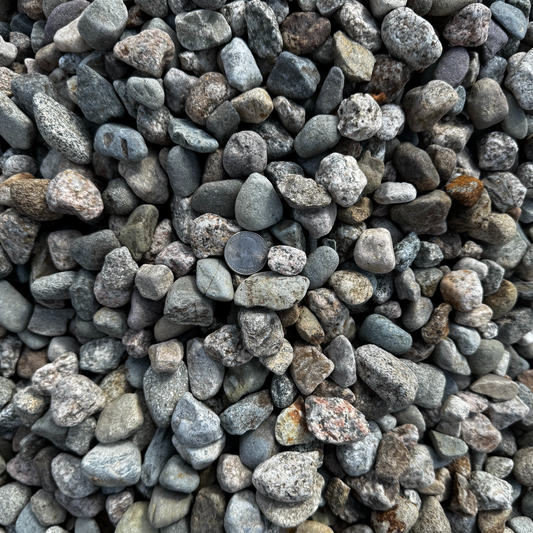
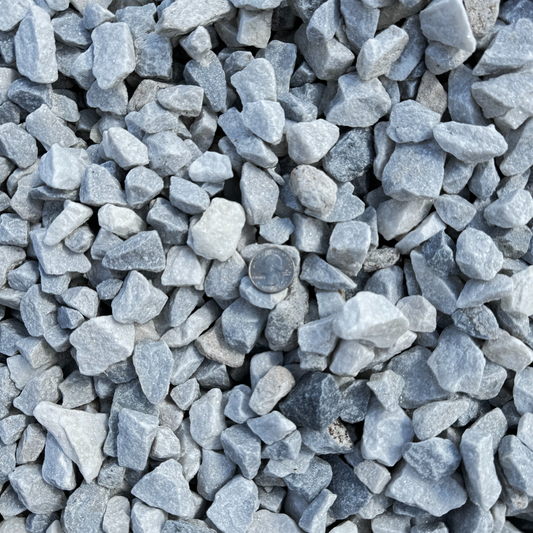
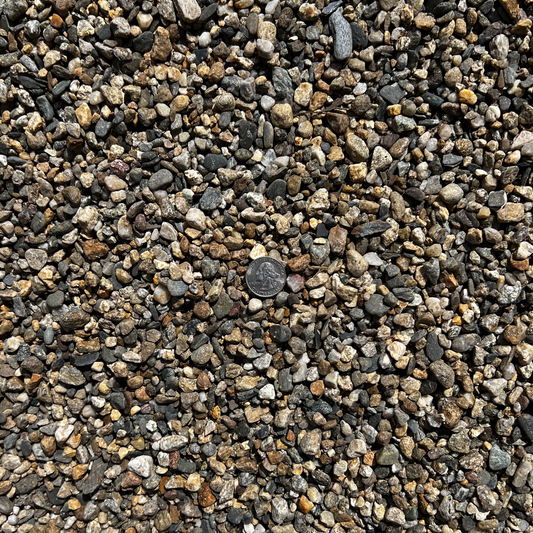
Browse the decorative stone collection for the under-deck stone option (white marble, gray crushed rock, or pea stone work well visually).
Q: How do I check for termites in spring?
A: Look for mud tubes and shed wings between mid-March and early May. Subterranean termites swarm in spring. Reproductives emerge from soil, fly briefly, shed wings, and try to start new colonies. Three signs to scout:
- Mud tubes on the foundation, basement walls, or sill plate. Pencil-thick, brown, weather-resistant.
- Shed wings in window wells, on basement floors near light sources, or on porch decks.
- Soft sill plate wood when probed with a screwdriver - especially at corners.
If you see any of the three, a licensed termite inspector is the next call. Mulch becomes a moot point at that stage.
Q: Can I mulch a bed near a known termite-treated foundation?
A: Yes, with the 6-inch gap maintained. Termiticide treatments and bait stations work below the soil. Mulch on top doesn't disturb the treatment. Maintain the 6-inch gap to siding for inspection visibility - the tubes still need to be findable.
Q: My contractor mulched right against the siding. What now?
A: Pull it back this weekend. Take a hand trowel or small rake and pull mulch back 6 inches from the siding. Either spread the excess thinly across the rest of the bed (if depth is 1 inch or less elsewhere) or bag it for yard waste pickup.
Don't wait. A pile of mulch against shingle siding in Arlington holds moisture against the wood for months and creates the exact conditions termites prefer - dark, damp, cellulose-rich.
For the broader pruning-and-cleanup work that goes alongside, How to Make a Three-Cut Limb Removal in a Newton Yard covers the late-winter shrub work that often paired with bed cleanup.
The Arlington Foundation Bed Rule
- Mulch 6 inches off siding (12 inches off wood structures).
- Mulch depth 2 inches max along foundation strip.
- Inspect for mud tubes and shed wings April-May, again September.
- Don't store firewood against the foundation.
- Maintain positive grade away from the house.
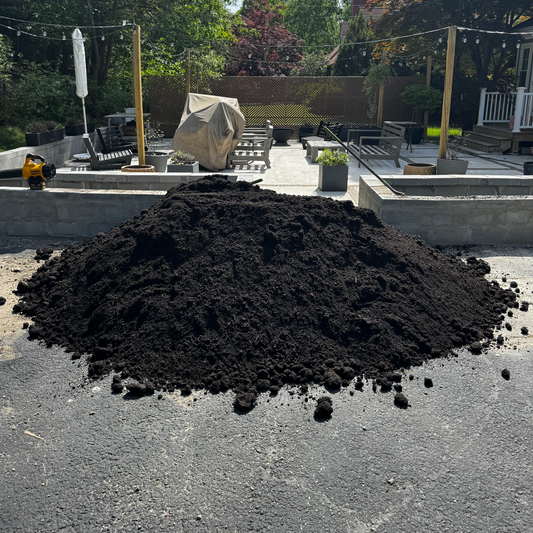
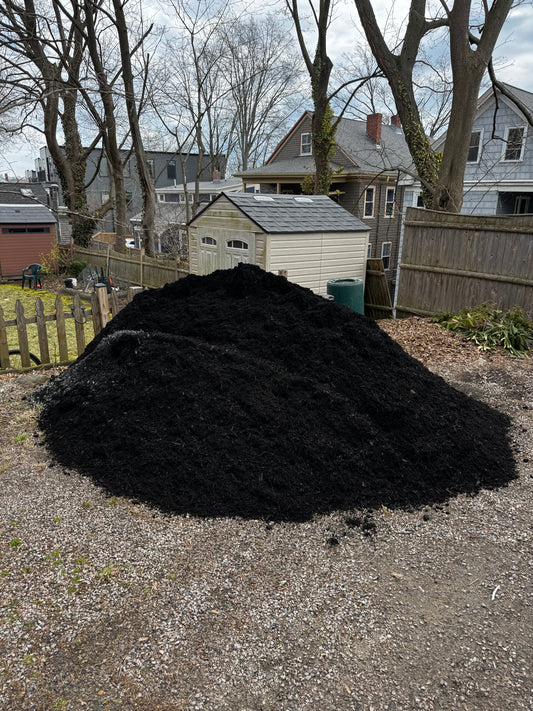
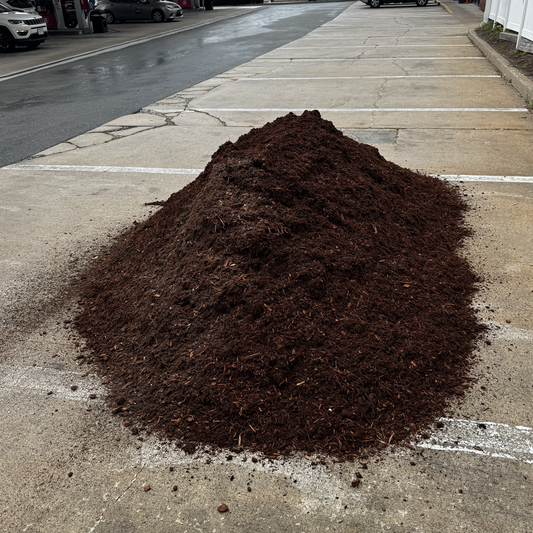
Browse the mulch collection and the Arlington landscape supply route for delivery scheduling.
For the broader regional reference, UMass Extension Landscape, Nursery & Urban Forestry has the authoritative source on landscape practices around foundations.
The short version: mulch color doesn't drive termite risk in Arlington. Distance from the foundation does. Six inches off siding, 12 inches off wood structures, 2 inches deep, and Arlington beds stay safe.