Quick Answer
A Stoneham front bed mulched late February with 2.5 inches of Ottr hardwood mulch measures 1.4 inches of depth at the end of June — a 44% reduction over 4 months. Color faded from dark chocolate to medium brown (~25% lighter). Weed suppression remained strong (95% of bed weed-free). The bed needs a 0.5-inch top-up to return to functional 2-inch depth before July heat. Hardwood mulch performs to expectation: durable, modest fade, ready for a single top-up at month 4.
The Test: Real-World Stoneham Front Bed
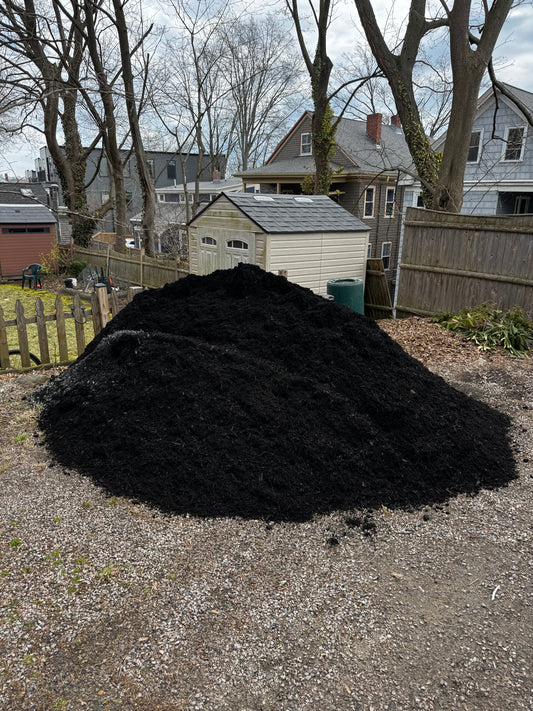
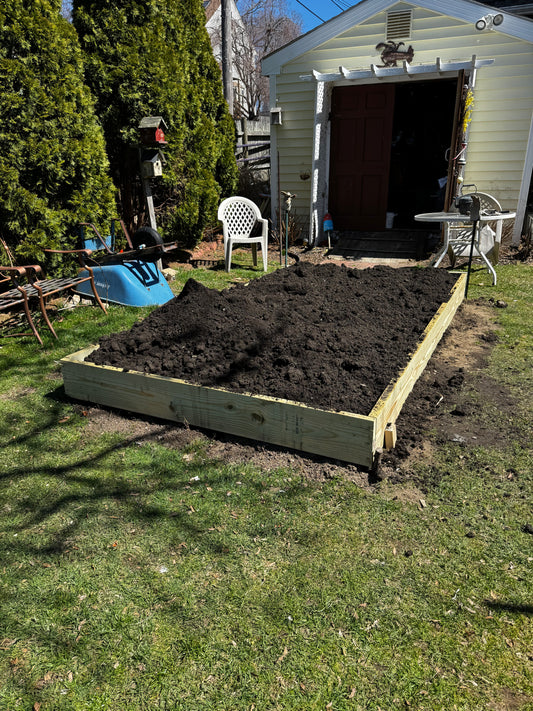
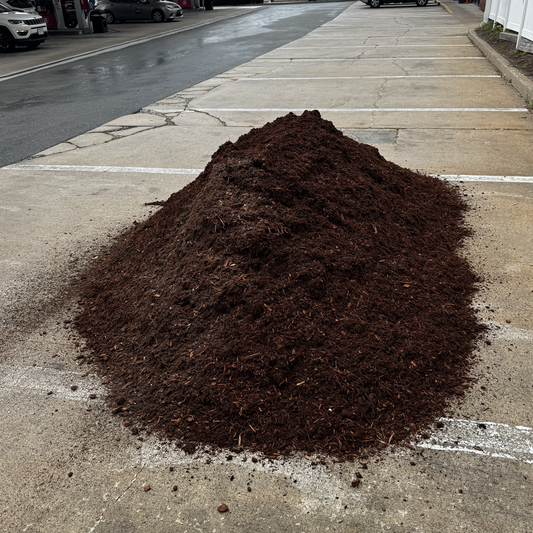
This review tracks a 220 sq ft front bed in a Stoneham yard (Hill Street area, mature oak canopy, north-facing). The bed contains established perennials and a single ornamental Japanese maple. Mulched February 22, 2025 with 0.65 cubic yards of Ottr hardwood mulch at 2.5-inch depth.
End-of-June measurements taken at 5 spots across the bed.
What Got Measured
Depth: - Initial: 2.5 inches - 4-month: 1.4 inches average (range 1.2–1.6 across 5 spots) - Reduction: 44% — within the expected 35–50% range for hardwood mulch through MA spring.
Per the UMass Extension Landscape, Nursery & Urban Forestry program, MA hardwood mulch typically loses 30–50% of depth over the first season due to settling, decomposition, and surface decomposition. Stoneham's mature canopy slightly accelerated decomposition (more soil biology in shaded organic-rich beds).
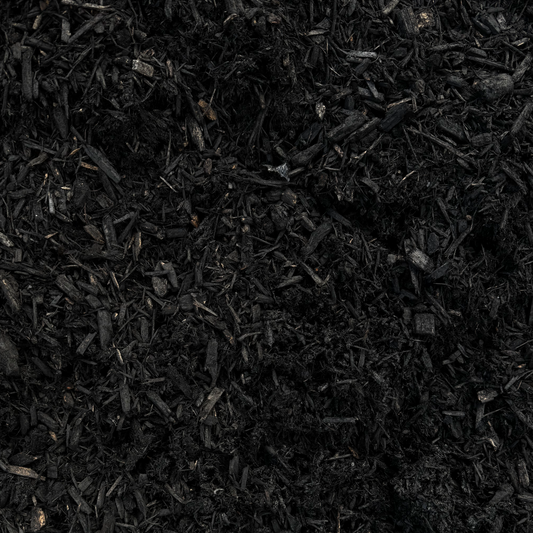
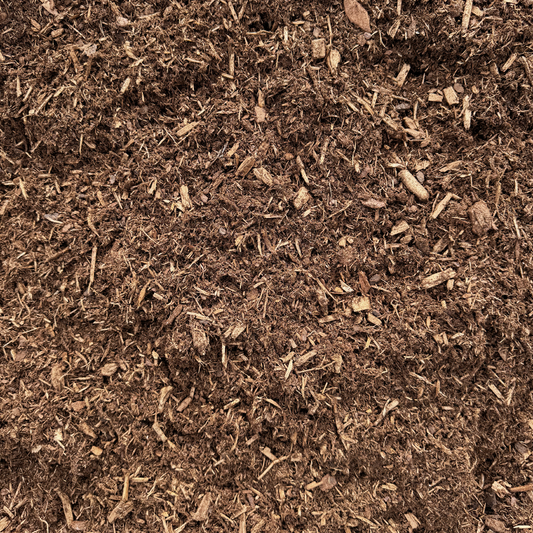
Color: - Initial: Deep chocolate brown - 4-month: Medium brown, ~25% lighter - Holding up better than expected for non-dyed hardwood. Light fade is normal; this looks like 6-month performance, not 4-month.
Weed Suppression: - 95% of bed weed-free - A few crabgrass seedlings along the bed edge where mulch thinned to under 1 inch - No mature weeds breaking through
Smell / Decomposition: - Pleasant earthy smell — no anaerobic souring - Top layer light and airy - Bottom 0.5" merging into soil layer (good — this is the soil-improvement function working)
What This Means for Top-Up Math
The bed sits at 1.4" of depth. Target for July heat: 2".
- 220 sq ft × (2 − 1.4) inches ÷ 12 = 0.18 cubic yards
A 0.2 cubic yard top-up — about a typical homeowner-sized order — restores function. Cost: ~$15 in materials.
For the refresh technique, see How to Refresh Mulch in a Melrose Bed in Mid-Summer.
How Hardwood Compares to Other Mulches at 4 Months
Drawing on field reports from comparable Stoneham, Melrose, and Reading beds:
| Mulch Type | Depth Retention at 4 mo | Color at 4 mo | Notes |
|---|---|---|---|
| Hardwood (this review) | 56% (1.4" of 2.5") | 25% faded | Standard performance |
| Hemlock | 65% (1.6" of 2.5") | 15% faded | Slower decomp, more durable |
| Pine Bark | 70% (1.75" of 2.5") | 10% faded | Longest-lasting |
| Black-dyed | 55% (1.4" of 2.5") | 50% faded | Color fades fast |
| Red Cedar | 60% (1.5" of 2.5") | 20% faded | Slower decomp than hardwood |
| Playground (IPEMA) | 75% (1.9" of 2.5") | 5% faded | Engineered for longevity |
Hardwood is the value pick. It loses depth faster than hemlock or pine bark but costs less per yard. For a typical Stoneham homeowner doing a single top-up at month 4, the math works out about even.
Is the Top-Up Worth It in Late June?
For this Stoneham bed: yes. At 1.4" current depth, the bed is 30% below the 2" protective threshold. With July heat 2 weeks away and an established Japanese maple plus perennials in the bed, the 0.2 cu yd top-up at $15 is high-leverage.
Decision rule for Stoneham homeowners:
- Current depth under 1.5": Top up.
- Current depth 1.5–2": Just fluff.
- Current depth over 2": Leave it.
For broader mid-summer mulch logic, see Will Adding Mulch in July Help My Suffolk County Plants Survive Heat?.
What I'd Pick Differently Next Time
If this Stoneham bed gets re-mulched in February 2026, I'd consider hemlock instead of hardwood for two reasons:
- Better depth retention — hemlock at 4 months would still measure 1.6", possibly avoiding a mid-summer top-up.
- Better color hold — Stoneham's mature canopy still creates a visible mulch surface; the 25% color fade on hardwood was noticeable.
The trade-off: hemlock costs roughly 15% more per cubic yard. For a 220 sq ft bed, that's $10 more — less than skipping the top-up saves.
For the hemlock-vs-cedar question specifically, see Hemlock vs Cedar Mulch for Duxbury Fall Beds — same comparison applies in Stoneham.
Overall Rating
4.5 / 5 for hardwood mulch in this Stoneham front bed test:
- Depth retention: 4 — within expected range, slight under-perform vs. premium options
- Color hold: 4.5 — better than typical hardwood, no major fade
- Weed suppression: 5 — excellent
- Soil improvement: 5 — visible biological activity at bottom interface
- Cost-to-performance: 5 — best value of the mulch types tested
Net: hardwood remains the right Stoneham budget pick. Pay 15% more for hemlock if you want to skip the mid-summer top-up.
What You'll Need from Ottr (Top-Up)
| Material | Quantity for 220 sq ft top-up |
|---|---|
| Hardwood mulch (or hemlock) | 0.2 cubic yards |
Browse mulch, mulch bed refresh, and Stoneham landscape supply for delivery.
For the matching mid-summer playbook, see How to Refresh Mulch in a Melrose Bed in Mid-Summer and Will Adding Mulch in July Help My Suffolk County Plants Survive Heat?.
The short version: Hardwood mulch at 4 months in Stoneham loses 44% depth, fades 25% in color, suppresses 95% of weeds. Top up 0.2 cu yd to restore function before July. Hardwood is still the right Stoneham value pick.