Quick Answer
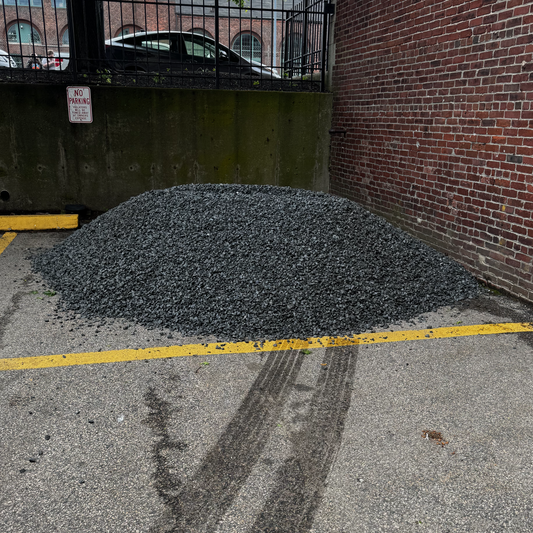
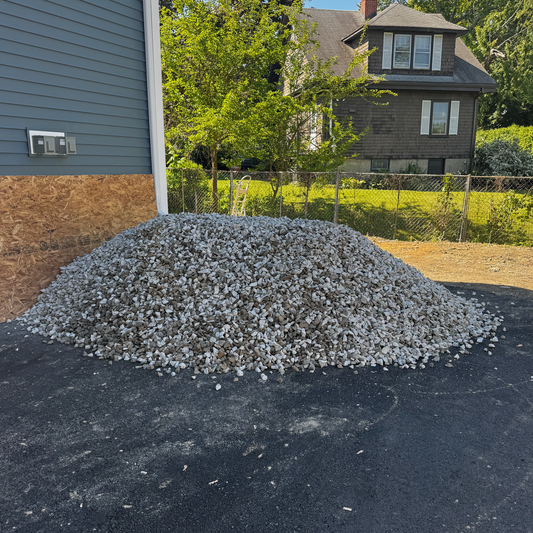
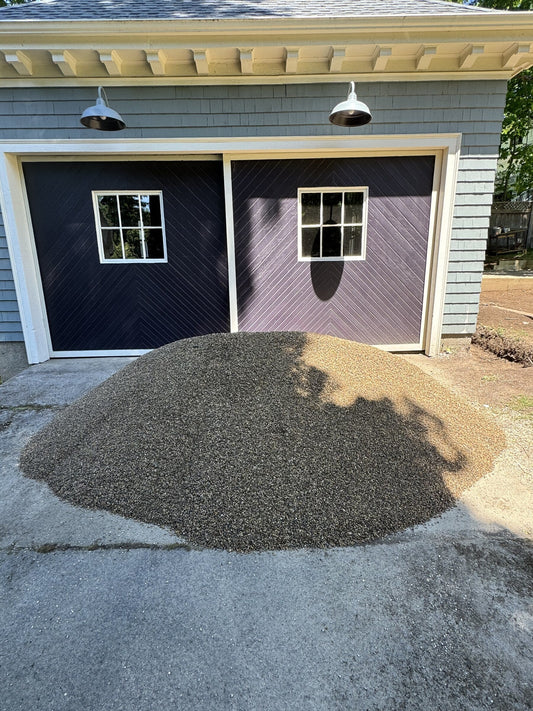
The five highest-value uses for bulk mason sand in a Brockton yard: #1 winter traction at the lawn edge (zero chloride), #2 the base for a salt-sand 20/80 blend, #3 paver bedding under spring patio installs, #4 a refilled sandbox for kid play, and #5 a compacted base layer under stepping stones and walkway pavers. Bulk mason sand from Ottr runs roughly $30-$45 per cubic yard - dramatically cheaper than bagged play sand. One yard fills most of these jobs across a single Brockton property.
Why Mason Sand and Not Other Sands
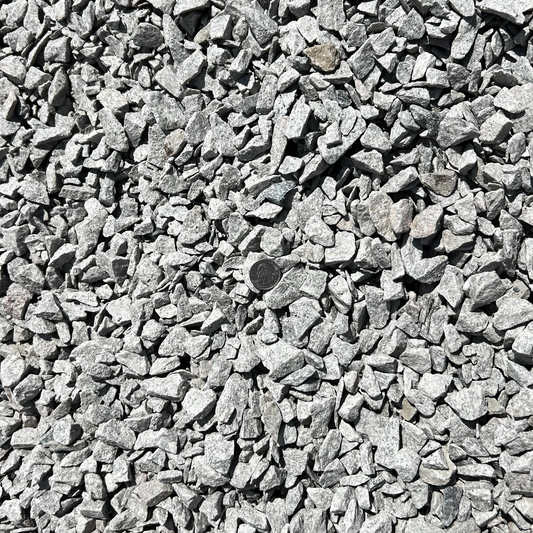
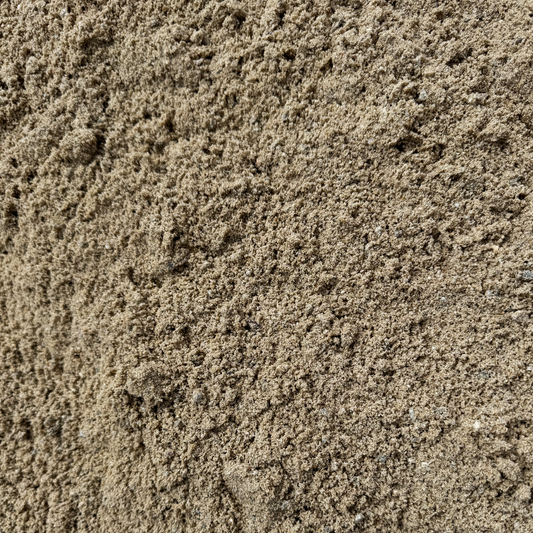
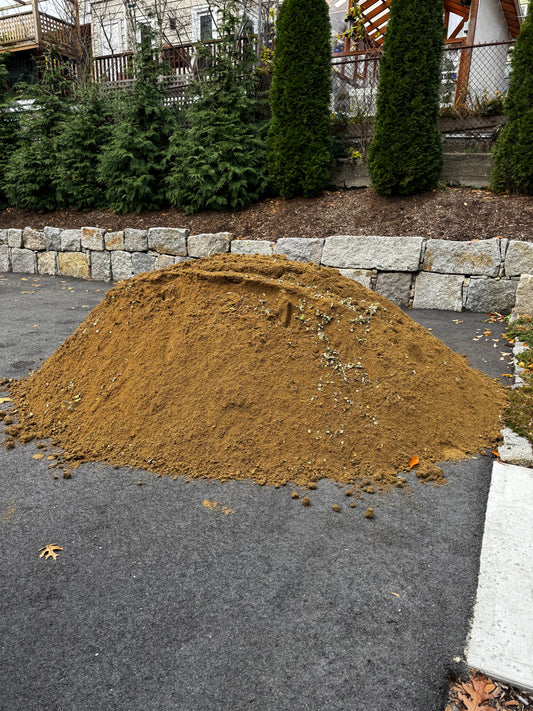
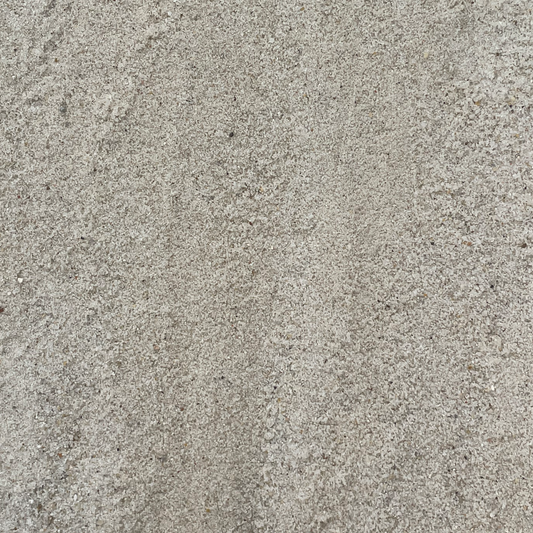
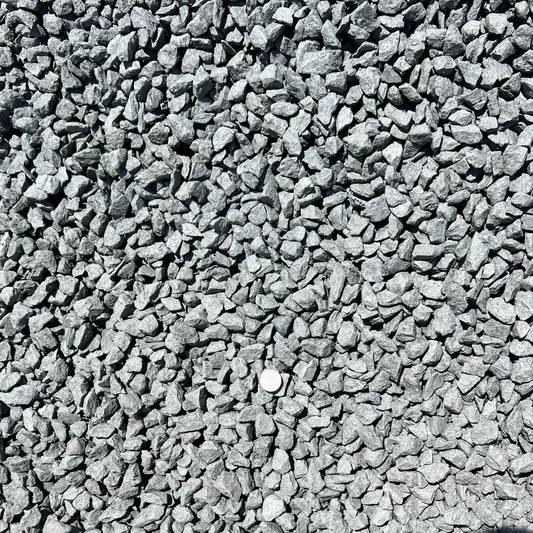
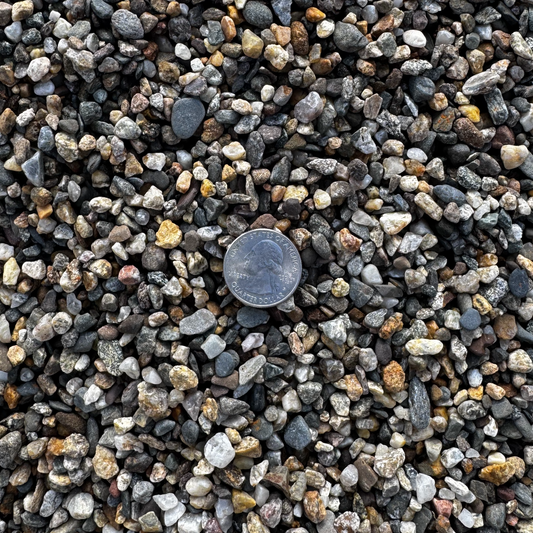
Mason sand is angular-grained, washed, and screened to fine specs - the sand spec for masonry mortar, paver bedding, and traction. It compacts cleanly, drains well, and grips on slick surfaces. Avoid play sand (rounded, doesn't grip) and beach sand (organic content, doesn't pack). For coarser drainage work, see Ottr's Coarse Sand. For finer concrete blends, see Concrete Sand.
Brockton lots - older two-families on Pleasant, North Main, and Pearl Streets, ranches in the West Side and Campello neighborhoods - typically have hardscape needs spread across 12 months. One yard of mason sand handles most of them.
#1 - Winter Traction at the Lawn Edge
The damage band on a Brockton lawn is 6-18 inches in from the curb every April. Pure mason sand on the lawn-adjacent strip provides traction with zero chloride.
Apply with a hand-broadcast spreader after shoveling. Sweep up in spring, store for next winter, reuse. UMass Extension turf research is clear: cool-season grasses start dying at soil sodium above 4 mmhos/cm electrical conductivity - a level easily reached at the curb under straight rock salt. Sand sidesteps the chemistry entirely.
For full lawn-edge protection logic, see How to Choose the Right Ice Melt for a Medford Driveway.
#2 - Salt-Sand 20/80 Blend Base
Bulk mason sand is the 80% in salt-sand 20/80 - the lawn-protective blend that provides traction with one-fifth the chloride load of straight rock salt. Mix in a 5-gallon bucket: 1 part rock salt to 4 parts mason sand by volume.
For the blend math and storage logistics, see Mixing Your Own Salt-Sand: 5 Tips for Plymouth County Homeowners and How to Build a Weatherproof Salt-Sand Bin for a Quincy Property.
A typical Brockton two-family uses about 1 cubic yard of mason sand across winter for blending and pure-sand applications combined.
#3 - Paver Bedding for Spring Patio Installs
Mason sand is the standard 1-inch bedding layer between compacted gravel base and pavers. ICPI (Interlocking Concrete Pavement Institute) specs call for ASTM C-33 fine concrete sand or mason sand at exactly 1 inch screeded thickness.
Brockton homeowners building or expanding a patio in April-May should plan on roughly:
- Per 100 sq ft of patio: 0.3-0.4 cubic yards mason sand for bedding.
- Plus: 1-2 cubic yards of compacted dense pack 3/4" minus underneath.
For the broader patio base discussion, see What Stone Goes Under a Suffolk County Shed Foundation? - same base logic applies to patio sub-structure in Brockton.
#4 - Sandbox or Kid Play Surface
Mason sand is the right sand for a homeowner-built sandbox despite the play-sand marketing. Mason sand is washed and screened, drains well, and packs into castles. Play sand is rounded, dusts, and cakes when wet.
A 4x4 sandbox 6 inches deep needs about 0.25 cubic yards of mason sand - one delivery covers a sandbox plus winter blending for years. (Note: for IPEMA-certified playground impact-attenuating surfaces, Ottr's Playground Mulch is the right product, not sand. See collections/all.)
#5 - Compacted Base for Stepping Stones
Mason sand makes a clean, level compacted base layer for stepping stones and small walkway pavers. Process:
- Excavate the stepping-stone footprint to 4-6 inches depth.
- Lay 3 inches of compacted dense pack 3/4 minus.
- Top with 1 inch of mason sand, screeded level.
- Set the stone; tap level with a rubber mallet.
- Sweep mason sand into the joints around the stone.
For larger walkway projects in Brockton (10+ stepping stones or a continuous path), upgrade to a paver-grade approach with full ICPI base depth. The Brockton landscape supply collection carries all the base materials in bulk.
How Much Mason Sand to Order in Brockton
| Use | Quantity (Brockton typical) |
|---|---|
| Winter traction (lawn edge, full season) | 0.3-0.5 cubic yards |
| Salt-sand 20/80 blending | 0.5-1.0 cubic yards |
| Paver bedding (100 sq ft) | 0.3-0.4 cubic yards |
| Sandbox refill | 0.25 cubic yards |
| Stepping-stone base (10 stones) | 0.2 cubic yards |
One full cubic yard of mason sand from Ottr typically covers a Brockton homeowner's annual use spanning winter and spring projects.
For broader landscape-supply and sand selection guidance, UMass Extension's Landscape, Nursery & Urban Forestry program is the most authoritative MA source. For the 2026 follow-up on irrigation auditing in West Roxbury, the same January-planning approach applies to Brockton's spring hardscape and irrigation work.