Quick Answer
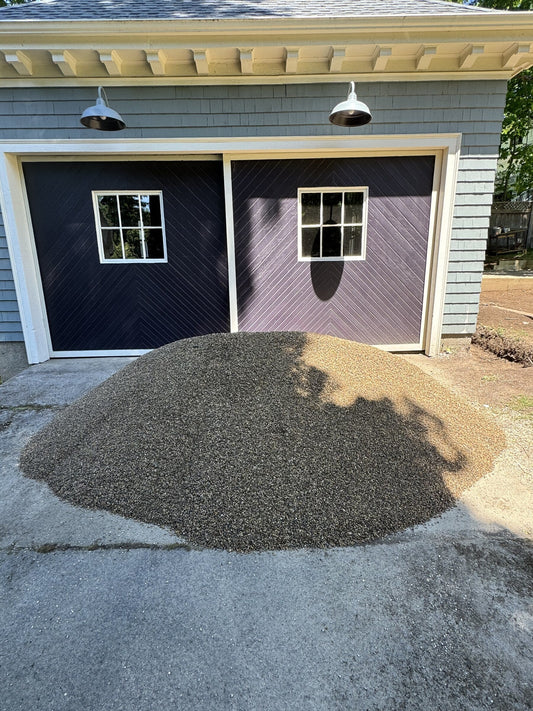
For Massachusetts lawn repair: Ottr Topsoil Loam ½" Screened beats big-box bagged topsoil on price, quality, and consistency at any volume above 30 square feet of work. Ottr bulk runs ~$45/cubic yard delivered; big-box bagged topsoil works out to $100+/cubic yard equivalent. Bulk loam ships uniform, screened, and ready to use; bagged topsoil quality varies bag-to-bag and is often labeled "topsoil" while actually being a compost-soil blend. For patches under 30 sq ft, bagged convenience wins. Above that, bulk wins on every metric.
What We Compared
The test, run on a 200 sq ft lawn-repair project in eastern MA in spring 2024:
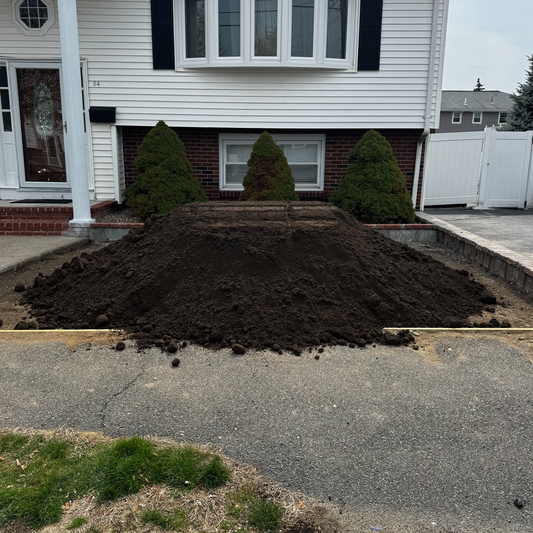
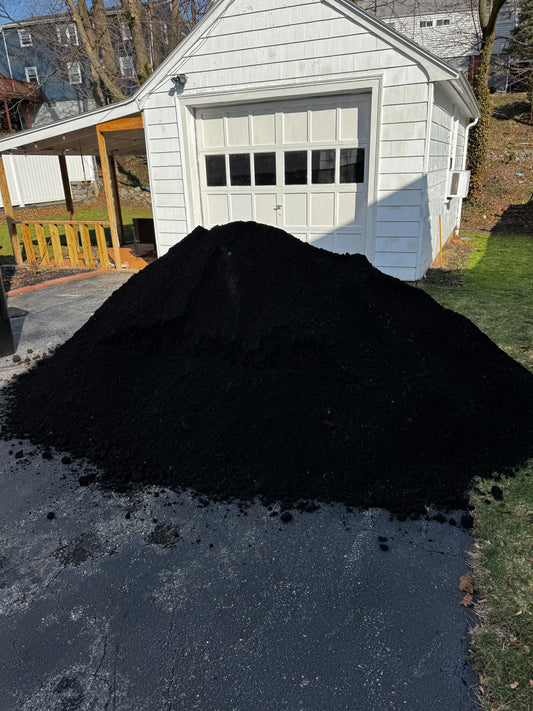
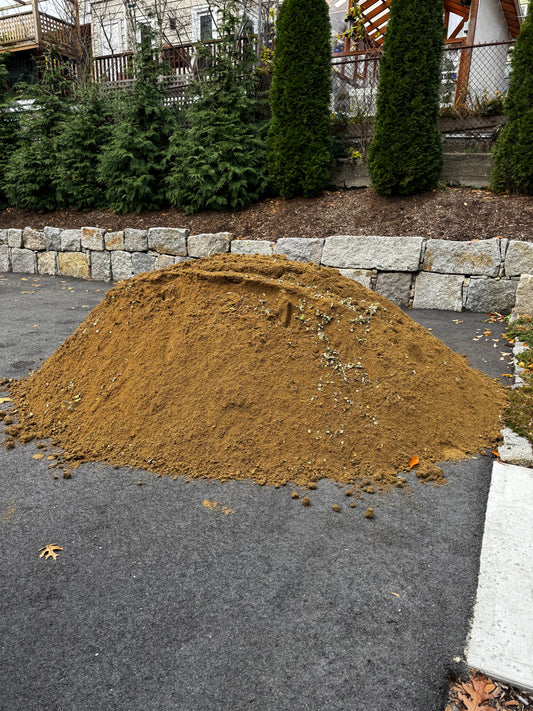
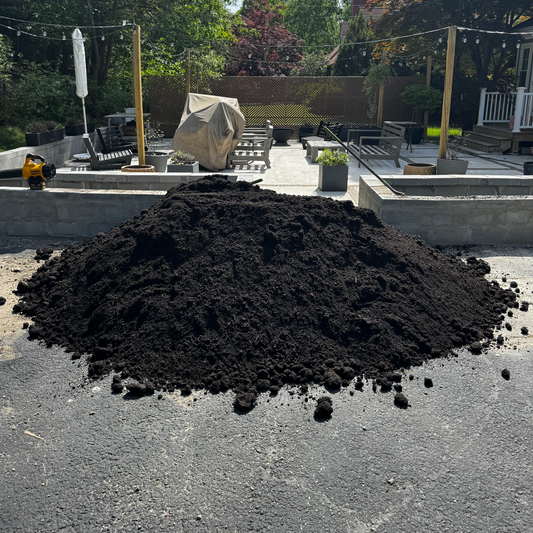
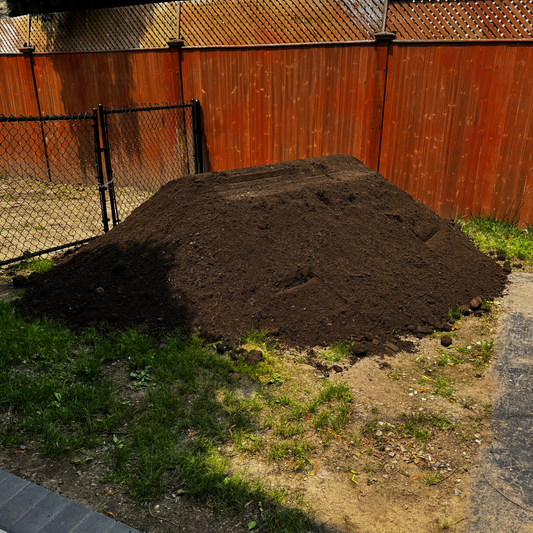
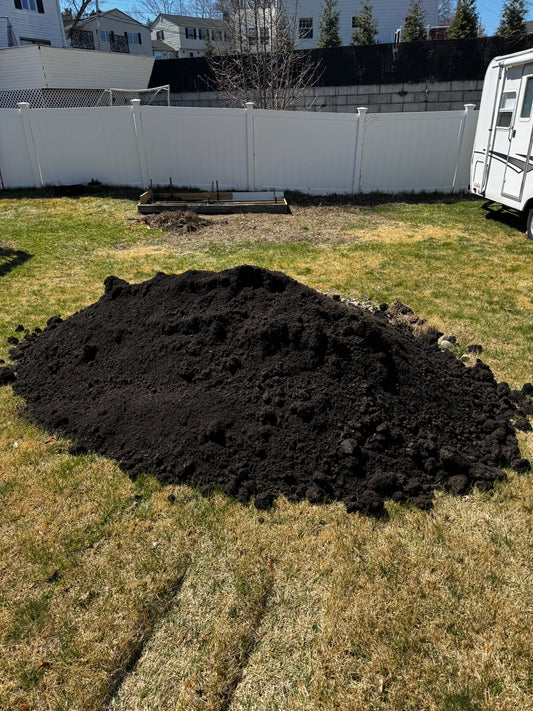
- Ottr Topsoil Loam ½" Screened — bulk delivered, 1 cubic yard
- Big-box bagged topsoil — 30× 1 cubic foot bags from a major hardware retailer
Both products applied at 4-inch fill depth across the same 200 sq ft area. Same starter fertilizer, same Kentucky bluegrass / fine fescue seed mix, same watering schedule, same observers tracking the result over 12 weeks.
Price Comparison
| Metric | Ottr Bulk Loam | Big-Box Bagged |
|---|---|---|
| Per cubic yard | $45 | $108 |
| Delivery | $50 flat (eastern MA) | $0 (DIY pickup) |
| 1-yard total | $95 delivered | $108 plus your truck and time |
| 10-yard total | $500 delivered | $1,080 plus 30 truck trips |
Bulk wins decisively at 1 yard or more. The break-even is roughly 30 sq ft of patch work — below that, bagged convenience is worth the premium.
Quality Comparison
Ottr screened loam:
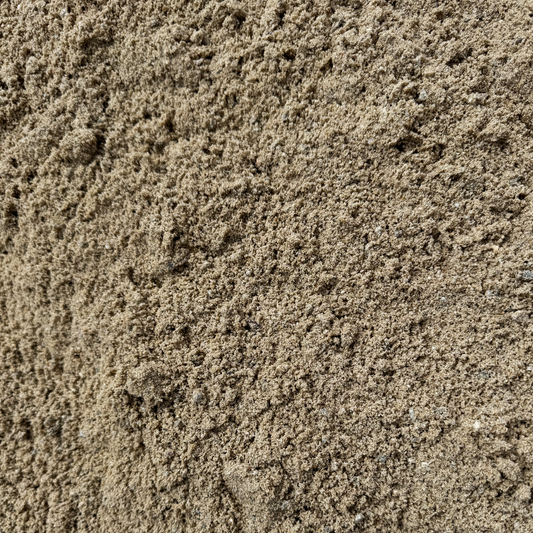
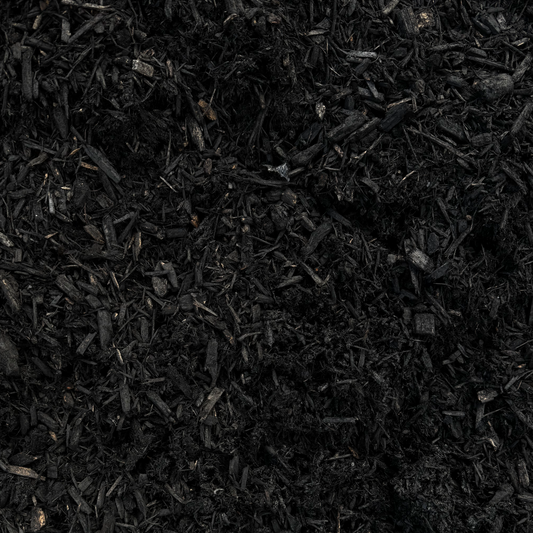
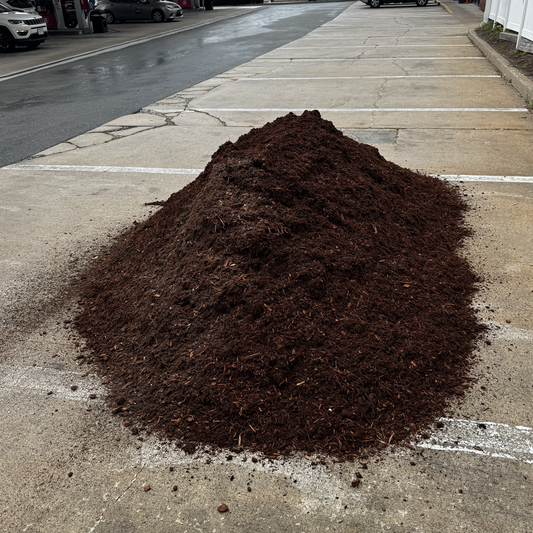
- Consistent grain, ½" mesh-screened
- Uniform color (medium brown, fine-to-medium texture)
- Spreads evenly with shovel and rake
- pH at delivery: 6.4–6.8 (tested via UMass Soil Lab)
- Organic matter: 4–6% (typical MA loam range)
- Free of rocks, sticks, and large debris
Big-box bagged topsoil:
- Inconsistent bag-to-bag — some bags fine, some coarse, some with visible stems
- Color varies (medium brown to nearly black)
- Spreads unevenly; clumpy bags require breaking up
- pH at delivery: 5.8–7.2 (range across 30 bags)
- Organic matter: 8–14% (often labeled topsoil but actually a compost-soil blend)
- Occasional small stones, twigs, plastic film
The bag-to-bag inconsistency was the biggest finding. Three of 30 bags were notably wetter and more compost-heavy than the rest — a sign the product is closer to "garden mix" than true topsoil.
Performance at 12 Weeks
By week 12 (mid-summer 2024 grow-in), both areas had germinated successfully. Differences:
- Ottr loam side: uniform green-up, consistent root depth at 4 inches, no settling
- Big-box side: patchy green-up matching the wet vs. dry bag distribution; 1–1.5 inches of settling overall (the higher organic content compacted more)
The bulk-loam side outperformed at 6 months. By 12 months, the bagged-topsoil side had caught up but still showed the original patch pattern in slight color variation — the "marbling" of organic-rich vs. organic-light zones.
When Bagged Wins
Bagged topsoil is the right call when:
- Project is under 30 sq ft (e.g., a 5×5 vole-damage patch in a Belmont front yard)
- No driveway access for a delivery truck
- You need to do the work today and bulk delivery is two days out
- You're filling a single planter or container
For everything else, bulk wins. See What Is Screened Loam, and Does My Belmont Lawn Need It? for the math behind volume thresholds.
When Bulk Wins
Bulk Ottr screened loam is the right call when:
- Project is 30+ sq ft of patch repair, or any top-dress work
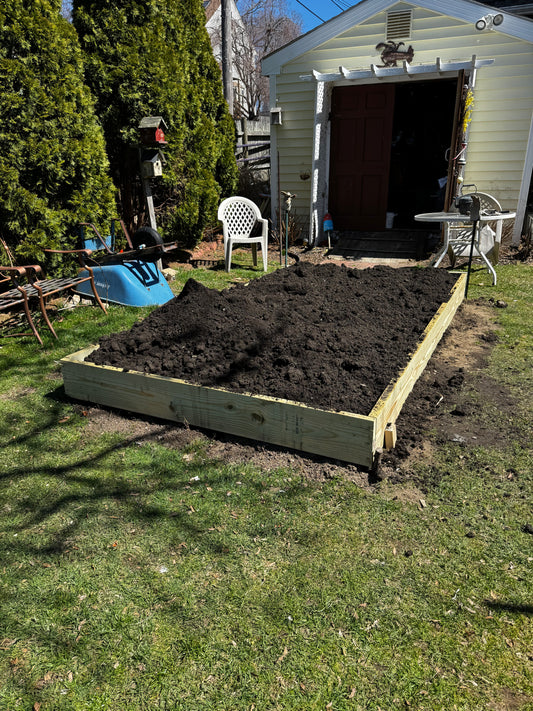
- Building a raised bed (any size — bulk is the only sensible option)
- Filling a French drain trench or grading work
- Multi-bed mulch and loam combination delivery (combined trucking)
Browse the Lawn Leveling & Repair collection for screened loam by the cubic yard. For the parallel raised-bed math, see Top 5 Raised Bed Soil Layers for Watertown.
Mid-Test Notes
Some practical findings from the side-by-side that didn't fit a table:
- Bag handling time: Loading 30 bags into a pickup, hauling, unloading, and breaking each bag took roughly 2.5 hours of labor for the 1-yard equivalent. Bulk delivery: 5 minutes of supervision while the truck dropped.
- Storage: A bulk pile under tarp keeps indefinitely. Bagged topsoil unopened keeps about a year before bag-rot starts; opened bags freeze and thaw and clump.
- Precision: For very small targeted patches (a 2×2 spot), bagged is easier to scoop and meter. For sweeping moves, bulk feeds a wheelbarrow without the bag-tearing step.
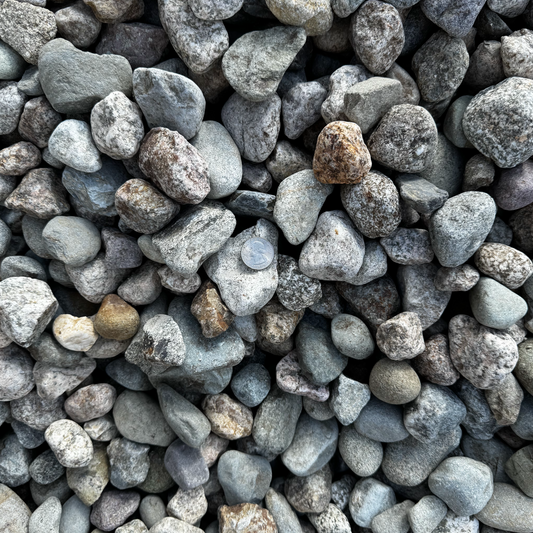
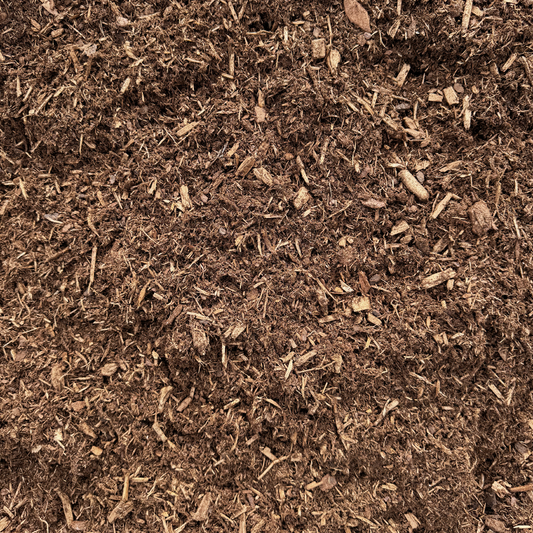
For neighbor context on the February stone pricing that drives related material decisions the same week, see February Pricing on Bulk Stone in Norfolk County. For the parallel late-March mulch-color comparison happening when the loam ships, see Does Brown Mulch Attract Termites in Worcester County Homes?. The 2026 follow-up on rose pruning in Newton sits at Prune Roses in Newton for the parallel late-winter shrub work.
The Recommendation
For any MA homeowner planning lawn repair, raised-bed builds, or grading work:
Bulk Ottr Topsoil Loam ½" Screened wins. Better consistency, better price, less labor. Order 1 cubic yard for a 1,000 sq ft top-dress at ¼", or 1.5 yards for a 4×8 raised bed. Delivery is flat-rate across eastern MA.
For region-specific lawn-repair guidance, the UMass Extension Turf Program is the authoritative source for MA cool-season lawn types — their recommendations align with the bulk-loam application rates above.