Quick Answer
Yes, you can usually use last year's leftover bagged mulch in a Quincy garden bed — but only if it passes three checks. No sour-vinegar smell, no white mold mat through the bag, and no mushy compressed-into-a-brick texture. If it smells like fresh wood, breaks apart in your hand, and the bag is intact, it's fine. If it stinks, mats up, or has heated up, it's gone anaerobic and will damage tender plants. Below: how to tell, what to do with bad bags, and how to store next year's leftovers right.
Why Quincy Bagged-Mulch Storage Goes Wrong
Most Quincy homeowners — Wollaston triple-deckers, Squantum capes, North Quincy multi-families — store leftover bags wherever there's room. The garage corner. The side yard against the fence. The basement near the bulkhead. The problem is what happens inside a sealed plastic bag of organic material across 12 months.
Mulch is alive. Even bagged, partial decomposition continues. With moisture, oxygen exchange, and time, you can get one of three outcomes:
- Stable, slow-aged mulch. Looks and smells about like it did when you bought it. Usable.
- Anaerobic decomposition (sour mulch). No oxygen, microbial breakdown produces acetic acid, methanol, and ammonia. Will burn tender plants on contact.
- Mold colonization. White, gray, or yellow mat. Some types are harmless saprophytes; others (notably Aspergillus) are respiratory irritants you don't want to handle.
The trick is knowing which one you're holding before it touches the bed.
Q: How do I tell if leftover mulch has gone sour?
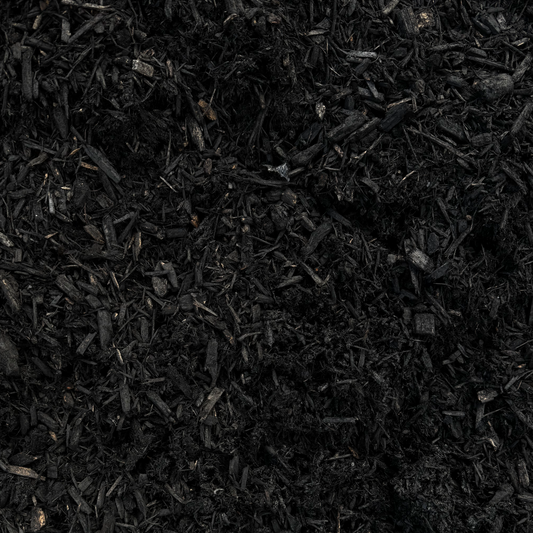
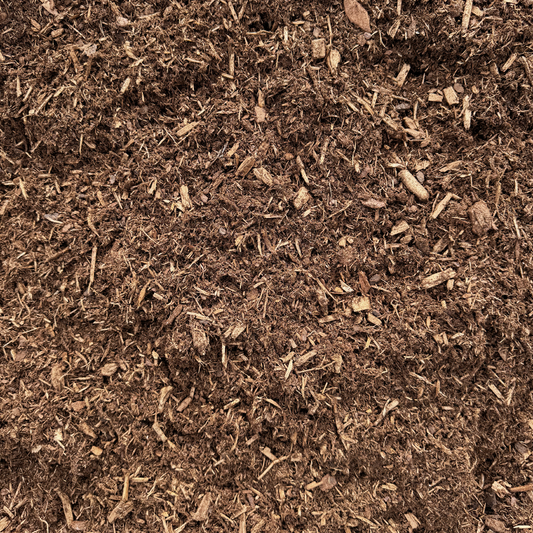
A: Smell it. Fresh mulch smells like wet wood, slightly earthy. Sour mulch smells sharp — vinegar, ammonia, or like something fermenting. The technical term is "phytotoxic mulch" and it's the most common storage failure.
If you have any doubt, dump a small handful in your palm. If your eyes water or your nose stings, it's sour. Toss it.
Q: What does mold on bagged mulch look like, and is it dangerous?
A: White or gray fuzz, usually in a mat against the bag interior or on a clump. Most mold on stored mulch is harmless wood-decomposing fungus. The exception is dense, powdery yellow-gold patches — possible Aspergillus — which can irritate lungs in sensitive people.
For homeowners with respiratory issues, kids, or pets, it's not worth the risk. Skip the bag. For everyone else, dump the bag outside in open air, let it dry for a day, fluff it, and the surface fungi typically die back. The mulch itself is usually fine underneath.
Q: My bag is half-frozen and brick-hard. Can I salvage it?
A: Yes, if the smell is right. A bag that froze and thawed multiple times compresses into a denser brick than fresh mulch. Break it apart with a garden fork into a wheelbarrow, fluff for a day in dry air, and apply normally. The compaction is just physical — it doesn't damage the wood.
If the brick is wet and stinks (sour or rotten), the freeze-thaw cycle pushed it anaerobic. Toss.
Q: What about leftover bagged mulch from two seasons ago?
A: Probably toss it, but check. Two-year-old bagged mulch in a Quincy garage has run a long anaerobic gauntlet. It may be salvageable if it was stored cold and dry; it almost certainly isn't if the bag has been outside through two summers in plastic.
The economics rarely justify it anyway. A typical Big Box leftover bag covers maybe 8 sq ft at 2 inches depth — call it $4 of mulch. Compare against bulk mulch by the cubic yard at Ottr where the per-coverage cost runs a fraction of bagged retail, and the math is clear: don't risk a 200 sq ft bed for $4 worth of questionable mulch.
Q: Can I use sour mulch anywhere?
A: Only on bare ground far from plants. Spread it thin (1 inch max) on a bare path or behind a shed for 2–3 weeks of weather to off-gas the volatile acids. After it's aired out, the residual organic matter is fine to compost or till in. Just don't put fresh sour mulch directly on perennials, vegetable beds, or new plantings — the phytotoxins will kill tender growth in days.
For composting questions specifically, the US Composting Council maintains the homeowner guidance on what mulch product can be safely composted versus what should go in yard-waste pickup.
Q: How should I store bagged mulch so this doesn't happen again?
A: Cool, dry, off the ground, with airflow if possible. The combination that goes anaerobic is warm + wet + sealed. Break any of the three and the storage works.
Specific to Quincy:
- Best: Detached garage shelf, off the ground, intact bags, ideally with a slit cut in the top of each bag for vapor exchange.
- Good: Basement on a pallet, dry side, bags upright.
- Okay: Side yard under a tarp, off the ground, away from south-facing wall heat.
- Bad: Stacked outside on dirt against the foundation. Mold and rot guaranteed by July.
A slit in the top of each bag is the unsung trick — it lets the vapor escape that otherwise drives anaerobic conditions.
Q: Should I open all my bags and check before this year's mulching?
A: Yes, before you spread anything. A 30-minute survey of every leftover bag — open, smell, fluff — saves you the disaster of spreading sour mulch across a Quincy front bed and watching the perennials yellow in 4 days. It's one of the 5 Spots Quincy Homeowners Forget to Mulch in Spring gotchas — bad mulch on a forgotten spot does more damage than no mulch at all.
Q: What's the right next-year strategy?
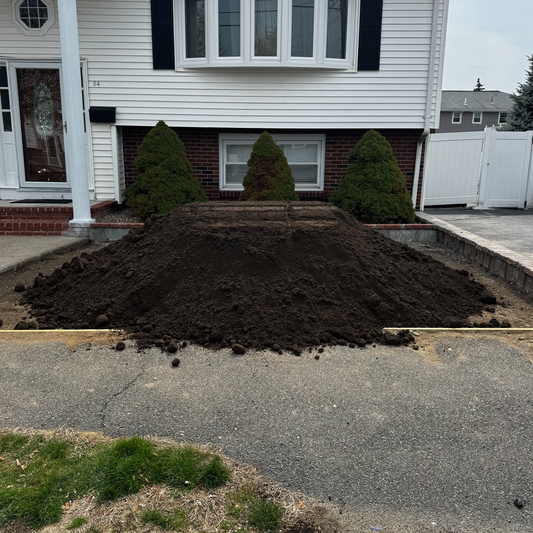
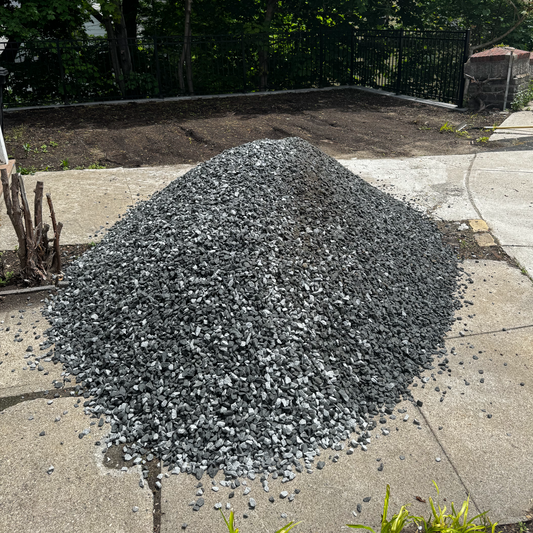
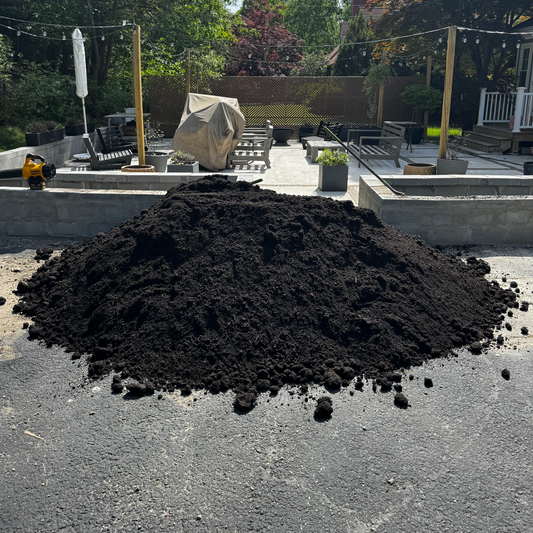
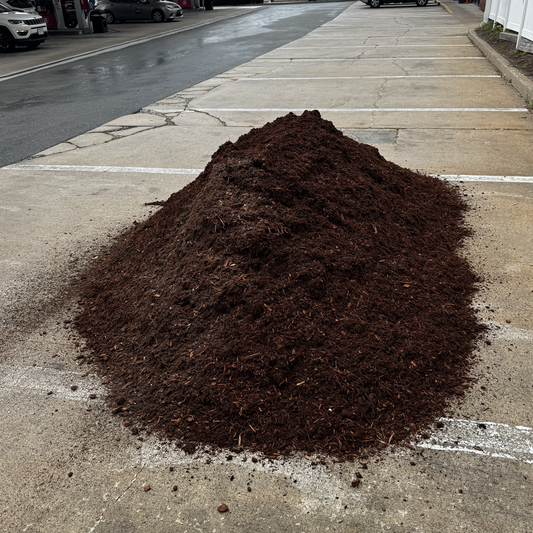
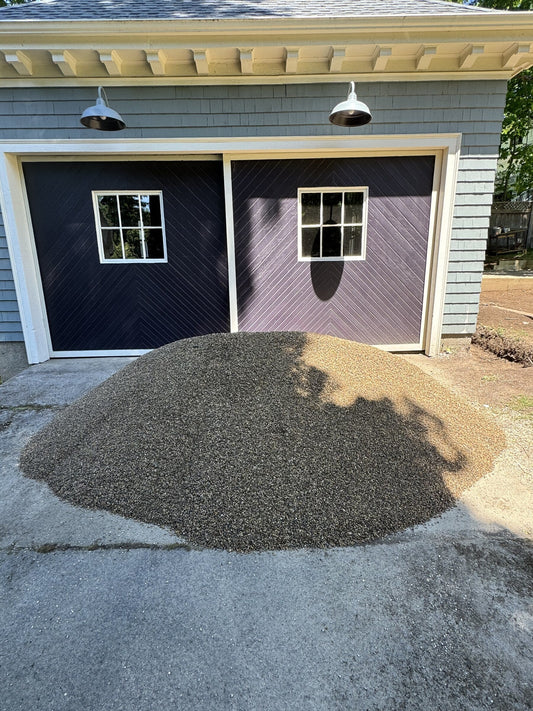
A: Buy bulk by the cubic yard and skip bagged entirely. Bulk delivered mulch from Ottr's hauling service lands on your driveway fresh, you spread within 48 hours, and there's nothing to store. The per-coverage cost is roughly half of bagged retail, the freshness is guaranteed, and the storage problem disappears.
For Quincy yards too small to take a full cubic yard drop, a small-volume order or a shared neighbor delivery splits the trucking cost.
The Quincy Leftover-Mulch Decision Tree
- Does it smell sour or like ammonia? → Toss (or air-out for non-plant use).
- Does it have heavy yellow-gold mold? → Toss.
- Is it brick-hard but smells fine? → Salvage. Fluff and use.
- Light surface mold but smells fine? → Air-dry, fluff, use.
- Looks and smells normal? → Use.
For broader pet-safe-yard considerations on what mulch types matter when dogs are around — relevant if your yard already failed once on cocoa mulch — see Is Cocoa Mulch Toxic to Dogs? A Pet-Safe Yard Q&A.
For Massachusetts-specific landscape and mulch best-practice guidance, the UMass Extension Landscape program has the regional reference.
The short version: most leftover bagged mulch in a Quincy garage is fine. Some isn't. Knowing the difference is a 60-second sniff test.