Quick Answer
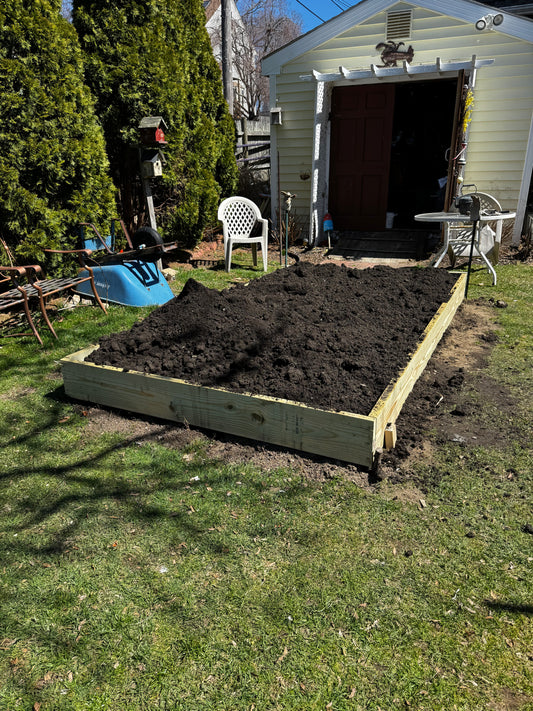
To layer a new 4×8×12-inch Wellesley raised bed: (1) cardboard at the bottom, (2) pre-mix 60% Topsoil Loam + 30% compost + 10% Coarse Sand in a wheelbarrow, (3) fill in 4-inch lifts, (4) water deeply to settle and top up, (5) mulch with 1 inch of straw or fine mulch after planting. Total order: about 1.5 cubic yards of mix. The whole job takes 2 hours for a 4×8 bed with one helper.
Why Layering Matters
Wellesley vegetable gardens lean on raised beds — most yards in town have at least one cedar 4×8 bed, and many have three or four. The way you layer soil into a new bed determines whether you get a five-year-productive setup or a compacted box that performs poorly by year two.
The sequence below produces a bed with drainage at the bottom, structure throughout, and a protected surface — the trio that supports tomato, pepper, and lettuce crops in Wellesley conditions for years.
Tools You'll Need
- Wheelbarrow — 6 cubic foot is ideal
- Square shovel for transferring loose mix
- Garden rake for leveling lifts
- Hose with a fine-spray attachment
- Cardboard — large flattened boxes from any appliance store
Materials and Volumes
For a standard 4×8×12-inch Wellesley bed:
| Material | Volume | Source |
|---|---|---|
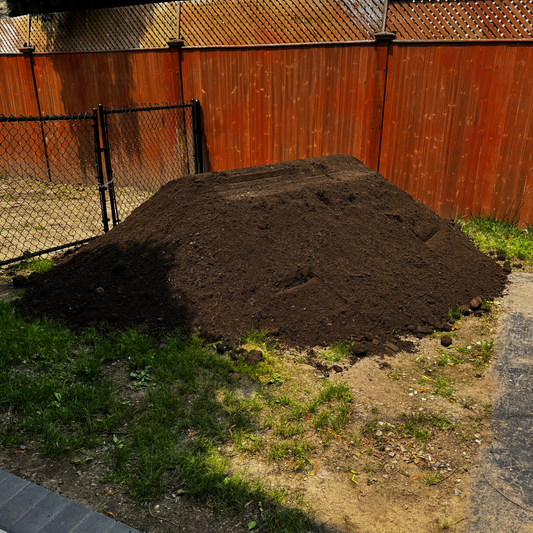
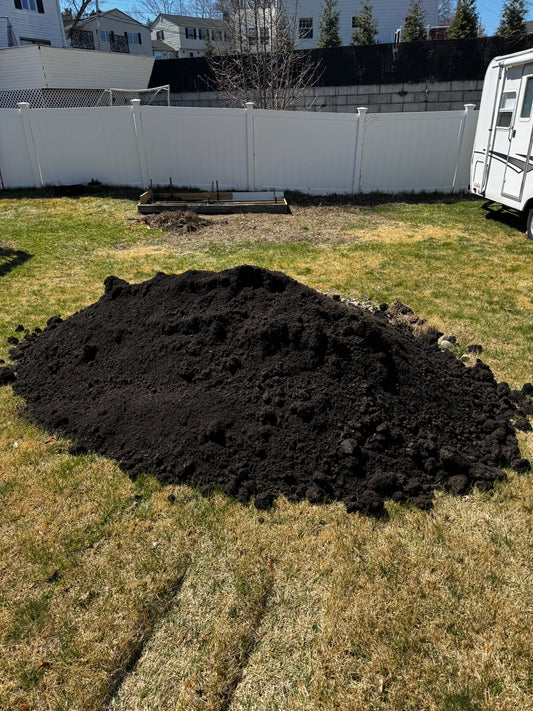
| Topsoil Loam ½" Screened | 0.9 cubic yards | Ottr bulk delivery |
| Aged compost | 0.45 cubic yards | Ottr bulk delivery |
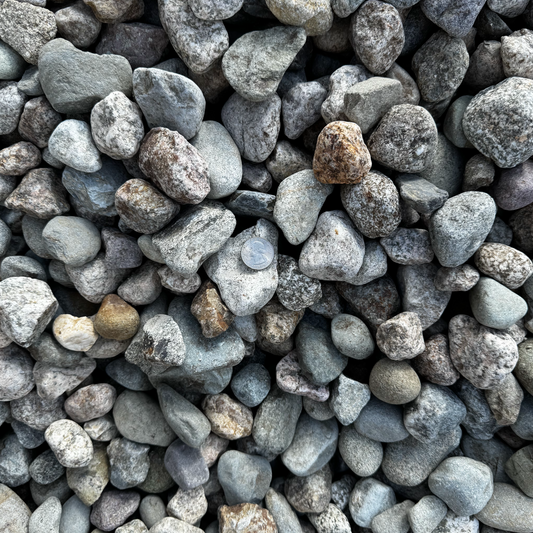
| Coarse Sand | 0.15 cubic yards | Ottr bulk delivery |
| Cardboard | 4–6 large sheets | Free from local stores |
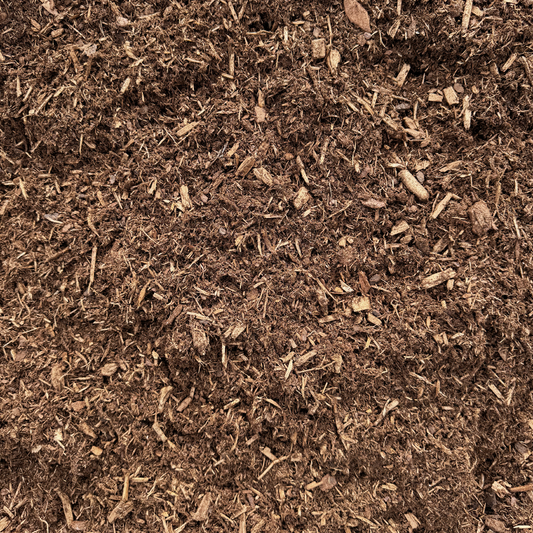
| Mulch (top-dress) | 0.1 cubic yards | Ottr Hardwood Mulch |
Browse the Raised Garden Bed Materials collection for the loam, compost, and sand together, and the Wellesley landscape supply page for delivery scheduling.
Step 1 — Place Cardboard at the Bottom
Lay 4–6 sheets of cardboard or newspaper across the bottom of the bed. Overlap edges by 4 inches to prevent grass and weeds from working through. Wet the cardboard thoroughly with a hose before adding soil — dry cardboard creates an air pocket that disrupts root development.
If your bed is on a particularly weed-heavy site (Wellesley yards converted from old lawn often have grass and dandelion roots), double the cardboard layer.
Step 2 — Pre-Mix the Soil Components
Don't fill the bed in straight loam-then-compost layers. Pre-mix each wheelbarrow load:
- 60% Topsoil Loam ½" Screened (or Super Loam for premium beds)
- 30% Aged compost
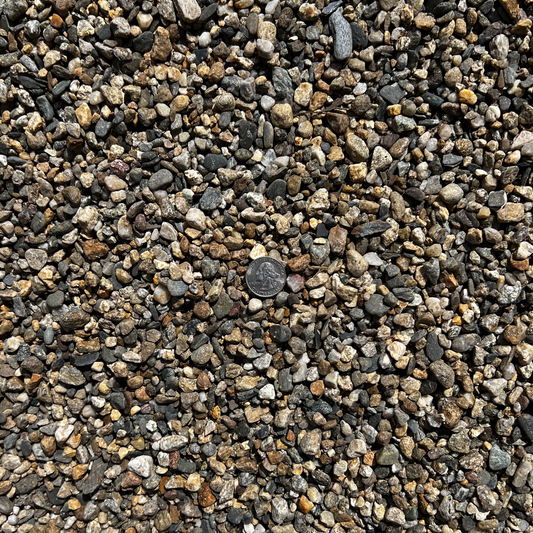
- 10% Coarse Sand (or Concrete Sand)
In a 6-cubic-foot wheelbarrow, that's roughly 3.6 cu ft loam + 1.8 cu ft compost + 0.6 cu ft sand. Mix with a square shovel until uniform — no streaks of pure compost or visible sand pockets.
This 60/30/10 ratio comes from UMass Extension Vegetable Program research and matches what most Wellesley garden coaches recommend.
Step 3 — Fill in 4-Inch Lifts
Pour the pre-mixed soil into the bed in 4-inch layers. Rake each lift level before adding the next. The reason for lifts:
- Even compaction — single big dump leaves voids that sink later
- Consistent mix — early-season watering can wash uneven layers into bands
- Easier to level the surface
For a 12-inch bed, that's three 4-inch lifts. For an 18-inch bed, four lifts. Rake between each.
Step 4 — Water Thoroughly to Settle
After filling to the top of the bed walls, water deeply with a fine-spray hose attachment. Soak each square foot for 30–45 seconds — you want water visible at the base, not just damp on top. Wait 30 minutes for settle, then add more mix to top up. Most beds settle 2–3 inches on the first watering.
This step is critical. Skipping it leaves an air-pocket-rich bed that sinks badly mid-season.
Step 5 — Top-Dress with Mulch After Planting
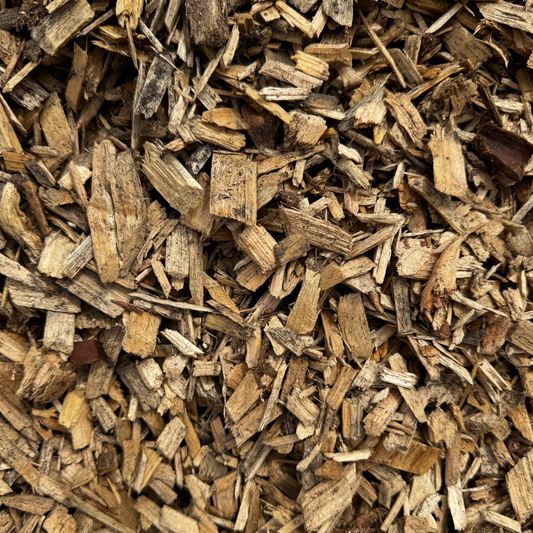
After planting your transplants or direct-sown seeds, top-dress with 1 inch of fine Hardwood Mulch or clean straw:
- Suppresses spring weeds before they establish
- Prevents soil splash on lower leaves (reduces blight pressure on tomatoes)
- Moderates soil moisture between waterings
- Adds organic matter as it decays
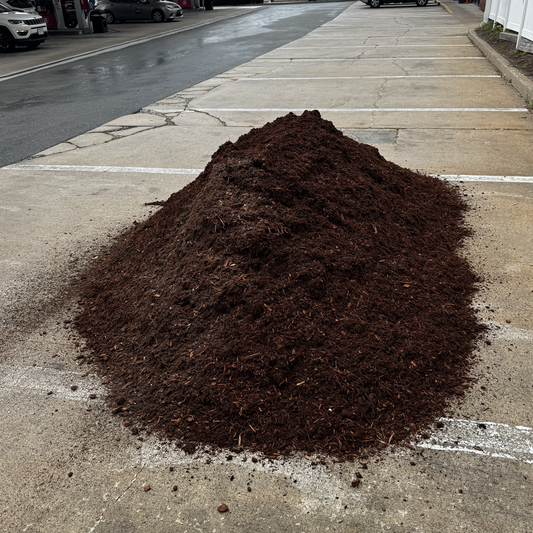
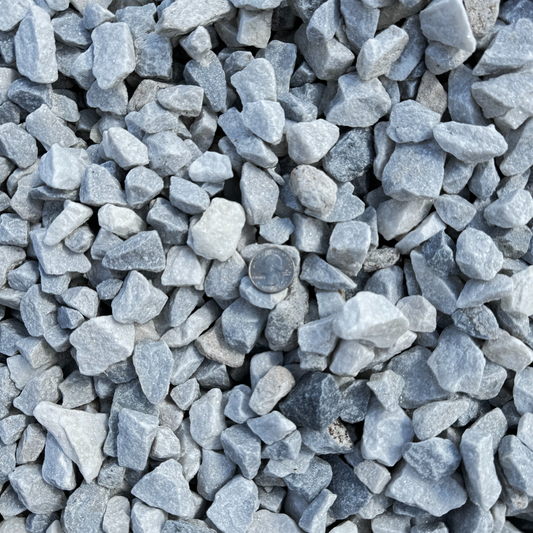
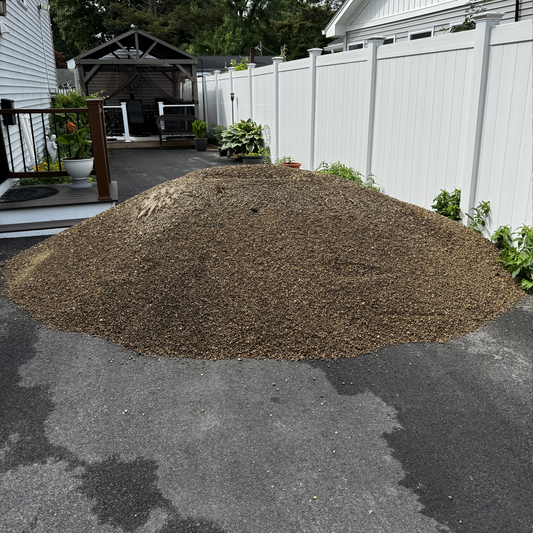
Browse the mulch collection for current per-yard rates. For the parallel decorative-stone work happening in foundation beds the same week, see 5 Decorative Stone Picks for Boston Foundation Beds. For the next-week mulch-pile staging logic that pairs with this work, see How to Stage a Mulch Pile on a Essex County Driveway. The 2026 follow-up on Quincy screened loam sits at Screened Loam in Quincy for related product comparison.
Annual Maintenance
After year one:
- Each spring: Top up with ¼ cubic yard of compost per 4×8 bed, mixed into the top 4 inches
- Each fall: Pull annual debris, leave the soil structure undisturbed
- Every 3 years: Soil-test through the UMass Soil and Plant Nutrient Testing Lab and amend pH if drift exceeds 0.5
Authoritative References
- UMass Extension Vegetable Program — month-by-month task lists for Wellesley-zone gardens
- US Composting Council — STA-certified compost standards