Quick Answer
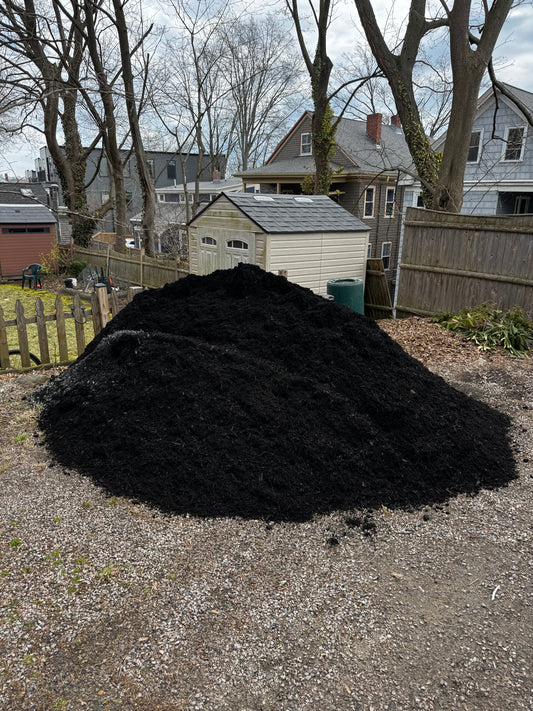
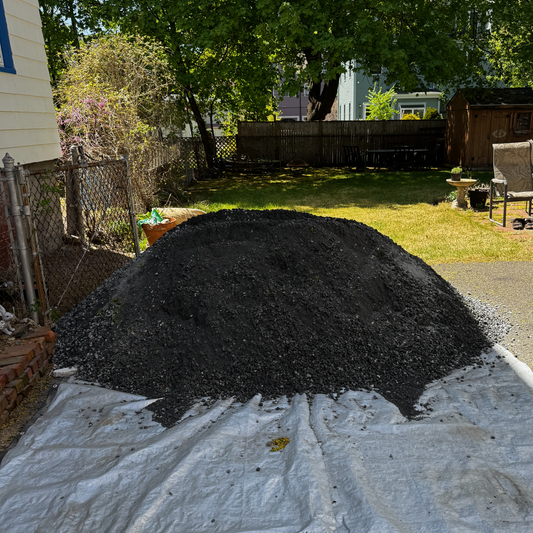
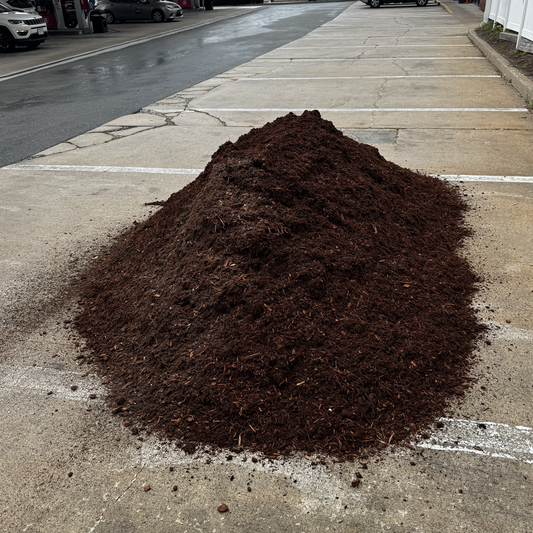
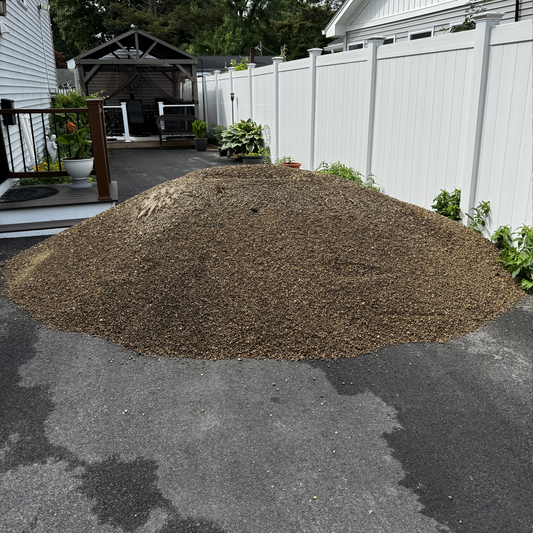
Stage a mulch pile on an Essex County driveway by laying a 12 ft x 12 ft heavy-duty tarp on the flattest section near the bed work, dumping the load on the tarp (not bare pavement), and tarping the top with a second sheet to keep rain out. A 2-cubic-yard pile occupies roughly 100 square feet and 4 feet tall. The tarp under saves the asphalt; the tarp over saves the mulch. 45 minutes of prep up front saves 3 hours of cleanup later.
Why Staging Matters in Essex County
Essex County driveways - Beverly, Peabody, Salem, Gloucester, Andover - vary wildly: gravel, asphalt, paver, and the occasional crushed-stone apron. The wrong staging spot stains pavement, blocks the garage for a week, or pushes mulch into the lawn during a hard rain. The right spot is flat, drains away from the bed work, and sits within wheelbarrow distance of every bed.
Done right, a homeowner moves 2 yards of mulch in 90 minutes. Done wrong, it's a half-day with stained concrete.
Step 1 - Pick the Spot
Walk the driveway and look for:
- Flat ground. Pile collapses on slopes - mulch slides off the tarp.
- Drainage away from the house and lawn. Runoff during rain washes loose mulch sideways.
- Wheelbarrow access to every bed. If you have to go around the garage, you'll quit halfway.
- Out of the parking footprint if the household needs the cars.
Most Essex County single-car driveways accommodate a 2-yard pile in the lower-half segment near the street. Two-car driveways have a clear staging section to the side of the parking lane.
Step 2 - Lay the Bottom Tarp
A 10 ft x 12 ft or 12 ft x 16 ft heavy-duty tarp is the right size for 1-3 yards. Lay it flat on the staging spot. Weigh down the corners with bricks or stakes if it's breezy.
Why tarp first: bulk hardwood mulch, especially fresh-from-the-yard product, leaches tannins during the first rain. On asphalt that's a brown stain that takes a season to fade. On pavers it's permanent. The tarp costs $15. The stain remediation costs $400.
Step 3 - Mark the Truck Drop Zone
When the Ottr Hauling Services 14-Yard Truck arrives, the driver needs 12 feet of overhead clearance and a level approach to back in. Walk the route with the driver:
- No low branches over the drop spot.
- No buried sprinkler heads or gas service caps in the path.
- Tarp visible from the cab.
Most Essex County driveways - especially older homes in Beverly and Salem - have a maple over the apron. If the canopy is under 12 feet, ask for the dump 5 feet back from the canopy edge. The driver will spread the pile slightly, but the tarp keeps it contained.
Step 4 - Dump and Spread the Cone
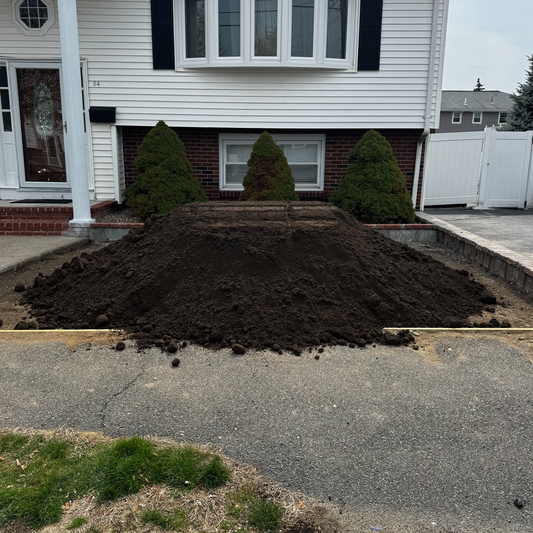
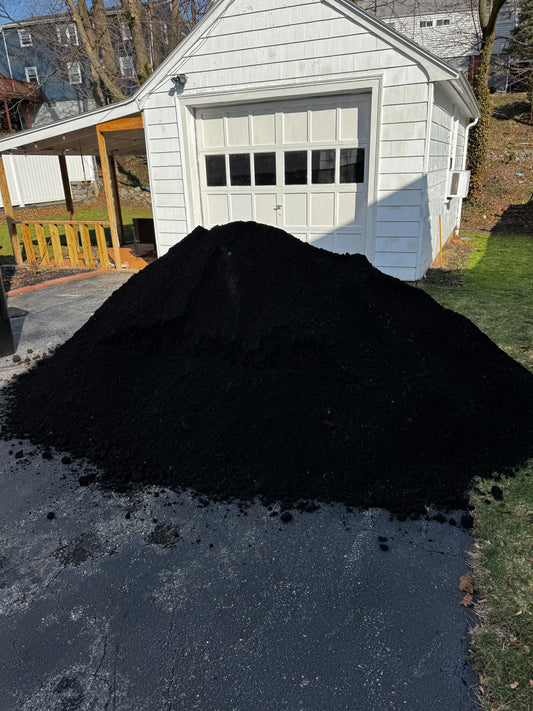
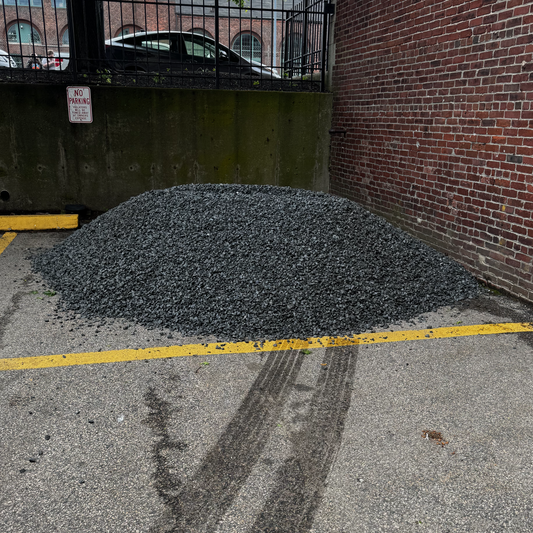
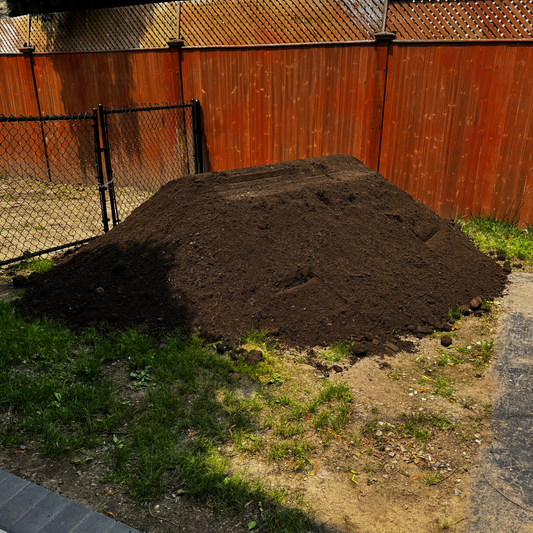
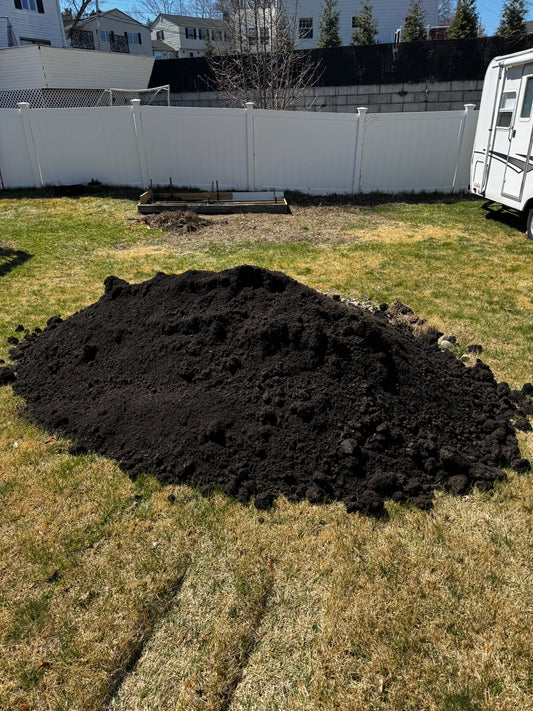
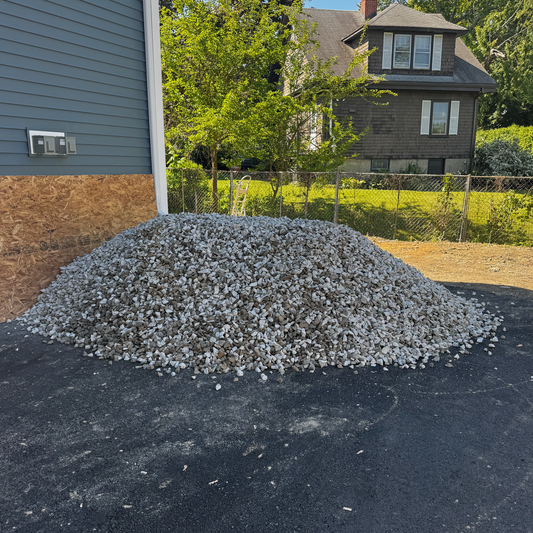
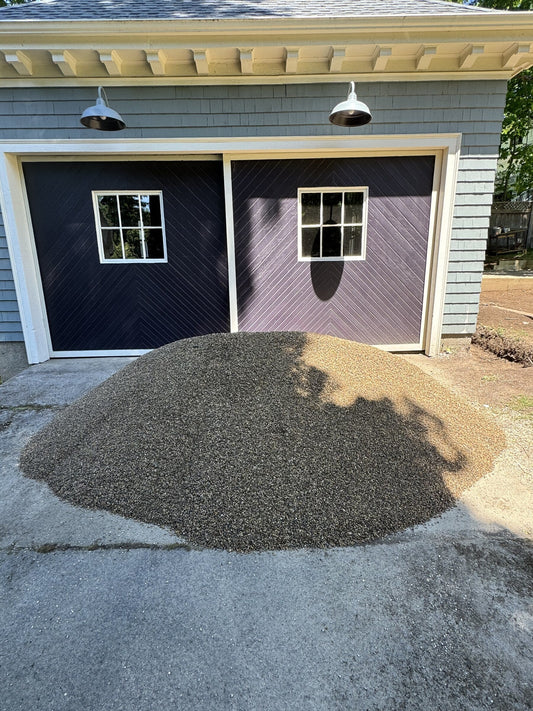
The truck dumps the load in a cone. Pile height for 2 yards is roughly 4 feet at peak, with a 10-foot base diameter. For 3 yards, scale to 5 feet tall and a 12-foot base.
Once the truck pulls off, take a flat shovel and knock the peak down by 12 inches. A flatter pile sheds rain better than a tall pile. Don't try to flatten it completely - you want some height for shovel access.
For a denser-density city version of the same staging logic, How to Calculate Mulch Yardage for a Quincy Triple-Decker Yard covers the small-driveway constraints.
Step 5 - Tarp the Top
Lay a second tarp over the pile. Stake the corners or weigh them with bricks. The top tarp is the difference between starting work in the morning sun and starting in a wet 800-pound mess.
Skip the top tarp only if you're spreading the pile within 24 hours and the forecast is dry. Otherwise tarp it.
Step 6 - Plan the Wheelbarrow Route
Before the truck shows up, walk the wheelbarrow route from the pile to the farthest bed. Note any:
- Ground that holds water (skip it - the wheel sinks).
- Garden hoses or kids' toys (clear them).
- Lawn sections you want to protect (lay plywood ramps for the wheel).
A good route shaves 30 seconds per trip. Over 40 trips, that's 20 minutes saved.
For the broader pre-staging timing in the same week of March, How Cohasset Contractors Pre-Stage Mulch in Late February covers the contractor side.
Step 7 - Spread Within 5 Days
A bulk mulch pile starts heating up within 48 hours under the top tarp. By day 5, the center is over 130F - which is fine for the mulch but uncomfortable to shovel. Plan to spread the pile within 5 days of delivery.
If you can't, pull the top tarp during cool nights to vent. The Worcester County UMass Soil Testing walk-through is a useful neighbor read for the same week if the soil sample timing matters for your Essex County beds.
Common Mistakes
- Dumping on bare asphalt with no tarp.
- Picking a slope that drains toward the lawn.
- Forgetting to clear sprinkler heads from the truck approach.
- No top tarp - one rain and the pile weighs 30% more.
- Staging more than 50 feet from the farthest bed.
Where to Order
The mulch collection and the Essex County landscape supply route cover delivery scheduling. For the broader regional mulch quality reference, UMass Extension Landscape, Nursery & Urban Forestry is the authoritative source.
The short version: tarp under, dump, knock down the peak, tarp over, spread within 5 days. The 45 minutes of staging saves the driveway and the weekend.