Quick Answer
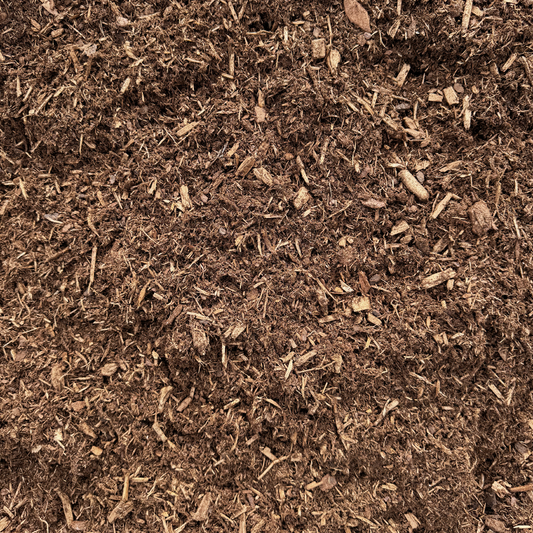
A bumpy Quincy lawn — Wollaston, Squantum, Houghs Neck, all the same story — is fixable in one weekend with a top-dress mix of 60% screened loam, 25% mason sand, 15% compost, applied at half an inch maximum depth over the lumpy zones. Work the mix down with a push broom, overseed, water for two weeks. Skip leveling deeper than half an inch in one pass — you'll smother the grass. Most Quincy lawns need 1 cubic yard of mix per 1,000 sq ft. Below: the full Saturday-Sunday schedule.
Why Quincy Lawns Get Lumpy
Three causes dominate. Frost heave in clay soils between Wollaston Beach and Quincy Center every winter. Worm castings building up in healthy organic-matter-rich lawns over years. Settling over old utility trenches and removed tree stumps — common in older Quincy neighborhoods where the housing stock pre-dates 1950.
A bumpy lawn isn't a sign of bad lawn care. It's a sign of an established lawn that needs a top-dress reset every 4–7 years. The UMass Turf Program classifies this as standard maintenance.
What You're Aiming For
Half an inch of fresh material spread across the existing turf, worked down between the grass blades, with the high points of the original turf still visible. You are not burying the lawn. Leveling deeper than half an inch in one pass smothers the existing grass and turns into a reseed job — see How to Reseed a Bare Spot Where the Snow Plow Tore Out a Medford Lawn for the heavy-damage playbook.
For lumps deeper than 2 inches, plan a second leveling pass 8 weeks later. Fix in stages, not in one heroic weekend.
Materials and Tools
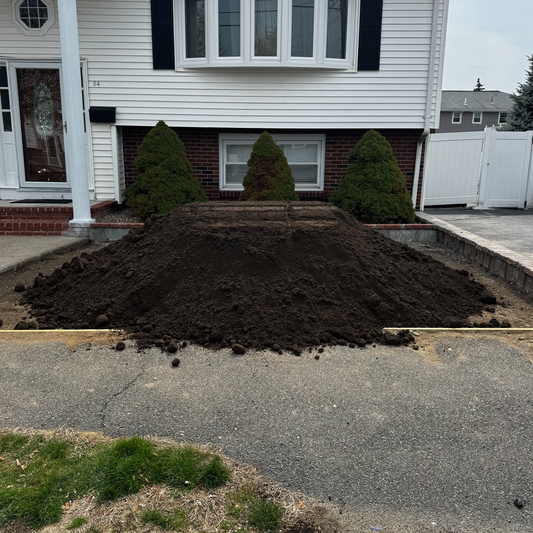
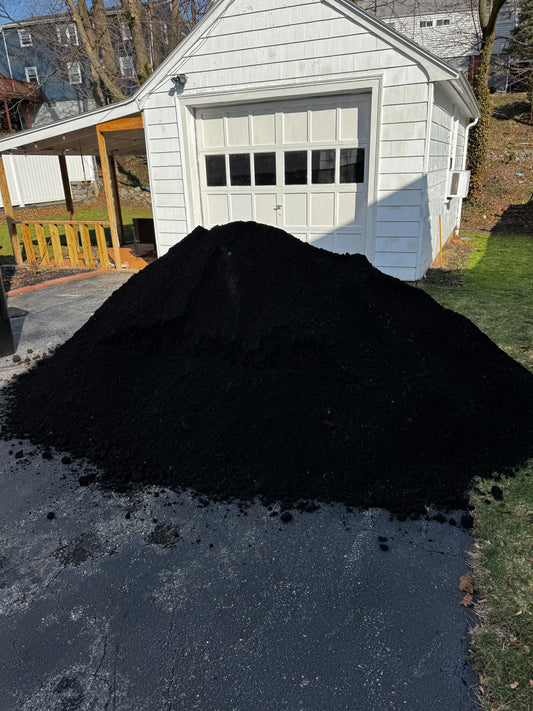
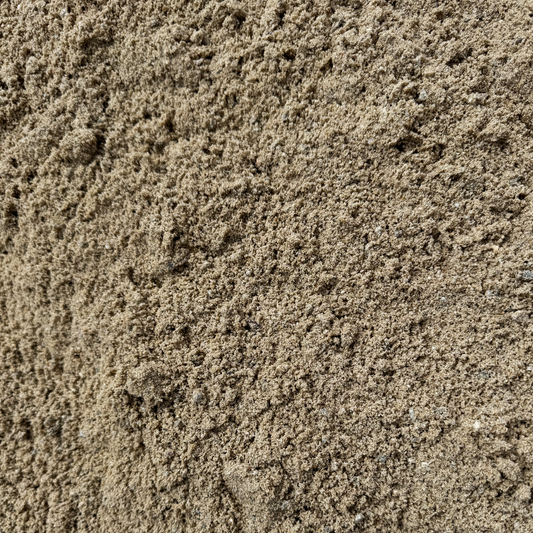
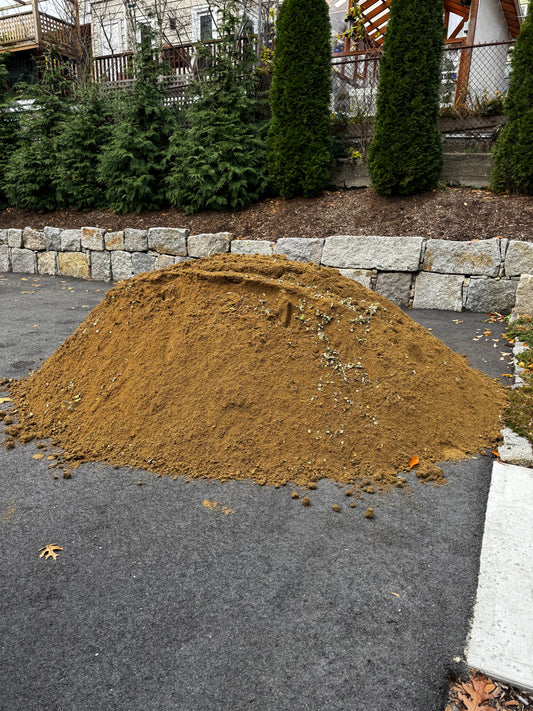
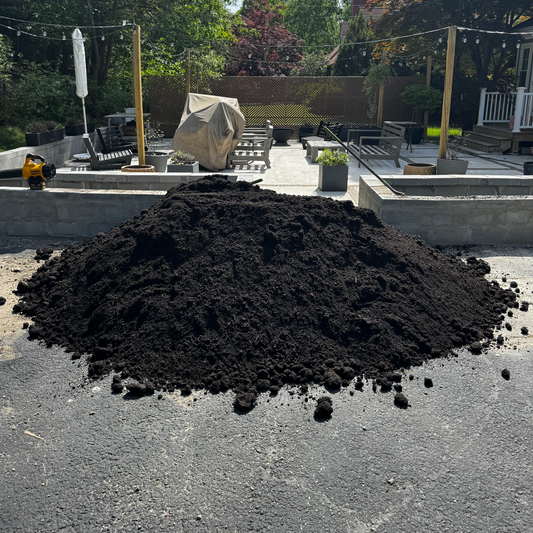
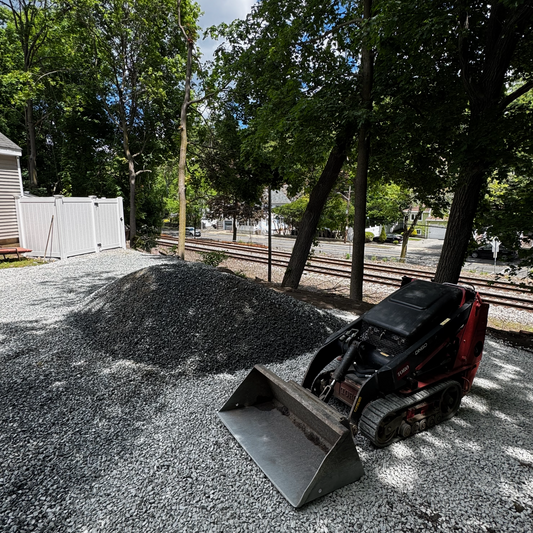
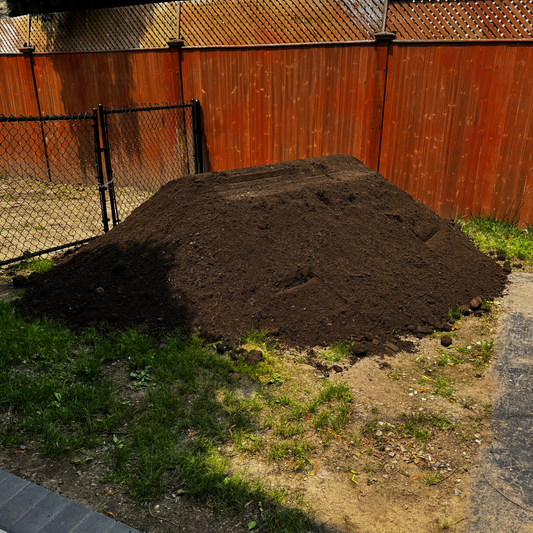
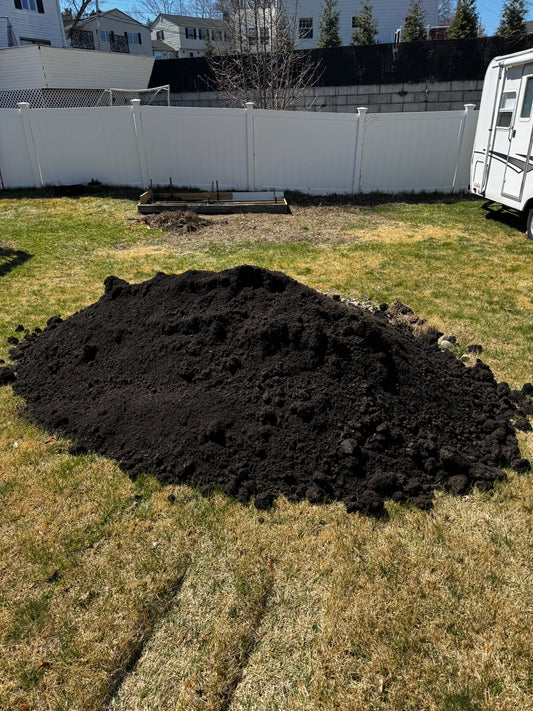
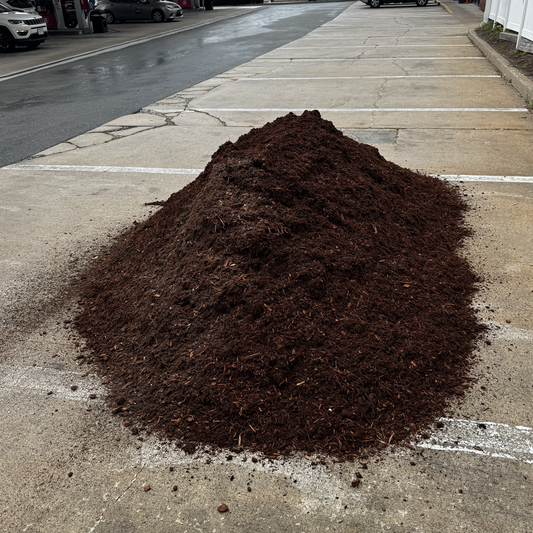
- Top-dress mix: 60% screened loam, 25% mason sand, 15% compost. Order pre-blended through the Lawn Leveling & Repair collection — Ottr stocks a Quincy-area-tested mix at the right ratios. For a 1,500 sq ft lumpy zone, that's about 1.5 cubic yards.
- Cool-season grass seed: Kentucky bluegrass + fine fescue blend matched to the existing Quincy turf type
- Wheelbarrow, push broom, 36" landscape rake, drop spreader
- Optional but useful: garden flags to mark low spots before you start
The Saturday-Sunday Schedule
Saturday Morning — Prep
1. Mow short. Drop the deck to 2 inches and mow the leveling zone. Rake out thatch and debris.
2. Walk the lawn with garden flags. Mark every low spot and bump. Step on them; if your foot disappears more than half an inch, flag it.
3. Aerate (optional but recommended). A core aerator pass before leveling lets the new mix incorporate into the soil instead of sitting on top. The technique pairs with How to Dethatch and Aerate a Tired Newton Lawn.
Saturday Afternoon — Apply
4. Receive the loam delivery. Quincy delivery on the Lawn Leveling & Repair mix is typically same-week from order — see the Quincy Landscape Supply page for current scheduling.
5. Mix in the wheelbarrow if you got components separately. Skip if you ordered the pre-blended mix.
6. Top-dress. Shovel small piles across the lawn, then spread with the back of a landscape rake to half an inch deep maximum. Heavier in the marked low spots; barely a dusting on the high points.
7. Work the mix down. Push broom or landscape rake (teeth up). Drag across the lawn to work the loam down between the grass blades. The goal: when you finish, you can still see the existing grass blades poking through the new soil.
Sunday Morning — Seed
8. Overseed. Use a drop spreader at half the new-lawn rate (about 2 lbs per 1,000 sq ft for a Kentucky blue/fescue blend). You're filling, not establishing.
9. Light rake. Rake gently to drop seed-soil contact.
10. First watering. Quarter-inch of water. Mist setting on the hose, not a soaker.
Sunday Evening — Set Up the Watering
11. Soaker hose or sprinkler. Quarter-inch of water daily for the next 14 days, ideally morning. Skip days when nature drops more than 0.25" of rain.
What to Expect Week by Week
- Week 1: Mix darkens with moisture. Existing grass keeps growing through.
- Week 2: New seed germinates (5–10 days for Kentucky bluegrass).
- Week 3: New grass at 1" tall. Existing turf starting to thicken.
- Week 4: First mow at 3.5" deck setting. Lawn reads even.
- Week 8: Lawn fully integrated. Bumps gone unless they were 2"+ — those need a second pass.
Where to Source Materials in Quincy
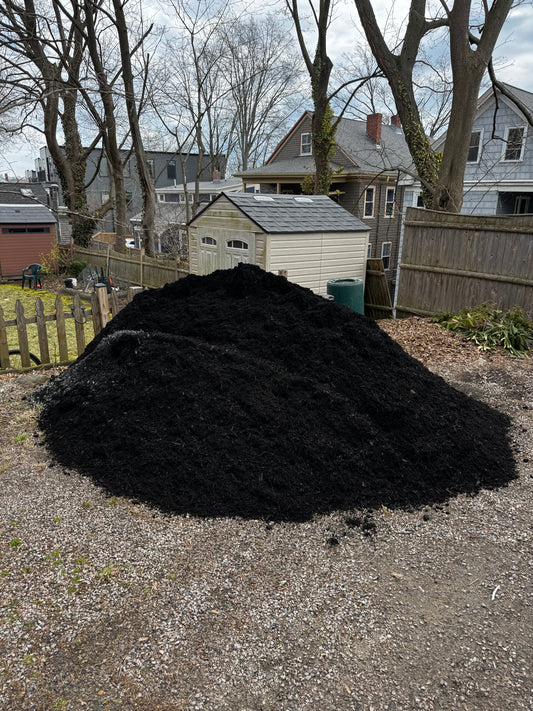
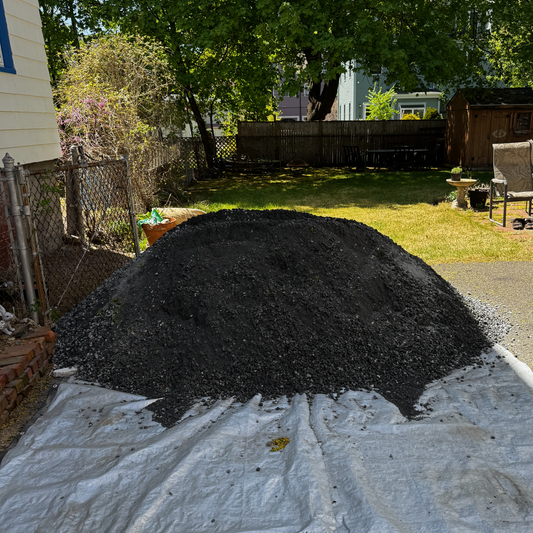
The pre-blended top-dress mix lives in Lawn Leveling & Repair. For separate ordering of components — bulk screened loam, mason sand, and compost — the Topsoil vs Loam vs Compost guide for Plymouth County gardeners walks through which to use where. For Quincy delivery scheduling on small loads, the Quincy Landscape Supply page has same-week availability through April.
For deeper turfgrass background, UMass Turf and Cornell Turfgrass cover MA-specific cool-season management and leveling intervals.