Quick Answer
Five hardy-mum care tips for Norfolk County front steps (Brookline, Newton, Wellesley, Needham, Dedham, Quincy): buy true hardy garden mums (not florist mums), plant by September 15 — not October, water deeply twice a week through November, mulch the root zone with 3 inches of pine bark right after planting, and pinch back stems to 6 inches in late May next year for fuller blooms. Done right, hardy mums come back as a perennial. Done wrong, they're a $20 annual that goes in the compost.
Hardy Mums vs. Florist Mums — Why It Matters
Most "fall mums" sold at grocery stores and big-box garden centers in September are florist mums (Chrysanthemum × morifolium) bred for flower display, not winter hardiness. They look stunning in a 12-inch pot on the front step in October. They die in February.
Hardy garden mums (Chrysanthemum × rubellum, or "Mammoth™" series) are bred for cold tolerance. Plant them in the ground by September 15 — not later — and they overwinter, returning the following fall as a perennial. The label or tag should say "hardy garden mum" or "winter-hardy."
For a related Newton perennial Q&A that covers other fall-planting choices, see Is Fall a Good Time to Plant Perennials in Newton?.
1. Buy Hardy, Not Florist (Plant by September 15)
Don't wait until October. Hardy mums need at least 6 weeks before frost to root in. Norfolk County first frost averages October 28–November 4 in Brookline and Newton, slightly earlier inland in Dedham and Wrentham. Counting backwards: plant by September 15.
When buying, look for the "hardy garden mum" label. If the tag just says "mum" or "Chrysanthemum," it's likely florist-grade. The Mammoth™ series (Mammoth™ Lavender Daisy, Mammoth™ Coral Daisy) is widely sold and reliably hardy in Norfolk County.
2. Plant in the Ground, Not in the Pot
Mums sold in plastic pots have shallow root systems. Leaving them in the pot through winter dooms them — the root ball freezes solid. Transplant into the ground by September 15. Dig a hole 1.5x the pot width, same depth as the root ball. Backfill with a 50/50 mix of native soil and compost.
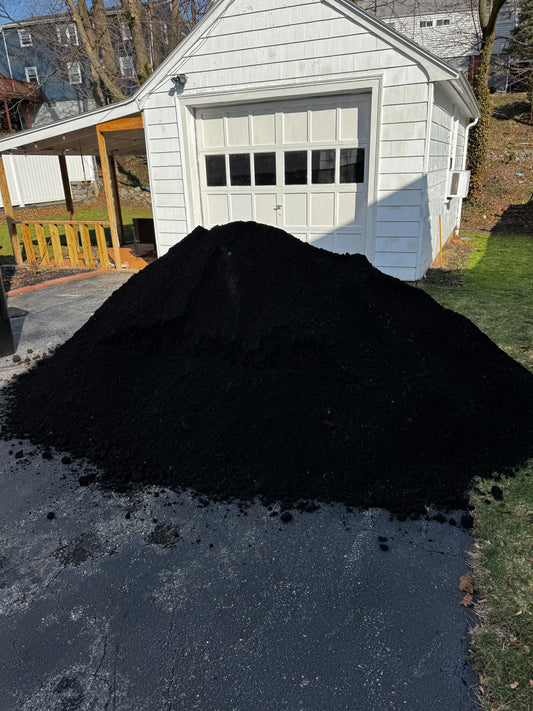
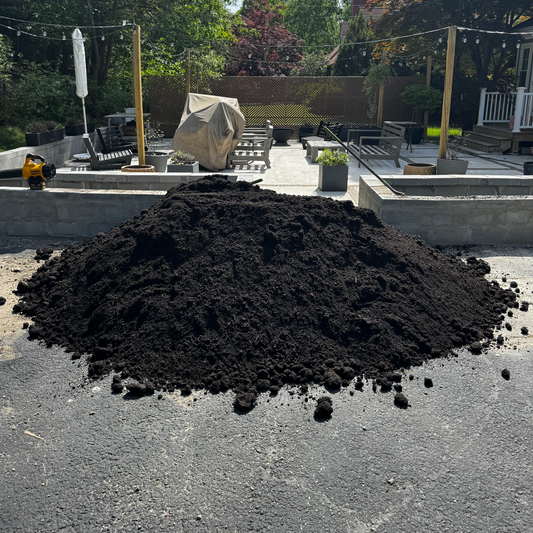
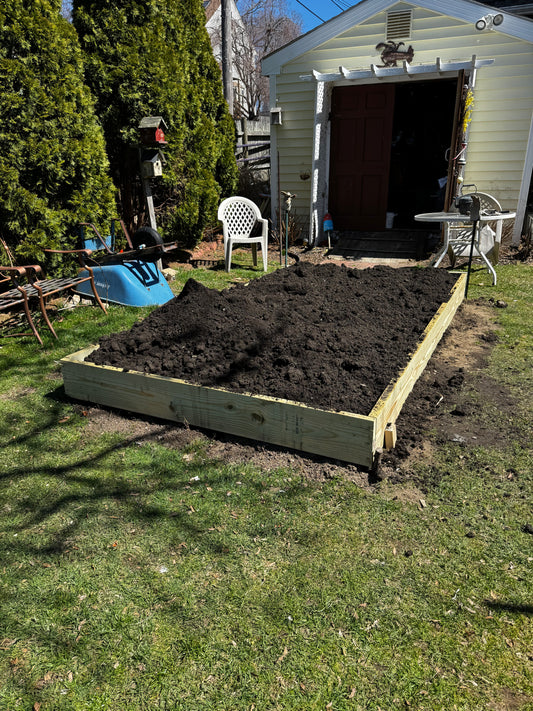
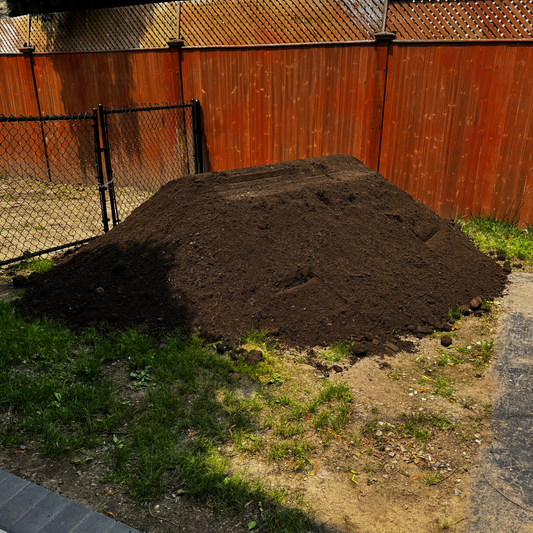
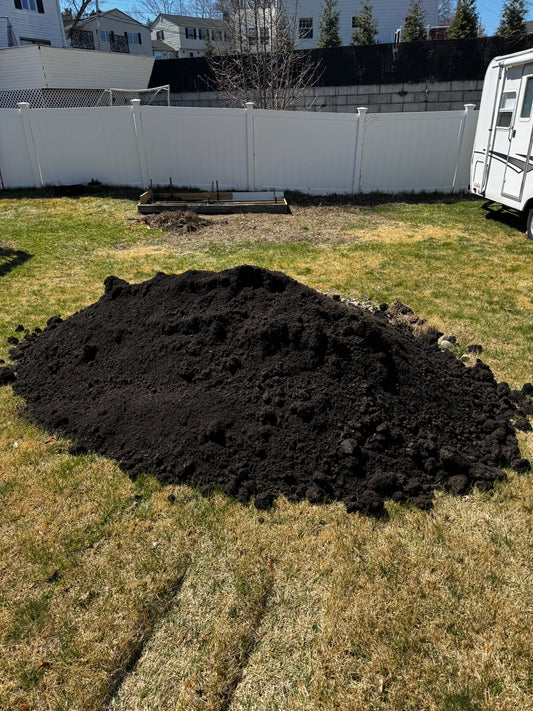
For raised front-step beds, the raised garden bed materials collection has the Garden Soil Mix and Compost that work for mum planting.
3. Water Deeply Twice a Week Through November
Front-step beds dry out faster than open garden beds — they catch wind, see reflected heat from siding, and often have root competition from foundation shrubs. Water deeply (long, slow soak that wets 6 inches down) twice a week through November, then stop after first hard freeze.
Don't water from above on cool fall days — wet foliage in 50°F overnight temps invites powdery mildew.
4. Mulch 3 Inches with Pine Bark
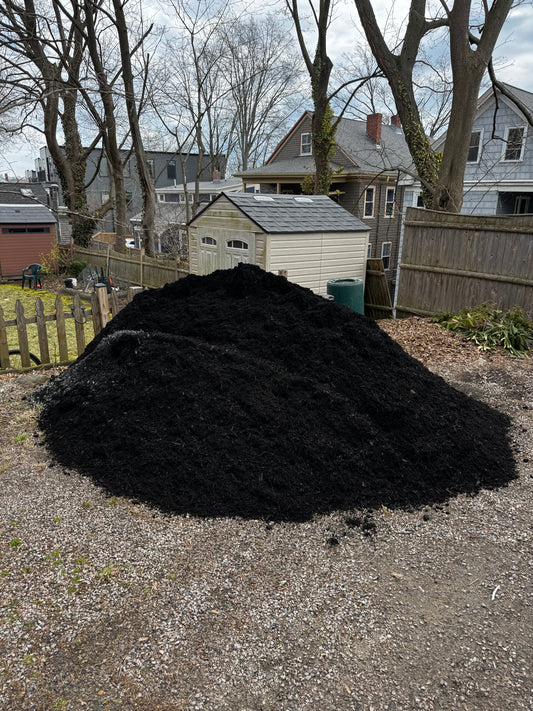
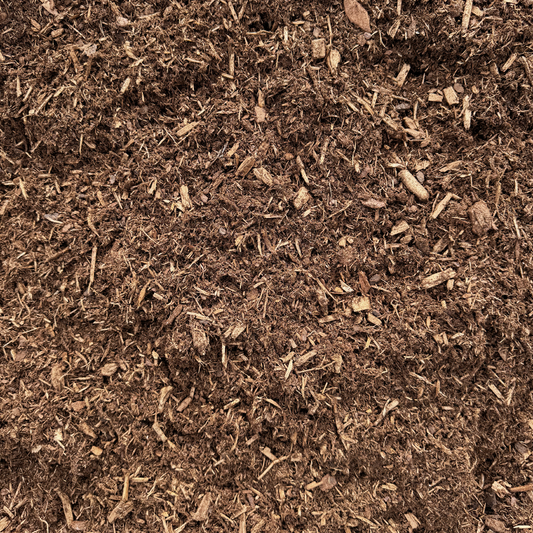
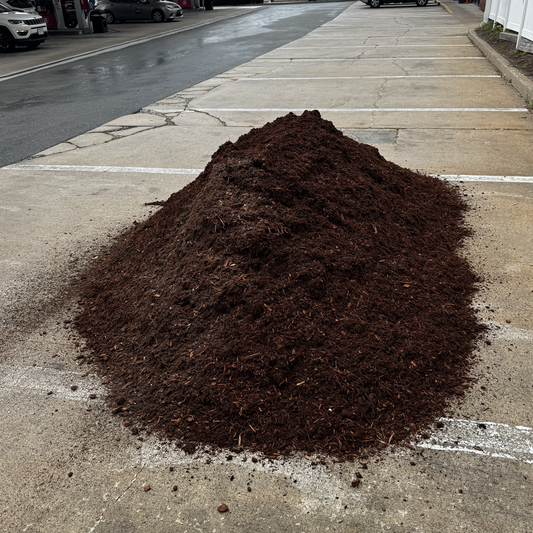
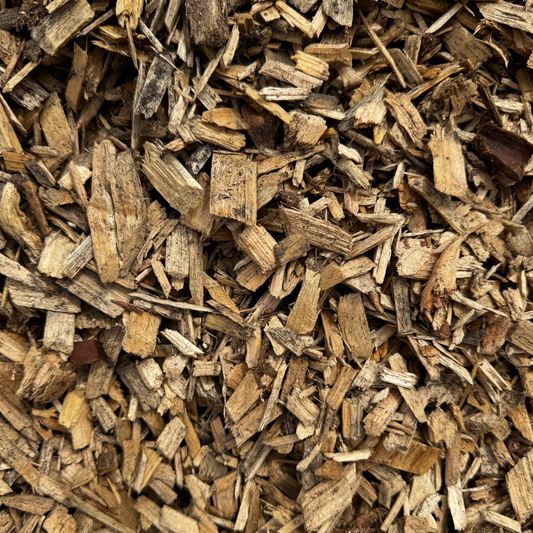
Right after planting, mulch with 3 inches of pine bark mulch around the plant. Keep mulch 2 inches away from the stem — piling against the stem causes rot. The mulch insulates the root zone, holds moisture, and prevents frost-heave.
Pine bark from the mulch collection is the right pick — it weathers slower than hardwood mulch and holds its color longer through winter. For Brookline, Newton, and Wellesley addresses the mulch bed refresh collection shows pricing.
5. Pinch Back in Late May for Fuller Blooms
This tip pays dividends next fall. In late May, when new growth reaches 6 inches, pinch (or cut with sharp scissors) the top 2 inches off every stem. Do it again in late June. The plant branches at every cut, building a much fuller, denser plant for the September show.
Stop pinching by July 4 — pinching after that delays bloom past first frost.
Common Norfolk County Mistakes
- Buying mums already in full bloom in October — they're florist-grade, not winter-hardy, and there's no time to root in
- Leaving them in decorative pots — frozen pot = frozen roots = dead plant
- Late mulching — mulch must go down at planting, not after
- Skipping the May pinch — works once, then you have leggy plants
For the related fall-color top-5, see Top 5 Fall Color Plants for Plymouth County Yards — same growing region, slightly different soil. For overseed work that often happens the same weekend, How to Overseed an MA Lawn the Right Way in Fall.
What This Means for You
A real hardy mum, planted by September 15, mulched 3 inches deep, watered twice weekly through November, and pinched back in late May, comes back year after year. The UMass Extension Landscape program has the authoritative guidance on cold-hardy ornamental selection for the Boston area. Order Garden Soil Mix and pine bark mulch through the raised garden bed materials collection for Brookline, Newton, Wellesley, and the rest of Norfolk County.