Quick Answer
Yes — fall is the best time to plant perennials in Newton. From mid-September through mid-October, Newton soils are still warm (60–65°F) while air temperatures cool, which encourages root growth without forcing top growth. Newly planted perennials root in for 4–6 weeks before ground freeze (typically mid-November), come back stronger in spring, and skip the transplant shock that kills late-spring plantings during the first hot week of June. The window: September 15 to October 20. After that, plant only if the next 14 days show daytime highs above 50°F.
Why Newton's Soils Favor Fall Planting
Newton's "Garden City" reputation isn't accidental. The soils — a mix of glacial-till loam and historically-amended urban garden soil — hold moisture well into fall, and the city's mature canopy moderates temperature extremes. Perennials planted in mid-September face roughly 6 weeks of root-friendly conditions before dormancy: warm soil, cool air, regular rain, no hot wind to dry foliage.
For the related Cape Cod variation on this same window, see Is Fall a Good Time to Plant Perennials in Cohasset?.
Q: How late can I plant perennials in Newton?
A: October 20 is the practical cutoff for most perennials. After that date, soil temperatures are dropping fast and roots have less time to establish before freeze. Container-grown perennials with already-developed root balls can extend to early November; bare-root plants should be in the ground by October 15.
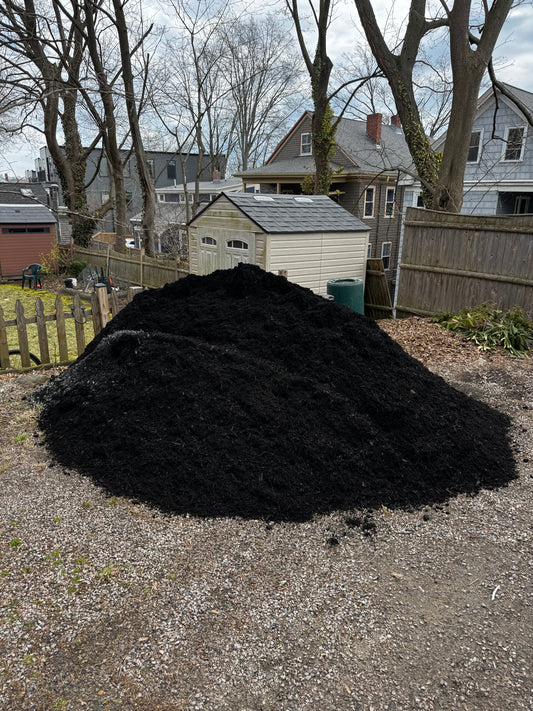
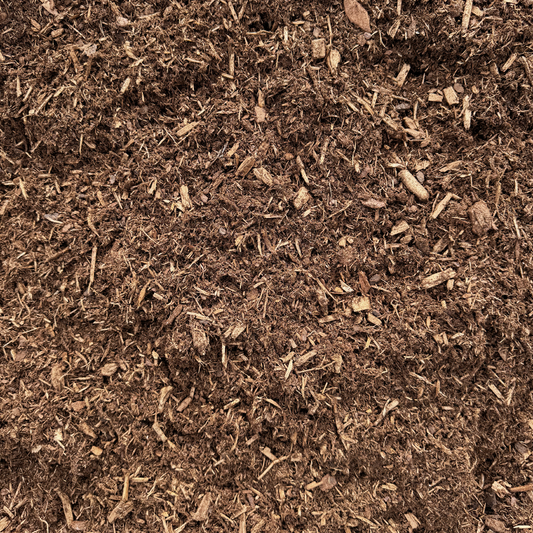
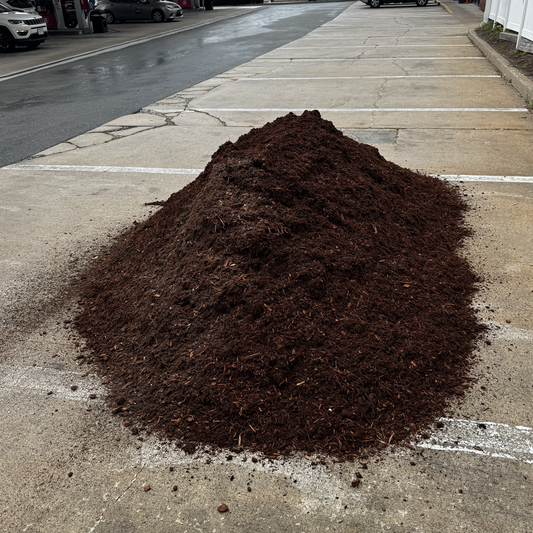
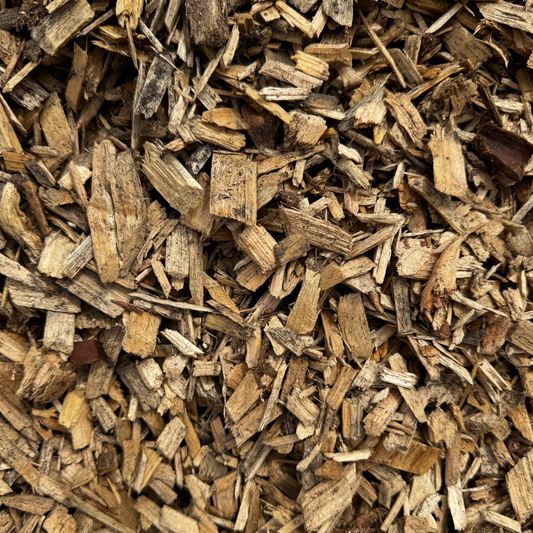
If you find yourself planting late (after October 25), apply 3 inches of mulch right after planting — the mulch bed refresh collection shows hemlock and pine bark options that insulate the root zone through winter.
Q: What perennials work best for Newton fall planting?
A: Native and well-naturalized perennials. Top picks for Newton in fall: - New England aster (Symphyotrichum novae-angliae) — purple bloom into October, native, supports late pollinators - Black-eyed Susan (Rudbeckia fulgida) — establishes well from fall planting, blooms next August - Russian sage (Perovskia atriplicifolia) — drought-tough once established - Sedum 'Autumn Joy' — fall bloom plus stunning winter structure - Coral bells (Heuchera) — Newton's shaded yards favor these
The Native Plant Trust database has authoritative guidance on regional natives for the Boston area.
Q: Should I amend the soil before planting?
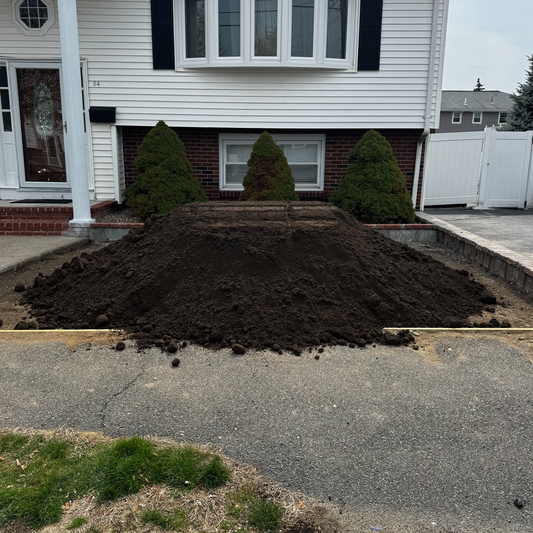
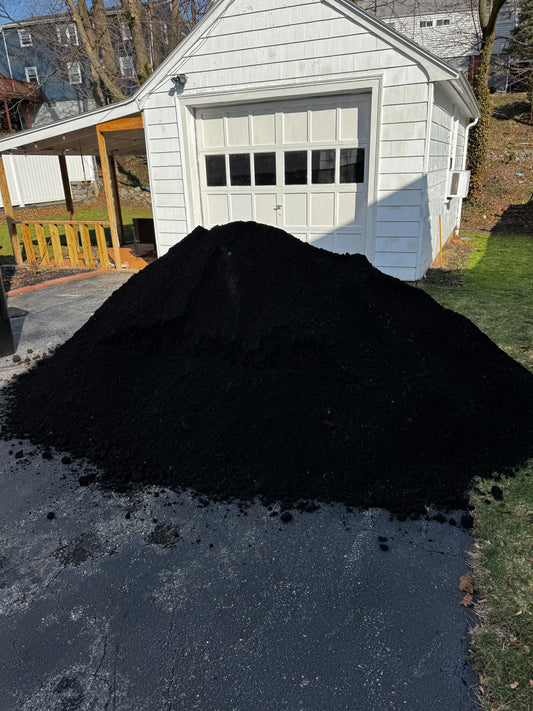
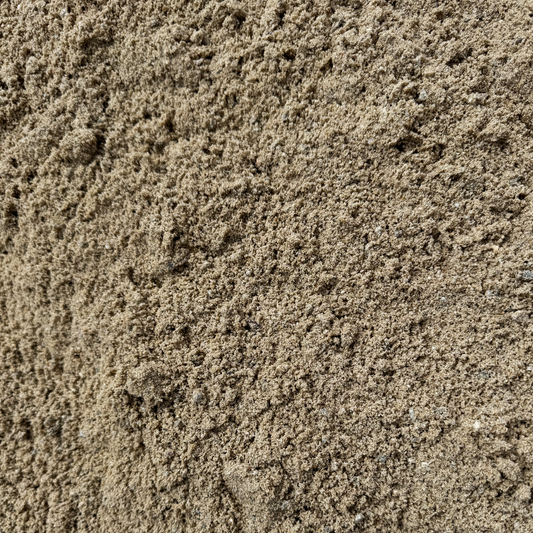
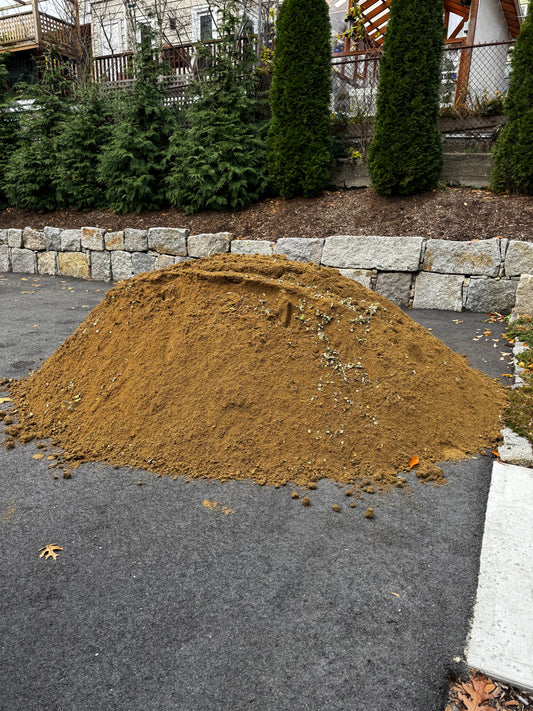
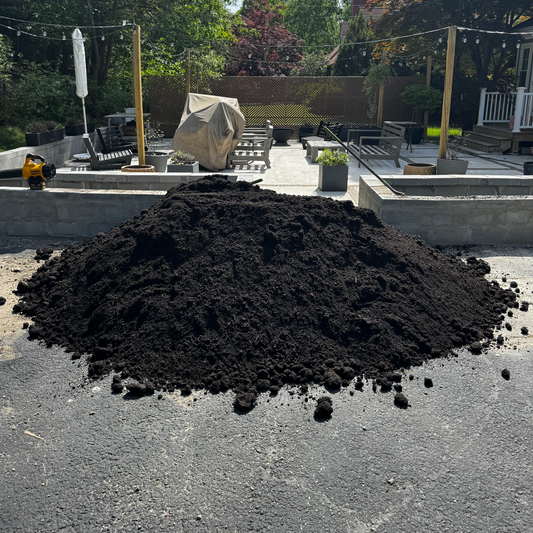
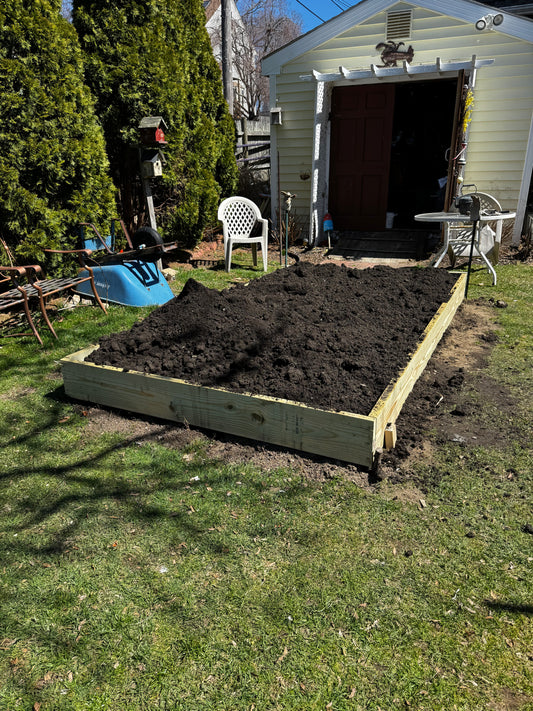
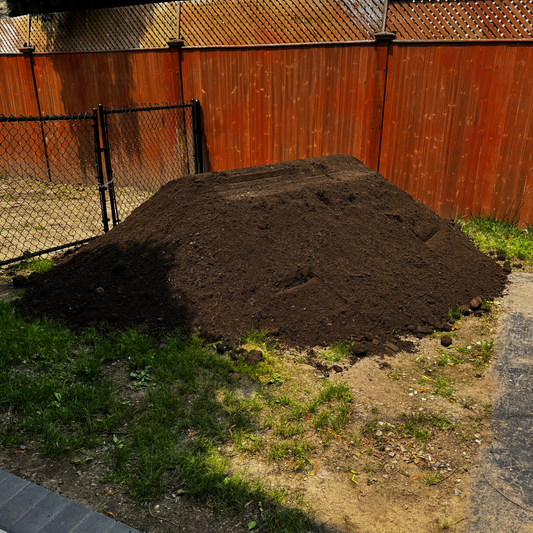
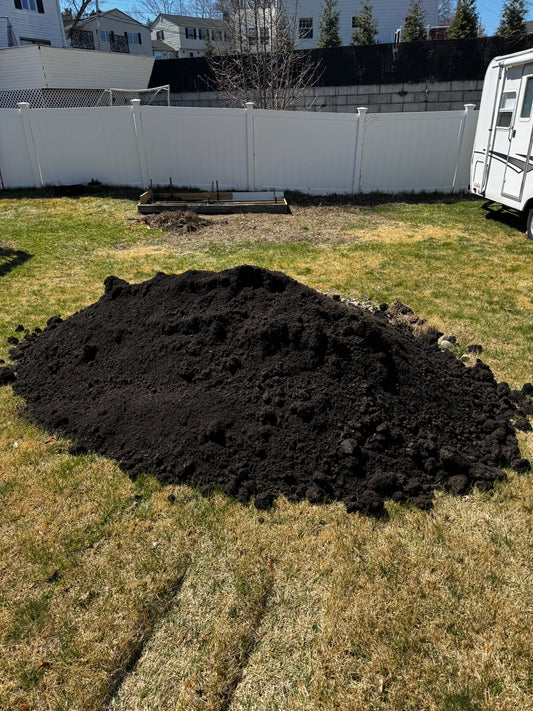
A: Yes, but lightly. Newton's heavier loam benefits from a 50/50 blend of screened loam and compost in the planting hole — not the whole bed. Mix the amendment into the bottom 6 inches of the hole; don't create a "soft pocket" that holds water and rots roots. Order Topsoil Loam ½" Screened or Garden Soil Mix through the plant establishment & tree planting collection.
Q: How much should I water newly planted perennials?
A: Deeply once a week through November. A long, slow soak that wets 6 inches deep beats daily light watering. Set a hose to a slow drip at the root zone for 30 minutes per plant. Stop watering after the first hard freeze.
Q: Do I need to mulch right after planting?
A: Yes — 2 to 3 inches. Mulch insulates the root zone, holds moisture, and prevents frost-heave (the freeze-thaw cycle that pushes new plants out of the ground). Hemlock or pine bark mulch from the mulch bed refresh collection is the right pick for Newton — it ages to a natural brown that blends with mature beds. Keep mulch 2 inches away from plant stems.
Q: Will deer eat my newly planted perennials?
A: Yes, especially in November and December. Newton's deer pressure (highest in Newton Highlands, Newton Lower Falls, and along the Charles) hits hardest in late fall when natural forage runs out. Choose deer-resistant species (Russian sage, Heuchera, sedum, asters are all medium-to-strong) and consider deer-repellent spray for the first month after planting.
Q: Can I divide perennials in fall?
A: Yes, and fall is often better than spring. Spring-blooming perennials (peonies, iris, daylilies) divide best in early September. Summer-blooming perennials (asters, sedum, coneflower) divide best in early spring or early fall. Newton's fall window is generous: dig, divide, replant within 24 hours, water deeply.
Q: What about hardy mums — are they really hardy?
A: Most florist mums sold in fall are not winter-hardy in MA. They're bred for flower display, not root cold tolerance. For Newton yards that want mums to come back, look for "hardy garden mums" or "Mammoth™" series, plant by September 15 (not October), and mulch heavily. For the full mum care playbook, see 5 Hardy Mum Care Tips for Norfolk County Front Steps.
Q: Does Ottr stock the soil and mulch I need?
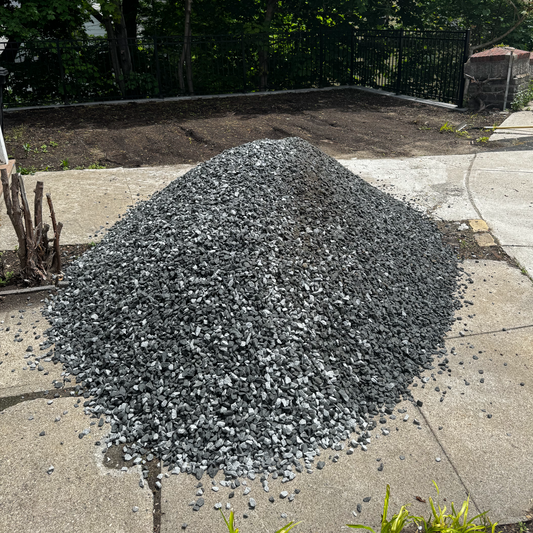
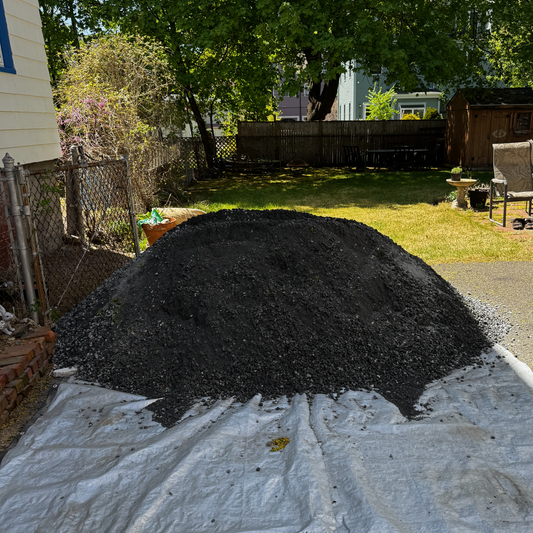
A: Yes. Browse the Newton landscape supply routes for delivery, or the full plant establishment & tree planting collection for products. Topsoil Loam ½" Screened, Garden Soil Mix, and Compost are all available by the cubic yard.
For the related fall lawn calendar that runs alongside perennial planting, see How to Schedule Fall Lawn Care in Bristol County.
The Newton Fall Planting Playbook
- September 12–15: Walk beds, mark gaps, order plants and bulk soil.
- September 15–October 5: Plant — dig holes 1.5x root ball width, amend lightly, set at original depth.
- October 5–20: Water deeply once a week. Mulch 2–3 inches.
- October 20–November 1: Mulch any late additions. Mark fragile species with garden flags so you don't step on dormant crowns.
- November 5+: Last deep watering before freeze. Done.
The short version: fall in Newton is the perennials window. Soils are warm, air is cool, rain is reliable. The Newton-specific advantage — mature canopy, glacial loam, garden-city soil history — makes mid-September through mid-October the single best planting window of the year.