Quick Answer
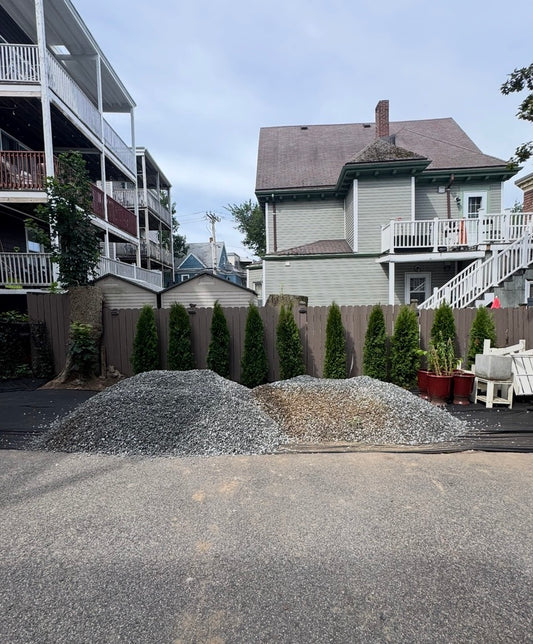
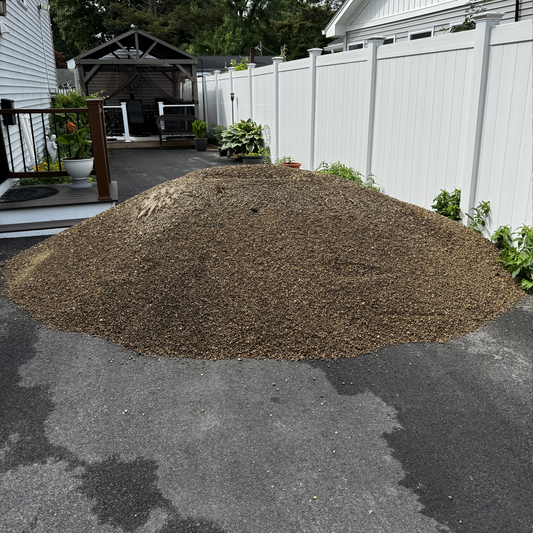
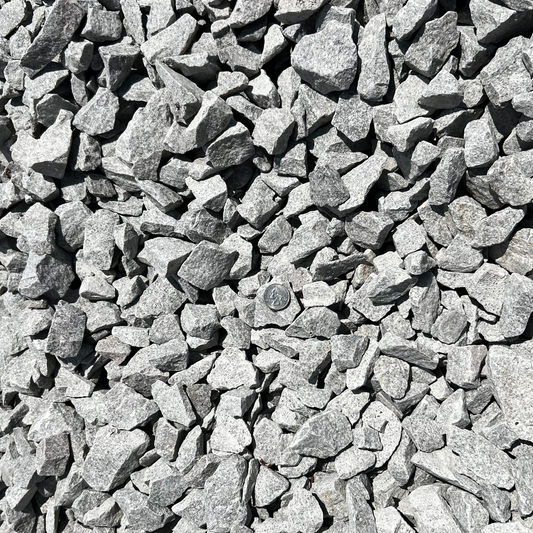
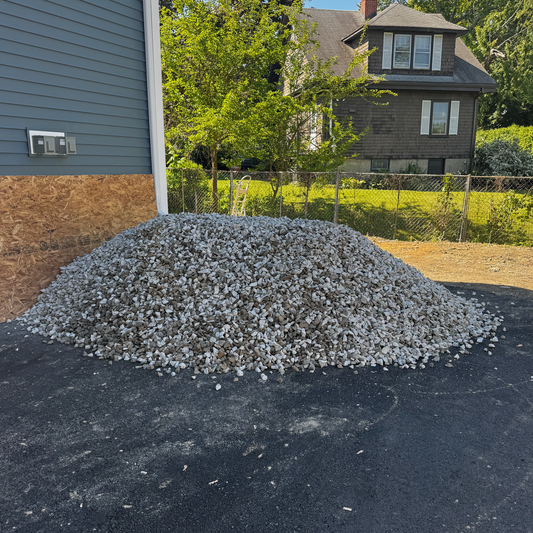
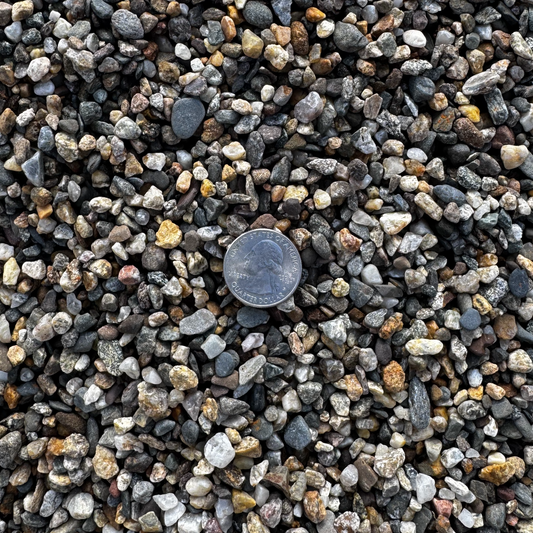
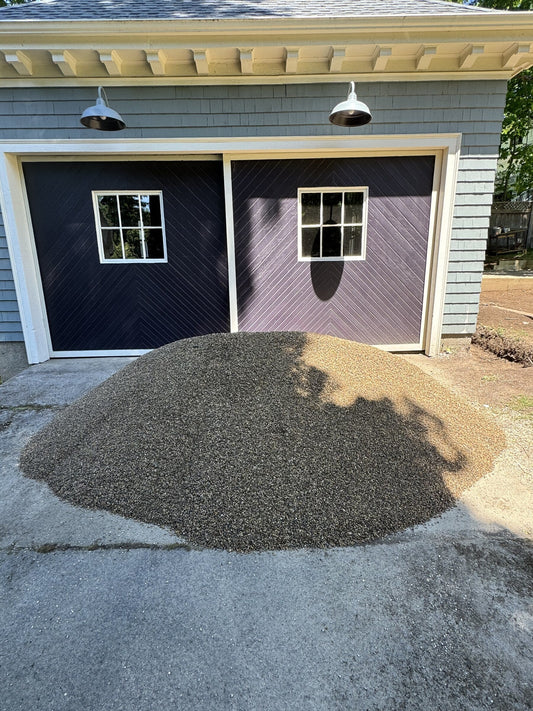
To build a 20-foot dry river bed in a Waltham backyard, excavate a 30-inch-wide × 8-inch-deep meandering channel, line with woven landscape fabric, and layer Riverbed Rock ¾" (1.5 yd) plus Riverbed Rock 1.5" (0.5 yd) plus Creek Rock 2"-3" (0.75 yd) for visual variation. The total bulk-stone load is 2.75 cubic yards, the build takes 5 hours, and the bed handles a 1.5-inch hour of rain without overtopping.
Why Waltham Yards Need Dry River Beds
Waltham's hillside lots, especially through Lakeview and the Beaver Brook neighborhoods, channel runoff downhill in ways that erode lawn and beds. A dry river bed converts that runoff into a designed feature — slowing water, infiltrating it, and looking deliberate instead of accidental.
The EPA Stormwater Management guidance promotes dry river beds as one of the highest-value low-impact development features for residential MA properties. The UMass Extension Landscape program treats them as the right answer for slopes between 2 and 8 percent.
Browse the French drain & drainage collection for the bulk stone.
What You Need
For a 20-foot meandering bed averaging 30 inches wide:
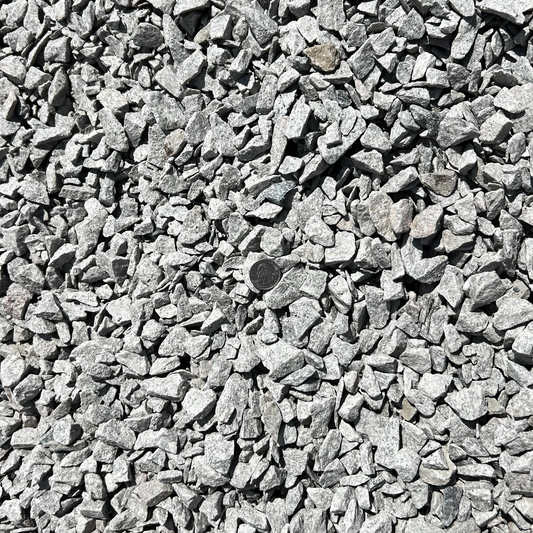
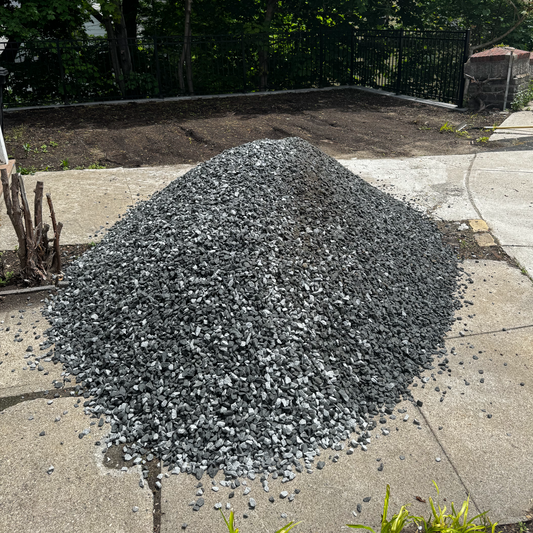
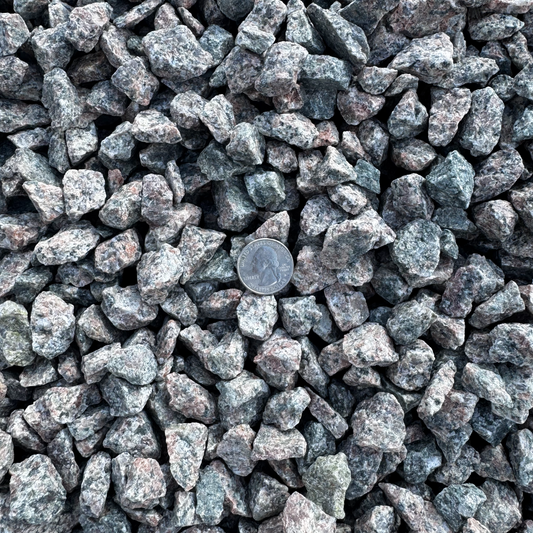
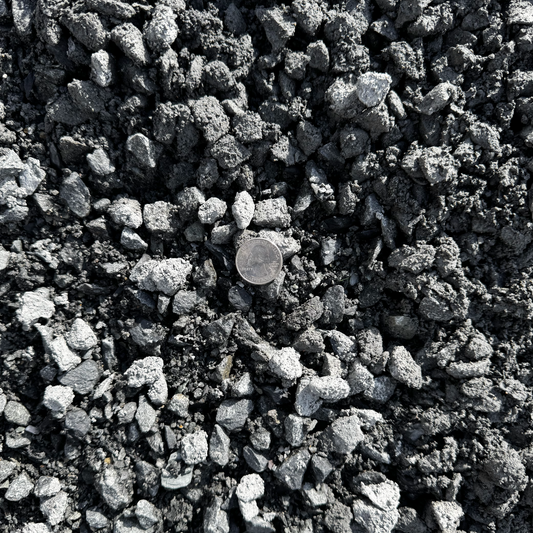
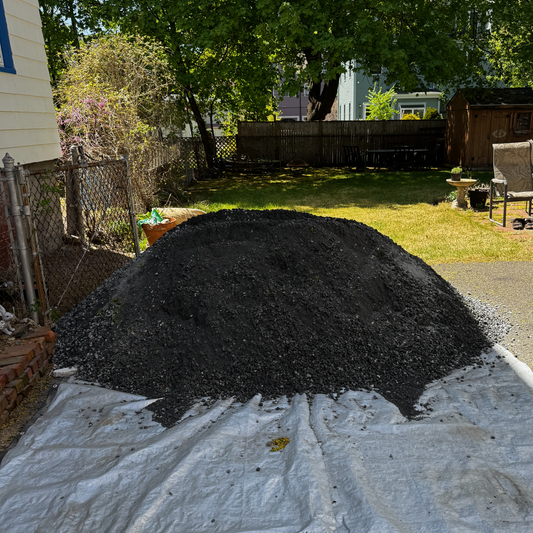
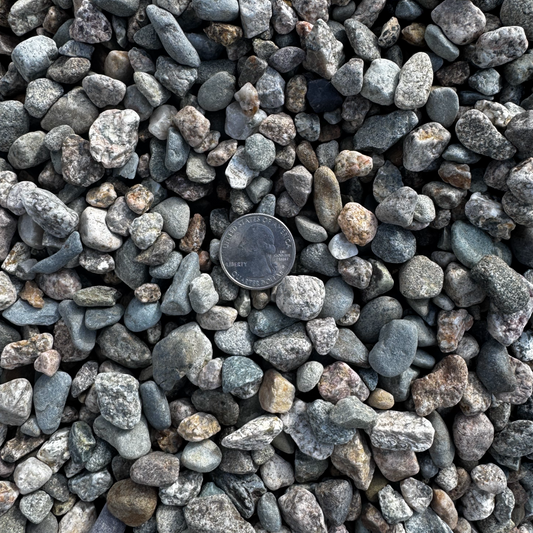
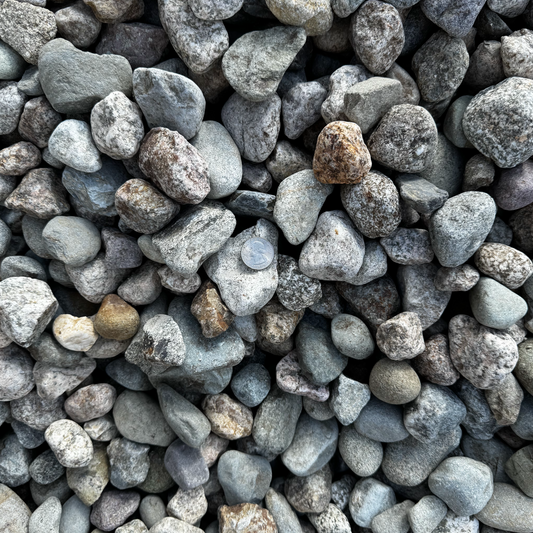
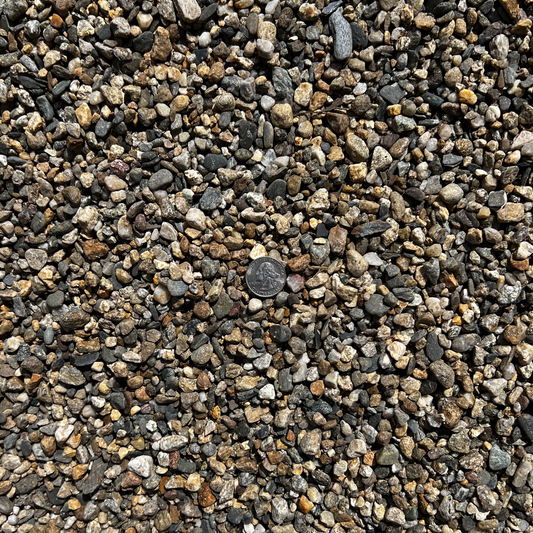
- 1.5 cubic yards Riverbed Rock ¾" — base layer, 4 inches deep
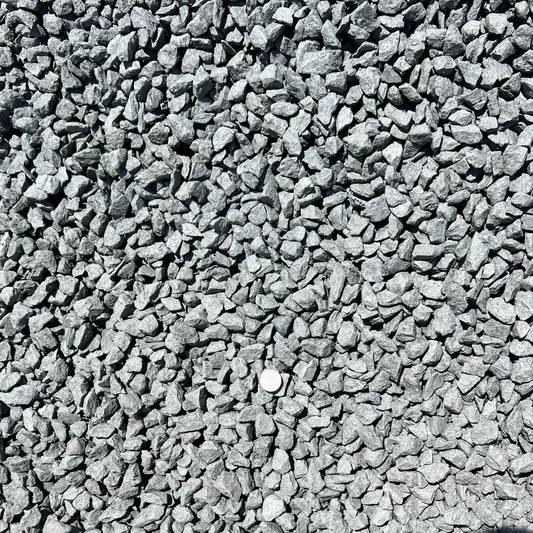
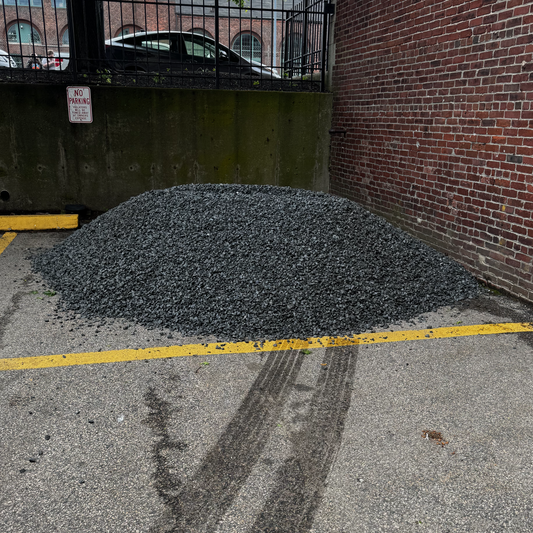
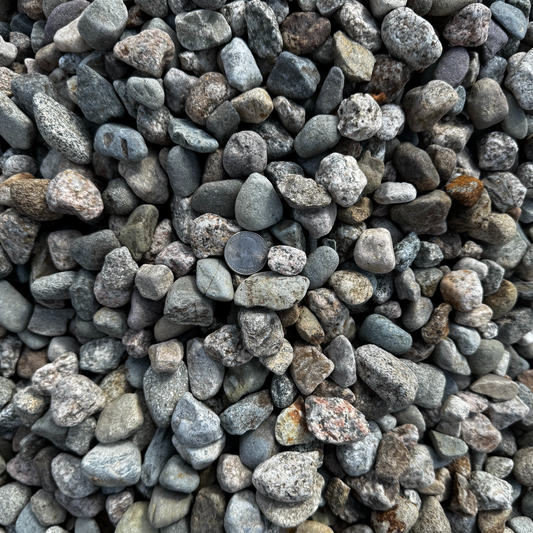
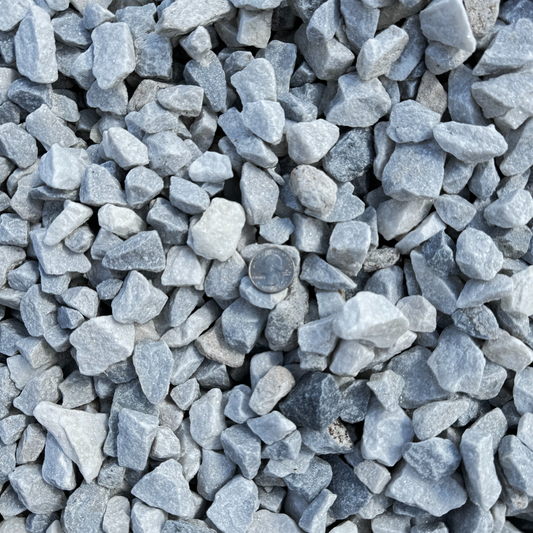
- 0.5 cubic yards Riverbed Rock 1.5" — mid-size accent
- 0.75 cubic yards Creek Rock 2"-3" — visual focal stones
- 40 sq ft woven landscape fabric
Tools
Flat shovel, mattock, wheelbarrow, garden hose for layout, marking paint, work gloves.
Step 1: Walk the Watershed (15 minutes)
Before laying out the bed, watch the next rainstorm. Note where water enters the yard, where it pools, and where it eventually exits. The dry river bed mimics that natural path. For Waltham hillside lots, the inflow is usually a downspout or a low spot at the base of a slope; the outflow is a back lawn or a planted swale.
For the watershed-level diagnostic, see the 5 Drainage Stone Mistakes Cape Cod Homeowners Make read — same logic, different geography.
Step 2: Lay Out the Channel (20 minutes)
Use a garden hose to mark the meandering shape — soft curves, never tight angles. The bed should narrow at high points (forces water to speed up over visible features) and widen at low points (slows water for infiltration). Mark both edges with marking paint.
Step 3: Excavate 8 Inches Deep (90 minutes)
Dig the full channel 8 inches below grade. Stack the topsoil aside. The bottom should slope gently toward the outflow — 1 to 2 percent grade. Use a torpedo level on a long board to verify.
For tighter side-yard passages or projects through existing beds, see the upcoming What Stone Goes Under Cohasset Stepping Stones? read for related excavation work.
Step 4: Lay Woven Landscape Fabric (15 minutes)
Roll woven landscape fabric the full length of the channel. Overlap seams 6 inches. Pin at the edges with landscape staples every 3 feet. Skip non-woven fabric — it holds water and clogs.
Step 5: Place the Largest Stones First (45 minutes)
Position the Creek Rock 2"-3" focal stones first — the visible architecture of the bed. Place them in clusters at curves, at the outflow, and at any "rapids" where the bed narrows. Aim for 6 to 10 visible focal stones in a 20-foot bed.
Step 6: Add the Mid-Size Stones (30 minutes)
Tuck Riverbed Rock 1.5" around the focal stones. The mid-size layer fills the gaps and supports the larger stones without burying them. Don't bury the focal stones below their visual midpoint.
Step 7: Fill with Riverbed Rock ¾" (45 minutes)
Pour Riverbed Rock ¾" across the rest of the bed at 4 inches deep. Use the back of a rake to level. The smallest stone is the working drainage layer — it carries the water and locks the larger stones in place.
Step 8: Backfill the Edges (15 minutes)
Pack screened loam against the outside edge of the channel where it meets the lawn. Reseed any cut grass. The 2026 follow-up on the pea-vs-river decision in Norwell — the same stone families used here — is in the 2026 pea vs river Norwell Q&A.
Step 9: Test with the Hose (15 minutes)
Run a garden hose at full flow at the inflow point. Watch how water moves through the bed. If it overtops anywhere, you need to widen or deepen that section. If it pools and doesn't reach the outflow, your slope is too flat — re-grade.
What This Means for You
Five hours, 2.75 cubic yards of bulk stone, and a Waltham hillside back yard that handles its runoff instead of fighting it. Order through the Waltham landscape supply routes for next-day delivery. Pair with the upcoming What Stone Goes Under an MA Shed Foundation? Q&A on April 15 if a shed sits anywhere along the planned watershed.