Quick Answer
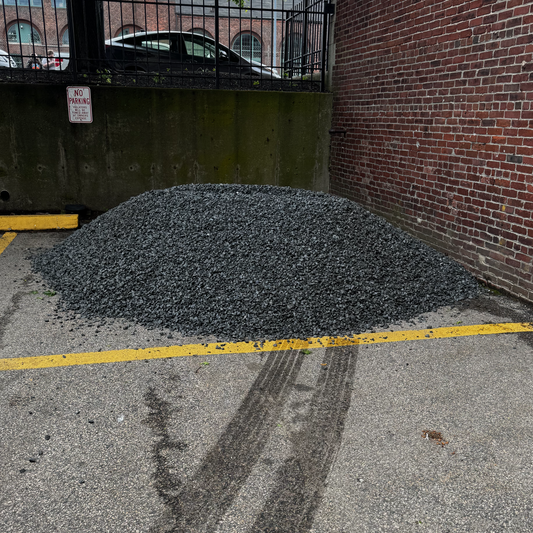
The five driveway base materials that perform across Bristol County — Fall River, New Bedford, Taunton, Attleboro, and the surrounding towns — are Dense Pack ¾" to minus, Crushed Concrete 1" to minus, Surge Stone, Gray Crushed Rock 1.5", and Blue Stone Dust as finish. Each handles a different layer of the driveway profile. A typical 600-square-foot residential driveway needs roughly 8 cubic yards Surge Stone, 4 yards Dense Pack, and 2 yards Blue Stone Dust for a fully compacted 10-inch base.
Why Bristol County Driveways Need Real Engineering
Bristol County soils run from the heavy clays of Taunton to the sandy outwash of Westport. A driveway built on either extreme without engineered base layers heaves, cracks, or sinks within 5 years. The ICPI hardscape standards treat the driveway as a layered system: subgrade compaction, sub-base stone, base stone, and finish course. Skip a layer and the driveway fails at that interface.
Browse the driveway construction & repair collection for the bulk materials below.
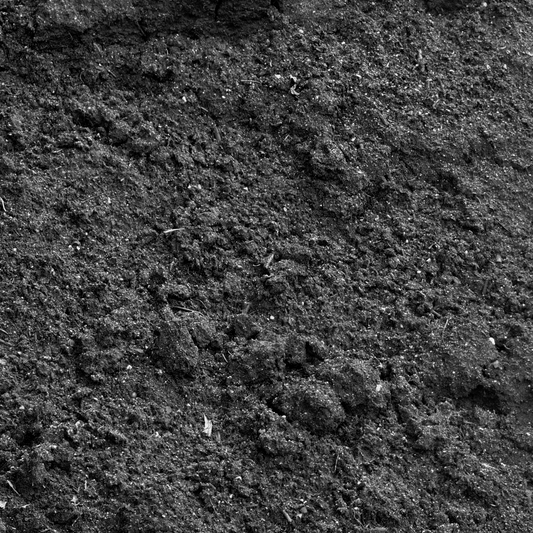
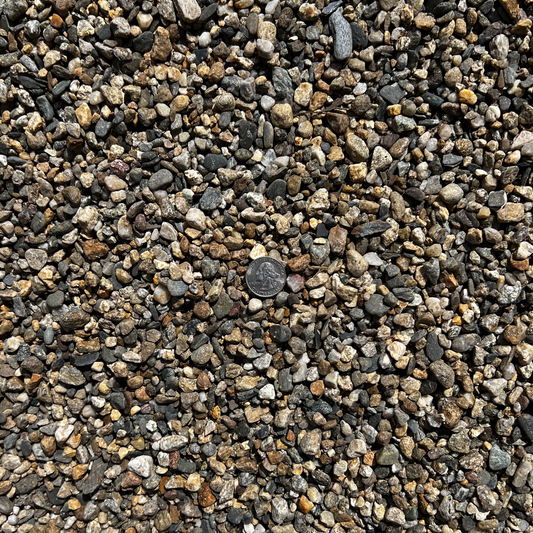
1. Dense Pack ¾" to minus — The Workhorse Base
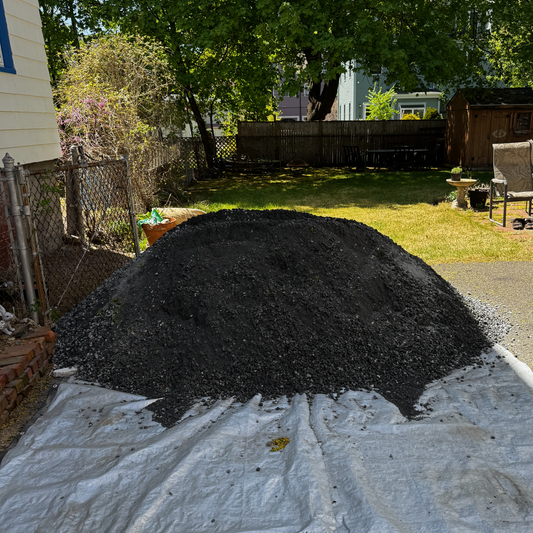
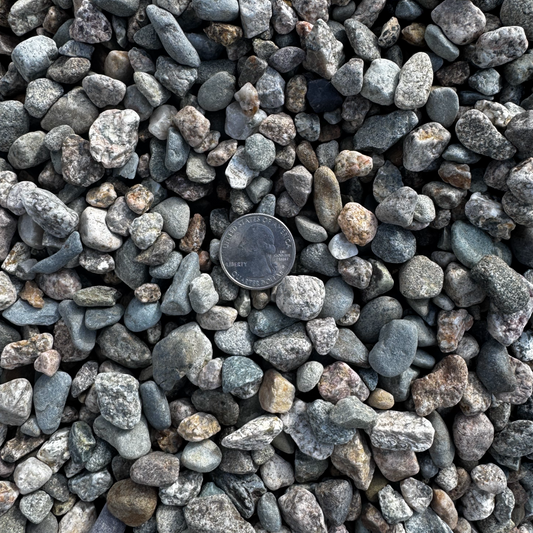
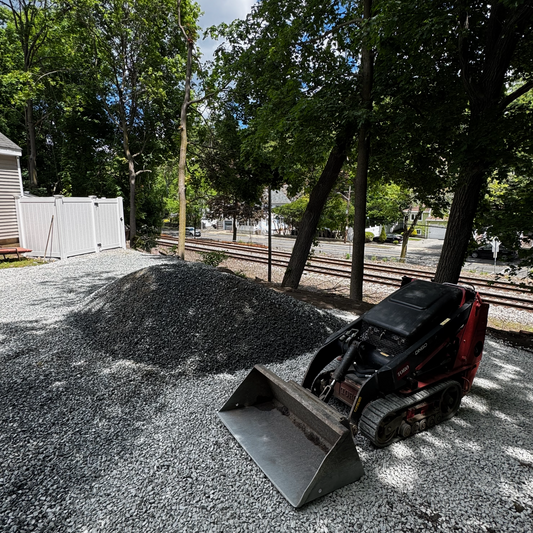
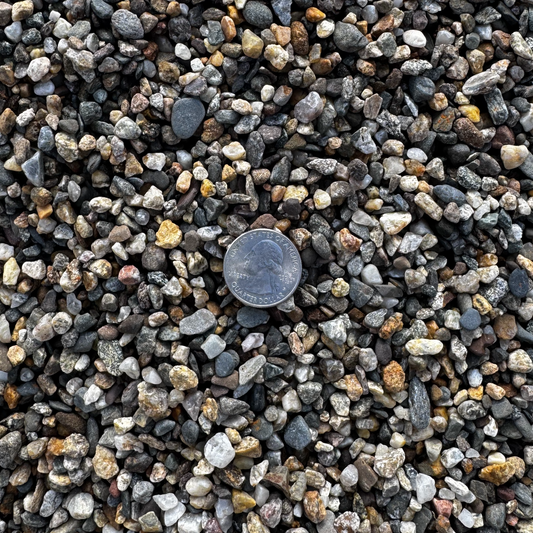
The standard residential driveway base. The ¾-inch screen with fines compacts to a near-concrete hardness, drains water through to the soil, and locks under load. Use 4 inches compacted as the load-bearing layer above a sub-base, or 6 inches direct-on-grade for a light residential drive.
A 600 sq ft drive at 4 inches deep takes 7.5 cubic yards — round up to 8 to allow for compaction loss.
2. Crushed Concrete 1" to minus — The Budget Pick
Recycled concrete crushed to 1-inch screen size, performs nearly identically to Dense Pack at lower per-yard cost. The right pick for a Fall River or New Bedford homeowner with a long driveway who needs to stretch the budget. The slightly larger angular fragments lock together aggressively.
For the contractor cost-comparison math on this swap, see the upcoming Spring Cleanup Pricing Worksheet for Plymouth Crews read on April 24.
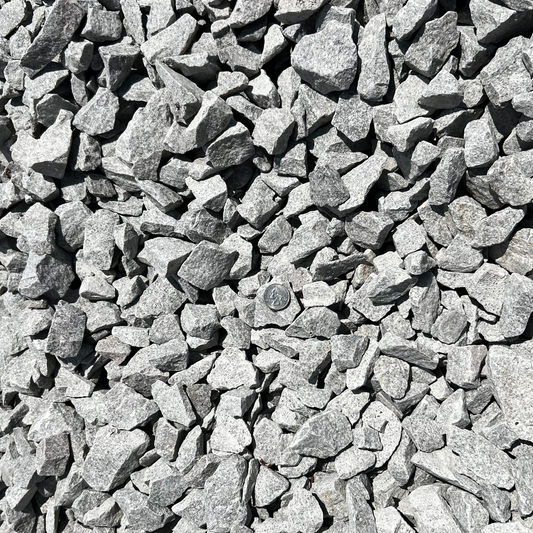
3. Surge Stone — The Sub-Base Foundation
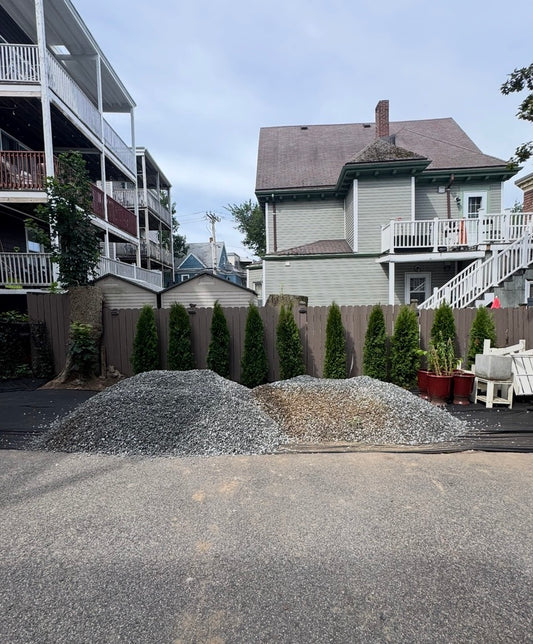
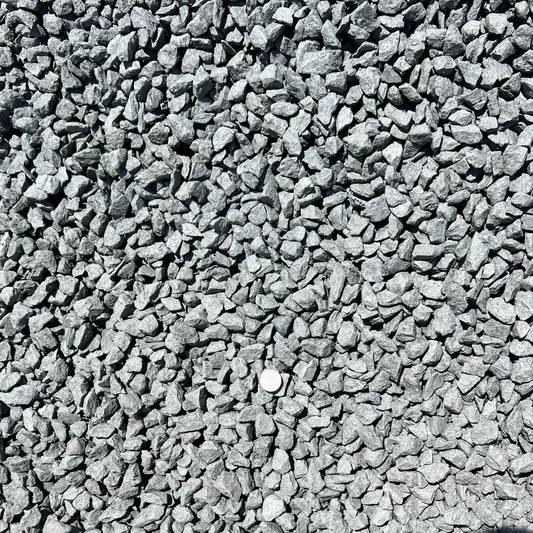
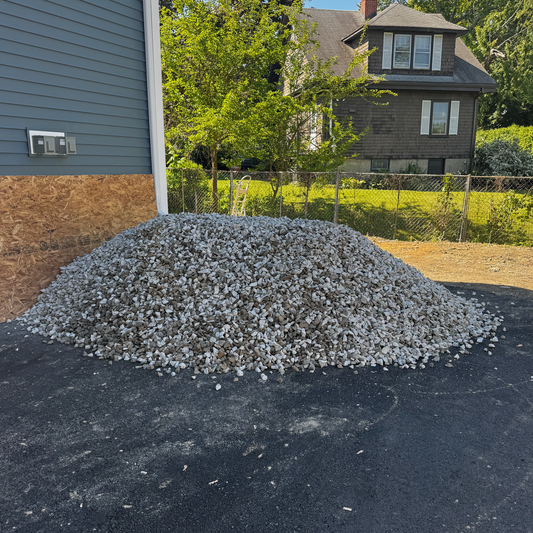
Large angular stone, typically 3 to 6 inches per piece, used as the bottom layer over excavated subgrade. Bridges soft spots in clay, distributes load on poor soils, and creates a free-draining reservoir. Critical for any Taunton or Lakeville driveway over wet clay subgrade.
A 600 sq ft drive at 4 inches deep takes 7.5 cubic yards of Surge Stone. The How to Build a Walking-Path with Stone Dust in Any MA read covers the same layered logic at smaller scale for a path.
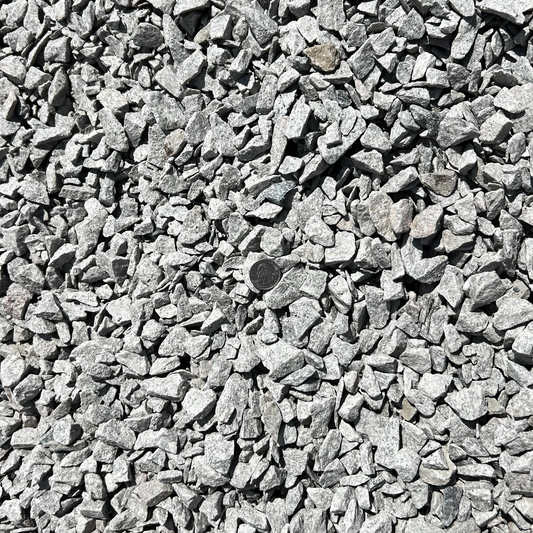
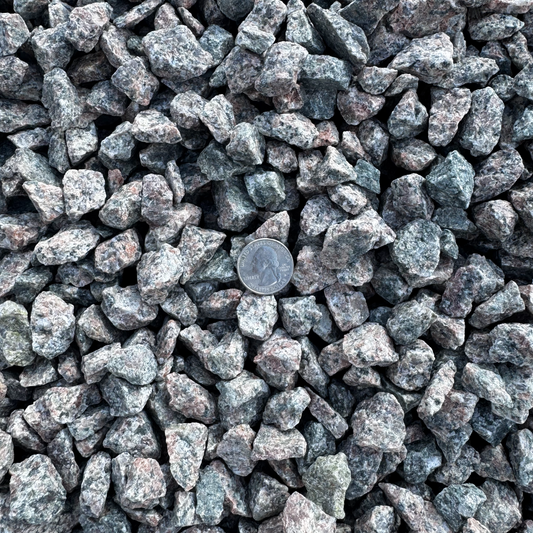
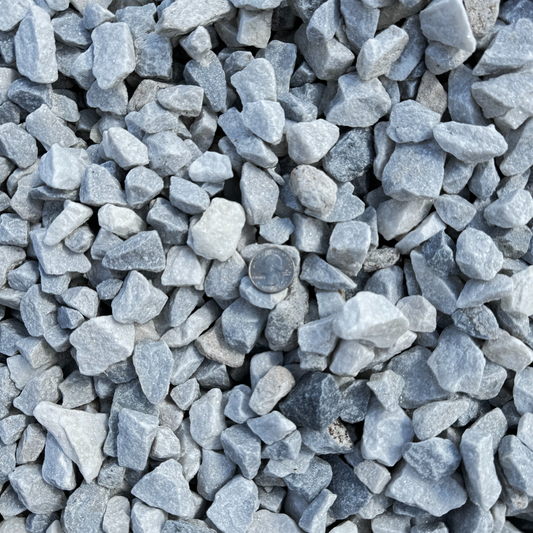
4. Gray Crushed Rock 1.5" — The Drainage Layer
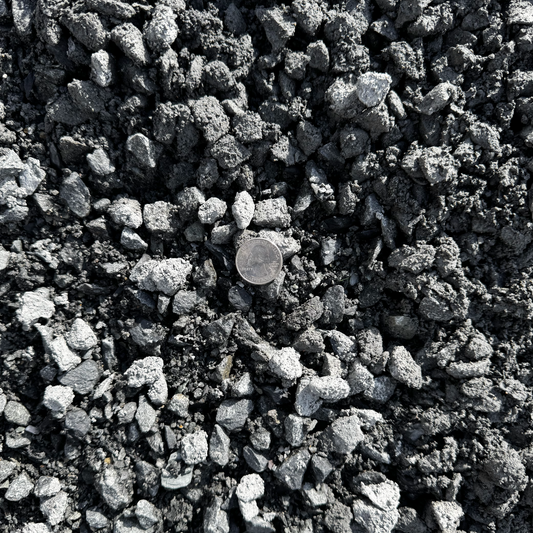
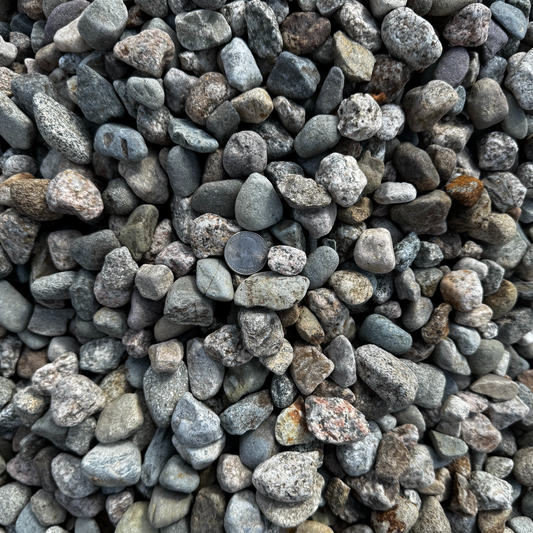
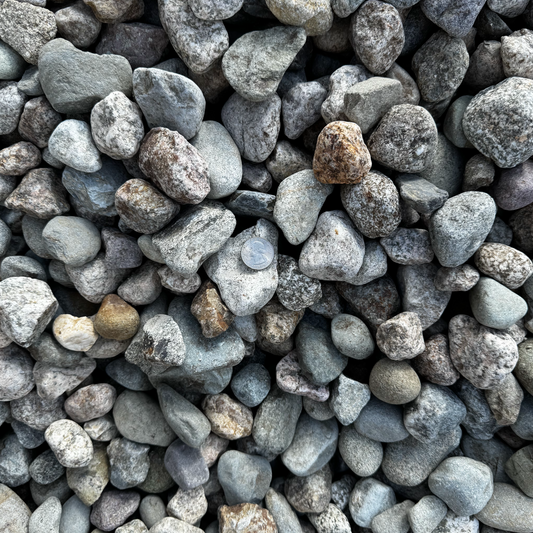
When you need fast drainage along driveway edges or under a French drain that runs alongside the driveway, Gray Crushed Rock 1.5" is the call. Doesn't compact (which is the point — water moves through it), so use it only where compaction isn't the goal. Pair with woven landscape fabric to prevent fines migration.
For a comparison of stone sizes by application, see the upcoming Review: 3/4 vs 1.5 Crushed Stone for a Plymouth County Driveway Base read on April 22.
5. Blue Stone Dust — The Finish Course
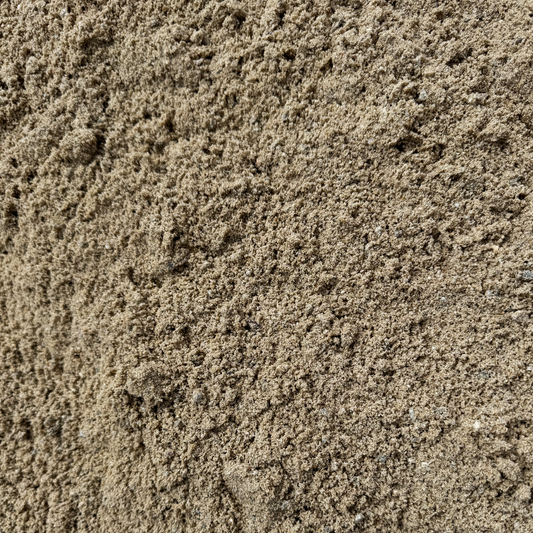
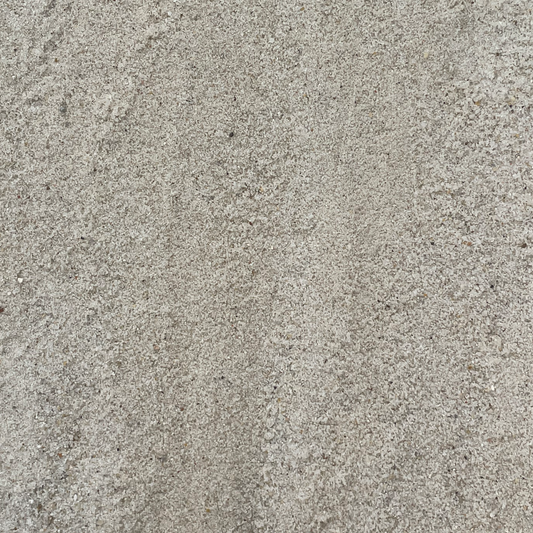
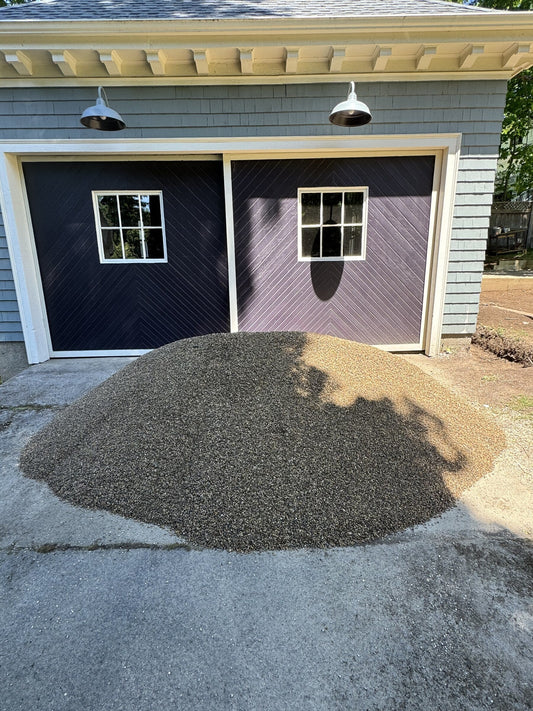
For a stone-dust finish driveway (a common Bristol County rural application), top the compacted Dense Pack with 2 inches of Blue Stone Dust. Compacts to a near-concrete surface that sheds water, costs a fraction of paving, and fills cleanly with a 1-inch top-up every 5 to 8 years.
A 600 sq ft drive at 2 inches deep takes 3.7 cubic yards of Blue Stone Dust.
How They Stack in a Real Bristol County Driveway
| Layer | Material | Depth | Yards (600 sq ft) |
|---|---|---|---|
| Sub-base | Surge Stone | 4" | 7.5 |
| Base | Dense Pack ¾" to minus | 4" | 7.5 |
| Finish (optional) | Blue Stone Dust | 2" | 3.7 |
| Total compacted depth | — | 10" | 18.7 yd |
For a driveway with asphalt or pavers on top, skip the Blue Stone Dust finish course; the sub-base and base layers carry the load.
What This Means for You
Five materials, one driveway profile that handles Bristol County's soil range. Order through the Ottr catalog for delivery to Fall River, New Bedford, Taunton, and Attleboro. The 2026 follow-up on planting annuals around finished driveway edges is in the 2026 annuals Brookline read.