Quick Answer
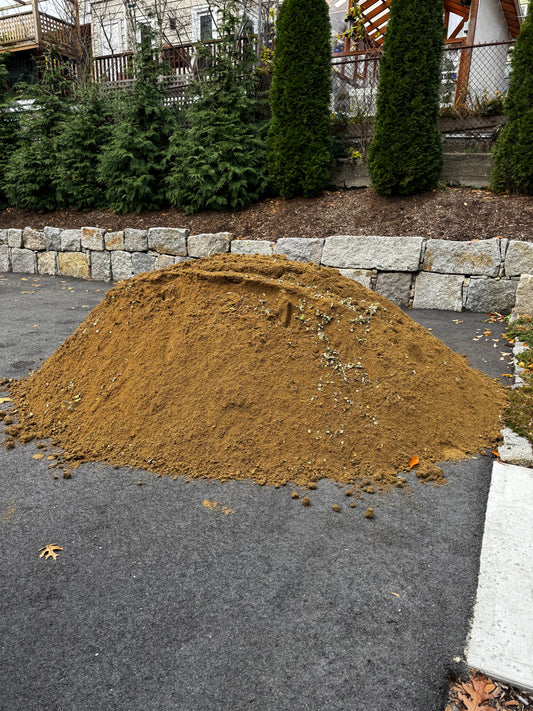
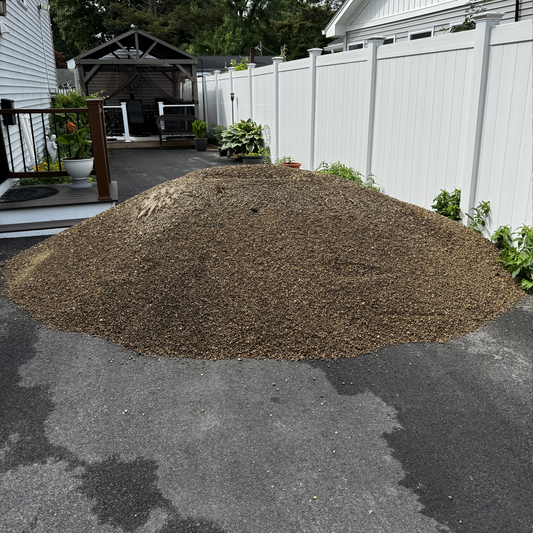
Build a stone-dust walking path that survives 25 New England freeze-thaw cycles by excavating 6 inches deep, laying 4 inches of compacted Dense Pack ¾" to minus, and finishing with 2 inches of compacted Blue Stone Dust between fixed edging. For a 30-foot path 3 feet wide, that's 0.5 cubic yards Dense Pack + 0.25 cubic yards Blue Stone Dust. The whole build takes 6 hours and costs less per linear foot than any concrete or paver alternative.
Why Stone Dust Beats Pea Gravel for a Path
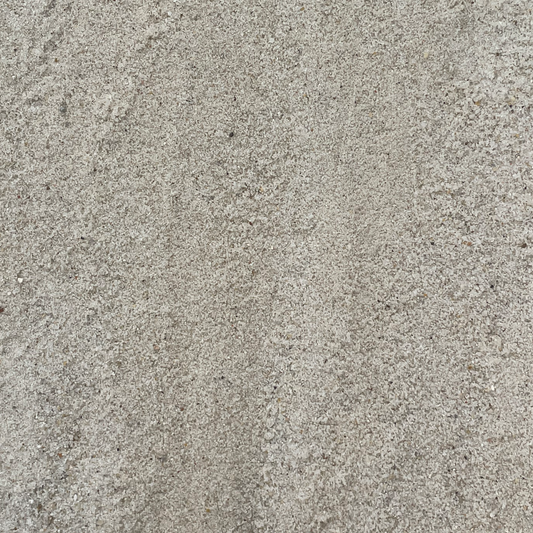
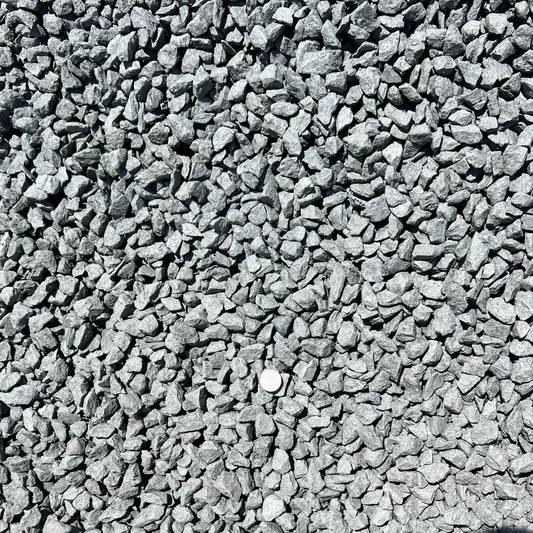
Stone dust packs hard, holds shape, and doesn't migrate into the lawn the way pea gravel does. The fines (the dust portion) lock the larger particles in place when compacted, creating a surface that's nearly as firm as concrete but permeable for stormwater. The ICPI hardscape standards treat compacted stone dust as the finish layer over a Dense Pack base for low-traffic walking paths.
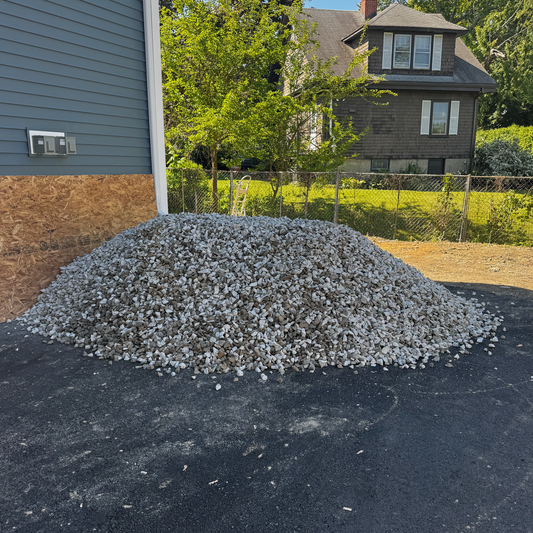
Browse the crushed stone collection for both products by the cubic yard.
What You Need
For a 30-foot path 3 feet wide:
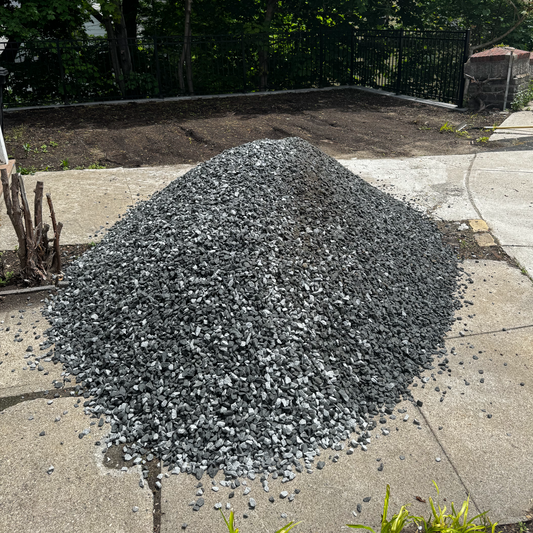
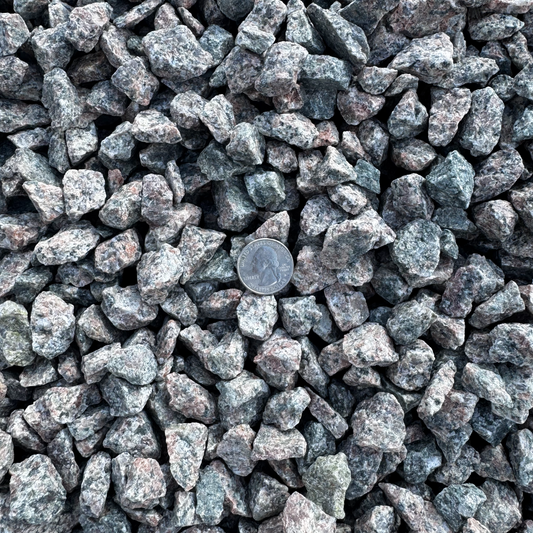
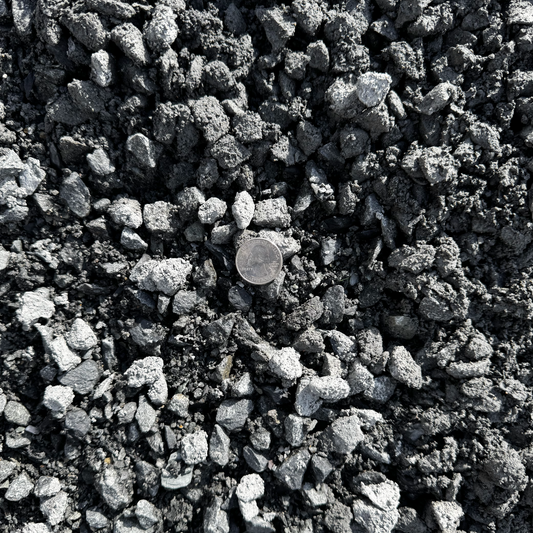
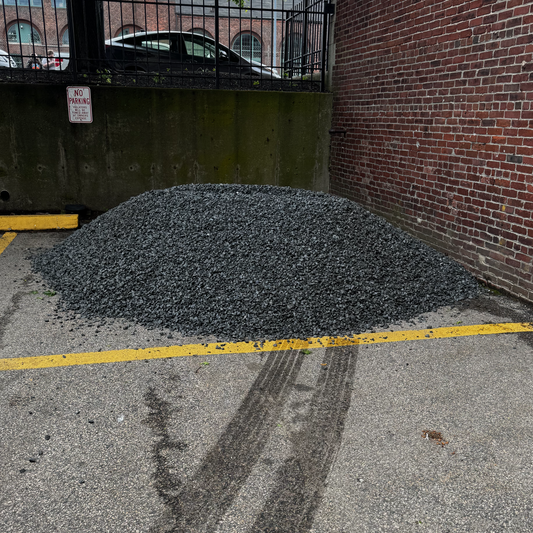
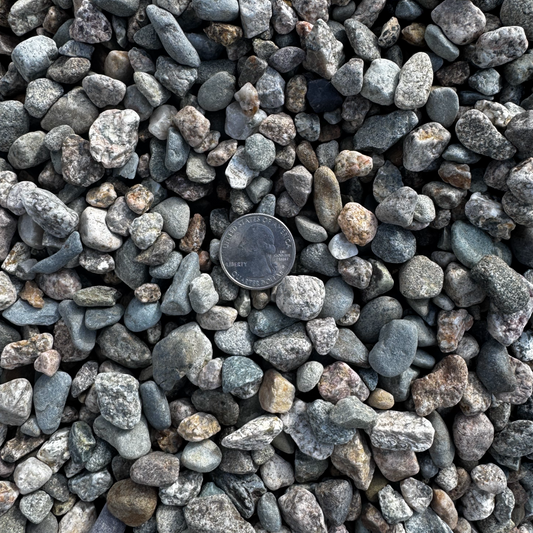
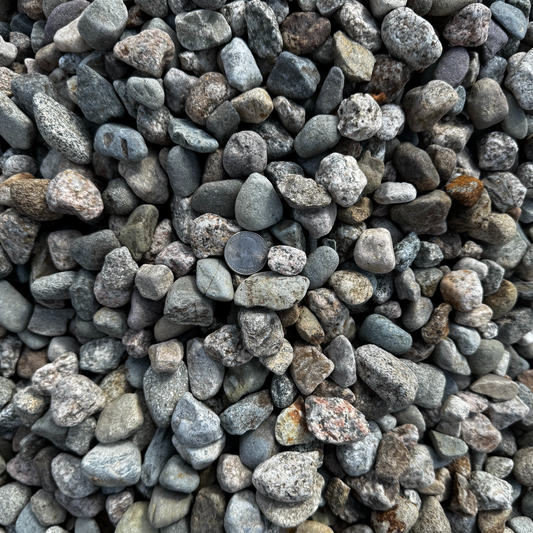
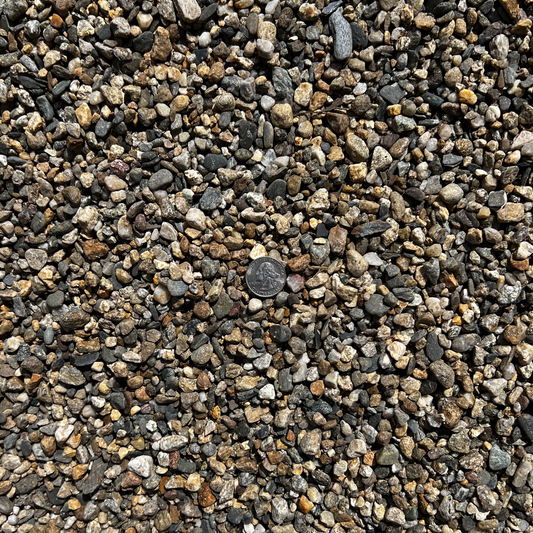
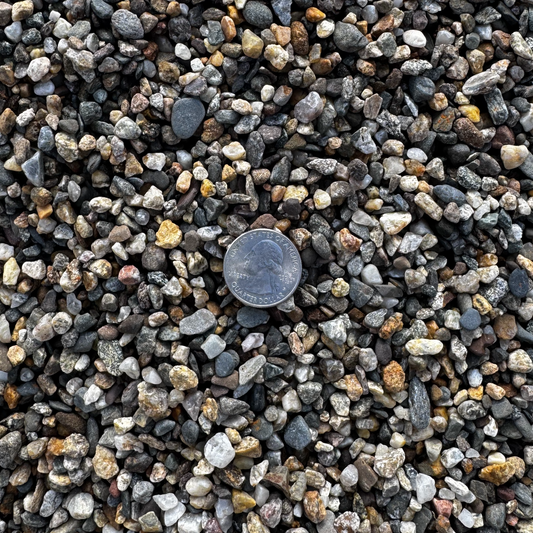
- 0.5 cubic yards Dense Pack ¾" to minus — base/drainage layer
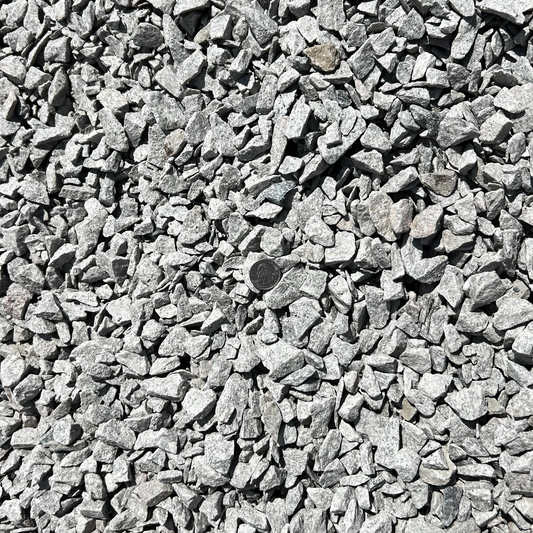
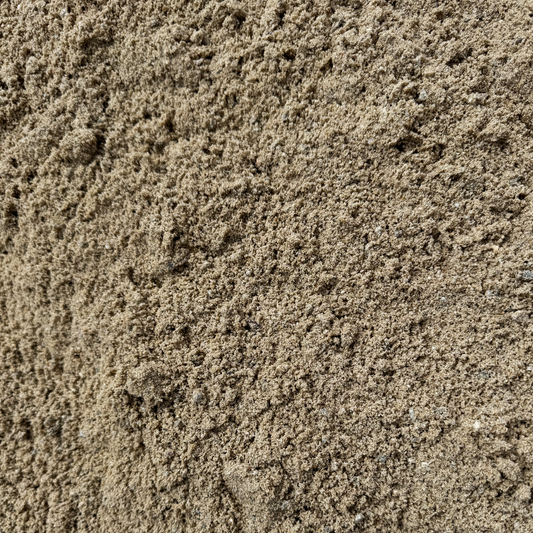
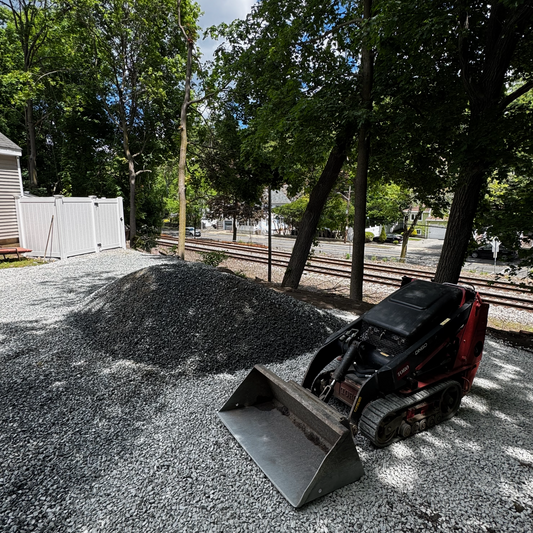
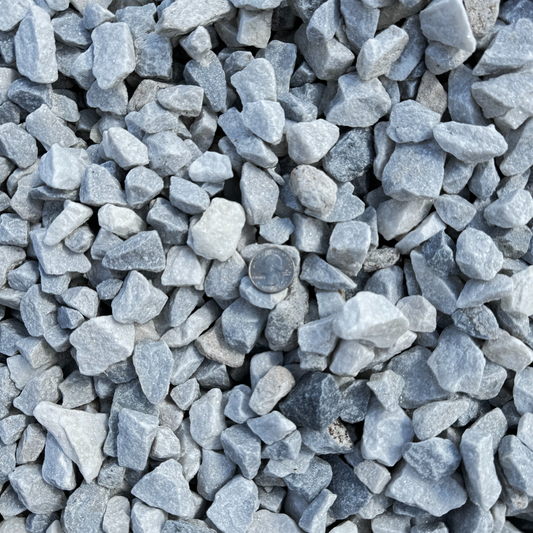
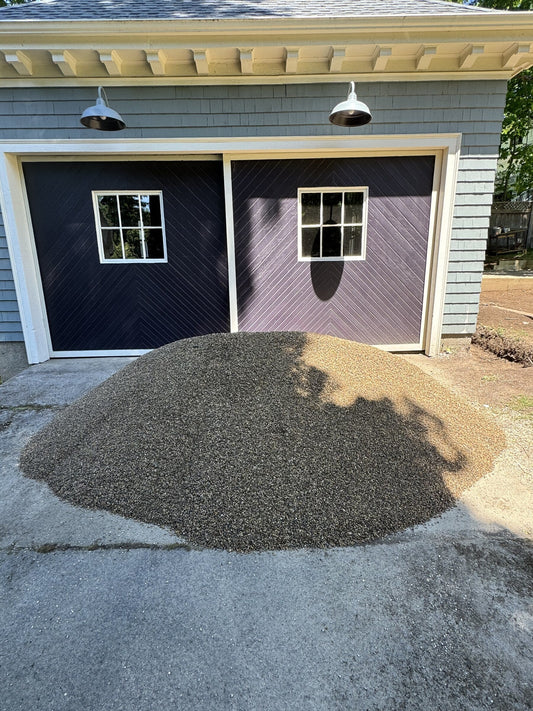
- 0.25 cubic yards Blue Stone Dust — compacted finish
- 30 linear feet woven landscape fabric at 4-foot width
- 60 linear feet steel or composite edging with stakes
Tools
Flat shovel, plate compactor (rent for $80/day from any MA tool yard), hand tamper, garden rake, torpedo level, marking paint, work gloves.
Step 1: Lay Out the Path (30 minutes)
Mark both edges with marking paint. The standard interior width is 3 feet — wide enough for one person walking. For a Massachusetts back yard with a wheelbarrow that needs to fit, go to 4 feet. Curves should bend gradually; tight corners stress the edging and crack the surface.
Step 2: Excavate 6 Inches Deep (90 minutes)
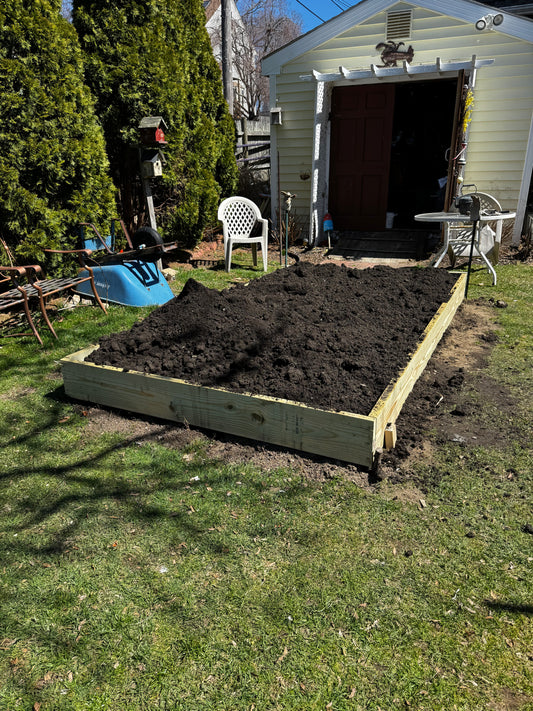
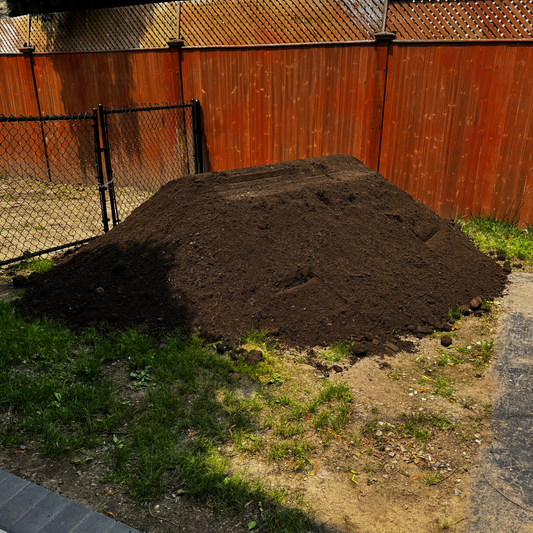
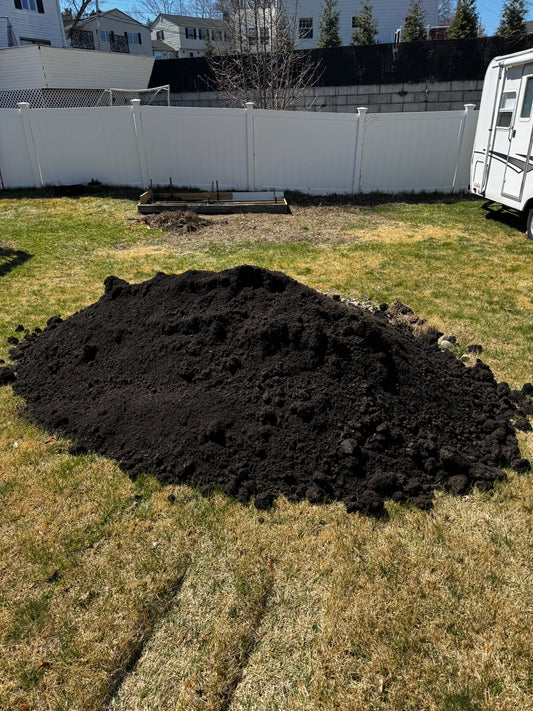
Dig out the entire path 6 inches below grade. Stack the topsoil aside for backfilling lawn edges later — see the How to Calculate Raised Bed Soil Volume for a Duxbury 4x8 read if you have somewhere to use that loam.
Slope the bottom of the trench 1/8 inch per foot toward the lower end of the path. Water needs to drain through the layers, not pool.
Step 3: Install Edging (30 minutes)
Drive steel or composite edging stakes every 3 feet along both sides of the trench. The top of the edging should sit 1/2 inch below your finished path height — this lets surface water shed sideways onto the lawn.
Step 4: Lay Landscape Fabric (15 minutes)
Roll woven (not non-woven) landscape fabric the full length of the trench. Woven fabric blocks weed root penetration without holding water. Overlap seams 6 inches.
Step 5: Spread and Compact Dense Pack (90 minutes)
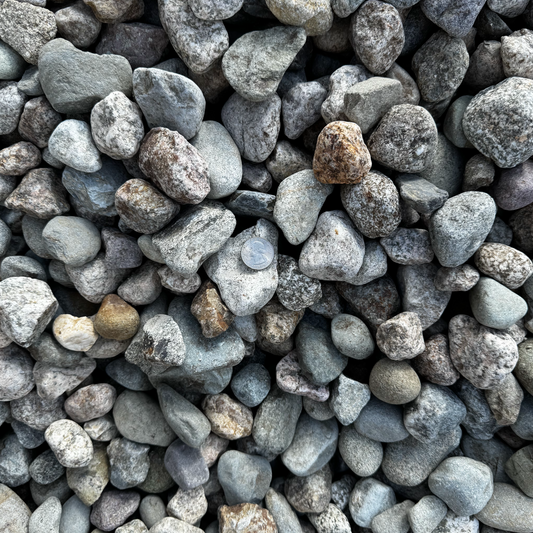
Spread Dense Pack ¾" to minus across the fabric in two 2-inch lifts. Compact each lift separately with a plate compactor — 3 passes per lift. The base should ring solid, not soft. This is the layer that prevents settling.
For the spec on choosing between different Dense Pack screen sizes, see the upcoming How to Choose Crushed Stone Size for a Boston Project read on April 19.
Step 6: Spread and Compact Blue Stone Dust (60 minutes)
Spread Blue Stone Dust 2.5 inches deep on top of the compacted Dense Pack. Rake level to within 1/4 inch — use the torpedo level on a long board to check. Compact with the plate compactor — 3 passes. The dust will compact down to roughly 2 inches finished thickness.
Step 7: Mist with Water and Final Compact (15 minutes)
Mist the surface with a hose — don't soak it. The water activates the fines in the stone dust and lets them lock to the larger particles when you do the final compaction pass. Run the plate compactor one more time. The path is now ready to walk on.
For the ICPI hardscape body of work, this is the same engineering used under paver patios — base and binder, just no pavers on top.
Step 8: Backfill Edges (30 minutes)
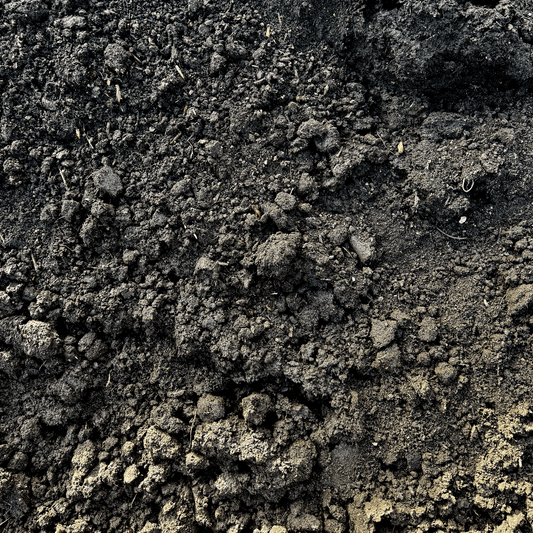
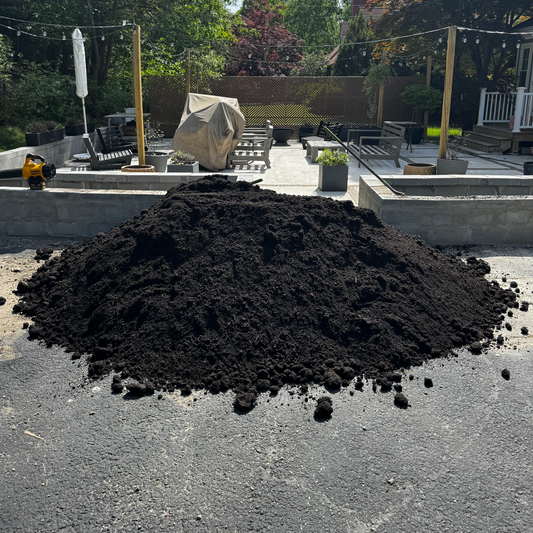
Pack screened loam or topsoil against the outside of the edging to make the path flush with the lawn. Reseed the cut grass edges. The 2026 follow-up on the contractor pricing window for jobs like this is the 2026 spec window Brockton read.
What This Means for You
Six hours, three-quarters of a cubic yard of bulk material, and a stone-dust path that holds shape through 10 New England winters. For the decorative stone collection options if you want a different finish look, see the upcoming Top 5 Decorative Stone Choices for Norwell Yards read on April 16.