Quick Answer
A Bristol County lawn is in heat stress when footprints stay visible 30 minutes after walking the lawn at 4 p.m., blades go blue-gray (waxy sheen, not green), and a screwdriver stops at 2 inches in dry soil. Coastal humidity from Buzzards Bay masks the problem — Fall River, New Bedford, and Dartmouth lawns hold morning dew that hides afternoon stress. The recovery is 1 inch of water in a single deep run, repeated 4 days later. Diagnose in 15 minutes, recover in 7–10 days.
Why Bristol County Lawns Mask Heat Stress
Bristol County sits on a coastal humidity envelope — Buzzards Bay air keeps morning humidity above 80% well into June, which keeps lawns looking dewy and green at 8 a.m. even when soil is dry and blades are mid-stress.
Per the UMass Turf Program, the disconnect between morning appearance and afternoon stress is the single most common Bristol County diagnostic miss. Always check at 4 p.m., not 8 a.m.
Step 1: The 4 p.m. Footprint Test
Walk a transect across the lawn at the hottest part of the day (4 p.m. on a sunny day). Wait 30 minutes. Come back.
- Footprints invisible: lawn is healthy.
- Footprints visible, blades green: early stress. Watering tonight saves it.
- Footprints visible, blades blue-gray: advanced stress. Recovery watering today.
Bristol County's coastal-influenced soils warm slower in the morning and faster after noon — the 4 p.m. window is when the diagnosis is most accurate.
Step 2: Blade Color
Pull blades from 5–10 areas. Compare to a healthy section:
- Bright green, springy: healthy.
- Blue-gray waxy sheen: active heat stress. Cells losing turgor.
- Straw-yellow, blade flexible: dormant. Crowns alive, will recover with rain or deep water.
- Brown, crisp, snaps when bent: dying or dead.
Bristol County yards near the water (Fairhaven, Mattapoisett, Westport) are typically 4–6 days behind inland yards in stress timing. Bristol County inland (Norton, Mansfield) hits stress on the same schedule as Plymouth County.
For the broader dormant-vs-dead split, see Is My Brockton Lawn Dormant or Dead?.
Step 3: Soil Probe
Push a long screwdriver straight down. Healthy soil after watering: probe slides 6+ inches with one push. Dry soil: stops at 2–3 inches.
Bristol County coastal soils are sandier than inland Norfolk or Middlesex — water moves through faster but holds less. Check after watering, not before, to confirm penetration depth.
Step 4: Set the Recovery Watering
The recovery schedule (different from your normal weekly schedule):
- Day 1: 1 inch in a single overnight run (verify with tuna can; spray heads ~30 min, rotor ~70 min). Pre-dawn start.
- Day 4: Repeat — 1 inch in a single run.
- Day 8 onward: Return to 1.25 inches per week split into two runs for Bristol County June.
Deep recovery water pushes roots back down 4–6 inches, where they can find moisture during the next stress event.
When You Need More Than Water
If the lawn doesn't green up after 7–10 days of correct watering:
- Soil compaction. Common in Fall River and New Bedford small-lot yards with heavy foot traffic. Core-aerate in fall.
- Thatch over ½ inch. Dethatch in fall + overseed.
- Salt damage from winter. Coastal Bristol County yards near salted roads recover slowly. Check curb edge — see Why Is My Bristol County Curb Edge Lawn Brown in January? for the salt diagnostic.
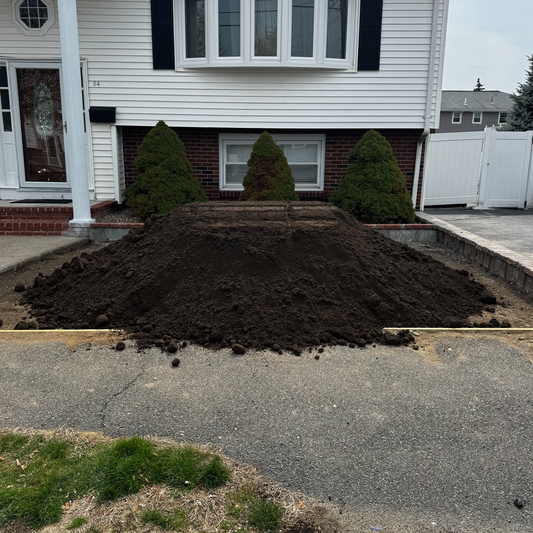
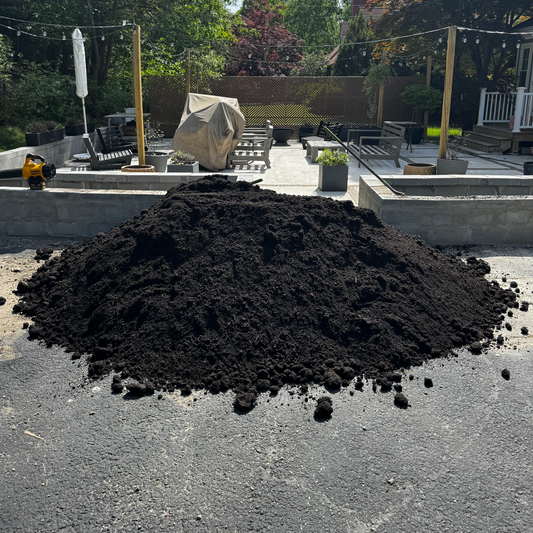
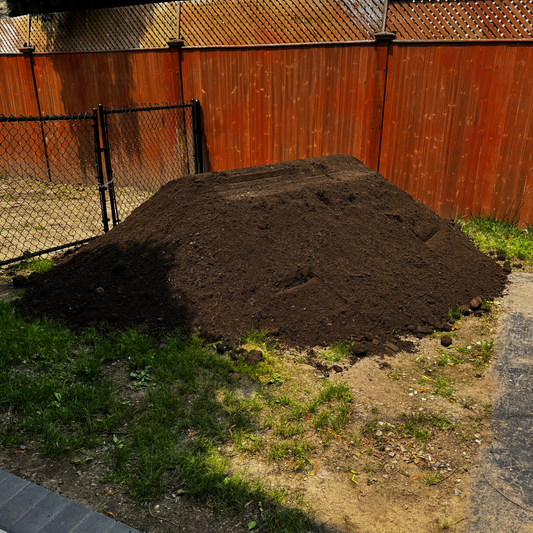
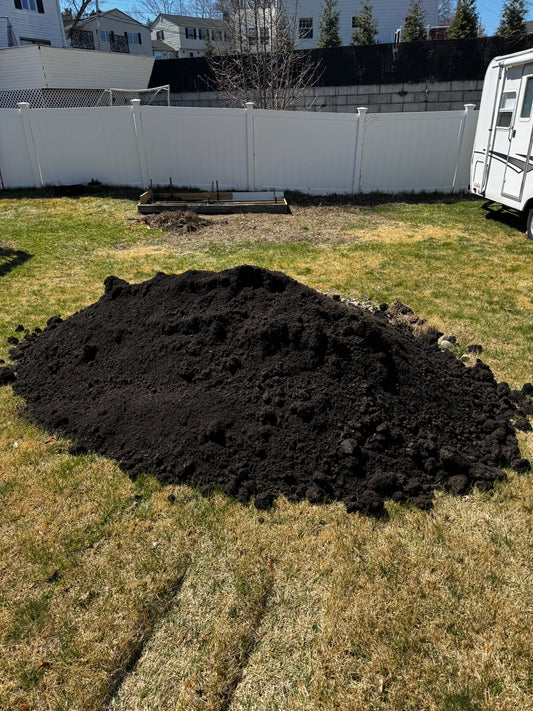
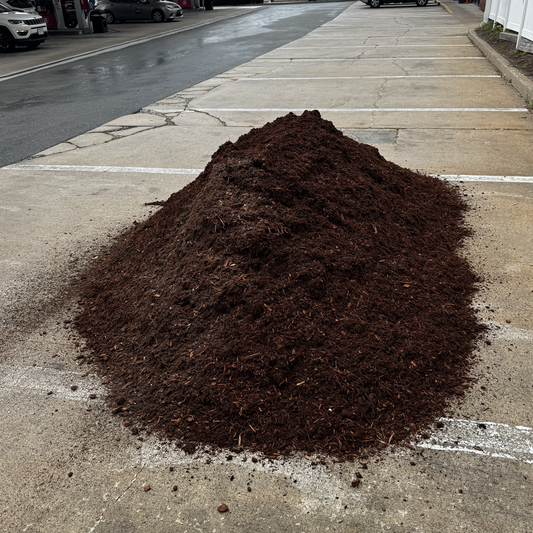
For thin areas that won't recover, top-dress with Topsoil Loam ½" Screened plus a ¼" compost layer. Reseed early September.
What You'll Need from Ottr
- Topsoil Loam ½" Screened — top-dress at ½ cubic yard per 1,000 sq ft for thin areas
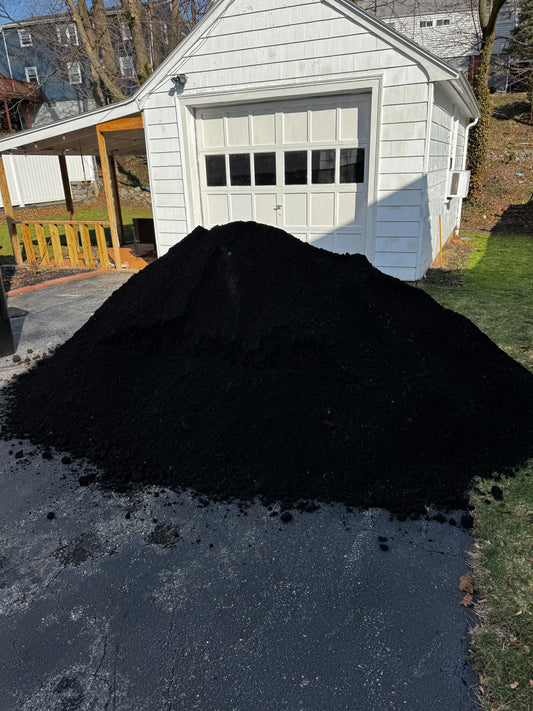
- Compost — ¼" layer to feed soil biology and improve water retention
Browse lawn leveling and repair. Bristol County deliveries via the standard Ottr routing — see the full catalog for materials.
For the matching irrigation deep-dive, see How to Set a Watering Schedule for a Brookline Lawn in June — same engineering applies in Bristol County, with sandier-soil adjustments noted above.
The short version: 4 p.m. footprint test, blade color, screwdriver probe, deep recovery water. 15 minutes saves the season.