Gardens in Wellfleet deal with conditions most of Massachusetts doesn't. The soil is sandy and drains fast, the wind off the bay and the ocean can be relentless, and the ocean keeps fall mild for longer than it does inland. Then winter brings freeze-thaw swings that push young plants up out of the ground. Mulch helps with all of that, as long as it goes down at the right time and the right depth. Here are the questions we hear most from Wellfleet homeowners as fall starts.
What does winter mulch actually do for Wellfleet beds?
Winter mulch isn't really there to keep plants warm. Its job is to keep soil temperature steady. On the Outer Cape, a sunny January afternoon can thaw the top inch of soil and the next night refreezes it. That cycle heaves shallow-rooted perennials and new plantings out of the ground, which exposes their crowns and roots to drying wind. A layer of mulch evens out those swings. It also holds moisture in sandy soil, cuts down on erosion from wind and heavy rain, and breaks down slowly into organic matter that Cape soil badly needs.
When should you put mulch down in Wellfleet?
There are two different times to mulch in the fall, and they do different things:
- Now, in September: Mulch new fall plantings and any bare soil to hold moisture while roots get established. Warm soil plus steady moisture is what gets September shrubs and perennials rooted before frost.
- Late fall, after the soil cools: Add the winter layer once the ground is cold and you've had a few hard frosts. In Wellfleet that is often later than inland towns because the ocean holds onto heat. Mulching heavily while the soil is still warm can keep perennials growing soft and can give voles a cozy place to nest.
If you're planting trees, shrubs, or perennials this fall, our Cape Cod fall planting guide covers timing and watering in more detail.
How deep should mulch be before winter?
| Situation | Depth | Coverage per cubic yard |
|---|---|---|
| Refresh an established bed | 2 inches | ~162 sq ft |
| New bed or bare soil | 3 inches | ~100 sq ft |
| Around new shrubs and trees | 3 inches, ring out to the drip line | ~100 sq ft |
Don't go deeper than about 3 inches. Too much mulch keeps the soil soggy and can starve roots of air. Leave a few inches of clear space around trunks, stems, and perennial crowns. Mulch piled against bark holds moisture against it and invites rot and rodents. The ISA's Trees Are Good site has clear diagrams of proper mulching around trees.
Which mulch holds up in Outer Cape wind?
Texture matters more than color on an exposed lot.
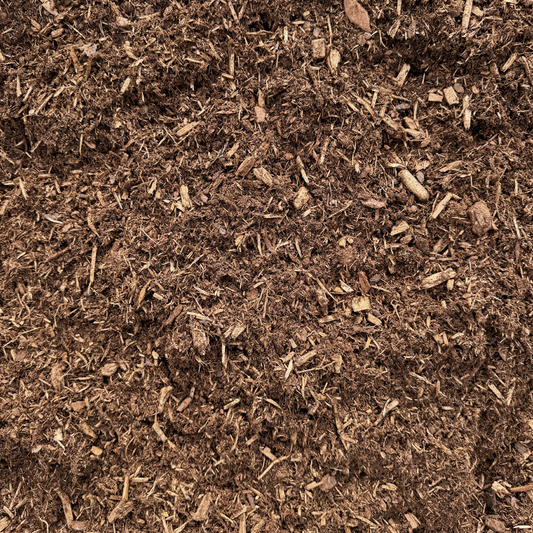
- Pine Bark: Chunky and long-lasting, and it stays put well on slopes and in wind. It's slightly acidic, which suits the hydrangeas, rhododendrons, and blueberries that do well on the Cape.
- Hemlock: Natural reddish-brown with a finer texture. It looks good in sheltered beds close to the house.
- Red Cedar: Aromatic and lighter in weight. It's best where beds are protected from the wind.
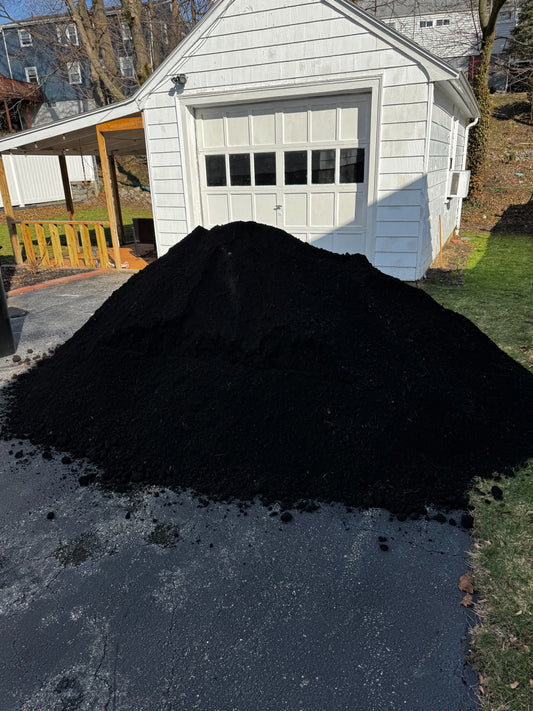
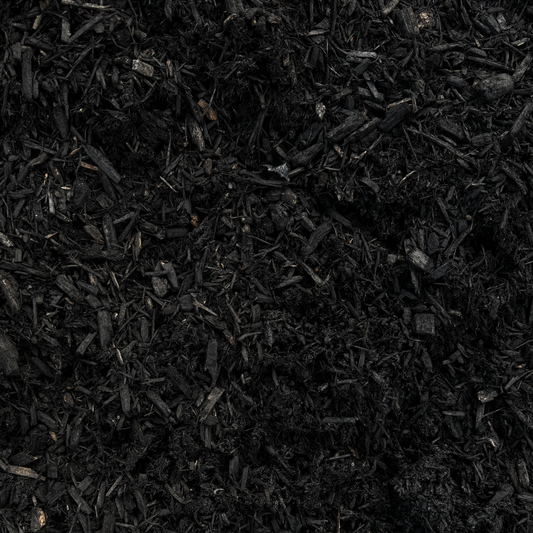
- Black: Color-enhanced, a clean look for front beds and borders.
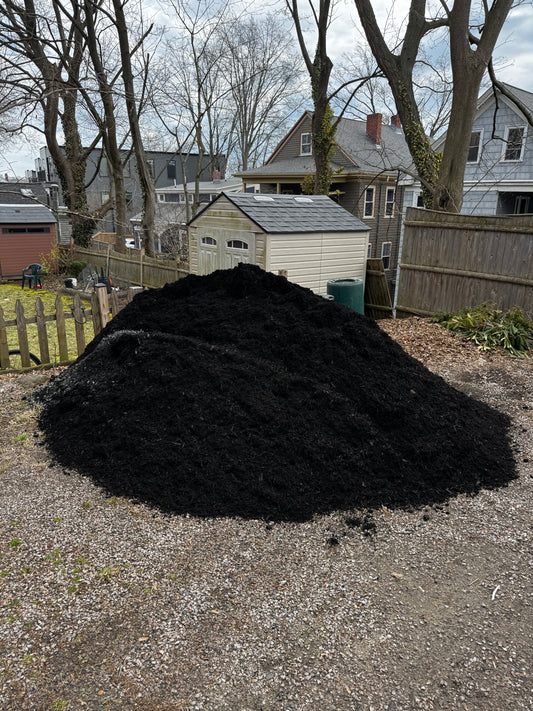
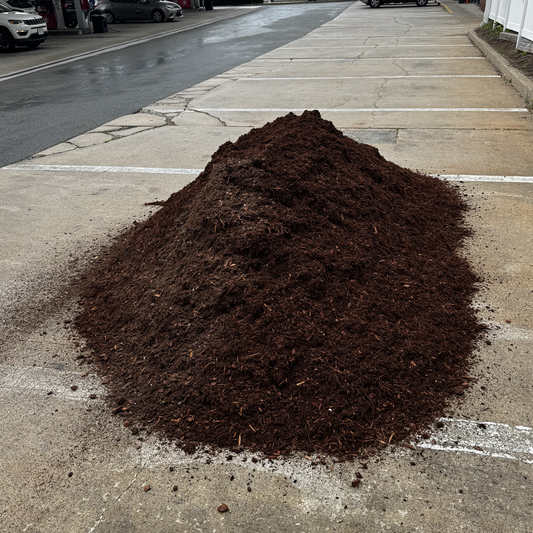
Natural mulch varies from load to load, so expect some variation in color and texture. You can compare all four in the mulch collection.
Should you improve sandy Wellfleet soil before mulching?
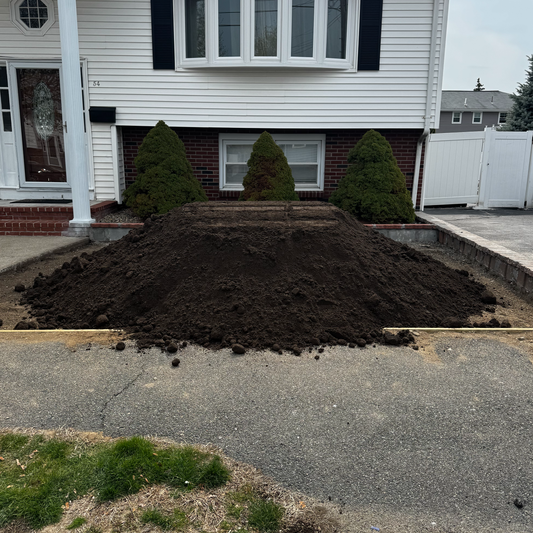
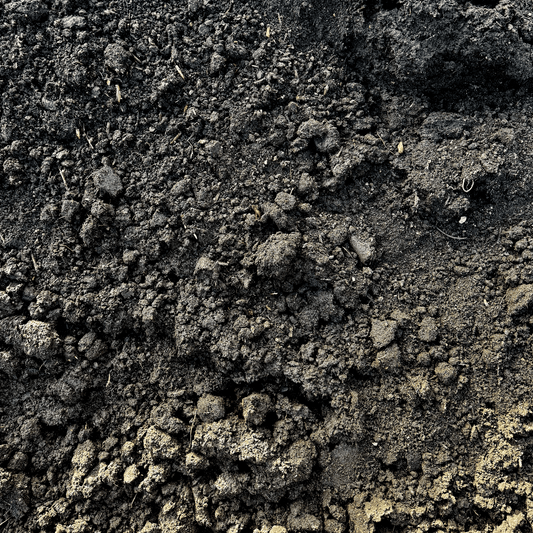
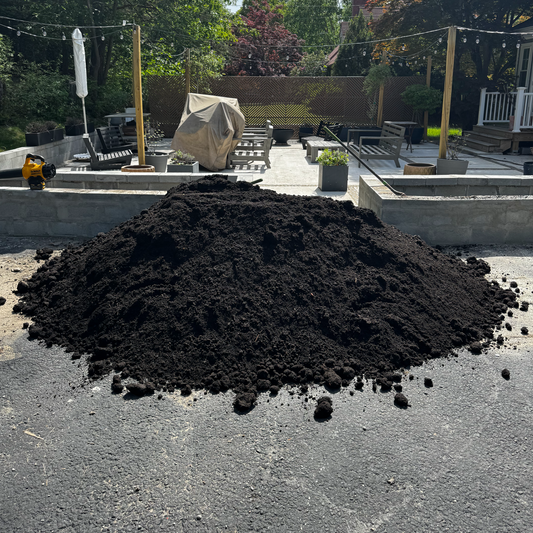
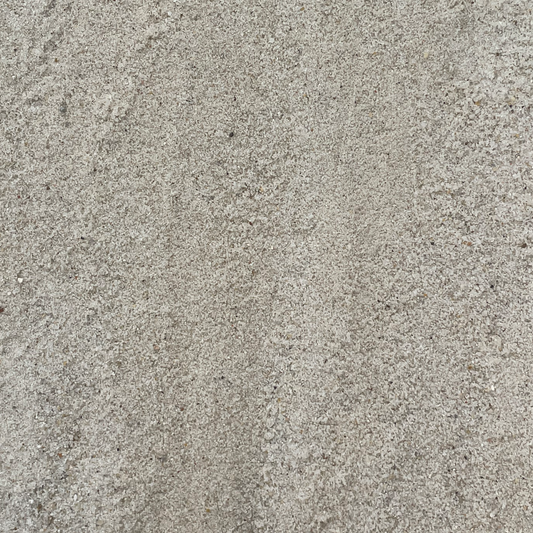
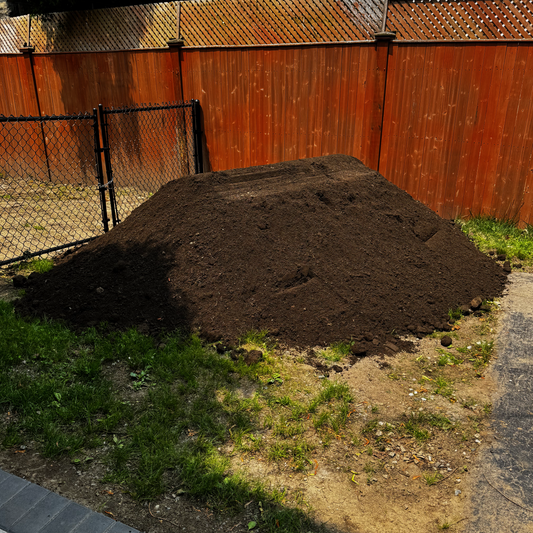
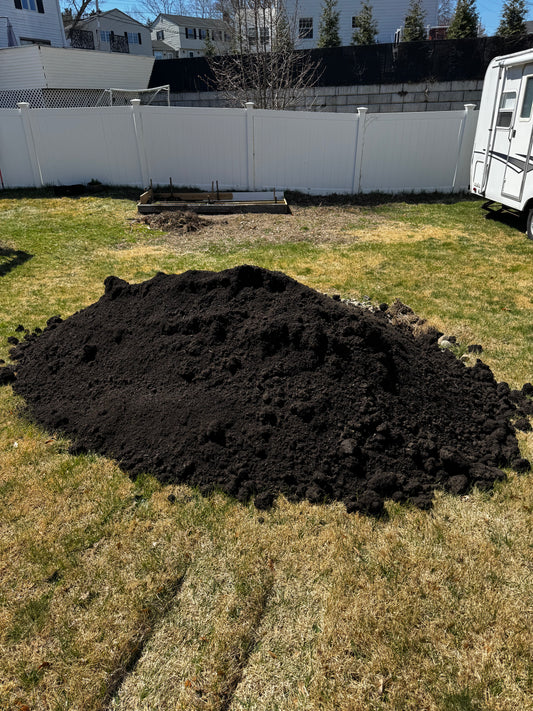
If a bed dries out within a day of rain, yes. Work 2–3 inches of compost into the top 6–8 inches before you mulch, or top up low beds with garden soil. Mulch can't make up for soil with almost no organic matter. It only protects what's already there. Our guide to building better soil in Orleans walks through amending sandy Cape beds, and you can see the blends in our soil collection. A soil test through UMass Extension is a good place to start if plants have been struggling.
Is mulch bad for any plants over winter?
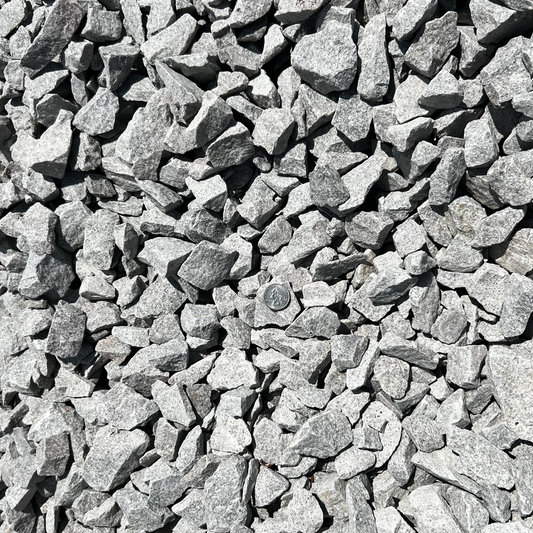
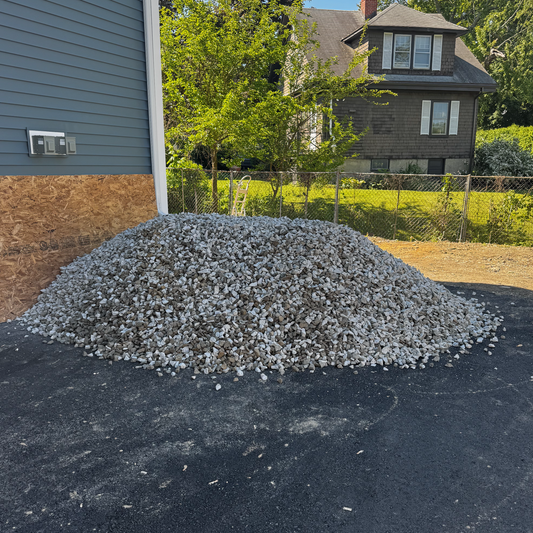
A few plants want less. Lavender, many herbs, and other Mediterranean plants do better with a thin layer or with gravel around their crowns, because wet mulch against them leads to rot. Leave bulbs that are already planted under a normal 2-inch layer. Lawn-to-bed edges should stay a little thin so the mulch doesn't creep onto the grass.
How much mulch do you need, and how does delivery work in Wellfleet?
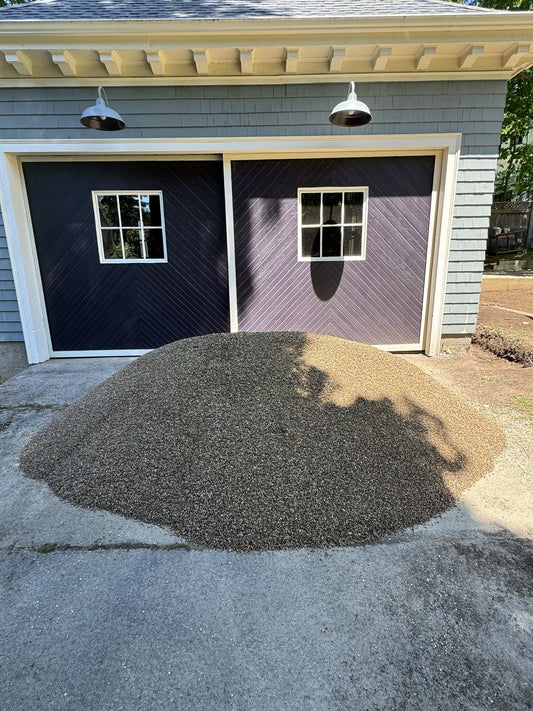
Measure your beds in square feet, multiply by the depth in inches, and divide by 324 to get cubic yards. For example, 600 sq ft of beds at 2 inches works out to about 3.7 cubic yards, so order 4. Mulch ships up to 10 cubic yards per load, with a 1-yard minimum. If you add compost or soil, each material is its own load with its own delivery fee, which you'll see at checkout for your ZIP. Pricing is on each product page. Drops are curbside or on the driveway by default, and on-lawn drops are available by request with a waiver. The truck needs about 13.5 ft of overhead clearance, which is worth checking on narrow, tree-lined Wellfleet lanes. Delivery details for the town are on the Wellfleet landscape supply page.
Frequently asked questions
Can I mulch in September and again in late fall?
Yes. Mulch new plantings now to hold moisture, then top up to full depth once the soil has cooled.
Should I remove winter mulch in spring?
Usually you don't need to. Pull it back from crowns as growth starts, and top up to 2 inches if it has thinned.
Will mulch attract voles?
Thick mulch put down early can. Waiting until the ground is cold and keeping mulch off stems helps.
Can I store a mulch delivery until late fall?
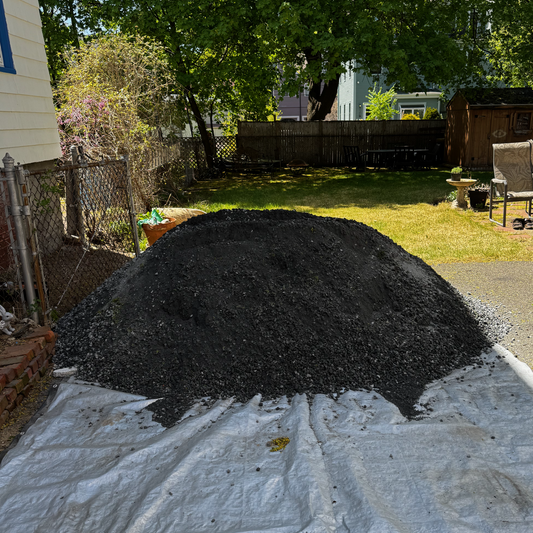
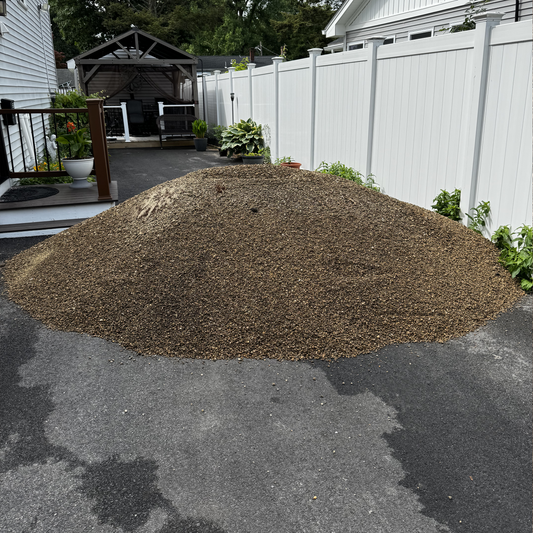
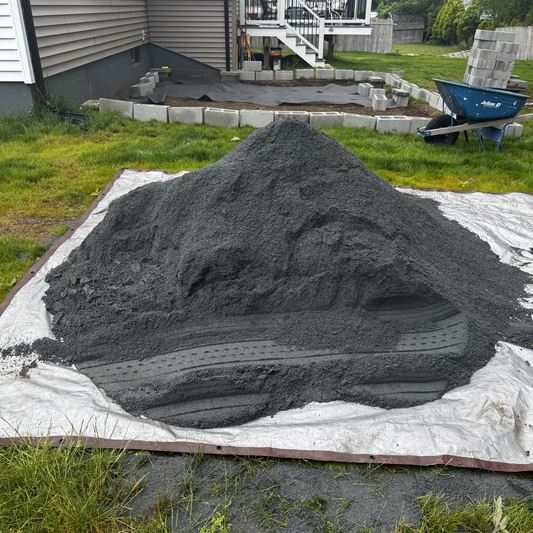
Yes. A pile can sit for a few weeks. Cover it lightly if you're holding it a long time.
Have a question about your beds or an order? Call or text (617) 645-0987.