Pembroke yards sit on a lot of sandy, fast-draining ground, the kind you find around the ponds and along the North River side of town. Sandy beds dry out quickly and lose loose soil to wind and runoff, and in winter they cycle between freezing and thawing more than heavier soils do. A sharp edge and a fresh layer of mulch in late September hold moisture, steady soil temperature, and keep the beds looking finished from the street all winter.
Why edge and mulch Pembroke beds in fall instead of spring?
Fall mulch protects roots through freeze-thaw cycles, slows erosion on sandy soil, and cuts down on the weeds that sprout in early spring. Edging now also means the line is already set when spring growth starts, so you are maintaining a bed instead of rebuilding one. Shrubs and perennials planted this season benefit most, since their roots are still settling in.
How much mulch do Pembroke beds need?
Measure each bed's length and width, multiply for square feet, then use: square feet × depth in inches ÷ 324 = cubic yards. For odd shapes, break the bed into rectangles and add them up.
| Bed area | 2" refresh | 3" new bed |
|---|---|---|
| 200 sq ft | about 1.25 yd | about 1.9 yd |
| 500 sq ft | about 3.1 yd | about 4.6 yd |
| 1,000 sq ft | about 6.2 yd | about 9.3 yd |
A mulch load carries up to 10 cubic yards, so even a large property usually fits in one delivery. Soil is a separate load with its own delivery fee. Pricing is on each product page, and the delivery fee for your ZIP shows at checkout.
Which mulch works best for winter beds?
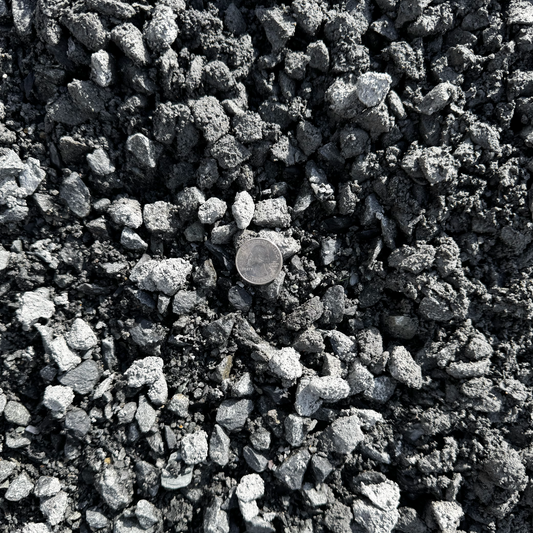
- Pine Bark Mulch is chunky and long-lasting, holds well on slopes, and its slight acidity suits rhododendrons, azaleas, and blueberries.
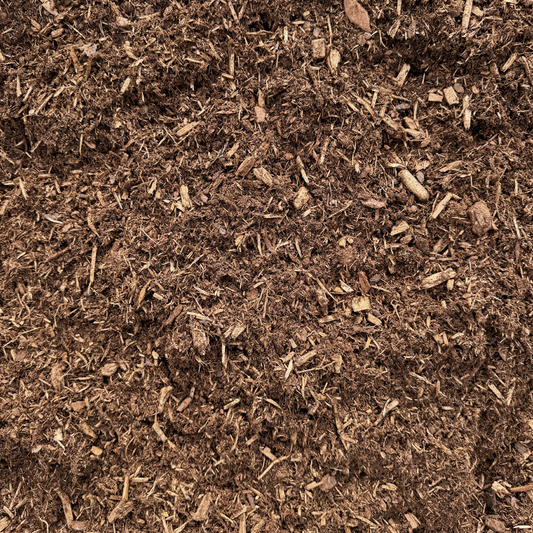
- Hemlock Mulch has a natural reddish-brown look and breaks down at a steady pace, adding organic matter to sandy soil.
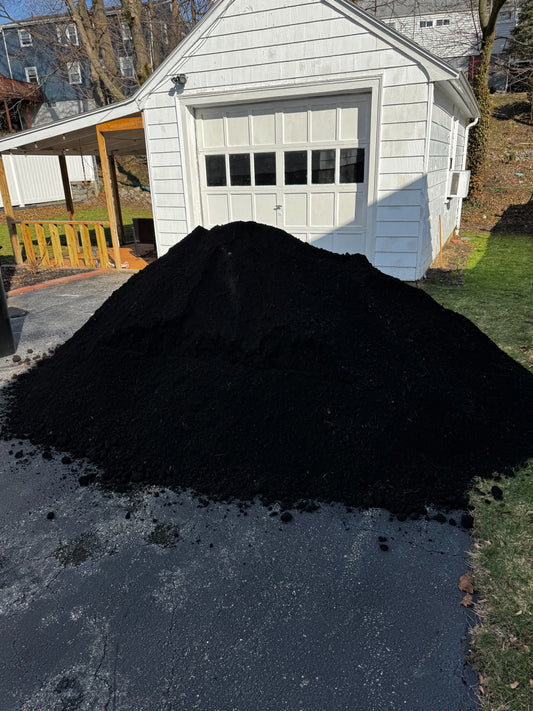
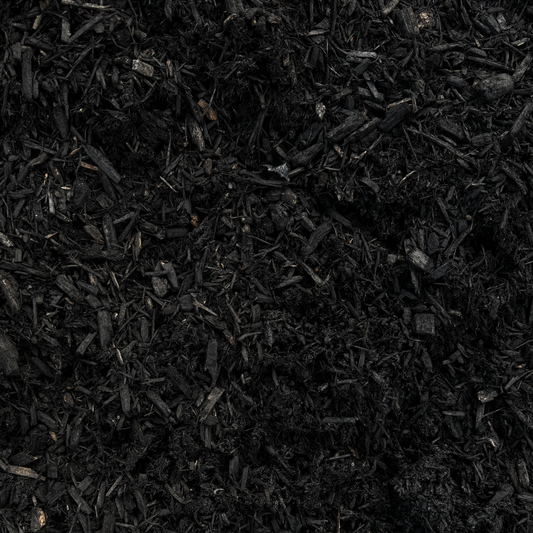
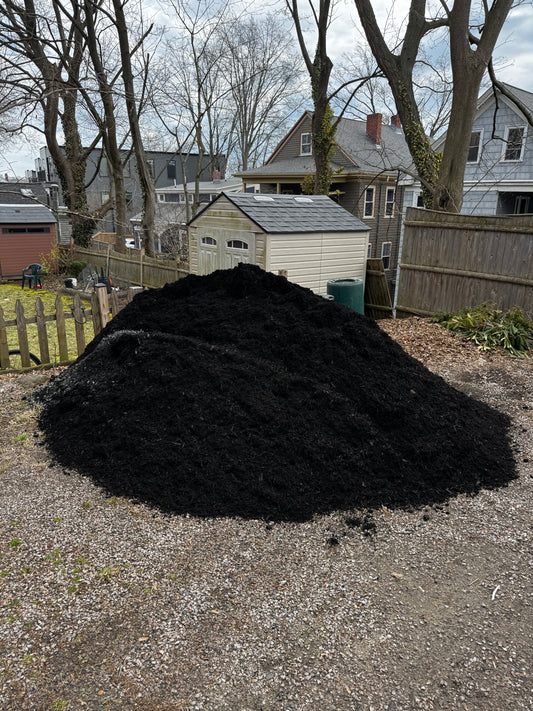
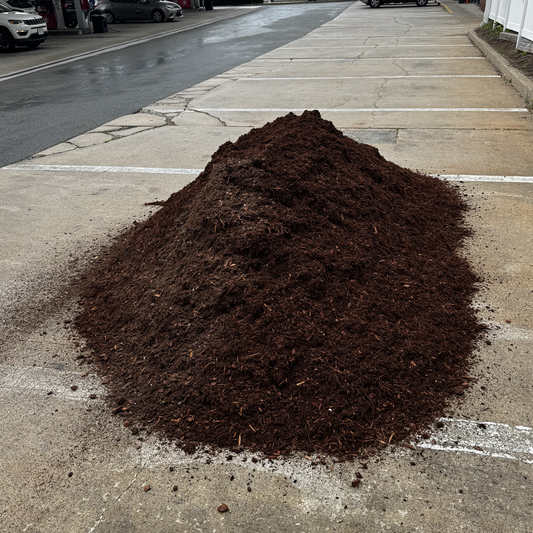
- Black Mulch gives the sharpest contrast against a fresh edge.
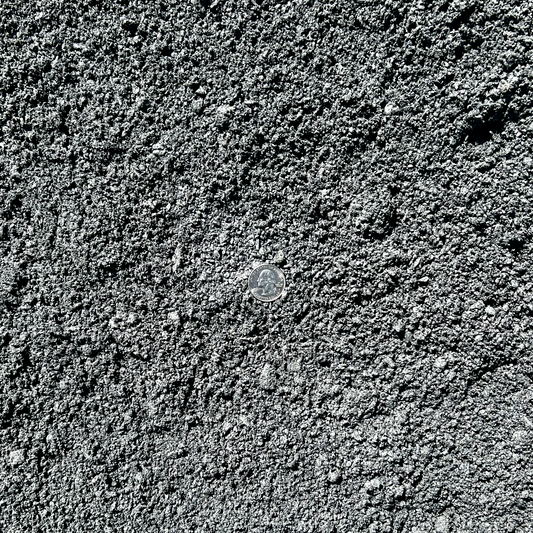
Natural mulch varies from load to load, so expect some range in color and texture. See every option in the mulch collection.
How do you edge and mulch a bed step by step?
- Mark the line. Lay a hose along the bed edge to set smooth curves.
- Cut the edge. Push a flat spade or half-moon edger straight down 2–3 inches, then angle the cut back toward the bed so the trench holds mulch.
- Clear the bed. Pull weeds, rake out matted leaves, and cut back spent perennials.
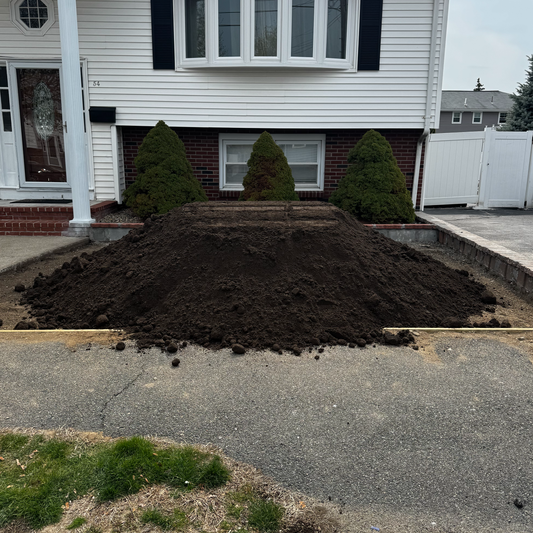
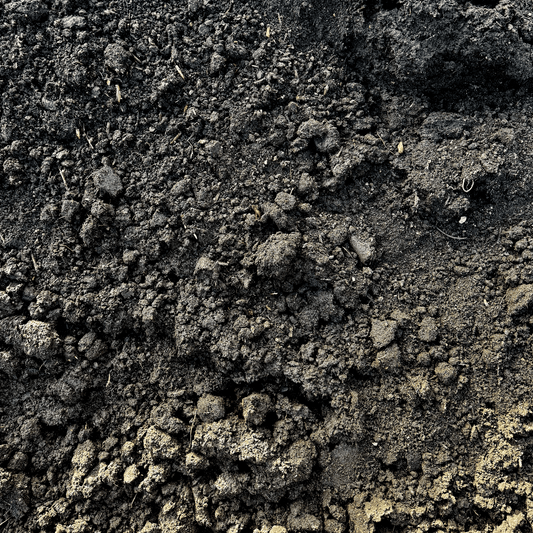
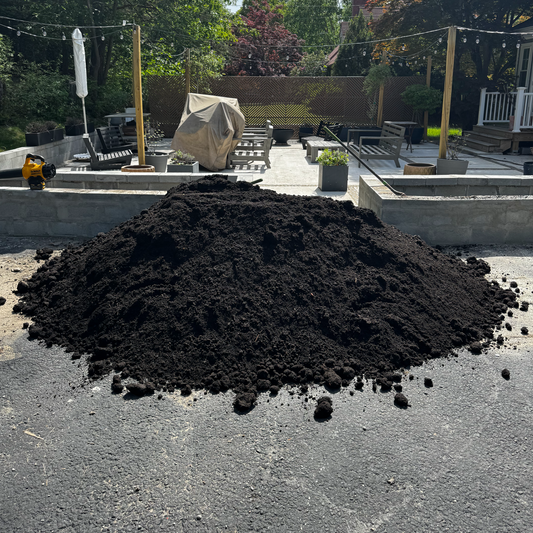
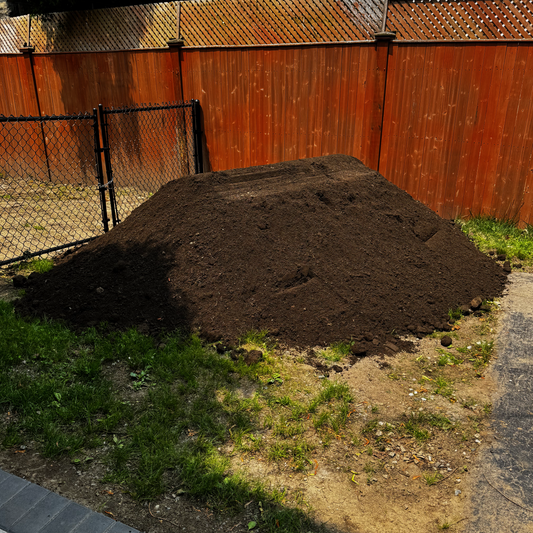
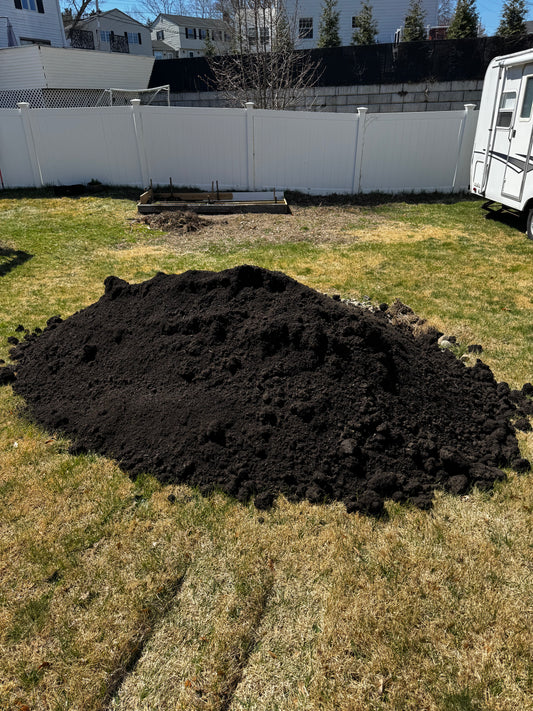
- Fix low spots. Fill dips and eroded areas with Garden Soil or Compost and firm it in.
- Spread mulch. Work in from the edge, 2 inches on existing beds and 3 inches on new ones. Pull it back 2–3 inches from stems and trunks.
- Water it in. A light soak settles the layer and keeps it from blowing.
For tool tips, read our guide to bed edgers. For coastal beds, see winter mulching on the Outer Cape. UMass Extension's landscape resources cover plant care by season.
Where should the delivery go?
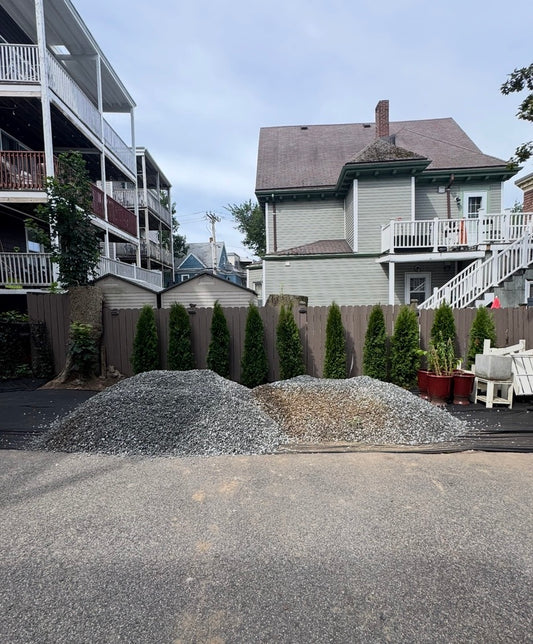
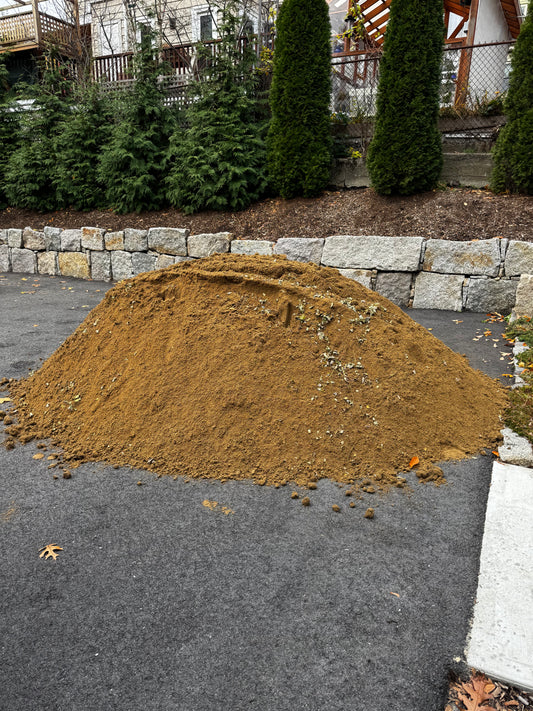
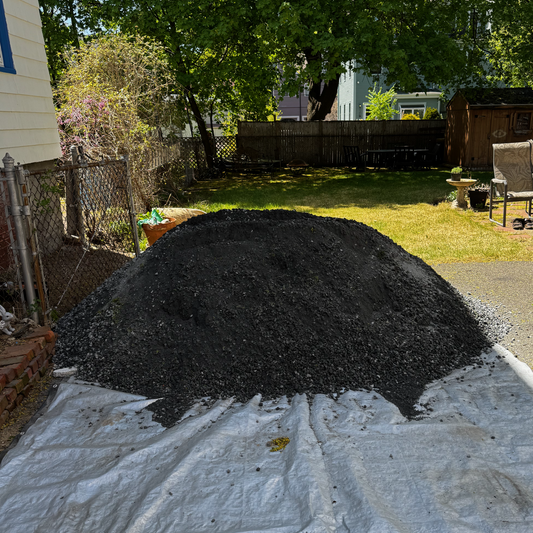
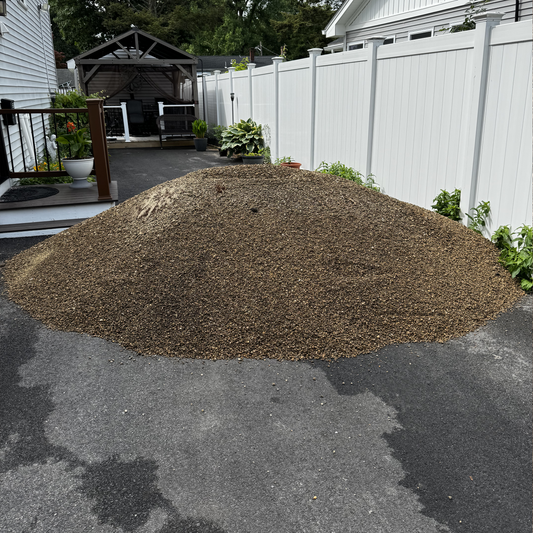
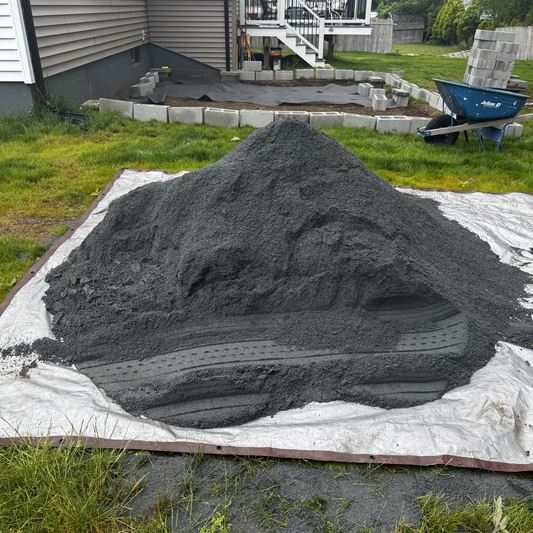
Drops are on the driveway or curbside by default. On-lawn drops are by request with a waiver. The truck needs about 13.5 feet of overhead clearance and 10 feet of width, and it cannot dump over fences. A tarp under the pile makes cleanup easier.
Frequently asked questions
Can I mulch over leaves?
Rake out matted leaves first. A thin layer of shredded leaves is fine underneath.
Is 4 inches of mulch better for winter?
No. Past 3 inches, mulch can hold too much moisture against roots and invite rodents.
Should I add soil before mulching?
Only where beds have sunk or eroded. Most established beds just need mulch.
Questions about a delivery? Call or text us at (617) 645-0987. You can also find local details on our Pembroke delivery page.