A warehouse can have a large parking lot and a much smaller section that controls the whole morning. If a truck cannot make the turn into the dock approach, work slows even when the employee spaces look clear.
For Bristol County operations, October is a useful time to walk that route before winter equipment and snow piles change the layout.
Which areas deserve separate attention?
Start at the entrance and follow a vehicle through a complete visit. Note braking points, tight turns, slopes, trailer parking, dock approaches, and the exit.
Then walk the employee route from parking to the door. Keep pedestrian maintenance separate from loader movements and active truck traffic. A single site map can show both without treating them as the same task.
For another working-yard example, see our transfer-station winter access article.
Which winter material fits the operation?
Review untreated rock salt for deicing and 50/50 salt-sand where the plan also calls for an abrasive component. Match the material to the pavement, equipment, and operating conditions.
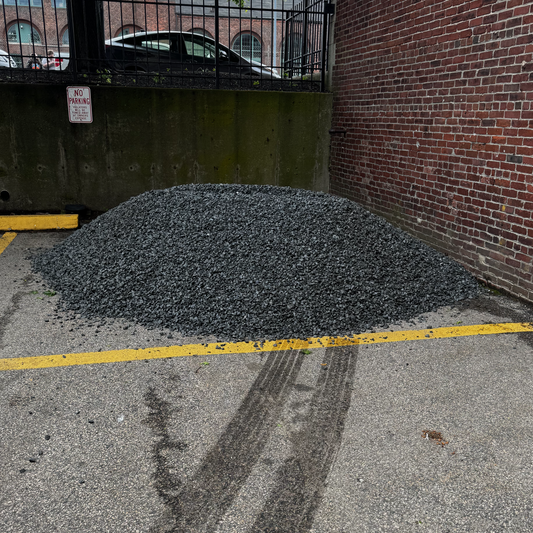
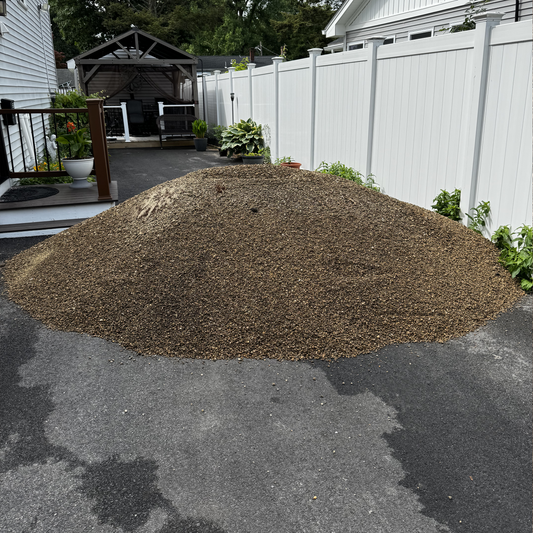
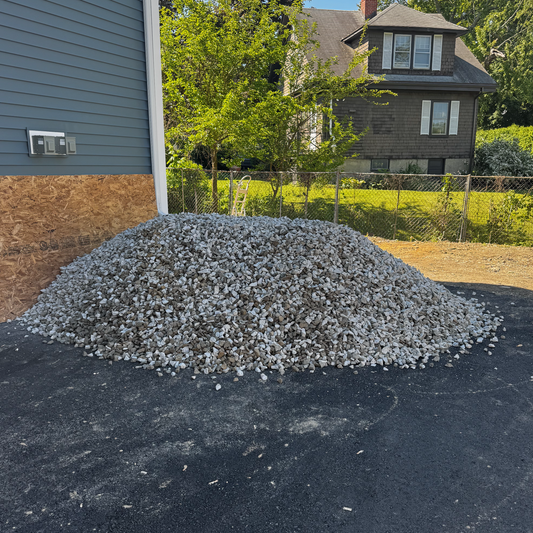
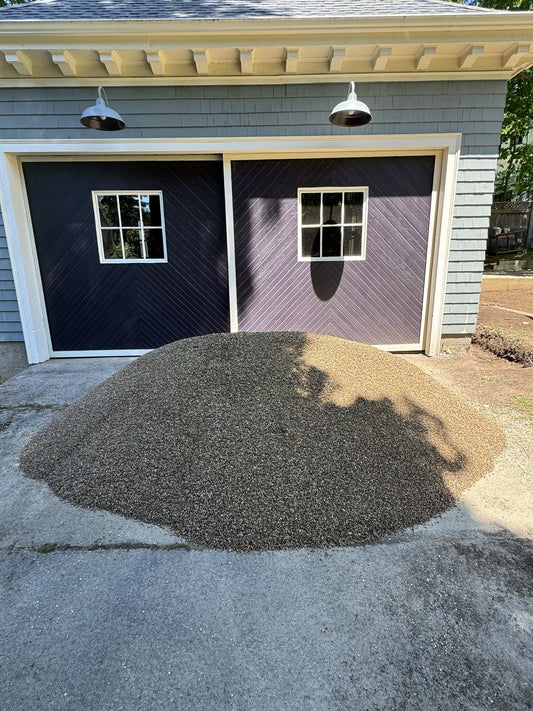
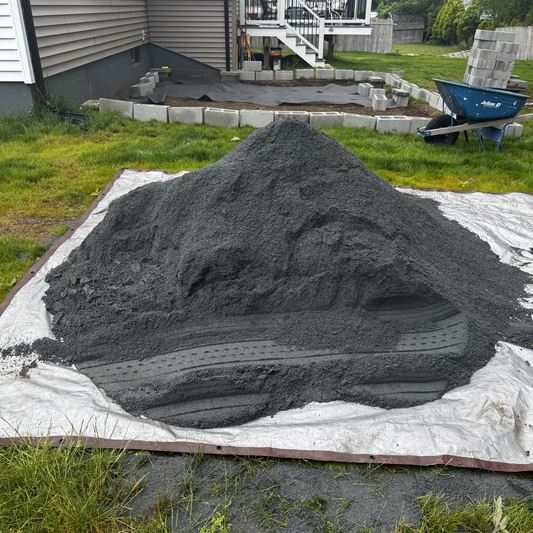
Do not select material from a photograph or another business’s order size. Your own site, maintenance records, and equipment determine the working choice.
How should you organize the reserve?
A reserve needs a location, a responsible person, and a refill trigger. Use consumption records to identify how quickly the pile can fall during consecutive treatments.
Write down the quantity that must remain when another delivery is arranged. A pile that looks substantial from a distance can still be below the amount needed for the next run of weather.
Keep materials identified and separate. If more than one blend is stored on site, make it clear which equipment and routes use each one.
What can you prepare before winter?
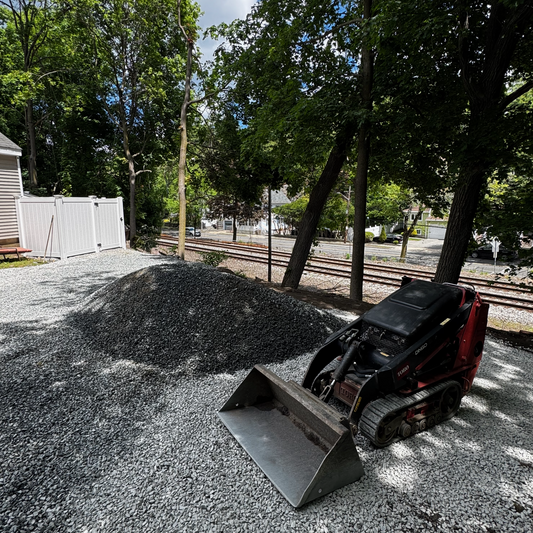
Test the loader and spreader, clear the delivery approach, and assign a receiving contact for each shift. Make sure the stockpile does not consume the space intended for snow storage.
Use National Weather Service Boston forecasts in daily operating decisions. A supply plan should remain workable when a storm overlaps a shift change or a busy delivery period.
Browse the winter materials collection and select the product for your operation. For a mixed melt-and-traction approach, start on the 50/50 product page. Build the quantity around your maintained area and replenishment plan, then keep actual use records through the winter.
Frequently asked questions
Should employee parking and truck routes share one estimate?
Measure them separately first. Different surfaces, equipment, and operating needs may call for different treatment plans.
Where should the reserve sit?
Use protected storage positioned so equipment can retrieve material without blocking the operation.
Is a large first order enough planning?
No. Assign an inventory owner and a refill trigger as well as an opening quantity.