At a transfer station, winter access is part of keeping the day’s work moving. Trucks need to enter the facility, reach the scale, travel to the dumping area, and leave. A slick transition in that route can affect more than one vehicle.
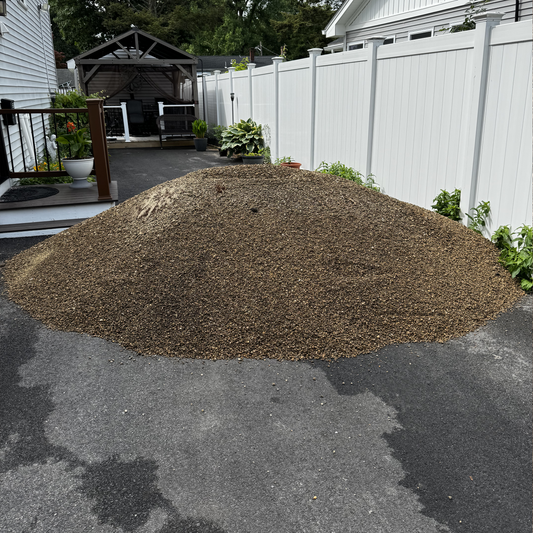
Waste Management is one of Ottr Landscape Supply’s clients and mainly buys 50/50 salt-sand mix for its transfer-station operation. That is a practical example of matching winter material to a working vehicle route.
Why does 50/50 fit this conversation?
Ottr’s 50/50 product combines salt and sand. The salt component addresses ice under suitable conditions; the sand adds an abrasive component. The blend is worth considering where a maintenance team wants both functions in its winter material.
That does not mean every transfer station needs the same blend or quantity. Surface condition, slope, truck traffic, weather, and application equipment all influence the plan. Review the winter product range against the actual site.
Where should the winter plan concentrate?
Walk the complete truck route with the operations team:
- Gate and queue: leave room for arriving vehicles without blocking the road.
- Scale approach: inspect the stopping and starting area, including water that crosses it.
- Travel to the tipping area: identify turns, shaded sections, and grade changes.
- Exit: check the final merge, turning area, and route back to the road.
- Pedestrian routes: keep staff movement separate from active truck paths.
Coordinate treatment around scale equipment and manufacturer instructions. Material should not accumulate where it interferes with equipment, drainage, or housekeeping.
How should the site plan its stockpile?
Use the site’s own storm records, operating hours, and consumption history. Set a reorder point that allows for continued operation while a refill is arranged. Keep a responsible contact for both deliveries and material use.
The stockpile should be accessible without sending a loader through an active truck queue. Staff also need a plan for retrieving material before the first arrivals of the day.
MassDOT’s road treatment overview explains why snow removal and material application work together. The product is one part of the operation.
What can another business learn from this example?
Write down the movements that cannot stop, then choose the material and supply quantity around those movements. This applies to trucking yards, loading areas, and service facilities as well as transfer stations.
For a melt-and-traction blend, start with Salt & Sand 50/50. For background on selecting winter material, read our East Boston winter material Q&A.
Frequently asked questions
Does this describe every Waste Management facility?
No. This example concerns the customer relationship and transfer-station use described by Ottr, without identifying a particular facility.
Is 50/50 a substitute for plowing?
No. The site still needs snow removal, inspections, and an application plan suited to conditions.
How many yards does a transfer station need?
Use the site’s maintained area, equipment, actual consumption, and replenishment plan. There is no universal transfer-station quantity.