Three moves carry an Easton vegetable garden through July: mulch the rows 2 to 3 inches deep with undyed pine bark or hemlock, water deeply once or twice a week instead of daily, and side-dress with compost to restart stalled growth. Easton delivery is $100 flat — all four ZIPs sit inside our 30-mile zone.
Do you deliver to Easton, and what does it cost?
Yes, and Easton is unusual. Most of Bristol County sits outside our 30-mile flat-rate zone and pays $100 plus $4 for every driving mile beyond 30. Easton does not. At 26.1 miles from our Dispatch Office in Dorchester, all four Easton ZIPs — 02334, 02356, 02357 and 02375 — fall inside the flat zone, so delivery is $100 per load with no mileage added. That makes Easton the cheapest town in the county for bulk material.
Why does July stall an Easton garden?
Easton is inland, on the heavier side of the county's soils — glacial till with clay and silt in the mix, and wet ground on the western edge of town toward the Hockomock Swamp. Heavy soil holds water longer than the sandy coastal soils down in Dartmouth, but when it dries it crusts and cracks, and those cracks vent moisture straight out of the root zone. Tomatoes and peppers also drop blossom rather than set fruit once nights stay warm, and beans and squash run out of the nitrogen they were planted with.
How should I mulch a vegetable garden in July?
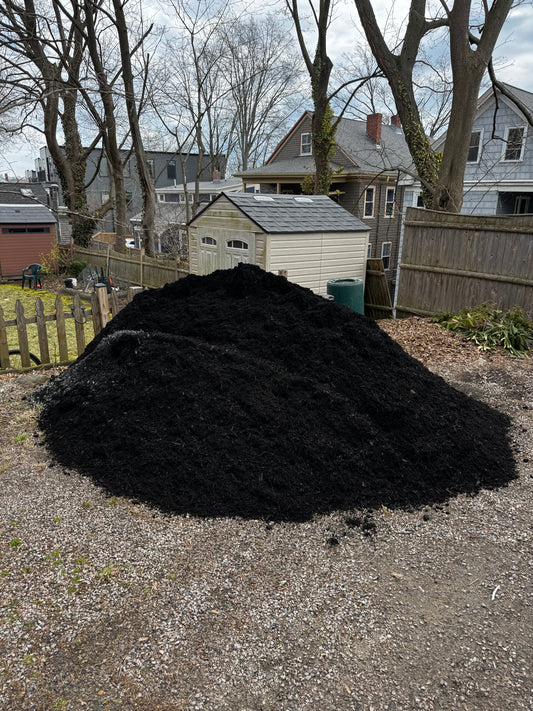
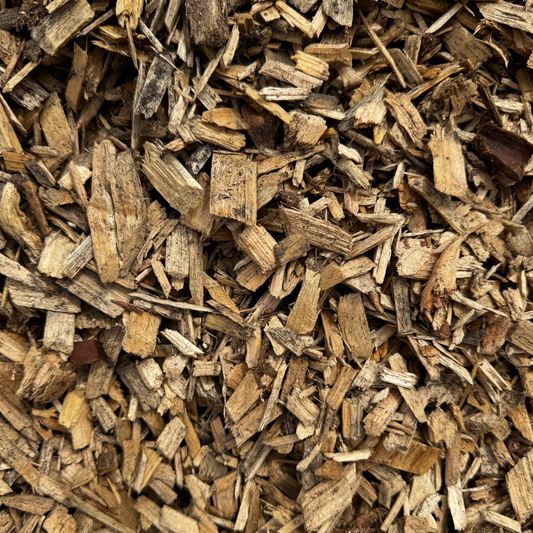
- Undyed mulch only around food crops. Black Mulch is dyed double-ground hardwood — good product, wrong place.
- 2 to 3 inches between rows and on paths, not mounded against stems. Leave a couple of bare inches at each plant's base so you can water in and stems stay dry.
- Water before you mulch, or you have sealed the drought in.
| Mulch | $/yd³ | Dyed? | Around food crops |
|---|---|---|---|
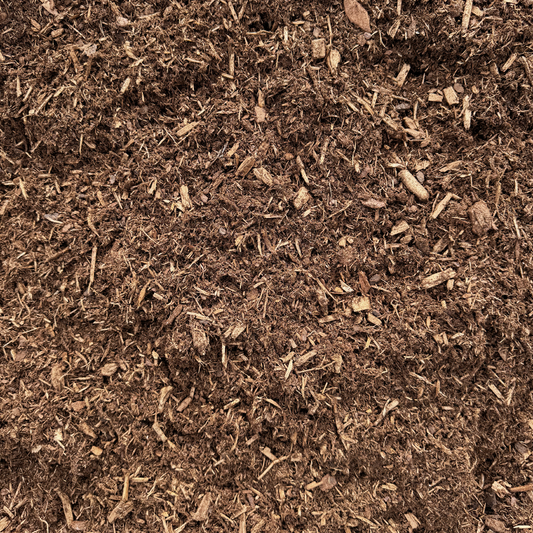
| Pine Bark | 55 | No | Yes — nuggets resist washout |
| Hemlock | 63 | No | Yes |
| Black | 58 | Yes | No — ornamental beds only |
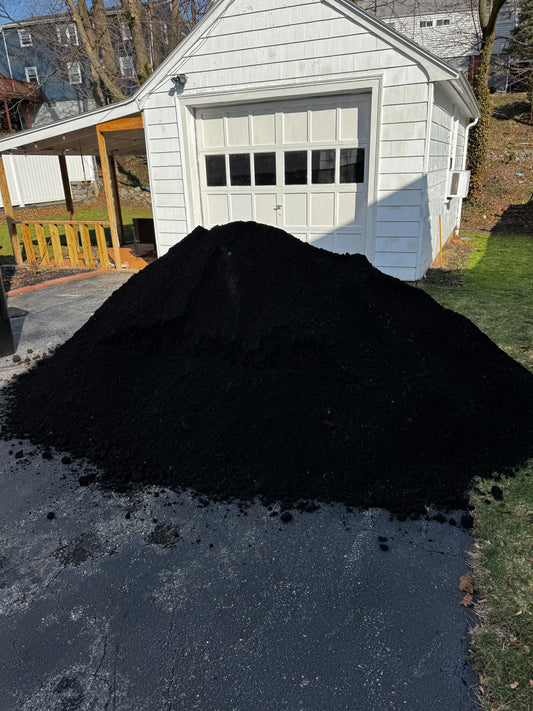
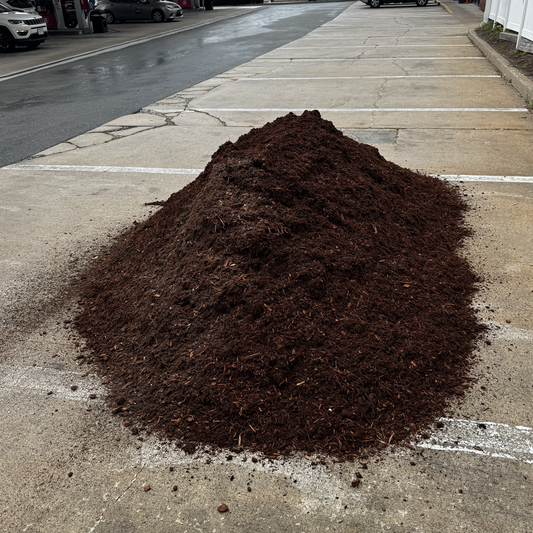
For quantity, cubic yards = (square feet × depth in inches) ÷ 324: 300 square feet of paths and row gaps at 2½ inches is 2.3 yards, one load and one $100 fee, since mulch caps at 10 yards per truck trip. One cubic yard covers about 100 sq ft at 3 inches, 160 sq ft at 2 inches.
How much water, and how often?
- Aim for about 1 inch per week on established beds, 1½ in a hot dry stretch.
- Deliver it in one or two long soaks. A daily sprinkle wets the top inch and trains roots to stay there, where the July sun reaches them.
- Water early, and check with a screwdriver: in 6 inches easily, you are done; stops at 2, keep going.
What side-dressing restarts growth?
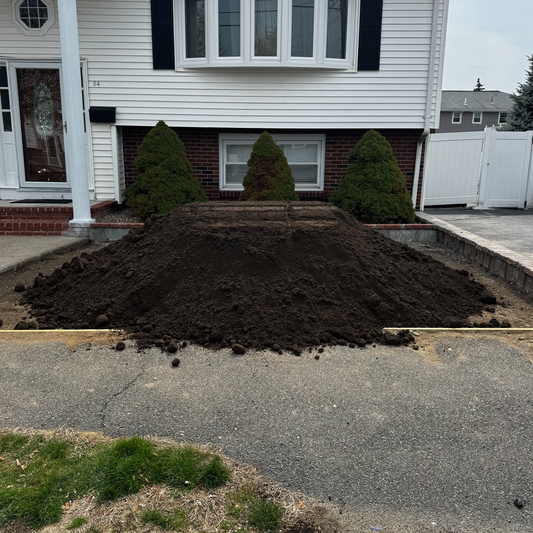
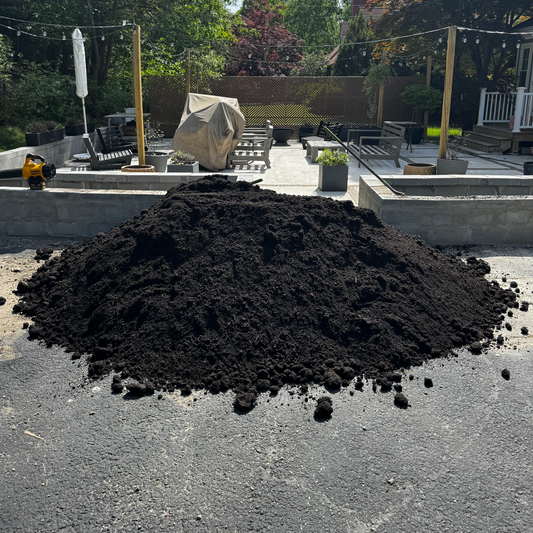
Pull the mulch back from the row, lay a 1-inch band of compost ($50/yd) along both sides 3 to 4 inches out from the stems, scratch it into the top inch only — deeper cuts feeder roots — then water it in and pull the mulch back over. Heavy feeders such as tomatoes, squash, corn and brassicas respond within a couple of weeks; root crops and legumes generally do not need it.
The UMass Extension Vegetable Program has crop-specific timing, and the US Composting Council describes what finished compost should look and smell like.
Frequently asked questions
Can I use black mulch in a vegetable garden?
No. Black Mulch is dyed double-ground hardwood — use undyed Hemlock or Pine Bark around food crops.
Is it too late in July to plant?
No. Bush beans, summer squash, cucumbers, beets, carrots and a second lettuce sowing all still have time in Easton.
My tomatoes flower but do not set fruit. Why?
Usually heat. Fruit set drops off when nights stay warm; keep water steady and the plants fed and they will set again when nights ease.
Shop raised garden bed materials and the mulch range, or price Hemlock Mulch and Compost by the yard. Local delivery is on the Easton landscape supply page — text (617) 286-2740 for help sizing a load.
Related reading: How to Set a Patio Base That Holds in Mashpee Sand and 5 Ways to Stop Erosion on a Brewster Slope.