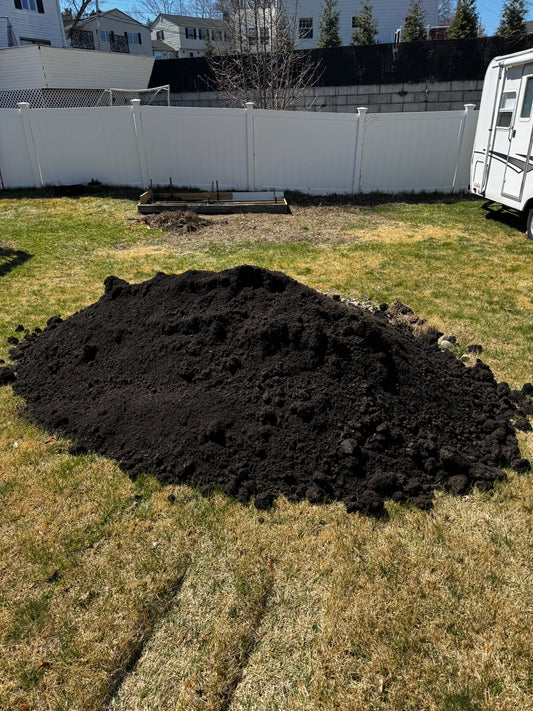
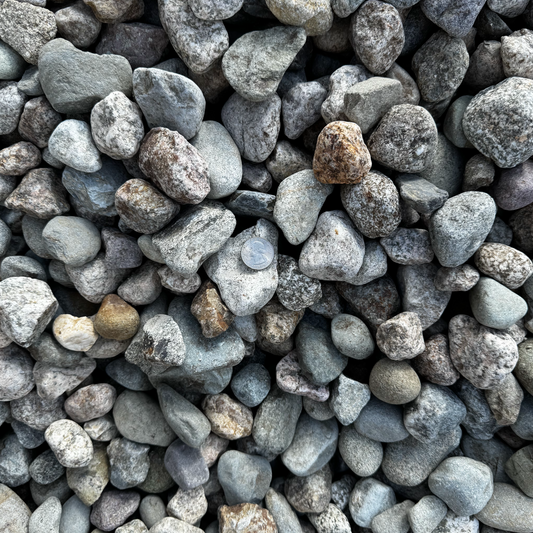
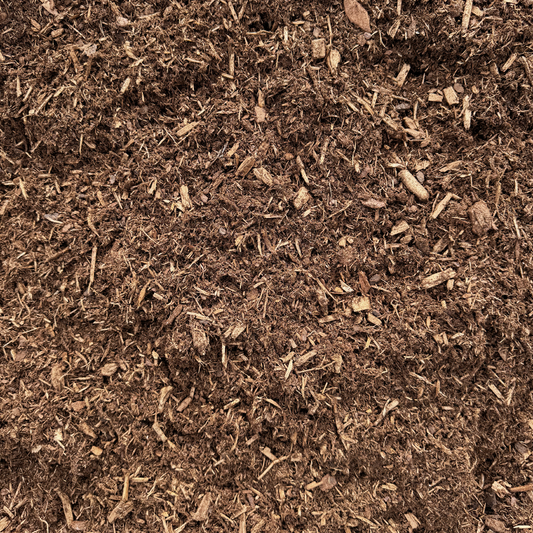
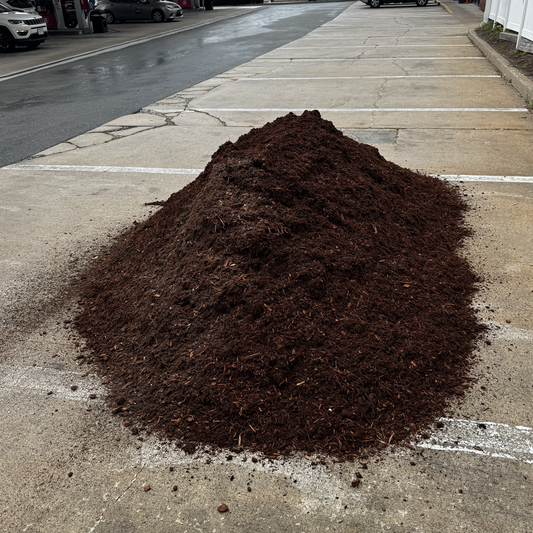
Mashpee sits on the glacial outwash plain — washed sand and gravel from Popponesset out to the Waquoit Bay side, sometimes twenty feet deep. Drainage is the one problem you do not have here. Movement is. Clean sand has almost no cohesion, so it shifts under load and swallows an unseparated base course.
Step 1 — Locate utilities and set your excavation depth
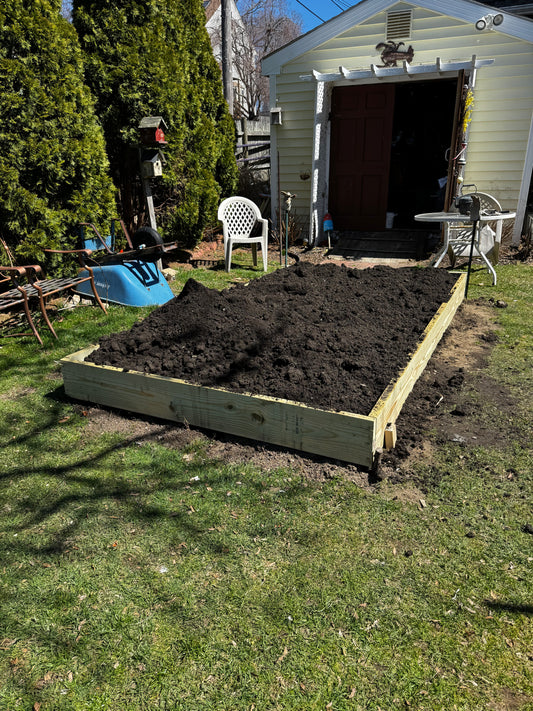
Call 811 first. For a standard 2⅜-inch paver you want six inches of compacted base plus one inch of bedding — about nine and a half inches of excavation, sloped an inch per eight feet away from the house.
Step 2 — Compact the sand subgrade before anything goes on it
The step most DIY builds skip, and the one that matters most here. Loose outwash sand looks solid and is not: mist it lightly, then run a plate compactor over the excavation floor until it stops sinking underfoot. If a spot stays soft, dig it out and replace it with base material.
Step 3 — Lay geotextile separation fabric
On sand this is not optional. Without it, base fines migrate into the subgrade and subgrade sand pumps up into the base every freeze-thaw cycle; five winters later the patio has settled unevenly and the only fix is to take it up. Non-woven geotextile across the excavation, lapped up the sides, keeps the two materials separate. The Interlocking Concrete Pavement Institute publishes the full specification.
Step 4 — Build the base in lifts and compact each one
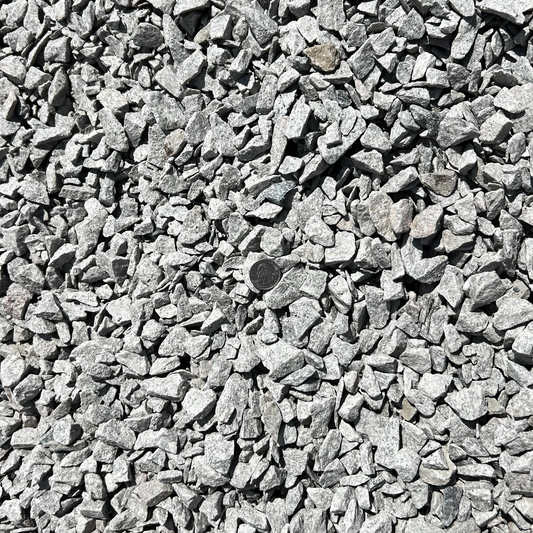
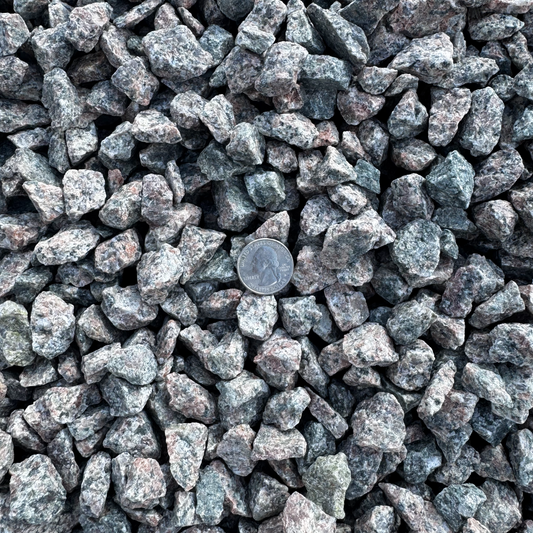
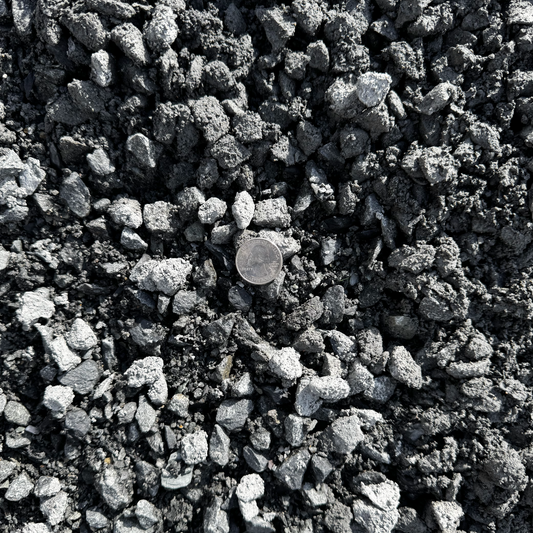
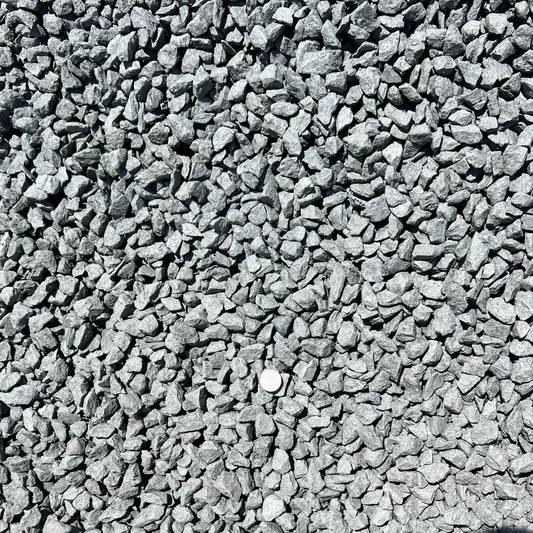
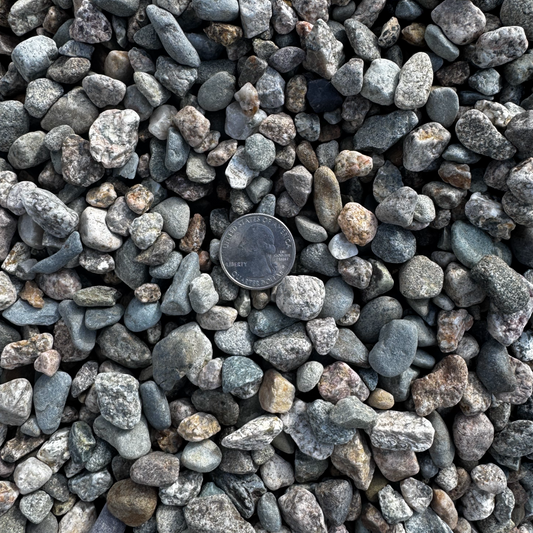
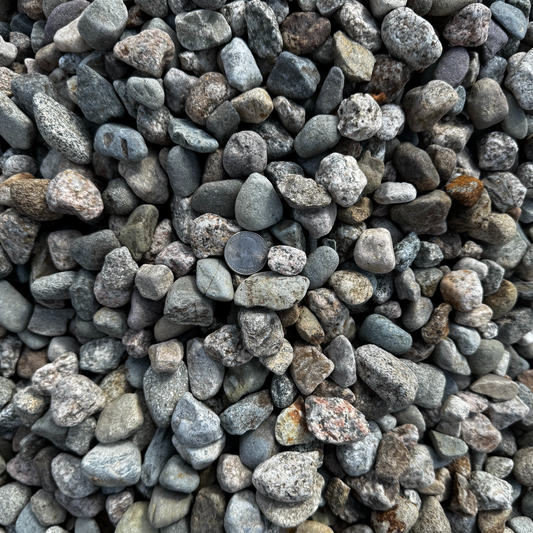
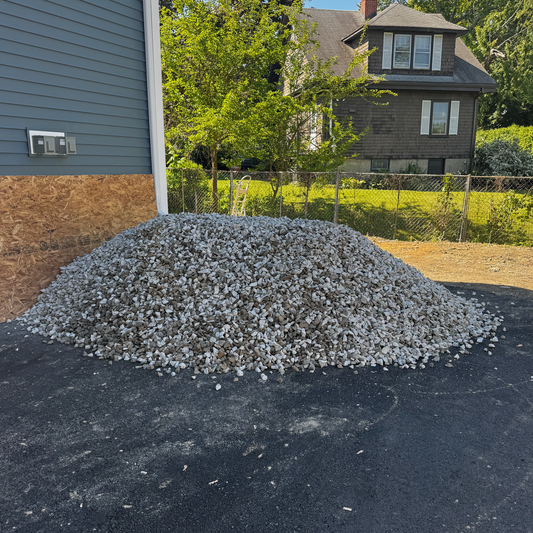
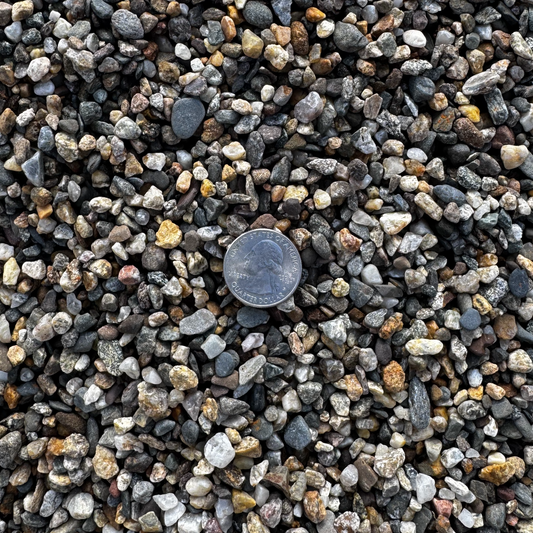
Dense Pack ¾" to minus at $76 a yard locks up hard under a compactor. Spread it in two-inch lifts, compacting each before the next. Six inches placed in one go is not a six-inch base; it is a two-inch base under four inches of loose stone.
Step 5 — Screed the bedding course and set the pavers
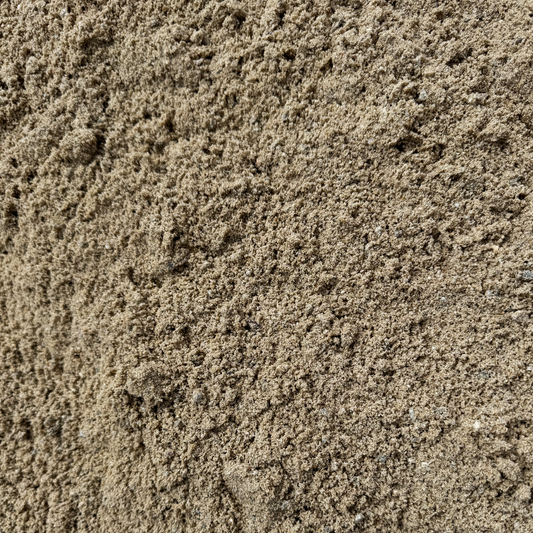
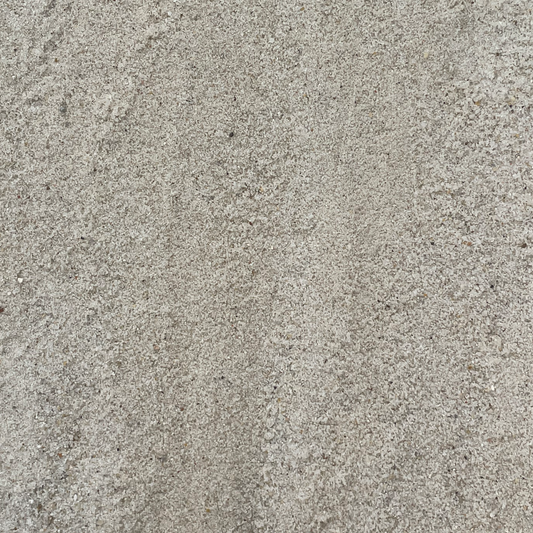
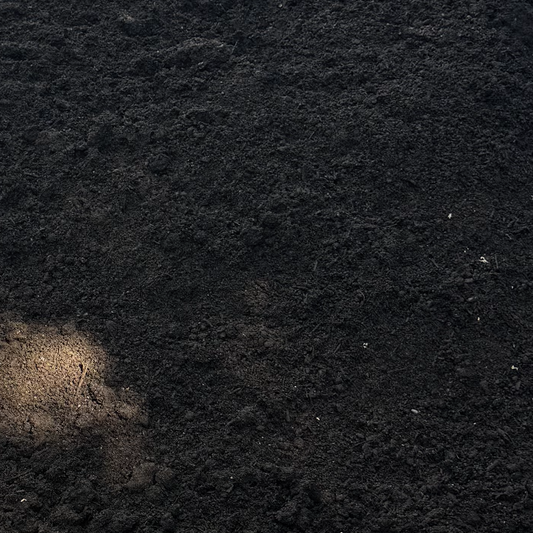
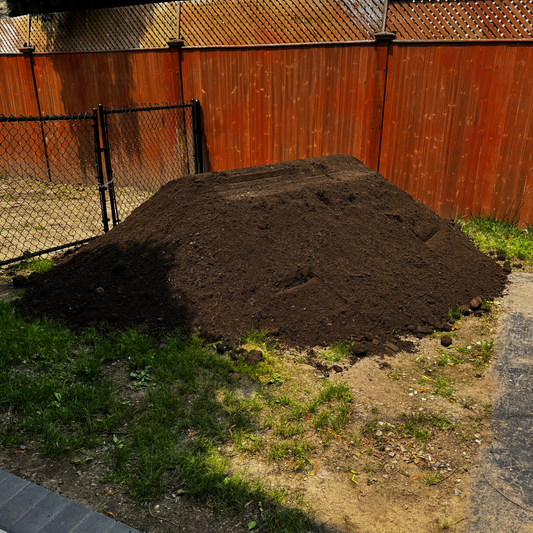
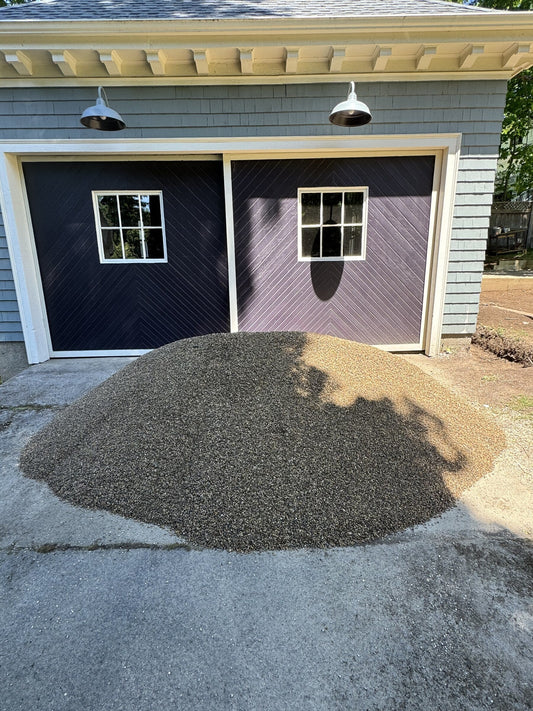
One inch of Paver Sand at $60 a yard, screeded level and left uncompacted. Set pavers straight onto it, then compact, sweep in joint sand and compact again.
Step 6 — Install edge restraint. Every edge.
An outwash subgrade gives no lateral support at all, so unrestrained perimeter pavers walk outward, joints open, and failure spreads inward. Spike plastic or aluminium restraint into the base, not the bedding sand.
How much material does a 12-by-16 patio need?
192 square feet. Use cubic yards = (square feet × depth in inches) ÷ 324:
| Layer | Depth | Material | Yards by formula | What to order |
|---|---|---|---|---|
| Compacted base | 6" | Dense Pack ¾" to minus | 3.6 | 4.5 yd (allows for compaction) |
| Bedding course | 1" | Paver Sand | 0.6 | 1 yd |
What will delivery to Mashpee cost, and can it come on one truck?
Delivery to Mashpee is $238 per load — one figure for the whole town, a single ZIP about 64 driving miles out, priced at $100 per load inside 30 miles plus $4 for every mile beyond.
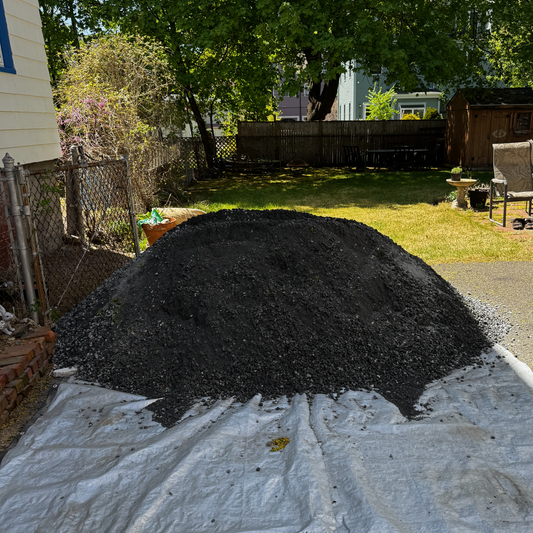
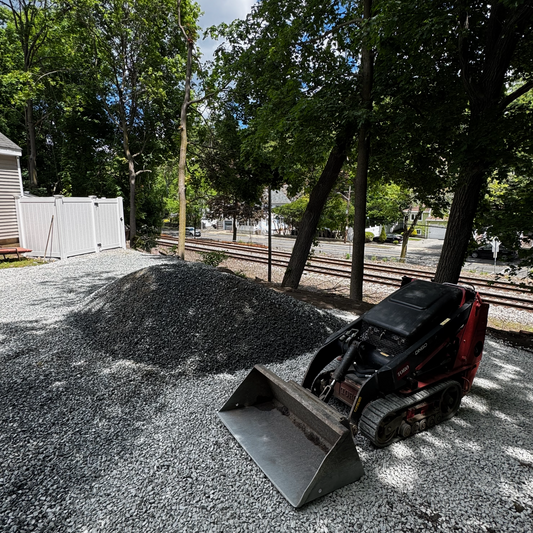
Now the honest part. Base and bedding sand are two line items, and loads count per line item — two trucks, $476 of freight. You need both, so make both earn it: stone and sand cap at six yards per trip, and 4.5 yards costs the same freight as 6.
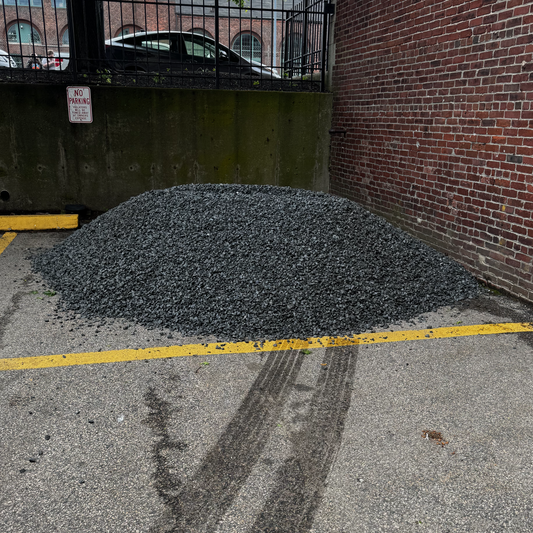
- Base load: take the full six yards. The extra 1.5 is a 3-by-15 walkway or a shed pad, delivered free.
- Sand load: one yard behind a $238 delivery is the expensive part of this project. If a sandbox or second walkway is in your plans, order that sand now.
Browse patio and walkway base materials and the bulk sand range, with addresses under Mashpee Landscape Supply. The town-by-town fee table is in Barnstable County delivery, explained, and the Cape Cod Commission covers wetland buffers.
Frequently asked questions
Can I skip the base and set pavers straight on the sand?
You can, and it will look fine for a season. Sand has no bearing strength under point loads, so expect rocking, spreading joints and standing water within a year or two.
How deep should the base be on sandy subgrade?
Six inches compacted for foot traffic; eight to ten if vehicles will ever drive on it.
Is stone dust a substitute for paver sand?
Different jobs. Stone dust compacts hard, which suits a base; a bedding course must stay loose so pavers can seat.
Put your Mashpee ZIP into the checker for an exact price, or text (617) 286-2740 with your patio dimensions.