Quick Answer
Yes, your Boston lawn will survive a two-week July vacation. A healthy cool-season Boston lawn — Kentucky bluegrass, fescue, ryegrass mix typical of Allston, Roslindale, Dorchester, West Roxbury — can go dormant for 4 to 6 weeks without dying. It will turn brown if you don't water; the crowns and roots remain alive. The real choice isn't whether to water but whether to commit to full dormancy (no water, brown but alive) or a maintenance schedule (1 inch per week, stays green). Picking one and sticking with it is what saves the lawn.
The Boston Lawn Reality
Most Boston front and back yards run cool-season grasses that evolved to handle exactly this scenario — summer heat and intermittent drought, then a fall comeback. The mistake homeowners make is partial watering: a quick sprinkle when they remember, then nothing for a week. That signals the lawn to keep growing surface roots, then those roots crisp in the next dry stretch. Dormancy is the lawn's natural defense — you just need to let it work or replace it fully.
Q: Will my Boston lawn die if I leave it for two weeks in July?
A: No. A healthy Boston lawn won't die from two weeks of neglect. It may turn straw-colored and look dead — that's dormancy, not death. The growing point (crown) and roots stay alive for 4 to 6 weeks of drought. Within 2 weeks of regular water resuming (or the first significant fall rain), green growth restarts.
Q: How much water does a Boston lawn need to stay green?
A: 1 inch per week, delivered in 2 deep waterings. Two ½-inch cycles, three to four days apart, at dawn. Most rotary sprinklers deliver about ¾ inch per hour, so 45 minutes per zone gets you there.
For the full vacation-watering setup, see How to Time Sprinklers for a Plymouth County Vacation Week — same math applies in Boston.
Q: Should I let my lawn go dormant or pay to keep it green?
A: For most Boston yards, dormancy is the smarter choice. Reasons:
- Boston water rates are high — 2 weeks of "vacation watering" can run $40–$80 in metered water alone.
- Some neighborhoods have summer outdoor-water restrictions you may not be tracking.
- Dormant lawns recover fully by mid-September when fall rains return.
The exceptions: front yards in HOA-style neighborhoods where appearance matters, or if you've just installed sod and the roots aren't fully established. New sod within 60 days of install must be kept watered — it can't survive dormancy.
Q: Can I just ask a neighbor to water once?
A: One mid-vacation watering is worse than none. It signals the lawn to break dormancy, then leaves it stranded when the watering stops. Set a battery hose timer instead — $30 at any hardware store buys a 2-cycle weekly schedule that runs autonomously. Or commit to full dormancy and water deeply on return.
Q: What about my flower beds and containers?
A: Beds and containers need a different plan than the lawn. Lawn dormancy works because cool-season grasses evolved for it. Annuals, perennials in their first year, and containers haven't. Run a soaker hose on the foundation beds Wednesday morning for 30 minutes; rig a drip emitter on a daily timer for containers. For container-specific guidance, see Top 5 Container Garden Plants for Suffolk County Summer Heat.
Q: Will my lawn look bad when I get back?
A: If dormant, yes — straw-colored and crispy. That's not failure; that's the lawn surviving. First mow on return, raise the deck to 4 inches and only mow once growth resumes. Don't fertilize a dormant lawn — that's a waste and risks burning the crowns when they wake up.
Q: How do I tell dormancy from death?
A: Pull at the brown blades. Dormant grass holds firmly to its crown — the blade may snap but the base resists pulling out of the soil. Dead grass pulls out cleanly with a small clump of soil. If you can pull it out, it's dead and that patch needs reseeding in early September.
Q: Should I treat the lawn before I leave?
A: No fertilizer, no herbicide, no nothing. July is the wrong month for fertilizer regardless of vacation plans — UMass Turf research shows nitrogen applied in July heat creates more disease pressure than benefit. Skip the pre-vacation "boost" and let the lawn coast.
For the full UMass Turf summer-care recommendations, the UMass Turf Program is the authoritative source.
Q: What's the recovery plan when I'm back?
A: Start with one deep watering of 1 inch. That signals the crowns to break dormancy. Then return to the 2-deep-waterings-per-week schedule until fall rains take over. If you have bare spots that don't recover by mid-August, reseed in early September — that's the prime cool-season seeding window for Boston.
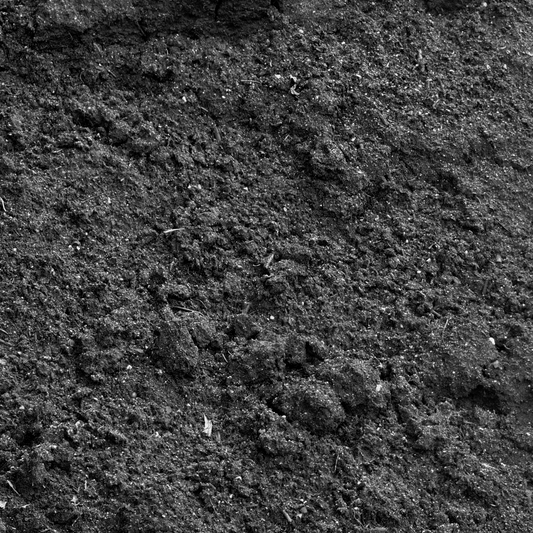
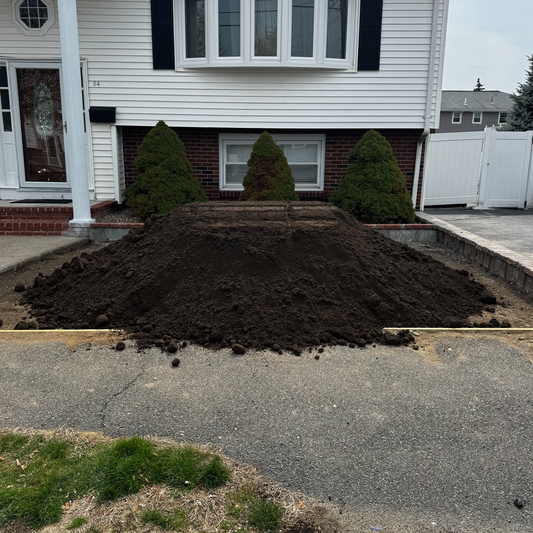
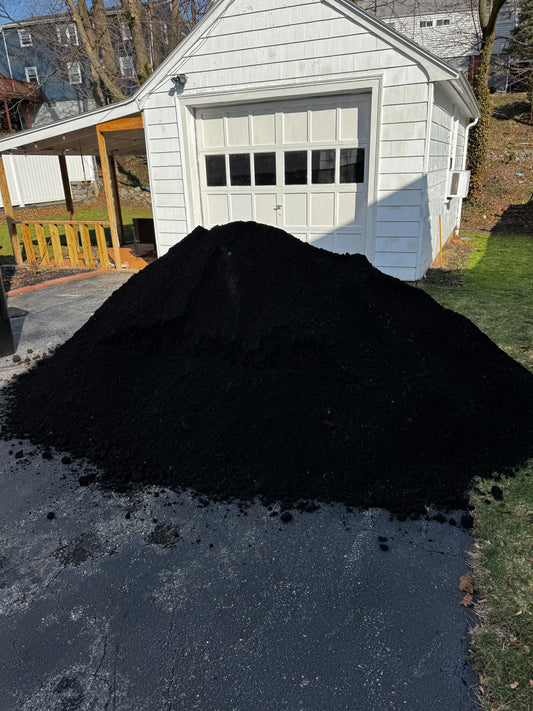
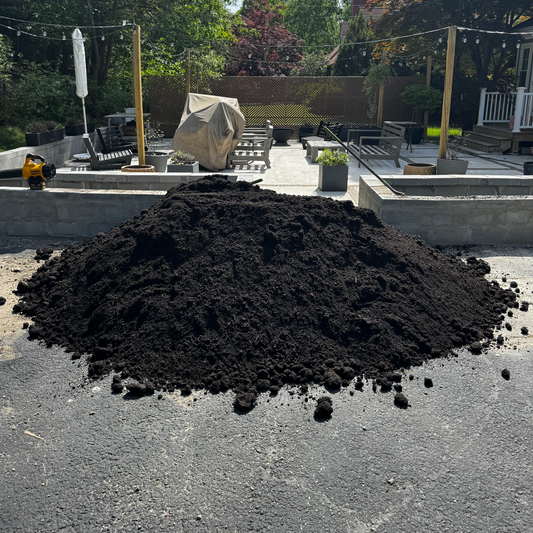
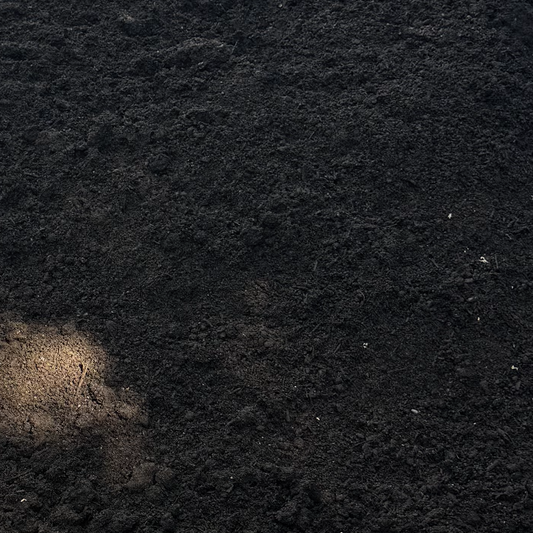
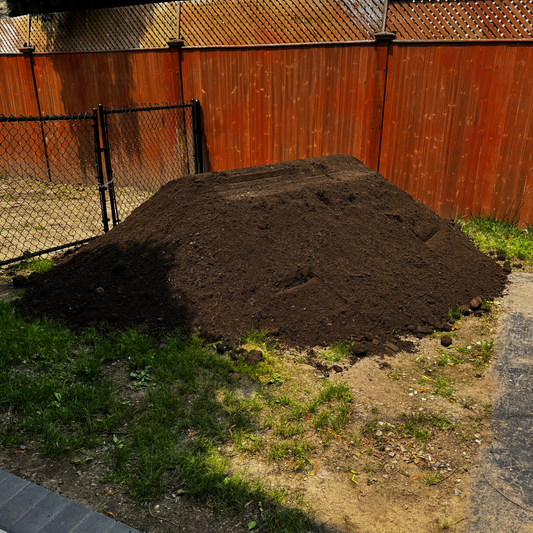
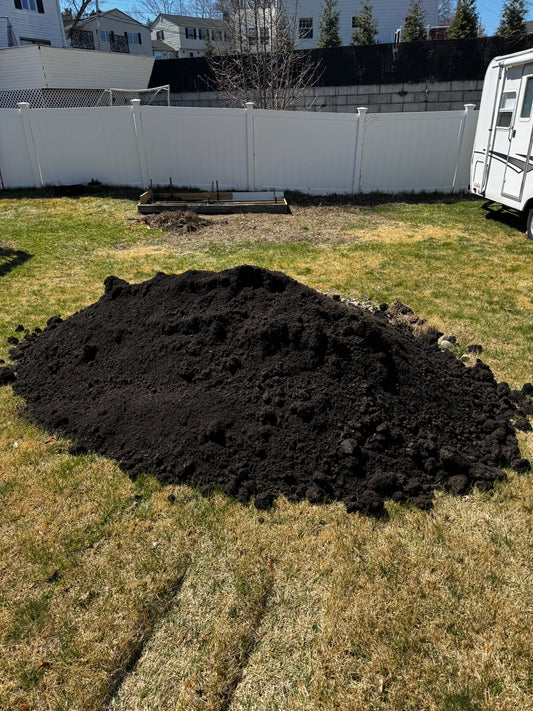
For lawn repair material, browse lawn leveling and repair. For the broader Boston landscape supply catalog including Topsoil Loam ½" Screened and Super Loam, see the full collection.
Q: What's the worst-case-scenario plan?
A: If a heat dome hits during your vacation and the lawn looks dead on return, reseed the worst patches in early September with a Kentucky bluegrass / fine-fescue mix on top-dressed Topsoil Loam ½" Screened. Most "dead" Boston lawns in mid-August recover with rain alone. The September seeding catches the spots that didn't.
The Boston Vacation Lawn Playbook
- Choose your lane: full dormancy or 1 inch/week timer-driven watering.
- If watering: battery hose timer, 2 deep cycles per week at 5 AM.
- Beds and containers: separate soaker + drip schedule (lawns and beds are different).
- No fertilizer or herbicide pre-vacation.
- On return: one deep 1-inch watering, then resume normal schedule.
For the broader Boston bed-and-mulch-side questions, see Hardwood Mulch After 4 Months in a Stoneham Front Bed. For the long-term answer to recurring drought, How to Conserve Water in a Cape Cod Yard During a Dry Spell covers the structural fixes.