Quick Answer
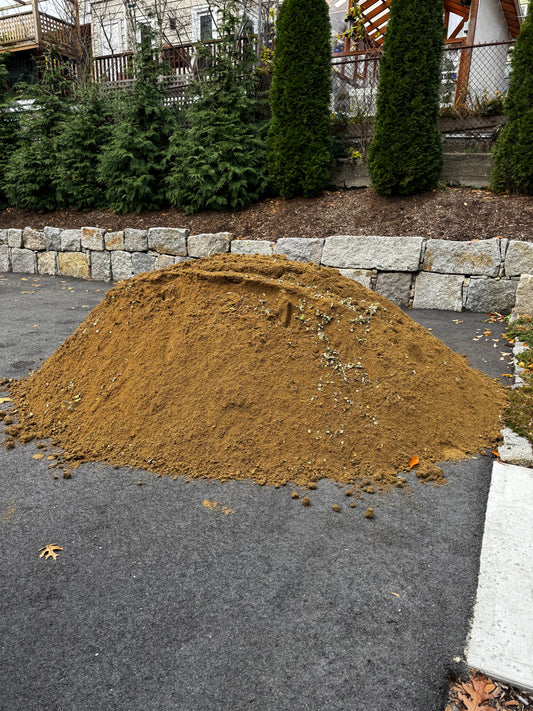
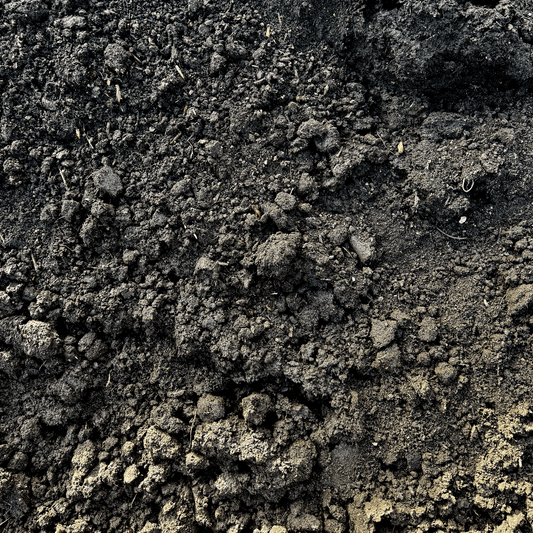
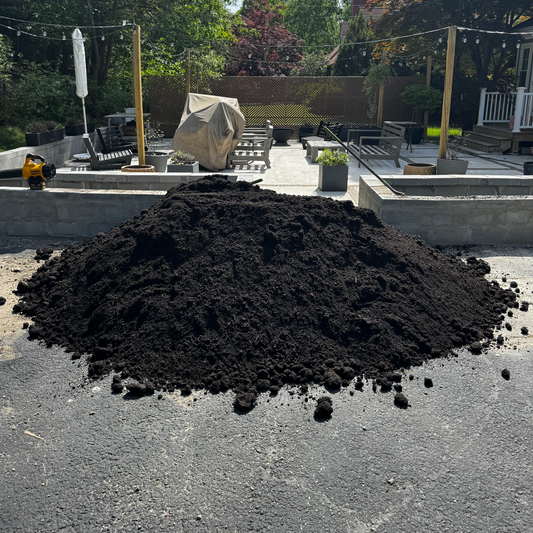
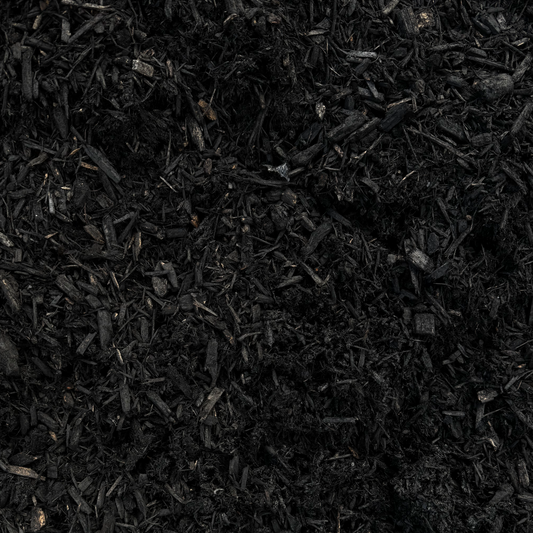
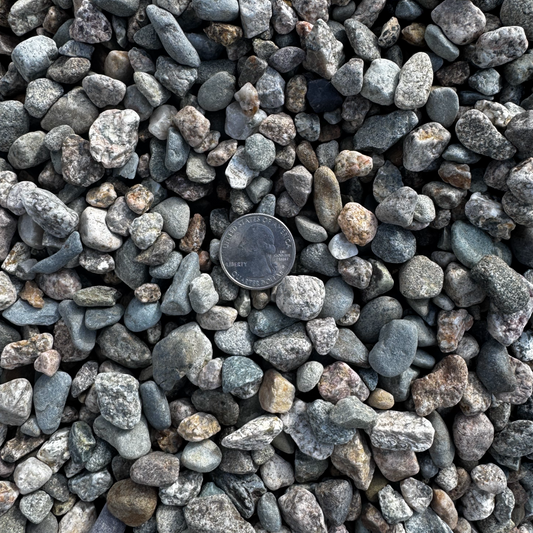
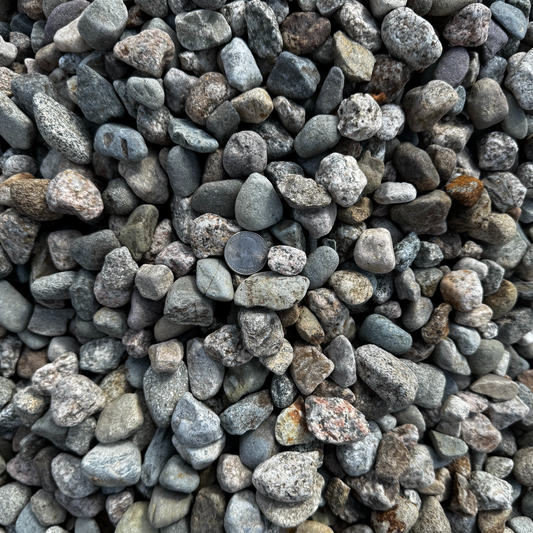
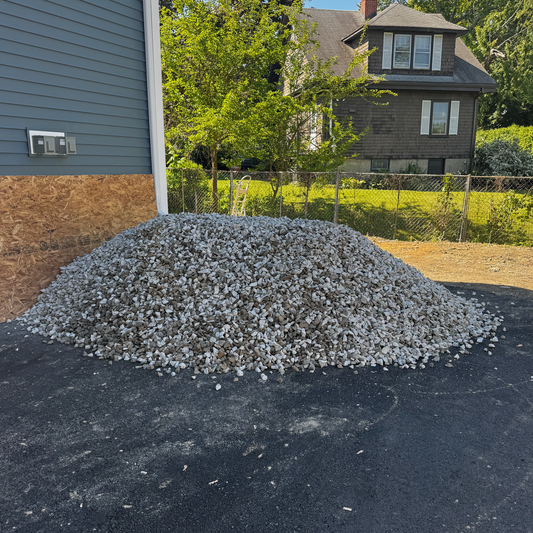
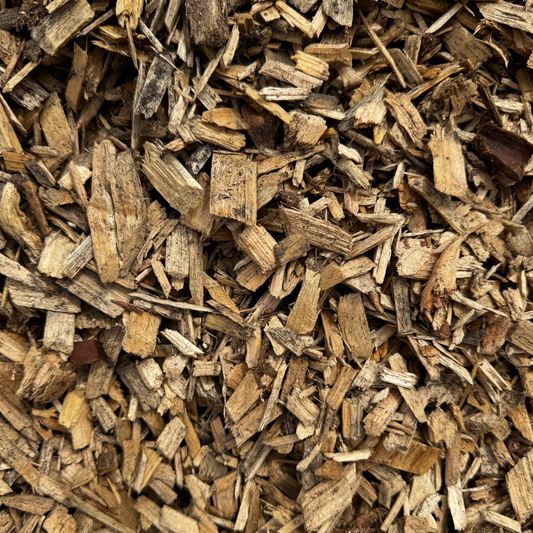
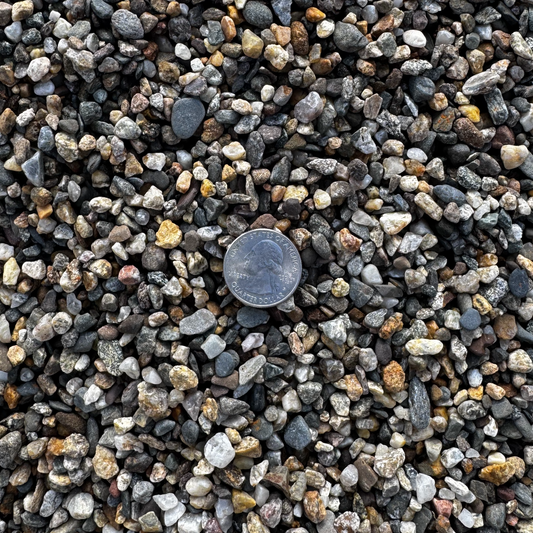
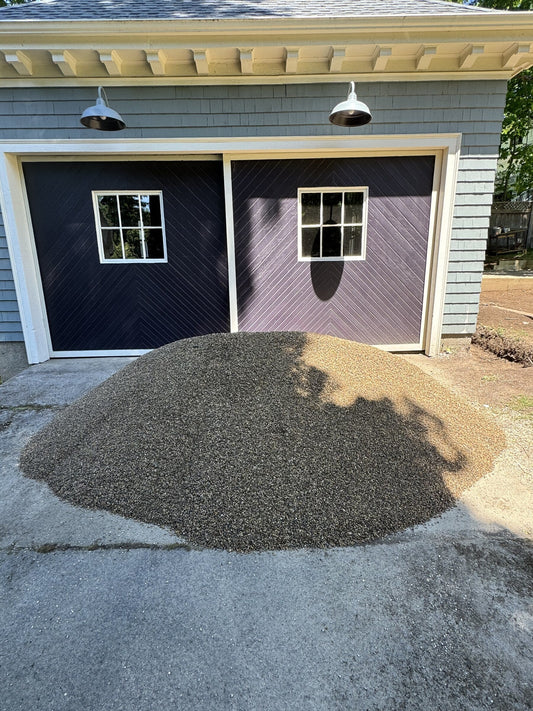
For Suffolk County crews ordering bulk: crushed stone runs ~1.4 tons per cubic yard, sand runs ~1.35 tons per cubic yard, screened loam runs ~1.1 tons per cubic yard, mulch runs ~0.4 tons per cubic yard. Quarries quote in tons (truck scales), landscape suppliers quote in cubic yards (volumetric). Translating between them at order time saves 10–15% on jobs where the spec sheet and the supplier are on different units. Memorize the four conversion factors below.
Why Suffolk County Crews Run Into This Problem
Boston-area contractors juggle two unit systems daily. Quarries in Quincy, Saugus, and Stoneham bill in tons because their scales weigh trucks. Landscape suppliers like Ottr bill in cubic yards because volume is what fills a delivery truck and what a homeowner can visualize. Spec sheets from engineers and architects often quote tons (heavier materials) or yards (lighter materials) depending on who wrote them.
A crew that doesn't translate well between units overbuys 10–15% of jobs and underbuys 5%. Both kill margin.
This is the conversion reference you can paste into the truck or the dispatcher's clipboard.
The Four Conversion Factors (Memorize These)
These are the practical conversion factors for Boston-area materials at typical moisture content:
| Material | Pounds per cubic yard | Tons per cubic yard |
|---|---|---|
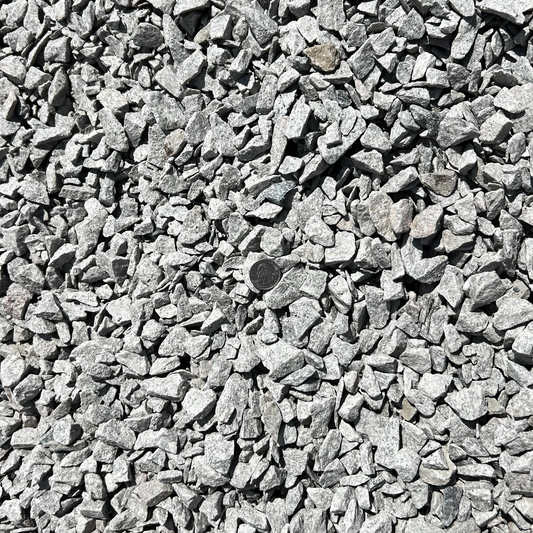
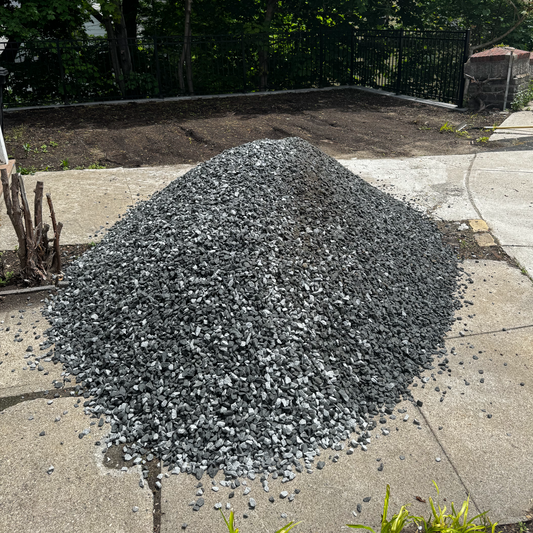
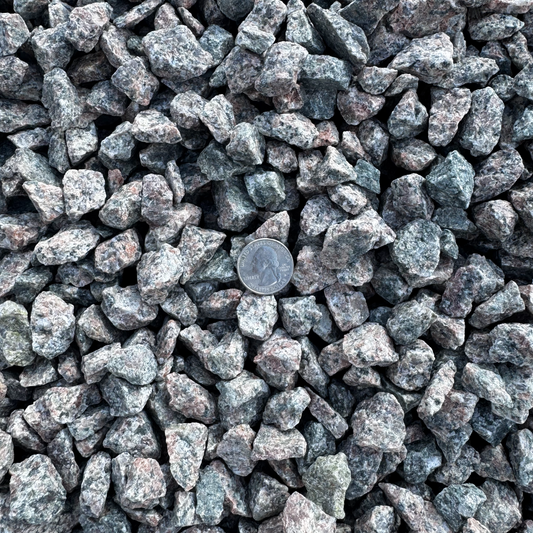
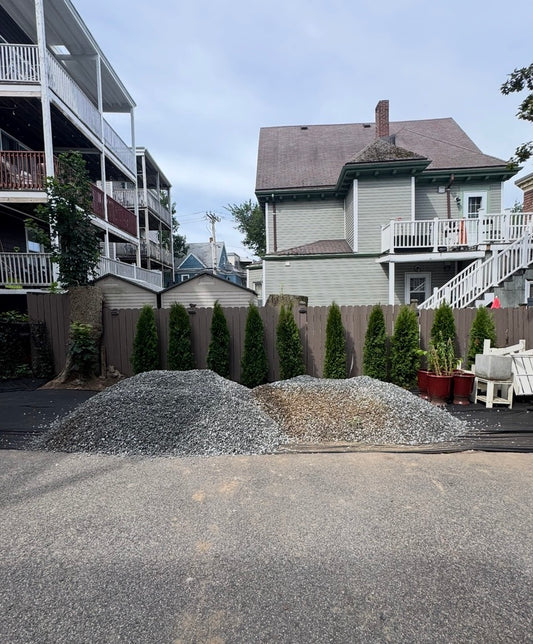
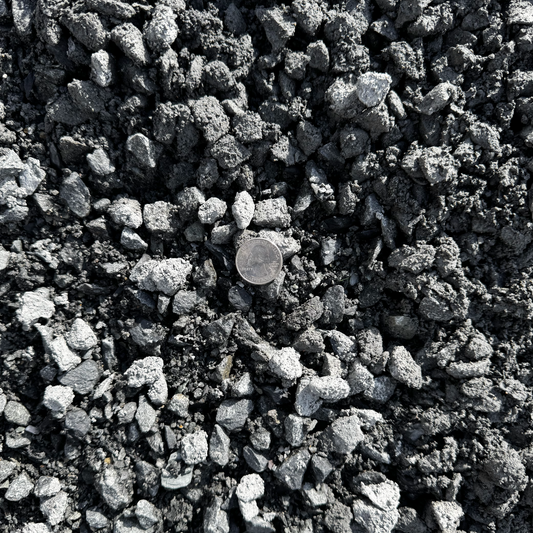
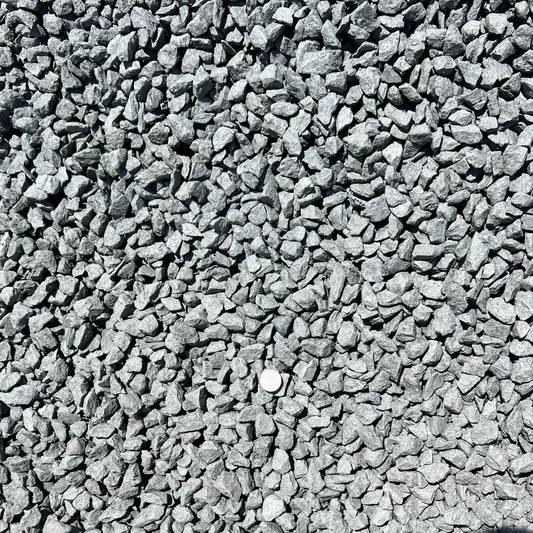
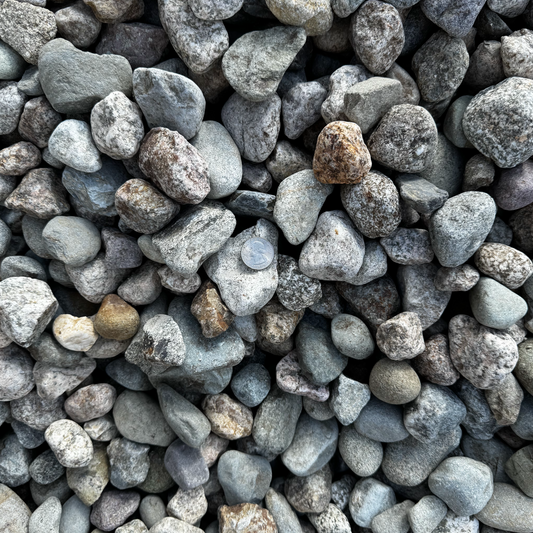
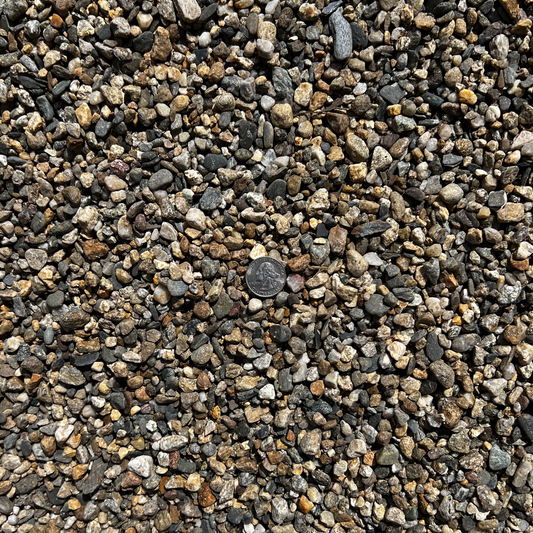
| Crushed stone (¾" dense pack) | ~2,700 | ~1.35 |
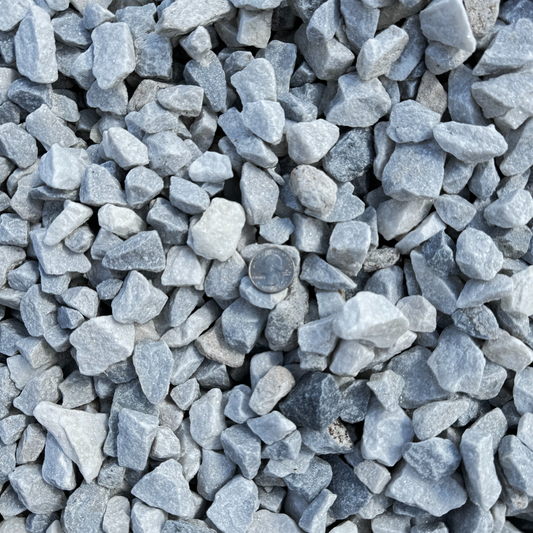
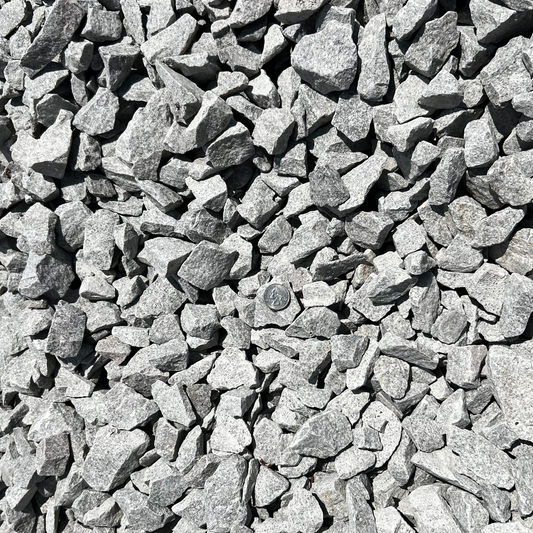
| Crushed stone (1.5" or larger) | ~2,800 | ~1.40 |
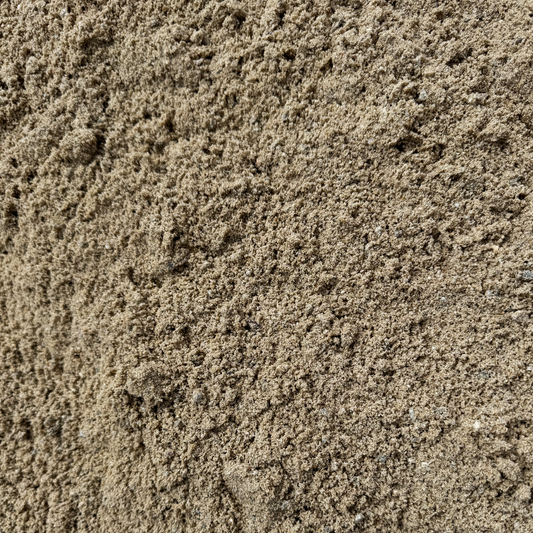
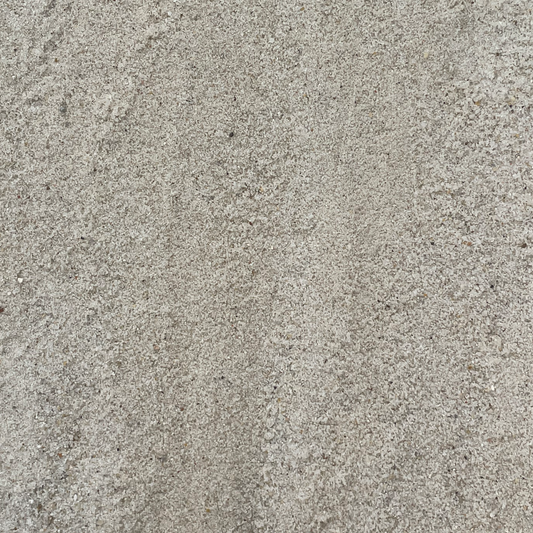
| Mason sand | ~2,700 | ~1.35 |
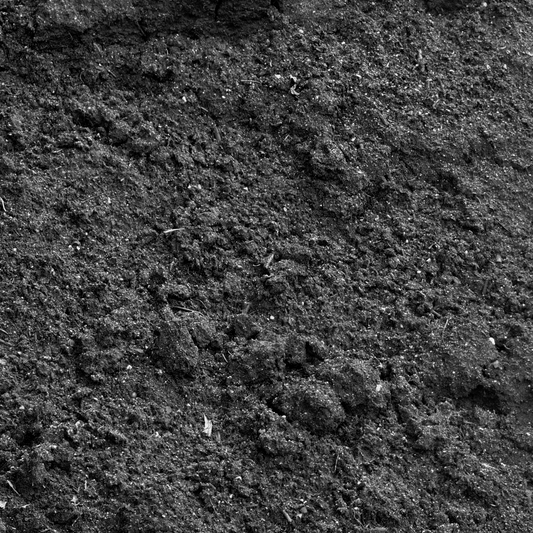
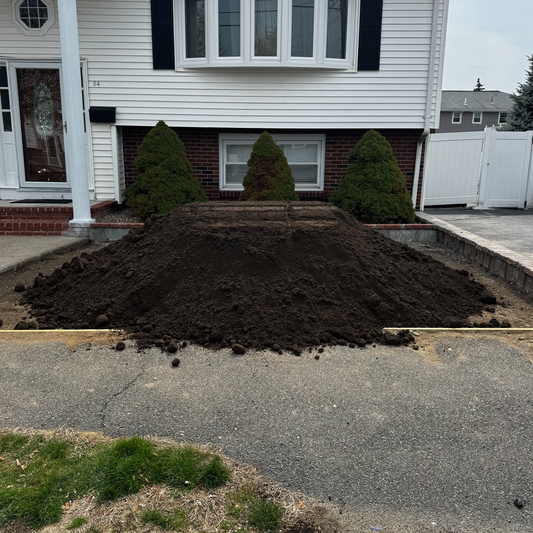
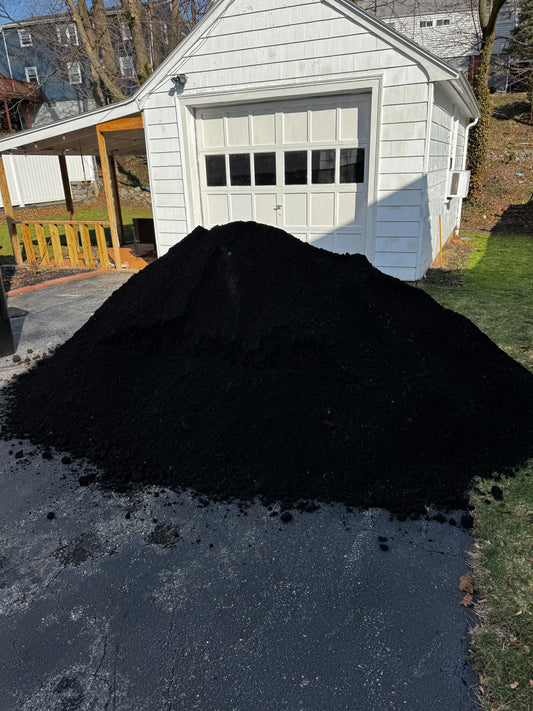
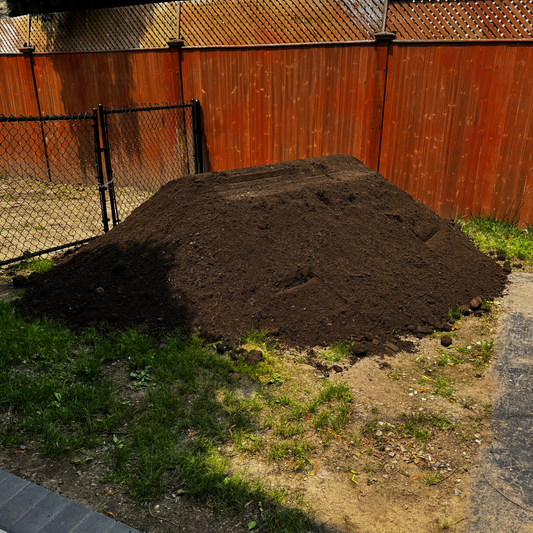
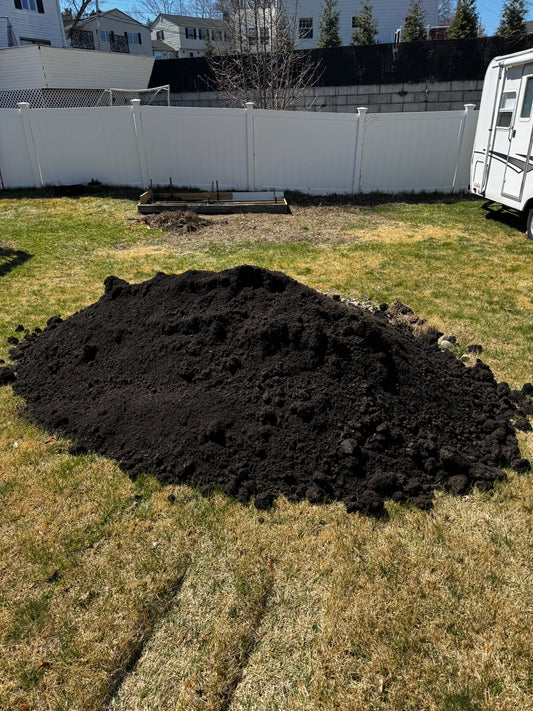
| Screened loam (moist) | ~2,200 | ~1.10 |
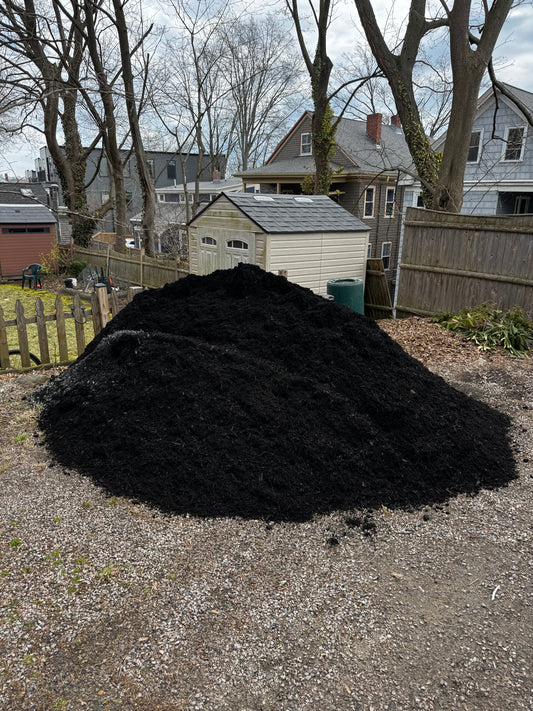
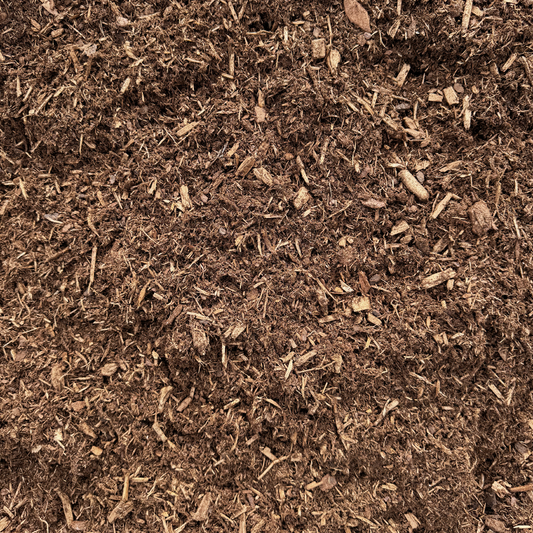
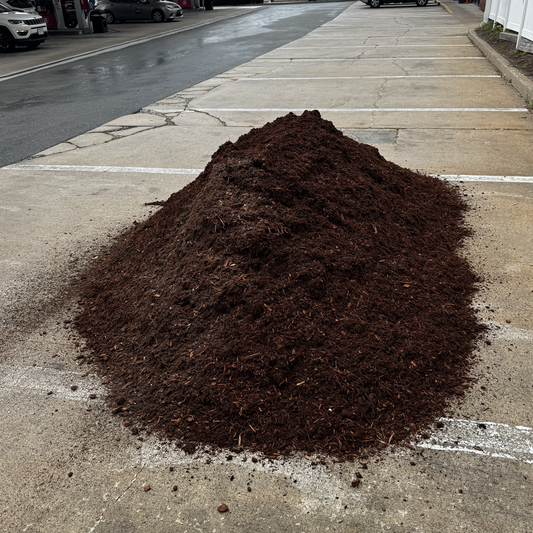
| Mulch (hardwood, settled) | ~800 | ~0.40 |
Quick rule: "Divide tons by 1.35 to get yards" works for stone and sand; "divide tons by 1.1" for loam; "multiply yards by 0.4 to get tons" for mulch.
Worked Example — Driveway Base Job in Charlestown
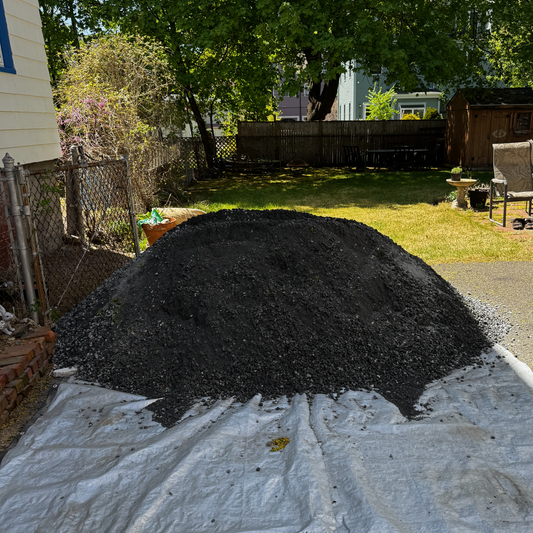
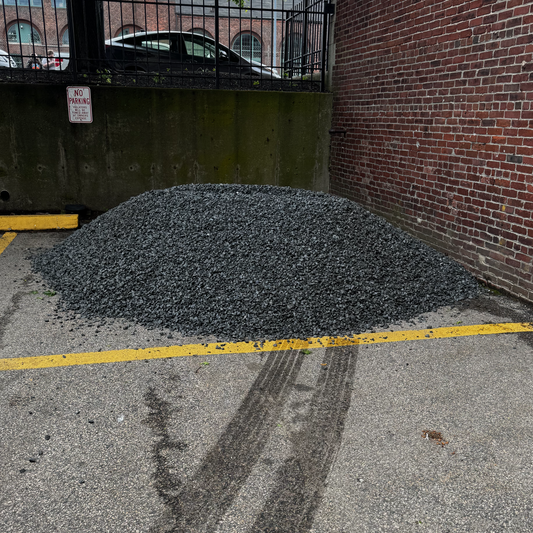
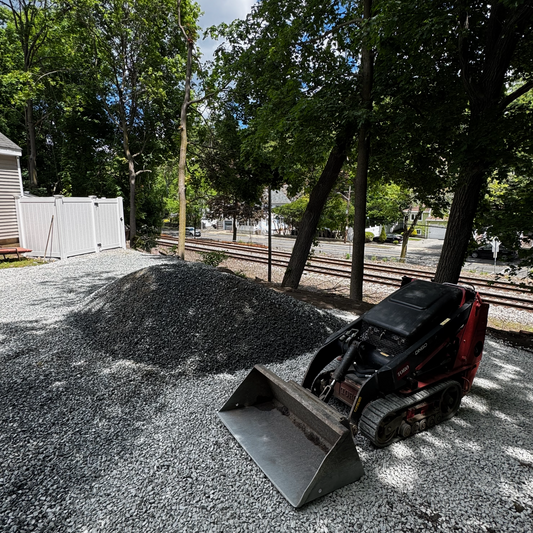
A spec sheet calls for a 6" crushed stone base across 1,200 sq ft of new Charlestown driveway. The engineer specs 80 tons. You're ordering through Ottr, who quotes by the cubic yard.
Math: - 80 tons ÷ 1.35 tons/yd = 59 cubic yards
Cross-check the volume: - 1,200 sq ft × 6" = 600 cubic feet = 22 cubic yards (compact volume) - Add 30% for compaction loss: 22 × 1.3 = 29 cubic yards
The numbers don't agree. The engineer's 80 tons is 2x what the geometry needs. Either the spec includes a base course PLUS an additional binder layer, or the engineer over-specced. Call the engineer, confirm. This is the kind of order where translation surfaces a $1,500 over-buy.
Worked Example — Patio Base in South Boston
A 12'x16' (192 sq ft) patio base needs 4" of ¾" dense pack and 1" of stone dust. Both spec'd in cubic yards.
- ¾" dense pack: 192 × 4/12 ÷ 27 = 2.4 yards
- Stone dust: 192 × 1/12 ÷ 27 = 0.6 yards
- Total: 3 cubic yards
If you're cross-checking against a tonnage spec from another job: - 3 yards × 1.35 tons/yd = 4 tons
Order in cubic yards through the crushed stone collection — it's the unit Ottr quotes. For the full driveway-base technique with stone specs, see how to calculate crushed stone tonnage for a Bridgewater driveway base.
Worked Example — Mulch for a Roxbury Multi-Property Run
A property manager has 12 Roxbury multifamily properties, each needing 2" of mulch refresh on 600 sq ft of bed. Total job: 7,200 sq ft × 2/12 = 1,200 cubic feet = 44 cubic yards of mulch.
Tonnage cross-check: - 44 yards × 0.4 tons/yd = 17.6 tons
A 12-yard hauling truck handles this in 4 drops. For pricing context on multi-property mulch runs, see how to spec a bulk mulch delivery window when you're running three Brockton crews.
When the Density Number Matters More
The 1.35 tons/yd conversion for stone is an average — actual density runs:
- Pea stone or clean ¾": ~1.25 tons/yd (less dense, no fines)
- Dense pack ¾" (with fines): ~1.35 tons/yd
- ¾" minus crusher run: ~1.4 tons/yd
- Concrete sand (saturated): ~1.5 tons/yd
- Screened loam (saturated): ~1.3 tons/yd (vs. 1.1 dry)
Rain matters. A loam pile that sat through a wet week weighs 15–20% more than the same pile after a dry week. If you're cross-checking against a spec, factor moisture.
The Massachusetts Department of Transportation publishes pavement-section specs that mirror what subgrade spec sheets typically reference. For hardscape paver-base specs specifically, ICPI publishes the industry-standard reference.
Practical Call Shortcuts at Order Time
When you call Ottr or any Boston-area supplier, the language that prevents translation errors:
- "I need X cubic yards delivered" — never just "X tons" unless you've confirmed the supplier quotes tons.
- "Density is 1.35 tons per yard, right?" — confirms you're aligned on the conversion if the spec was tons.
- "Spec is X tons of base, I'm ordering X yards on the assumption of 1.35 — confirm or adjust" — surfaces conversion assumptions before the truck rolls.
- "What's the moisture today?" — for loam orders against a tonnage spec.
The Conversion Factor Cheat Card
Print this and put it in the dispatcher's clipboard:
CRUSHED STONE: 1 cu yd = 1.35 tons (dense pack ¾")
                1 cu yd = 1.40 tons (1.5"+ rock)
SAND:           1 cu yd = 1.35 tons (mason sand)
LOAM:           1 cu yd = 1.10 tons (screened, moist)
MULCH:          1 cu yd = 0.40 tons (hardwood, settled)

QUARRY billing → tons
LANDSCAPE SUPPLIER billing → cubic yards
ALWAYS CROSS-CHECK. Spec error costs 10-15% margin.
For drainage and trench-fill specs that hit French drain projects, see how to trench a French drain across a Stoneham backyard in one weekend. For mulch-spec Brockton context, how to spec a bulk mulch delivery window when you're running three Brockton crews covers the timing logistics. Browse the full Ottr catalog for current per-yard rates across all materials.
The short version: stone and sand are 1.35 t/yd, loam is 1.1, mulch is 0.4. Quarries quote tons, landscape suppliers quote yards. Translate before you order. The 10–15% margin lives in the conversion math.