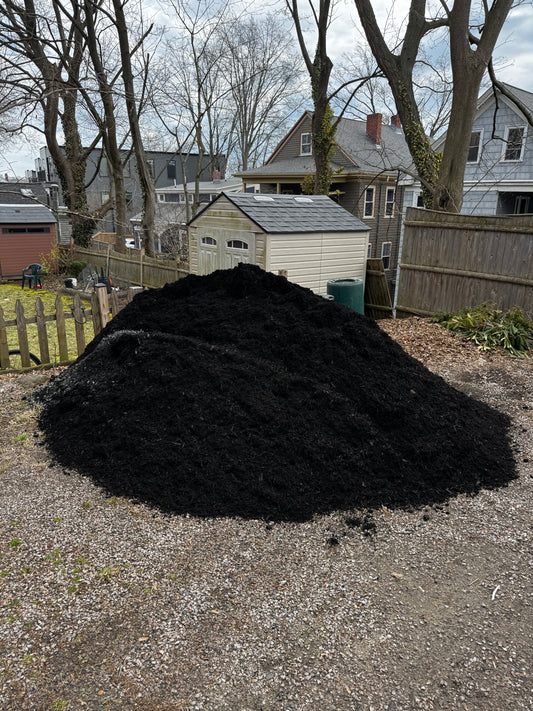
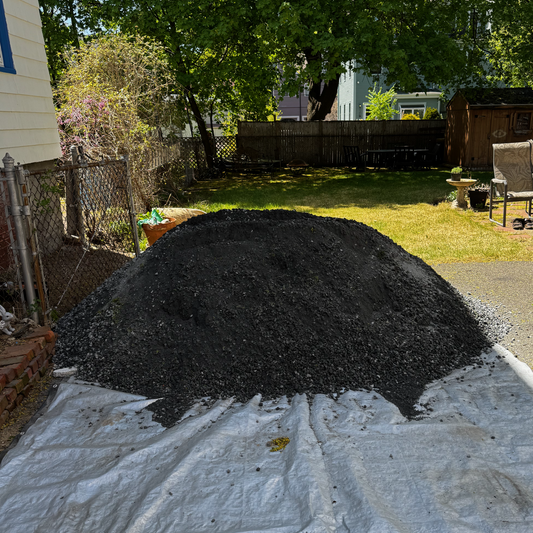
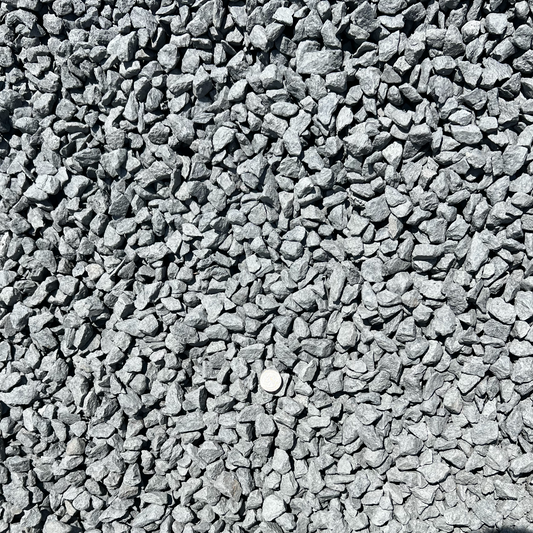
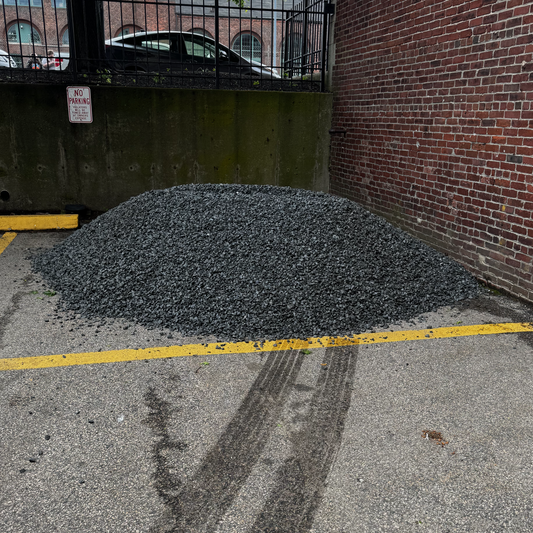
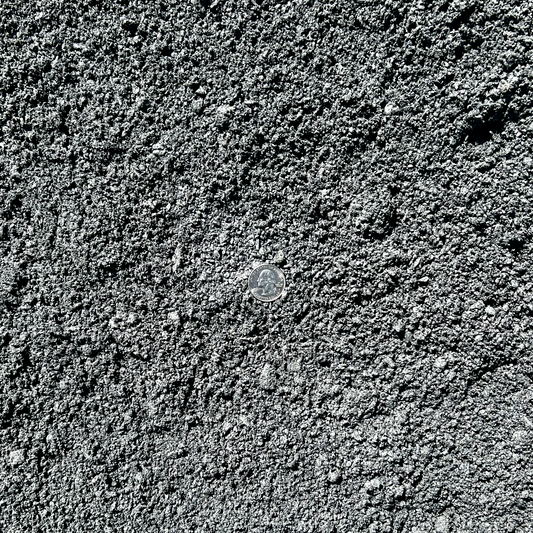
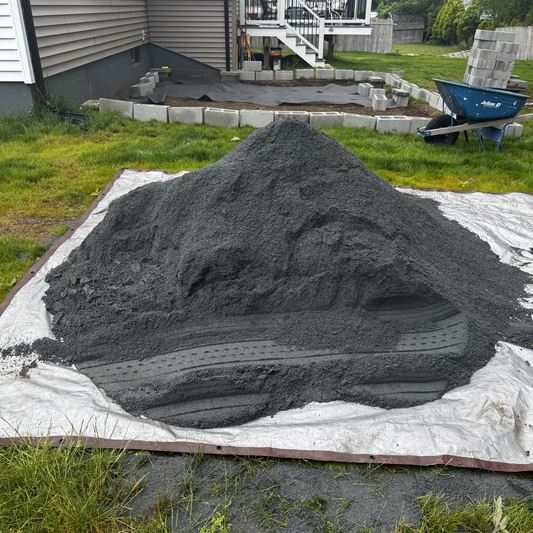
Labor Day weekend is when a lot of Eastham houses get closed up, from the cottages off Route 6 to the capes near Nauset, and it's a good time to sort out winter salt. Fog, drizzle, and salt air off the bay and ocean mean anything left uncovered gets damp. Here is how to keep a bulk pile dry until spring.
Why does rock salt clump in Eastham's damp air?
Rock salt is hygroscopic: it pulls water out of the air. On the Outer Cape, an open pile crusts over and sets into hard lumps. Untreated rock salt is straight sodium chloride and stores indefinitely if you keep it dry. Treated rock salt is coated with magnesium chloride. That coating is why it keeps melting down to roughly -15°F, and it is also why it attracts water faster. If you stock treated salt, covered storage matters even more.
How much salt should an Eastham property store?
| Property | Typical use | Stockpile to plan for |
|---|---|---|
| ~600 sq ft driveway | 25–40 lbs per storm (untreated) | About a half-ton for a normal winter |
| ~5,000 sq ft small lot | ~0.16 tons per application (untreated) | Depends on the storm count |
| ~10,000 sq ft lot | ~0.3 tons per application (treated) | Commonly 3–6 tons a season |
Winter salt and salt-sand ship up to 6 cubic yards per load. Each material is its own load with its own delivery fee, so if you add coarse sand for traction, that counts as a separate line item.
How do you set up a storage spot that stays dry?
- Pick the spot. Use high, level ground that is away from storm drains, private wells, shrubs, and lawn edges. Spring runoff carrying salt is what burns turf and beds.
- Build a pad. Use pallets, a concrete slab, or heavy plastic sheeting over packed ground.
- Plan the drop. Deliveries go curbside or on the driveway by default. The truck needs about 13.5 ft of overhead clearance and about 10 ft of width, and it can't dump over a fence, so put the pad where the truck can reach it or plan to move the salt by wheelbarrow.
- Cover it the same day. Use a heavy tarp weighted at the edges, a simple lean-to, or a lidded bin for smaller amounts. Overlap it against the wind.
- Keep water from running underneath. Slope the pad slightly, or ring it with a low berm of sand so rain flows around the pile.
- Check it after storms. Re-weight the tarp after a nor'easter and knock loose any crust that forms on top.
What if a seasonal house sits empty all fall?
Cover the pile well enough to go weeks without a check. A bin or framed lean-to beats a loose tarp in Outer Cape wind. Tell any caretaker or plow contractor where the salt is and which kind it is: untreated loses most of its effect below about 20°F, while treated suits cold snaps and entry steps.
When should Eastham owners order salt?
Ordering in September or October avoids the rush after the first storm and leaves time to build the pad. Treated salt is usually the first to sell out in a deep-cold year. Pricing is listed on each product page, and the delivery fee for your ZIP code shows up at checkout. You can see every winter material in our salt and ice melt collection, and local delivery details are on our Eastham landscape supply page. If you're storing salt indoors in a garage or shed, our ice melt storage guide for Cambridge covers the small-space approach.
The EPA Southeast New England Program explains how road salt affects groundwater and coastal ponds.
Frequently asked questions
Does rock salt go bad in storage?
No. Dry salt keeps indefinitely. Damp salt clumps, but it still melts ice once you break it up.
Can I store salt directly on the ground?
It's better not to. Ground moisture wicks up into the pile, and salt leaches into the soil underneath. A pad or pallets prevents both.
Is treated salt harder to store?
Yes. The magnesium chloride coating draws in moisture faster, so keep treated salt fully covered and off the ground.
Questions about a winter order? Call or text (617) 645-0987.