Quick Answer
Plymouth County contractors should lock pre-season stone orders by February 28. Quarry pricing typically holds February rates through March 15, then steps up 4–6% by April 1 and another 3–5% by May 1. Pallet rates on bagged decorative stone, polymeric sand, and stone dust hold roughly the same curve. Volume contracts signed in February also lock dispatch priority — your loads get scheduled before walk-ins. The math: a 50-ton seasonal commitment locked February 1 saves a typical Plymouth County crew $1,500–$3,200 over the season.
Why Plymouth County Stone Pricing Climbs Through Spring
Three things move quarry-side and freight pricing on crushed stone in Eastern MA between February and May:
- Quarry demand — Bridgewater, Plympton, and Carver pits produce at the same rate year-round, but storage limits mean pricing climbs as inventory tightens through spring.
- Freight pressure — diesel cost and trucking labor both climb in spring as the construction season ramps up. Tri-axle trucking rates in Plymouth County typically rise 6–8% from February to May.
- Inventory churn — popular SKUs (¾" processed gravel, 1.5" crushed stone, decorative stone for hardscape) move fast in April. Late-bookers pay catch-up rates or wait through delivery windows.
Plymouth County contractors running 30+ ton seasonal volume should be locking pricing in the first three weeks of February. The Brockton mulch pre-book contractor playbook walks through the parallel logic on mulch — stone runs the same curve.
The Massachusetts Department of Agricultural Resources is the regulatory backdrop for landscape contracting in MA. The Interlocking Concrete Pavement Institute (ICPI) is the industry reference on hardscape standards — particularly for paver-base stone specs, which is where pallet-rate bagged products move heavily in May–June.
What "Pre-Booking" Actually Locks
A signed pre-season stone contract typically locks four things:
1. Per-ton pricing on bulk stone — held through the agreed delivery window. Typical commitment: 25–100 tons across 4–8 deliveries between April and August.
2. Pallet-rate pricing on bagged products — for retaining wall installations, narrow-access yards in Cambridge or Quincy triple-deckers, or rooftop/patio installations where bulk delivery isn't feasible. Pallet rates run roughly 60% of per-bag retail.
3. Dispatch priority — your loads scheduled before walk-in orders. In April when trucks are running flat-out, this can mean same-week vs. 10-day-out delivery windows.
4. Volume tier credit — multi-year contracts often qualify the contractor for the next pricing tier (Tier 2 → Tier 3, typically a 4–6% additional discount on top of pre-season pricing).
The Plymouth County Pricing Curve
Typical 2026 progression for ¾" processed gravel in Plymouth County (illustrative — actual rates depend on quarry and contract):
| Booking Window | Per Ton | Per CuYd | Index vs Feb |
|---|---|---|---|
| Feb 1–28 | $32 | $45 | 100 |
| Mar 1–15 | $32 | $45 | 100 |
| Mar 16–31 | $33 | $47 | 104 |
| Apr 1–15 | $34 | $48 | 107 |
| Apr 16–30 | $34.50 | $49 | 109 |
| May 1+ | $35 | $50 | 110 |
For decorative stone and pallet-rate bagged product, the curve is steeper — typically 8–14% February-to-May.
A Plymouth County crew running 50 seasonal tons saves roughly $150 per ton tier × variable mix = $1,500–$3,200 locking in February vs. buying spot in May.
What to Bring to a Pre-Season Conversation
Walk into the dispatcher conversation with:
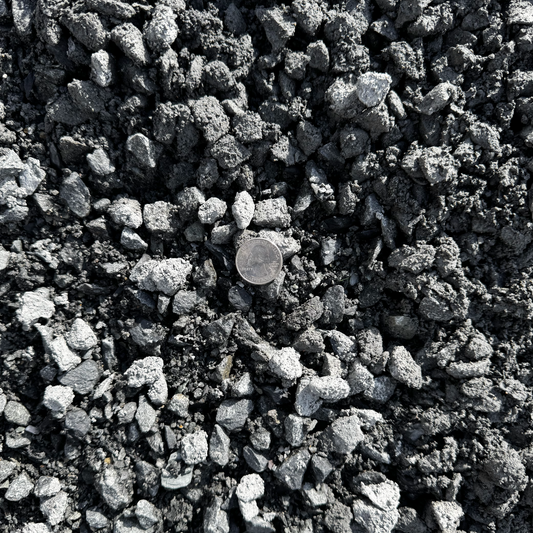
1. Volume estimate by SKU. Break down by: - ¾" processed gravel (driveway base) - 1.5" crushed stone (deep base, drainage) - Stone dust (paver setting bed, walkway) - Decorative stone (river rock, pea stone, granite, bluestone) - Bagged products by pallet (polymeric sand, paver base, decorative bagged)
2. Delivery window targets. Most contractor accounts schedule recurring weekly drops (e.g., "every Monday 7 AM, April through July"). Custom job-specific drops handled on rolling 48-hour windows.
3. Drop location notes. Bridgewater yard, Plympton yard, and Plymouth yard each have routing optimization. If most of your jobs cluster in one section of the county, dispatch can route consolidations.
4. Account paperwork if you don't have an account yet. The Eastern MA contractor account setup playbook covers the certificate of insurance, DBA, and W-9 needs. Pre-booking only locks pricing for an open account.
Freight Negotiation
Freight is the wild card. Tri-axle trucking out of Plymouth County quarries runs $3.50–$5.00 per ton-mile depending on load size and distance. Negotiation levers:
- Multi-load consolidation — three loads same day to nearby sites cuts freight 12–18%.
- Load size optimization — 22-ton trips beat 14-ton trips on $/ton-mile basis.
- Off-peak slotting — Tuesday/Wednesday/Thursday slots are cheaper than Monday/Friday for non-emergency loads.
- Round-trip backhaul — if you have material to return (debris, mulch waste), some carriers offer backhaul credit.
Pallet Strategy for Bagged Stone
Many Plymouth County contractors miss this: pallet-rate bagged stone matters even on bulk-heavy operations. Two cases where it pays:
Case 1 — Hardscape jobs in narrow-access yards. Brookline brownstone backyards, Cambridge triple-deckers, downtown Plymouth historic-district homes — all places where a tri-axle won't reach. Pallet-rate bagged ¾" processed gravel is roughly 60% of per-bag retail; using 8–12 pallets across the season saves $400–$700.
Case 2 — Specialty product on small-volume jobs. Polymeric sand for paver joints, decorative stone for accent borders, paver base for stair installations. Pallet rates make small-volume jobs profitable instead of losing money on bag-rate retail.
When the Conversation Should Happen
February 1–14: Initial conversation. Volume estimates, delivery window targets, contract structure.
February 15–28: Sign the pre-season contract. Lock February rates.
March 1–15: Coordinate the first April delivery slots. Discuss any specialty product needs.
April–August: Standing schedule runs. Custom orders book on rolling 48-hour windows.
September–October: Post-season review. Adjust next-year volume estimate.
For the broader contractor calendar — pre-booking, terms, and crew logistics — see the Net 30 terms and bulk pricing piece and the Brockton spring crew logistics playbook.
What Plymouth County Crews Actually Stock
A typical mid-volume Plymouth County crew (3–5 trucks, season-long) commits roughly:
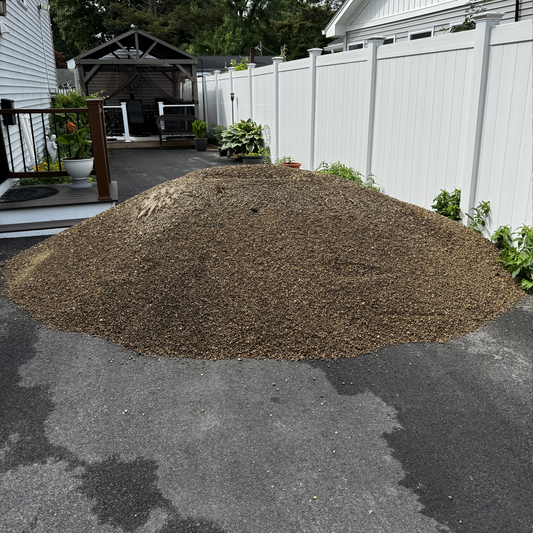
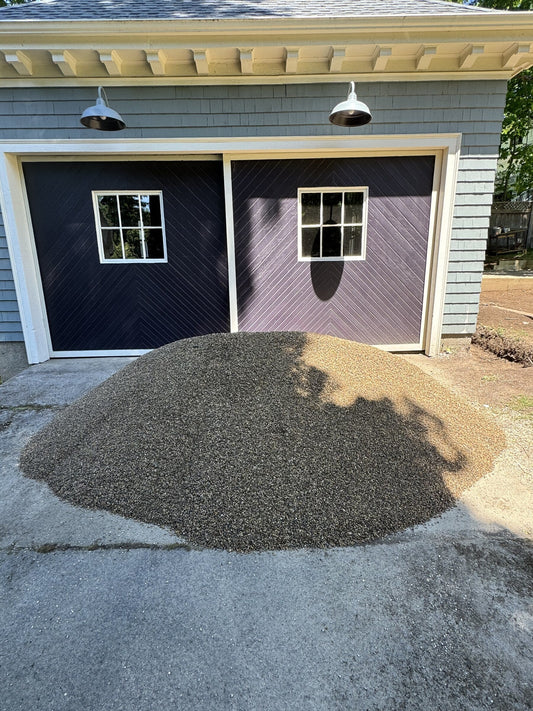
- 30–60 tons ¾" processed gravel (driveway base work, French drain bedding)
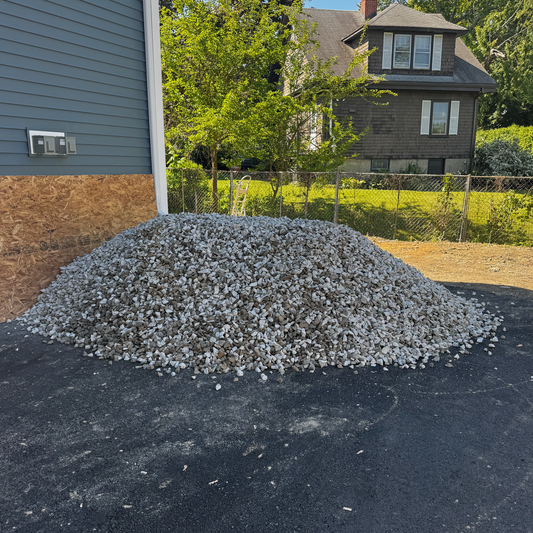
- 15–30 tons 1.5" crushed stone (deep base, drainage applications)
- 10–20 tons stone dust (paver setting bed)
- 20–40 tons decorative stone (river rock, pea stone, granite chips)
- 6–12 pallets bagged specialty products
That's a $12,000–$28,000 seasonal stone commitment. A 4–6% pre-season discount returns $500–$1,700; combined with freight optimization and dispatch priority, total seasonal value runs $1,500–$3,500.
Browse the Ottr crushed stone collection, the decorative stone collection, and the driveway construction & repair use-case collection for the full SKU set. Plymouth County, the South Shore, Bristol, and Norfolk County deliveries available — coordinate routing with dispatch when the contract is signed.