Quick Answer
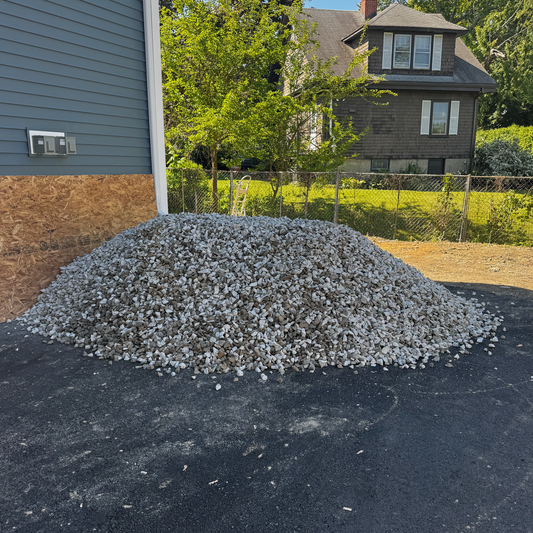
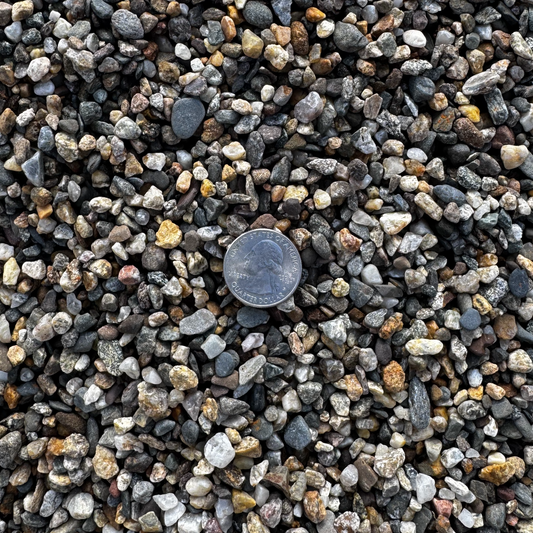
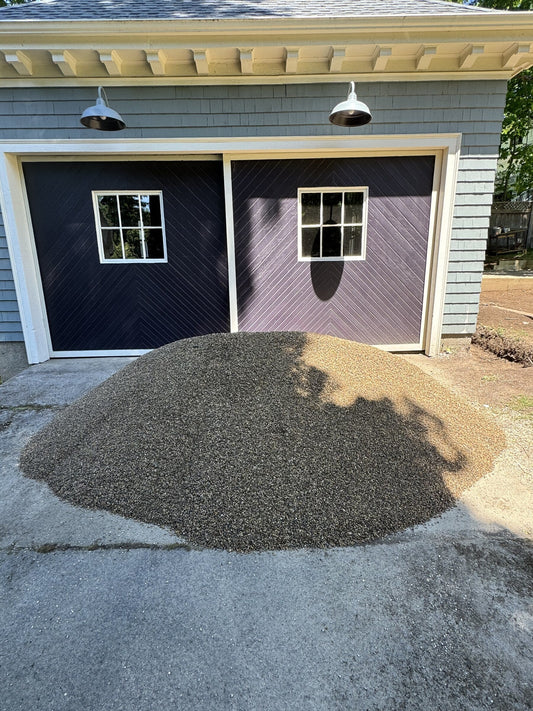
A Norfolk County holiday stone border takes about 3 hours for a 20-foot run on a typical Wellesley, Sharon, or Walpole lot: cut a 6-inch wide, 4-inch deep trench, lay landscape fabric and aluminum edging, fill with 1 cubic yard of White Marble Rock ¾" to a 3-inch finished depth, then accent with evergreen swags and stake lights. Norfolk County yards run larger than Watertown, so plan for 20 feet of border rather than 12 — but the math and method scale linearly.
Why a 20-Foot Border in Norfolk County
Norfolk County front yards average 1,200 to 4,000+ square feet of frontage between Brookline and Sharon. A 20-foot S-curve border reads at the right scale from the road; a 12-foot border looks undersized on most colonials. If you have a Wellesley front yard with a 60-foot setback, scale the border to 25 to 30 feet.
If you built a Watertown border already, see How to Build a Decorative Stone Border for a Watertown Holiday Display — the math doubles for a Norfolk County run.
Tools and Supplies
- Half-moon edger or sharp spade
- Steel rake
- Landscape fabric (3 ft x 20 ft)
- 20 ft aluminum landscape edging + stakes
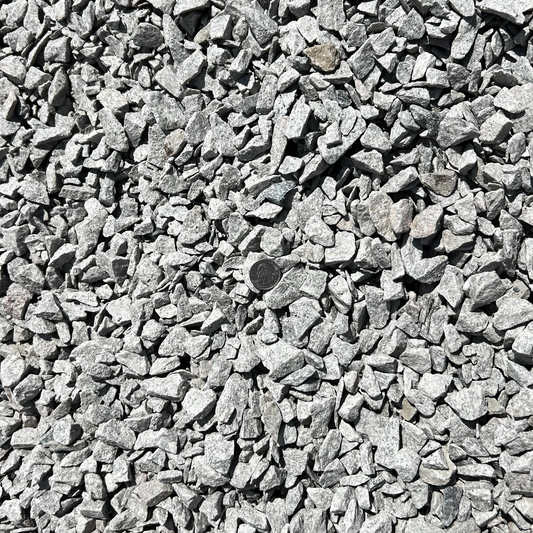
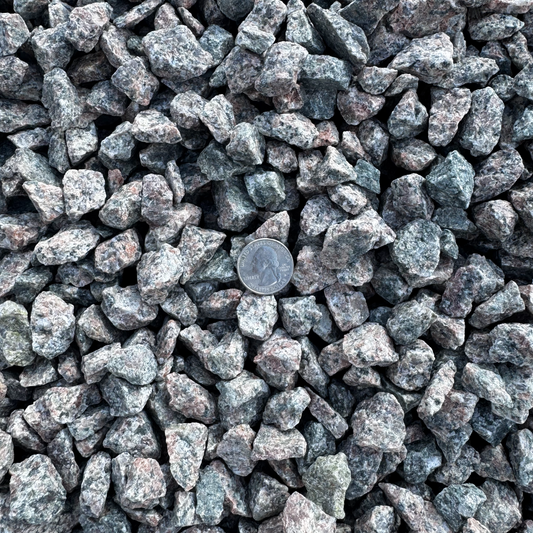
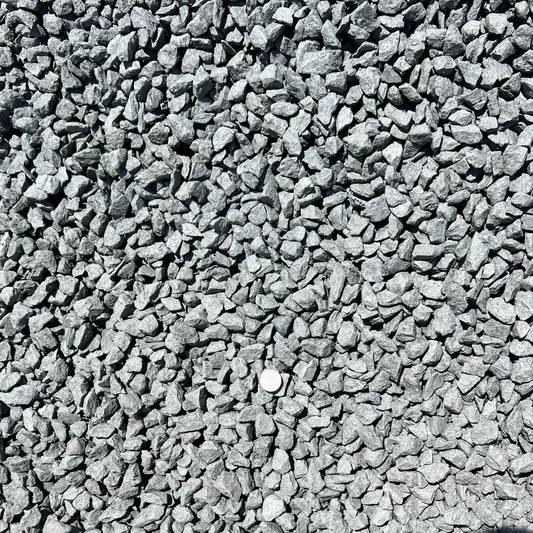
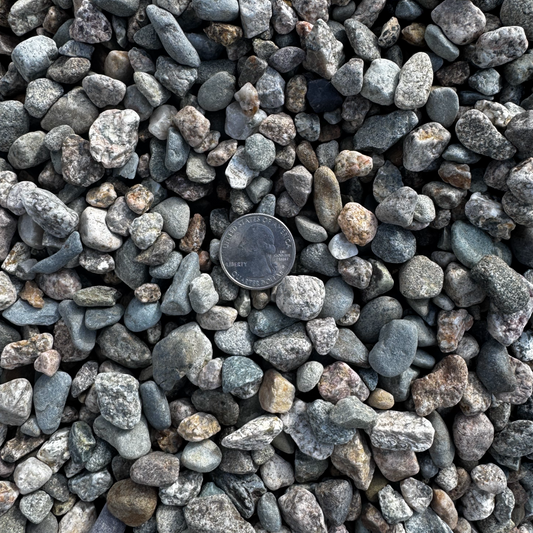
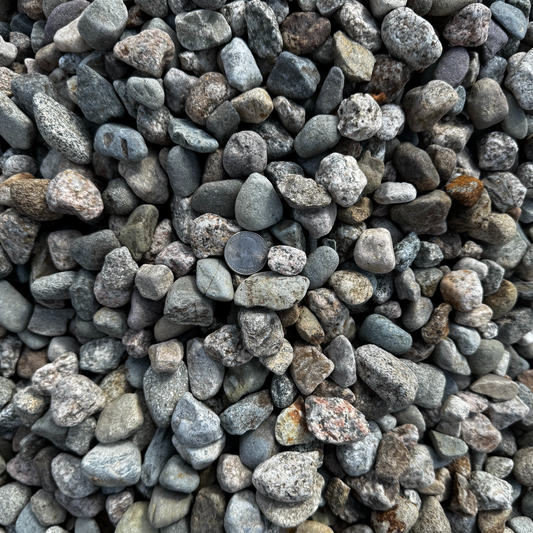
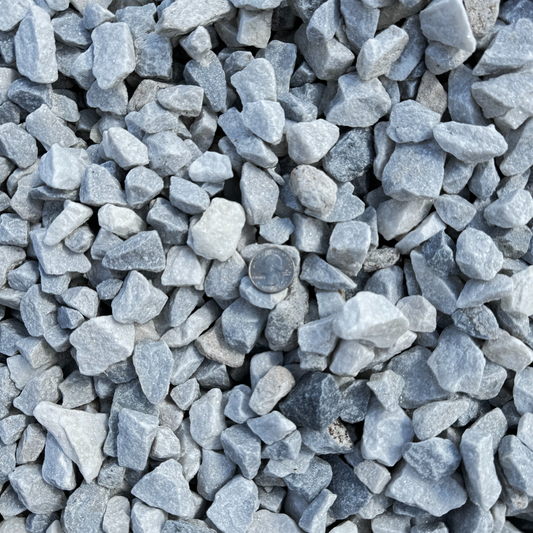
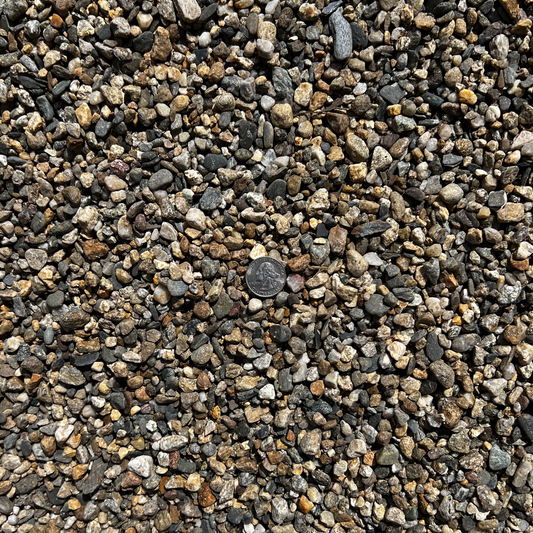
- 1 cubic yard White Marble Rock ¾" (or Brown Stone Rock ¾" for a warmer-toned option) — order from the Decorative Stone collection
- Tarp for excavated soil
Step 1 — Lay Out the Line (20 minutes)
Drop a garden hose along the proposed border line and walk to the curb. Norfolk County yards have room for a real curve — don't be afraid of an S-shape that pulls the eye from the front step out toward a flower bed or specimen tree. Hard right angles read industrial in suburban yards.
Step 2 — Cut the Trench (60 minutes)
Cut a 6-inch wide, 4-inch deep trench along the hose. Toss soil onto a tarp — you'll use it to top-dress the bed and fill divots in the lawn. The half-moon edger gives you the cleanest lawn-side edge; a sharp spade also works.
Step 3 — Install Fabric and Edging (40 minutes)
Roll out landscape fabric in the trench bottom — overlap by 6 inches if you need two strips for a 20-foot run. Set aluminum edging along both sides of the trench. Aluminum (vs. plastic) is the move for Norfolk County: it survives frost-heave, snow shoveling, and edger-trimmer impact for 10+ years. Stake every 18 inches.
Step 4 — Pour the Stone (45 minutes)
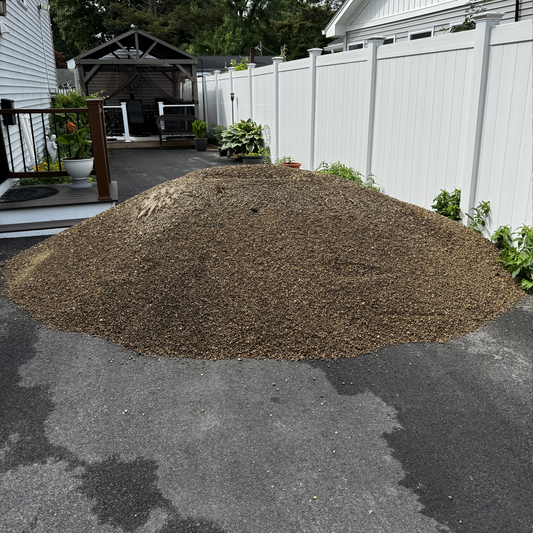
Pour 1 cubic yard of White Marble Rock ¾" into the trench to a 3-inch finished depth. A 20-foot border at 6 inches wide and 3 inches deep needs about 0.93 cubic yards — order 1 cubic yard for headroom. Rake smooth with the trench rim slightly proud of the lawn so meltwater drains out.
For the broader stone-coverage math, see How to Calculate Crushed Stone Tonnage for a Plymouth County Project.
Step 5 — Add Holiday Accents (30 minutes)
Push evergreen swags flat into the border every 4 feet. Stake C9 LED lights at 6-foot intervals through the swags. Add a wreath at the front-step transition. The stone holds the stakes vertical even when shovels and frost-heave hit in January — bare-soil staking won't survive a Norfolk County winter.
For lighting principles, see 5 Holiday Landscape Lighting Tips for Cambridge Front Yards.
What This Border Does Past December
After accents come down (mid-January), the border reads as four-season hardscape. White Marble Rock specifically reflects light through dim winter days, deflects salt spray, and stays visible past a 4-inch snow. Tulip bulbs planted behind the border emerge in April; spring perennials bloom against the white stone backdrop.
For Christmas-garden picks that pair well with this border, see Top 5 Christmas Garden Touches for Middlesex County Yards.
What's Next
December 10 shifts the cluster to ice prevention as first snows arrive — see 5 Slip-Prevention Tips for Bristol County Front Steps for the next article.
For broader landscape guidance, UMass Extension Landscape, Nursery & Urban Forestry is the regional authority on materials and timing.