Quick Answer
To start a fall vegetable garden in Worcester County, clean and amend beds by August 7, direct-sow cool-season crops between August 10 and 18, transplant brassicas by August 30, and harvest through mid-October. Worcester County runs a week earlier than Greater Boston due to inland cooling — a 4×8 bed needs 0.3 cubic yards of Compost worked in 2" deep before sowing.
Step 1 — Clean the Bed (August 5–7)
Pull spent summer crops — bolted lettuce, finished beans, tired basil. Rake debris off the bed surface. Toss any disease-stressed material in the trash, not the compost pile.
Worcester County summers run cooler than coastal MA, but the August dry stretch still hits hard. Don't sow into bone-dry soil — water the bed deeply 24 hours before working it.
Step 2 — Amend with Compost (August 7–9)
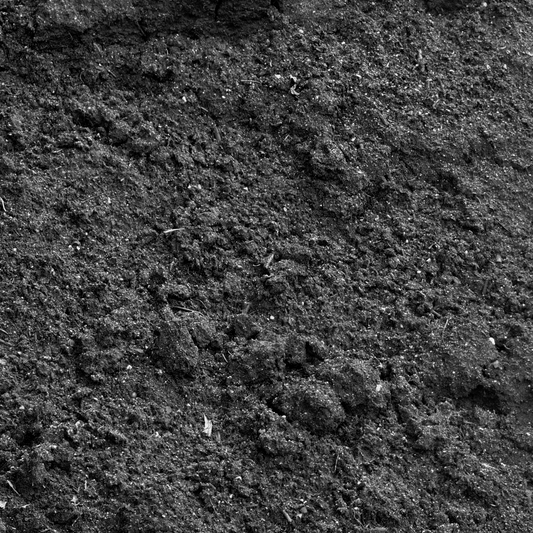
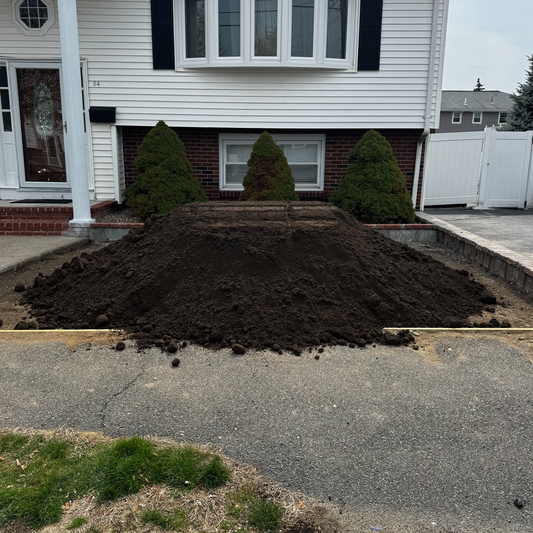
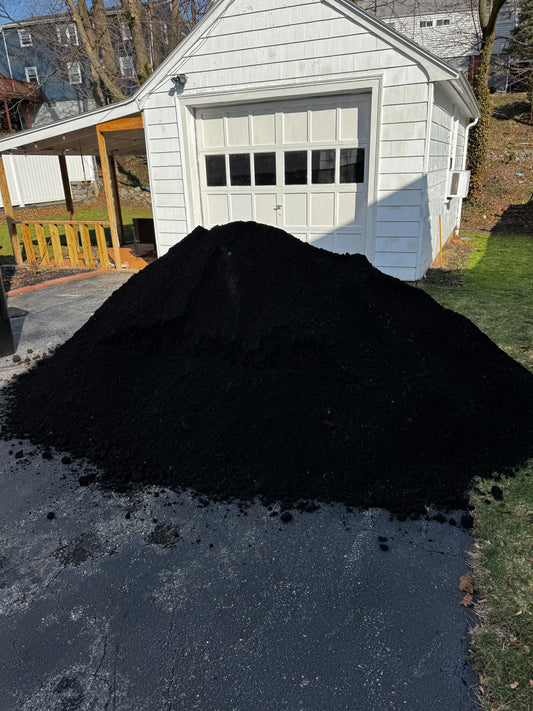
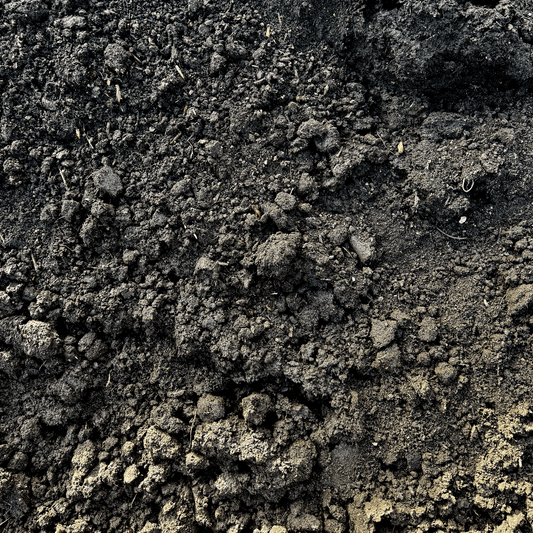
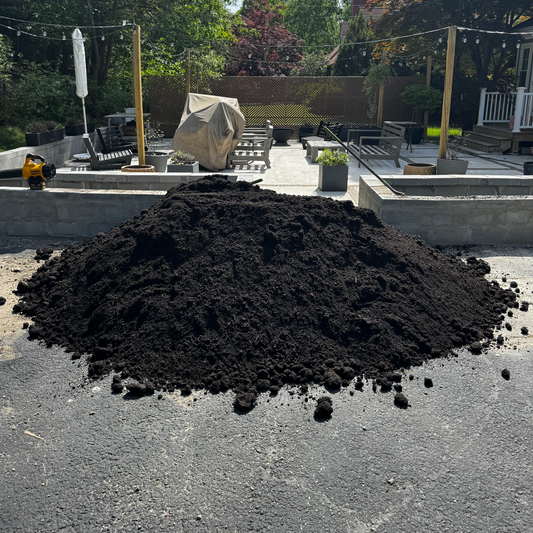
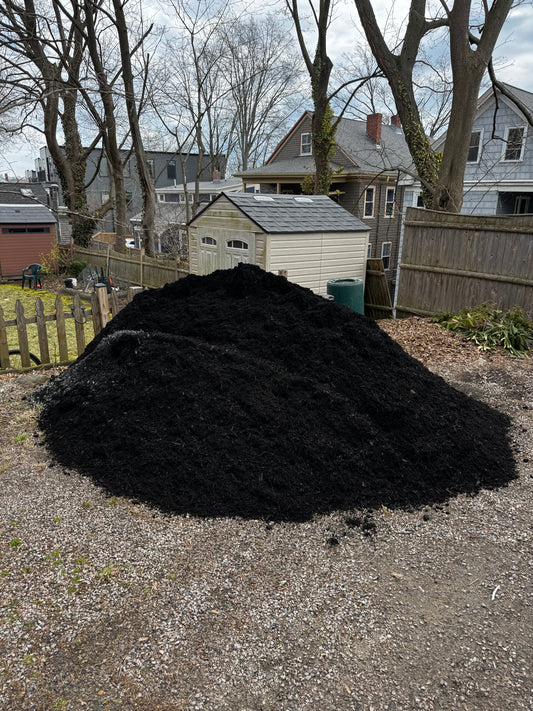
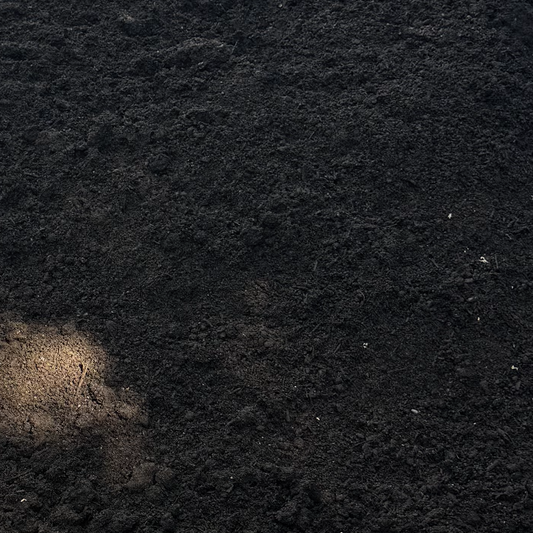
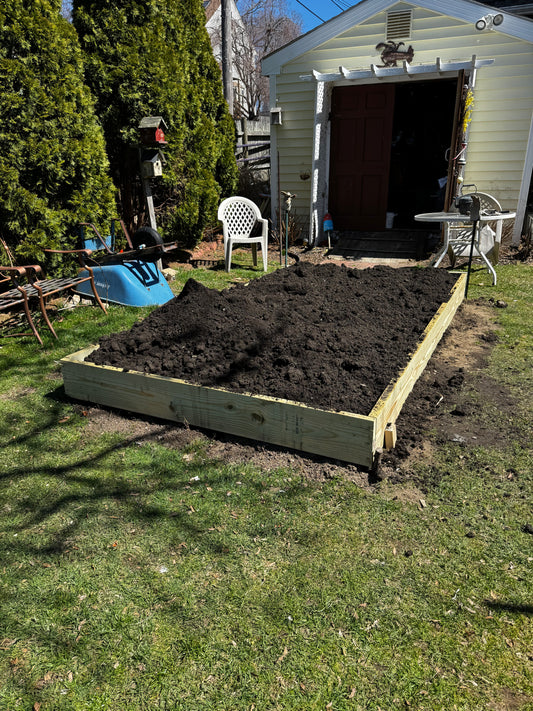
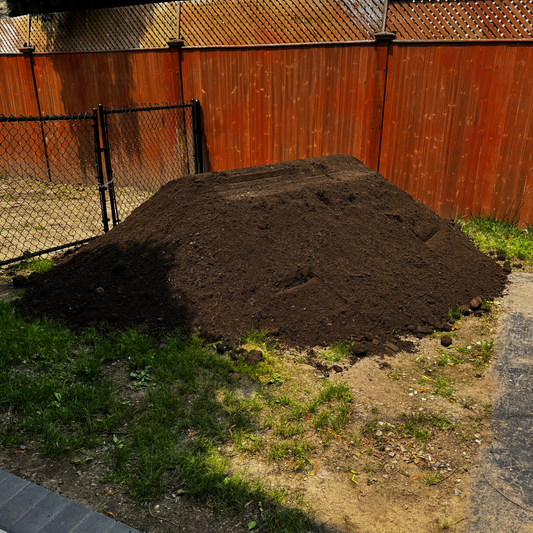
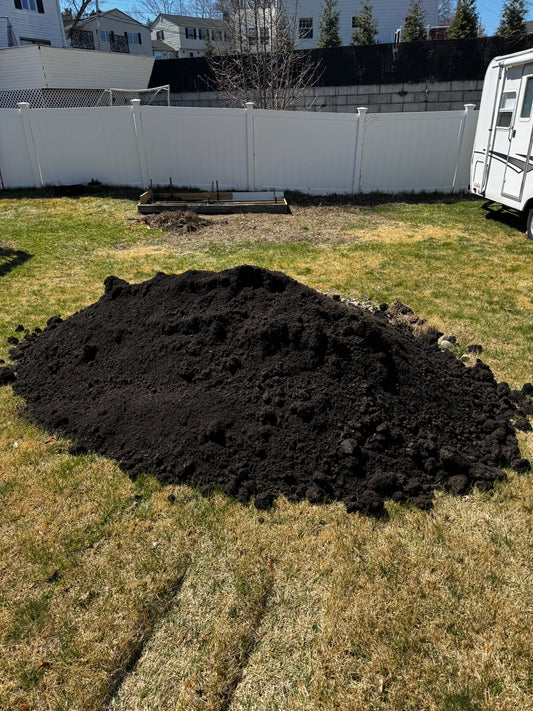
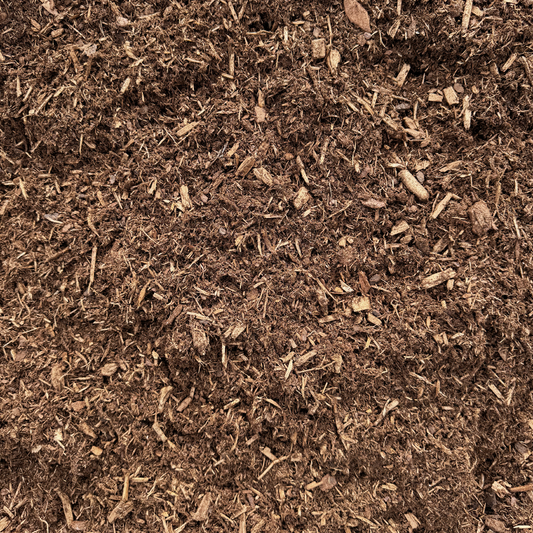
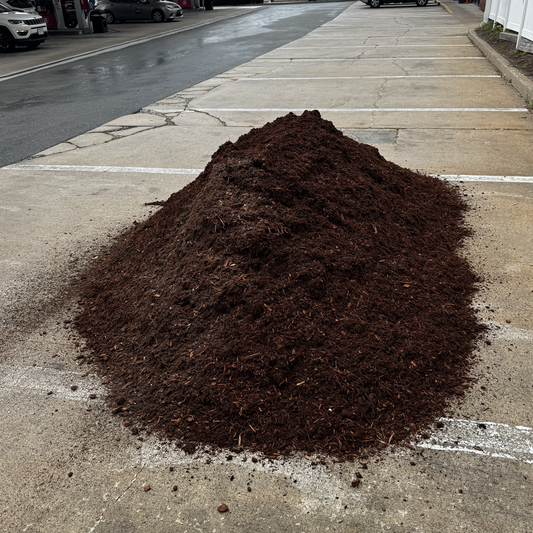
Spread 2 inches of Compost across the bed and work it into the top 6 inches with a garden fork. For a 4×8 bed, that's about 0.3 cubic yards of Compost.
If the bed has sunk over the summer, top up with a 1" layer of Garden Soil Mix. Browse the Raised Garden Bed Materials collection for per-yard rates and delivery to Worcester, Shrewsbury, Westborough, and Sturbridge.
Step 3 — Direct-Sow Between August 10 and 18
Worcester County's elevation and inland position pulls the fall sowing window earlier than coastal towns. Sow:
- Spinach — 40 days. Sow August 12, succession through August 22.
- Lettuce — loose-leaf and butterhead, 50–55 days. Sow August 14.
- Radishes — 25–30 days. Sow August 18, plant a second batch September 1.
- Kale — 50–60 days. Sow by August 12.
- Arugula — 30 days. Sow August 18.
- Swiss chard — 50 days. Sow August 14.
Sow at packet-printed depth, water in with a shower-head hose, keep soil moist for 7–10 days while seeds germinate.
Step 4 — Transplant Brassicas by August 30
Worcester County's frost lands earlier — typically October 8–15 in the higher-elevation towns (Princeton, Holden, Sterling) and October 15–20 in Worcester proper. Brassica transplants need to go in by August 30 for reliable harvest before frost.
Buy started transplants — broccoli, cabbage, kohlrabi, Brussels sprouts. Plant at 18–24" spacing depending on variety.
For the parallel garlic-planting timeline, see When Should I Plant Garlic in a Melrose Bed? — Worcester County garlic goes in the first week of October.
Step 5 — Cover with Floating Row Cover by September 20
Worcester County's first light frost can land mid-September in the higher towns. A lightweight floating row cover buys 4°F of protection — enough to push fall crops through the early frosts and keep them growing.
The row cover also blocks cabbage moths and flea beetles if you have brassicas.
For deeper season-extension techniques, see How to Build a Cold Frame in a Mattapan Backyard — same cold-frame design works for Worcester County winters.
Step 6 — Harvest Through Mid-October
Cut lettuce and spinach as cut-and-come-again — take outer leaves, leave the crown. Pull radishes when shoulders show above soil. Kale tastes sweeter after first frost. Brassicas finish through October under row cover.
Common Mistakes
- Sowing on a Greater Boston schedule. Worcester County runs a full week earlier.
- Skipping row cover. Worcester County frost is real and unforgiving.
- Watering shallow. August soil dries fast — soak deep, then keep evenly moist.
For full Worcester County-specific timing, the UMass Extension Vegetable Program is the authoritative source.