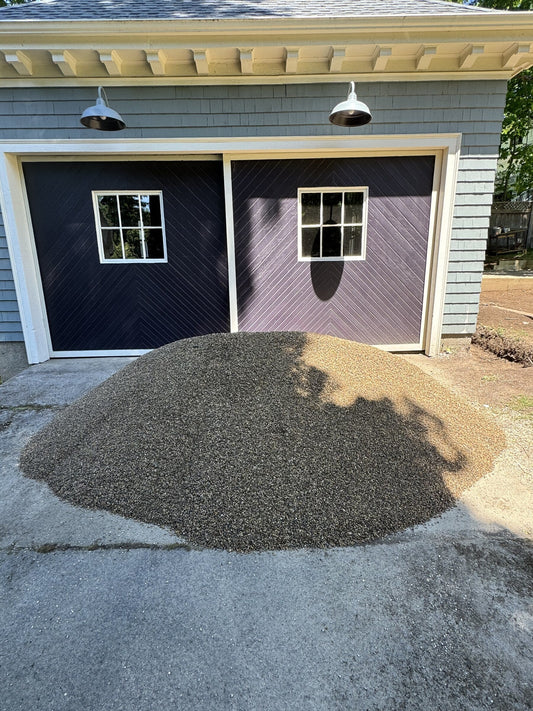
Where should the truck dump on a tight site?
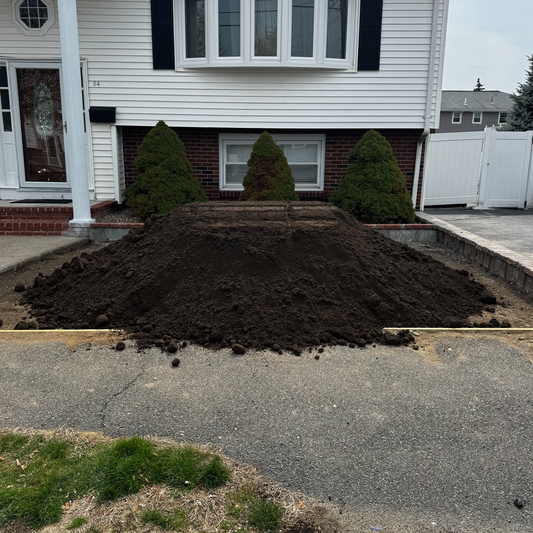
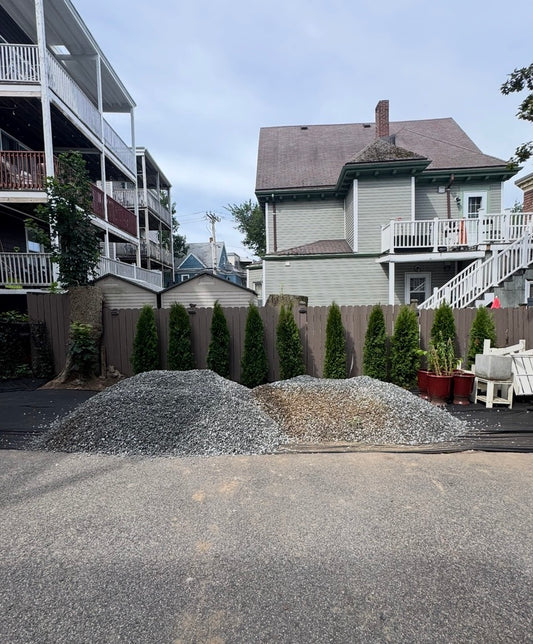
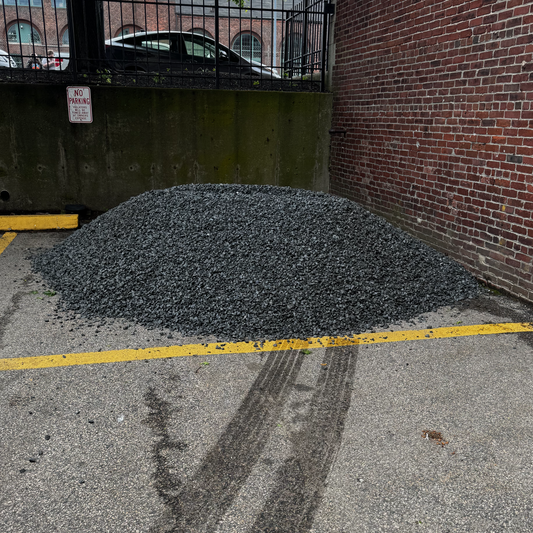
Middlesex County is two logistics problems. Cambridge, Somerville and the dense parts of Malden give you permit parking, no driveway apron and cars on both sides. Newton, Lexington and Weston give you room, but long soft drives and finished surfaces you'll pay to repair.
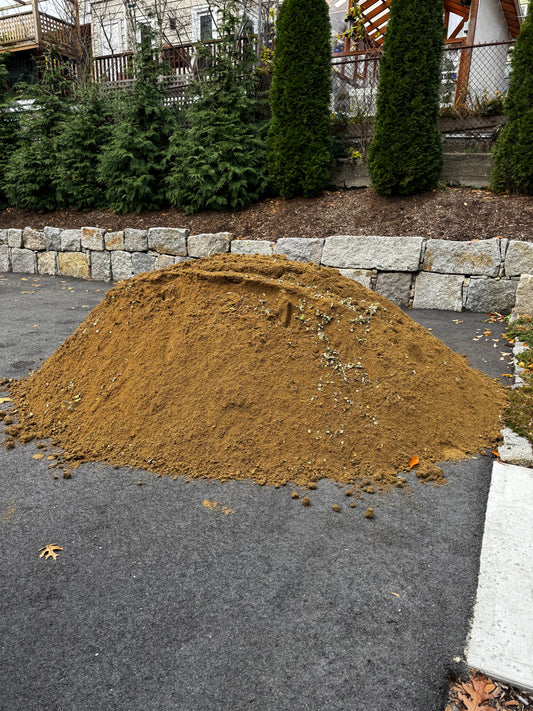
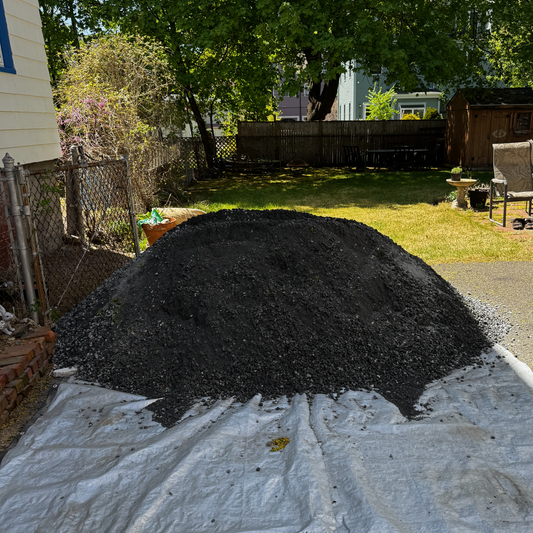
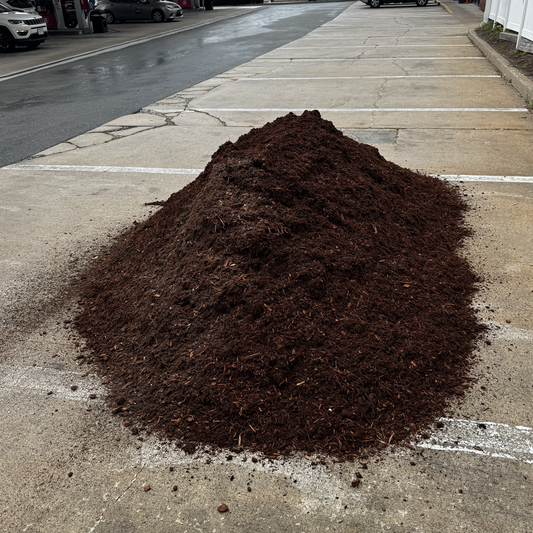
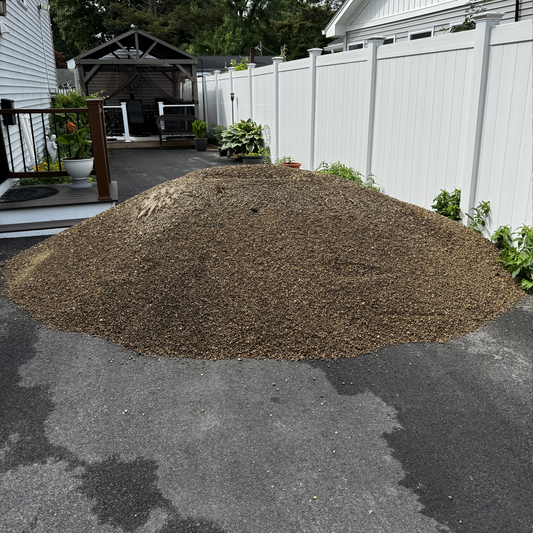
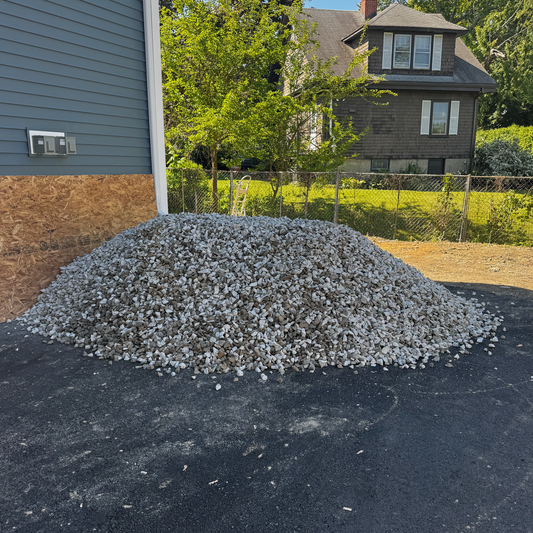
- Curbside is the default drop. On-property placement — inside a gate, on a lawn, at the back of a long drive — requires a signed liability waiver. Get it signed with the contract, not on the morning of the delivery while the driver waits.
- Check the route, not just the address. Some municipal streets carry posted weight limits and some underpasses won't take a loaded tri-axle. MassDOT covers state routes; the town DPW covers the rest.
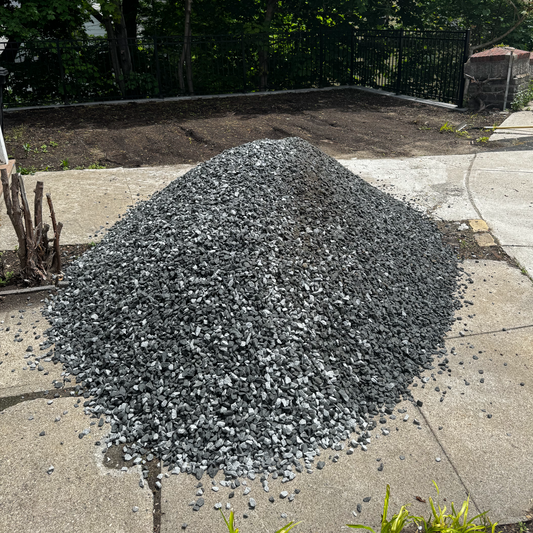
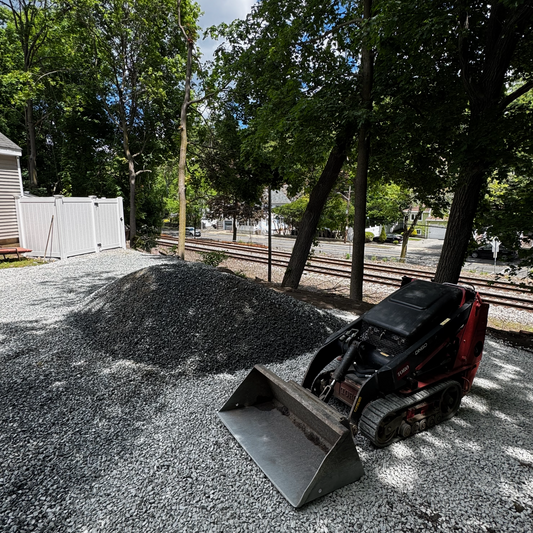
- Price the second move. A pile 60 feet from the work is a day of barrow labour you didn't bid. Budget the double handling or bring a machine.
How do I keep a pile workable in July heat?
| Material | What heat does | What to do |
|---|---|---|
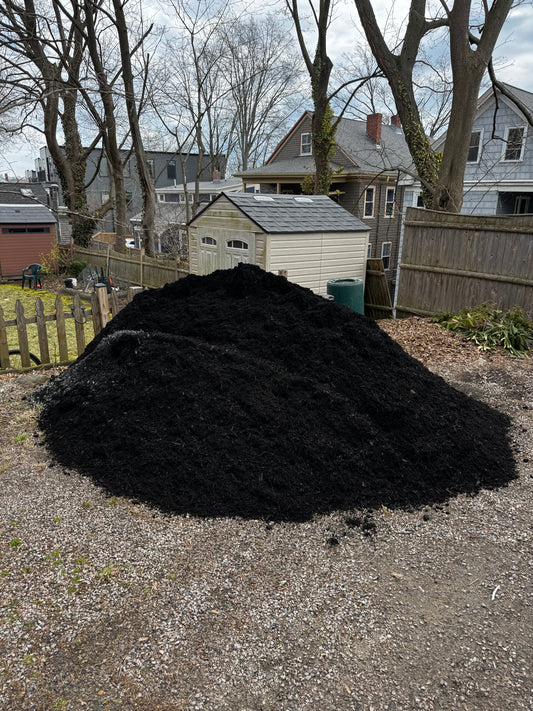
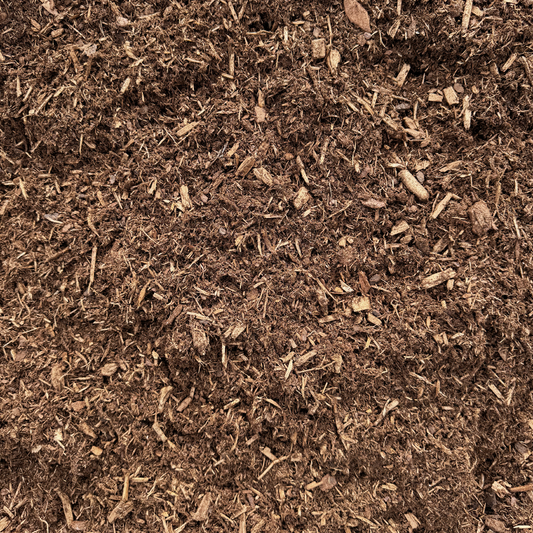
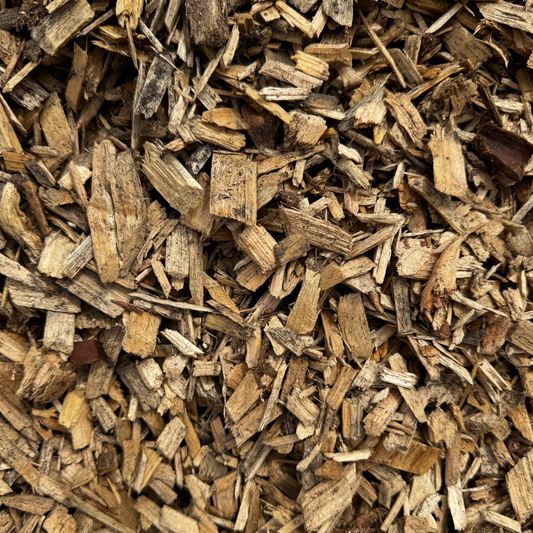
| Dyed mulch | Surface fades; a sealed tarp over a wet pile goes sour | Tarp for shade and dust, vent the ends |
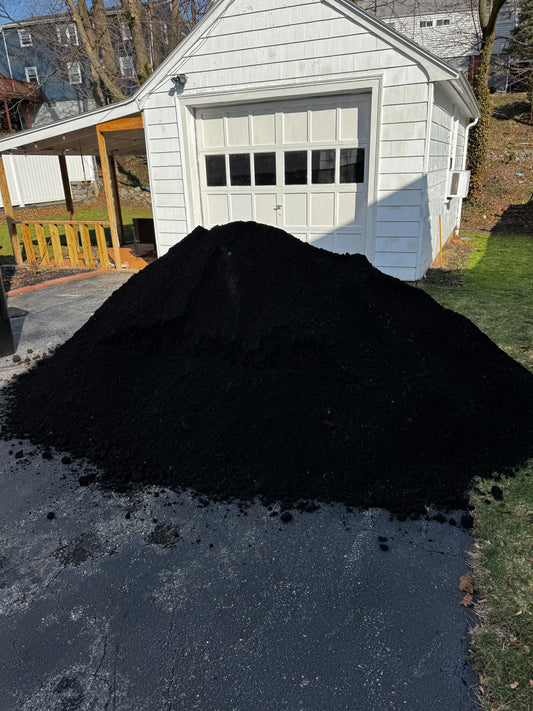
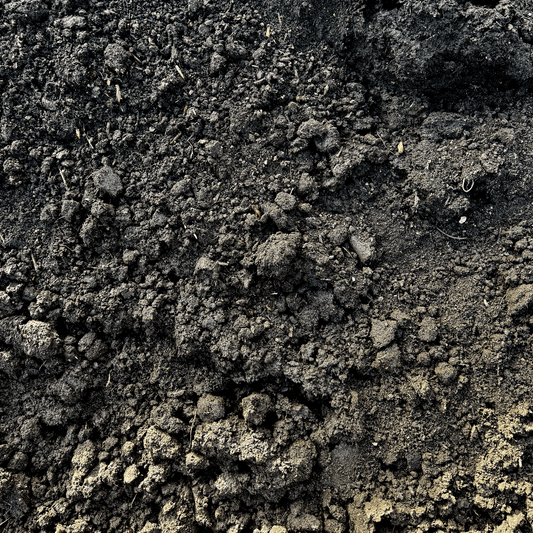
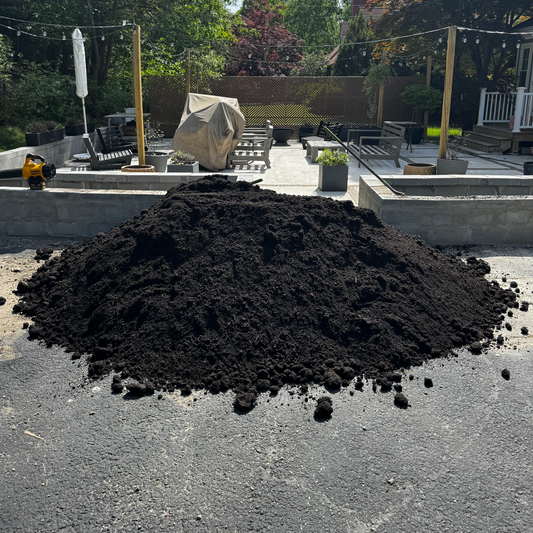
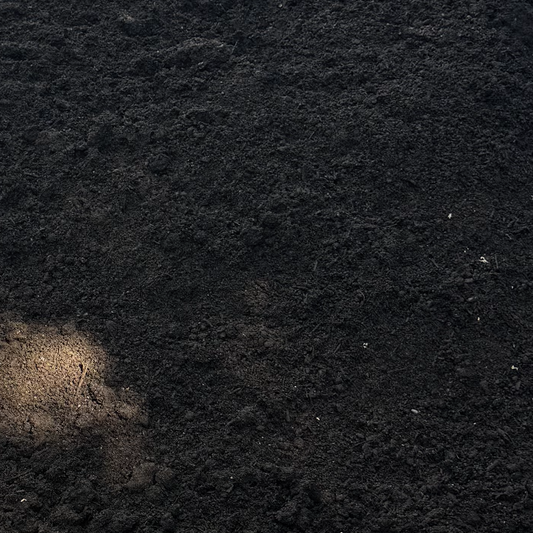
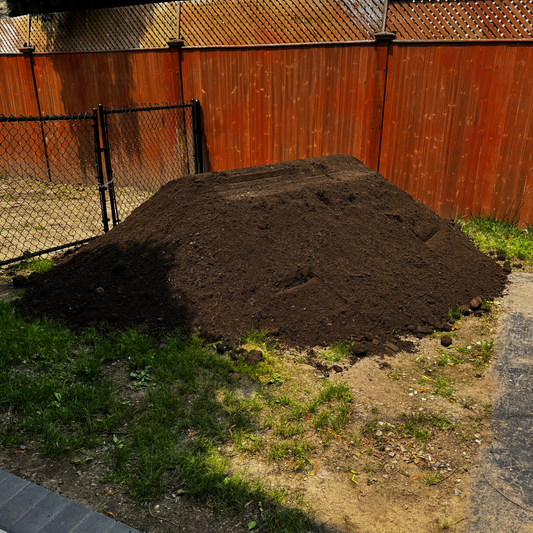
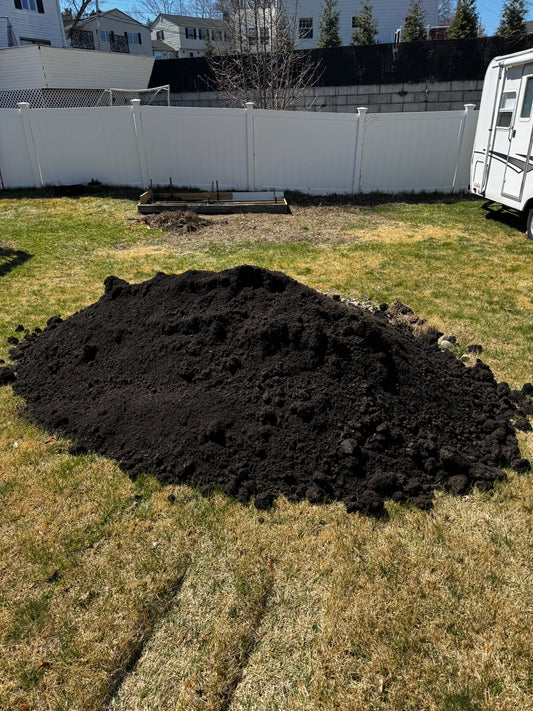
| Loam and compost | Crusts on top, stays wet and airless underneath | Tarp loosely; turn it past three or four days |
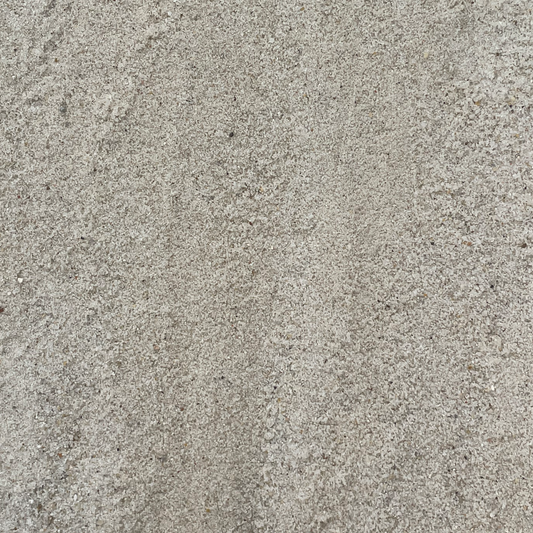
| Dense pack, stone dust | Dries below optimum moisture and won't compact | Tarp to hold moisture; wet each lift |
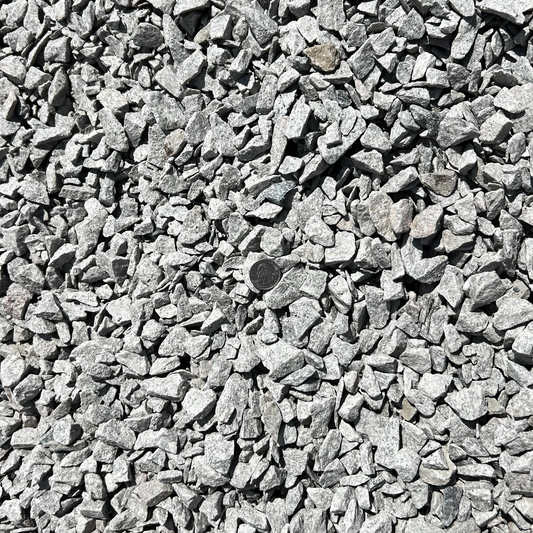
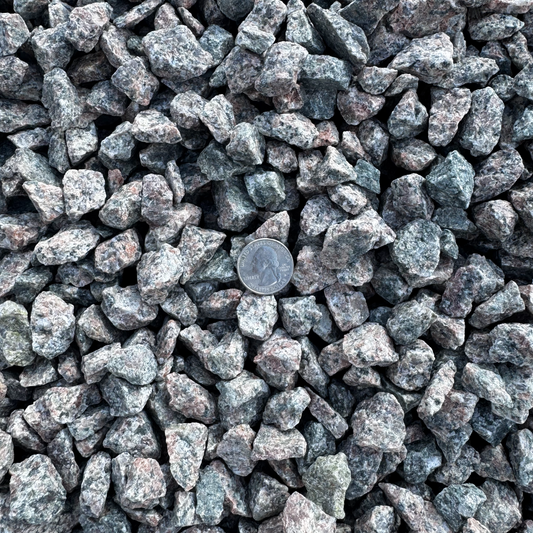
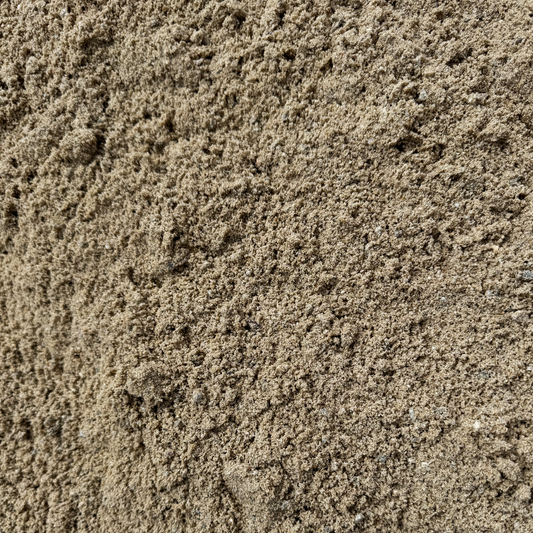
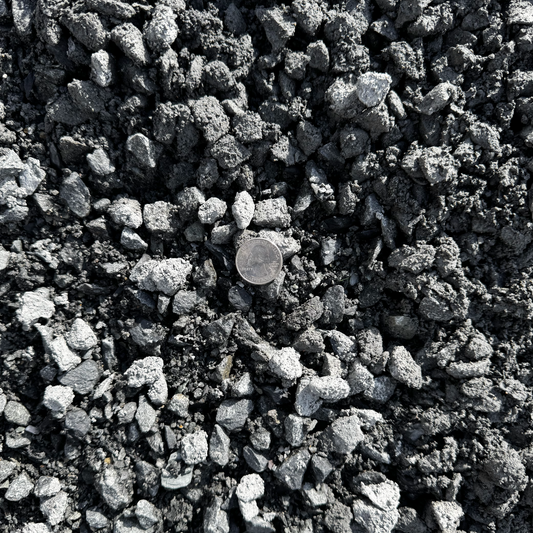
Row three costs real money. A bone-dry pile of Dense Pack ¾" to minus compacts to nothing like the density it should, and you find out when the pavers move next spring. Same with #10 Stone Dust under a walkway. Water each two- to three-inch lift, then compact.
Why does a mixed order cost more freight than you bid?
The delivery fee is $100 plus $4 per driving mile beyond 30, charged per load — per dump-truck trip — not per order. Caps are 10 cubic yards for mulch and 6 for rock, stone, sand and soil. Loads are counted per line item.
So a walkway job ordering 6 yards of dense pack, 3 of stone dust and 2 of paver sand is three trips. Inside the flat zone that's $300 in freight, not $100. Bid it at $100 and you just ate $200.
- Order to the cap. Eight yards of dense pack is two trips; six is one. Design the base to six and you've saved a full fee.
- Consolidate where the spec allows. One base product across two areas beats two similar products.
How do I sequence loads?
In the order the work happens, not all at once. Base lands the day before excavation finishes, bedding sand the morning it's needed, decorative material at the end. That keeps the pile count on site low, which on a tight lot is the whole game. Same-day and next-day are usually available, so don't stockpile against uncertainty — but Saturday slots fill first. If your crew works Saturdays, book by Wednesday.
Frequently asked questions
Can one truck bring two materials?
No. Each line item is its own trip and its own fee. That's physical, not a billing policy — a dump body carries one material at a time.
Can the driver place the pile inside the site?
Only with a signed liability waiver on file. A loaded truck on a lawn, a septic field or a new driveway is a genuine risk and we won't do it on a handshake.
What's the fee in Middlesex County?
Most of the county is inside 30 driving miles of our Dispatch Office in Dorchester, so $100 flat per load. The far northwest corner picks up $4 per mile. Use the ZIP checker before you bid. No minimum — one yard is valid.
Price a job against the full catalogue, site prep materials or the patio and walkway base range. Text (617) 286-2740 for a multi-load quote. If drainage is in scope, see our dry creek bed notes.