A shared driveway can work well until the first icy morning reveals that everyone assumed someone else had bought material. The same problem appears on private lanes, small associations, and multi-building properties.
In Plymouth County, use October to make the responsibilities clear. The plan can be simple, but it should be written down and shared with everyone doing the work.
Which surfaces belong in the estimate?
Map the driveway from the road to each maintained parking area. Add turnarounds, shared paths, and any slope that needs separate attention.
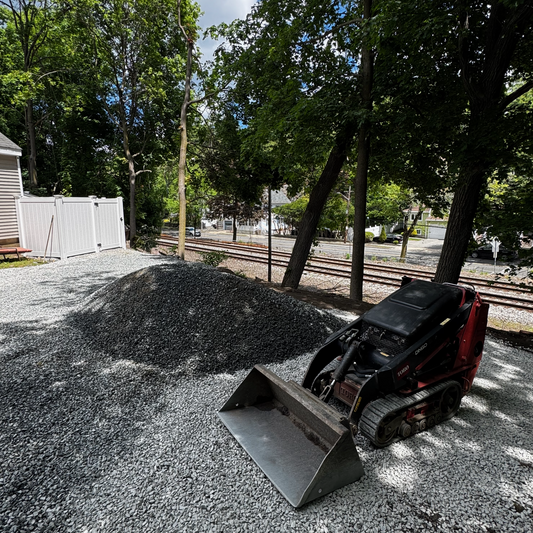
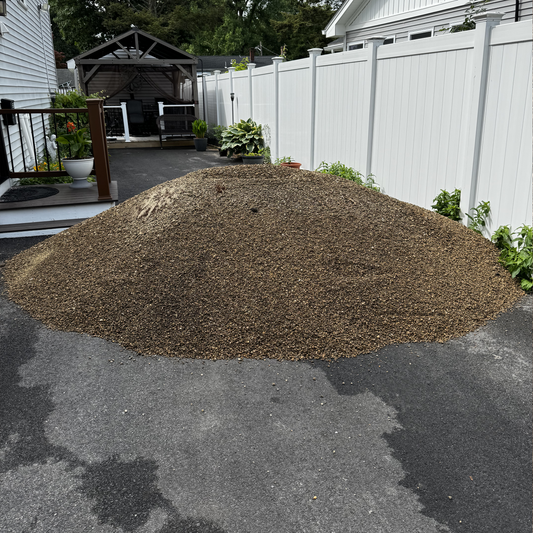
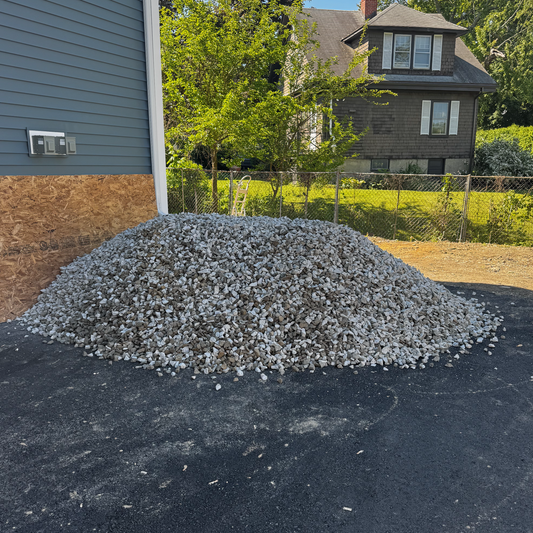
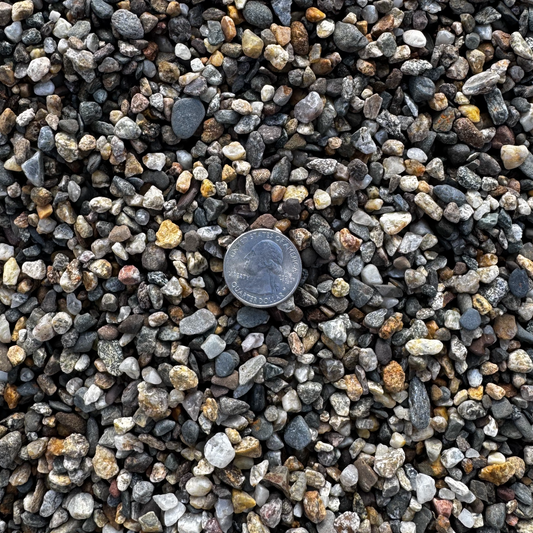
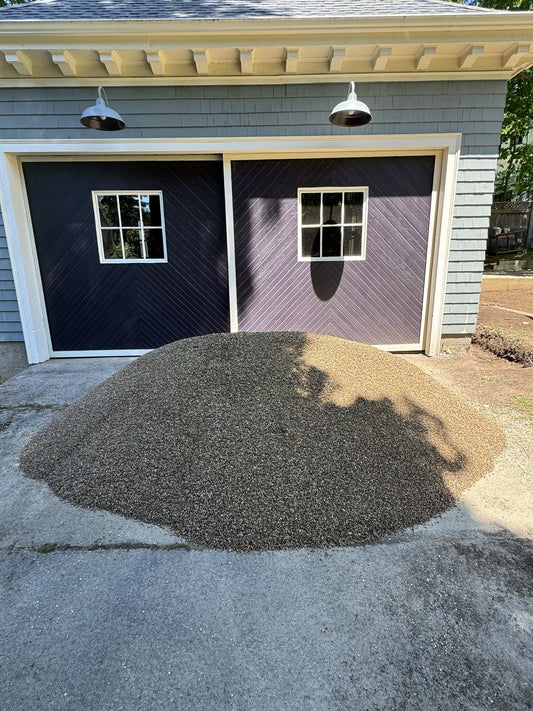
For a gravel route, inspect potholes and drainage before winter. The driveway gravel collection helps you separate a repair purchase from the winter material order. Salt cannot correct a hollow that repeatedly collects water.
How do you divide the responsibilities?
Choose an ordering contact, a stockpile location, an application lead, and a backup person. If a plow contractor is involved, confirm which tasks the contractor performs and which remain with residents.
Write down who checks conditions after the plow leaves. A single treatment is not a promise that the route will remain unchanged through temperature swings and runoff.
Agree on how costs and labor are shared within the association or neighbor arrangement. That discussion is easier before someone has to act during a storm.
Which material should the shared route use?
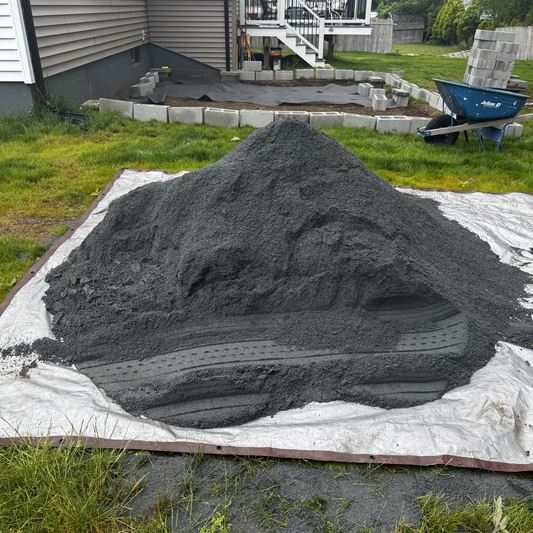
Start with the surface and equipment. Compare 50/50 salt-sand, 20/80 salt-sand, and untreated rock salt.
Different blends contain different proportions of salt and sand. Do not treat the same volume or spreader setting as interchangeable. Keep the chosen material identified so a volunteer does not load from the wrong pile.
For background on material selection, see the MassDOT road treatment overview.
When should the group reorder?
Use a visible inventory mark or a recorded quantity. Pick a trigger that leaves time to replenish before the reserve is used up.
After each event, record approximately how much was used and whether the maintained area has changed. Those notes make next year’s opening order easier to size.
Browse the winter salt range together and choose the material before placing the shared order. Our Plymouth County blend Q&A is a useful companion when the group is choosing between the two salt-sand options.
Frequently asked questions
Can several neighbors share a stockpile?
Yes, if the group has suitable storage and a clear agreement on access, use, and replenishment.
Should we copy a one-yard homeowner order?
Measure the entire shared route first. One household’s stockpile is not a reliable estimate for several properties.
Does the plow contractor automatically provide salt?
Confirm the actual service arrangement. Do not assume material application is included in snow clearing.