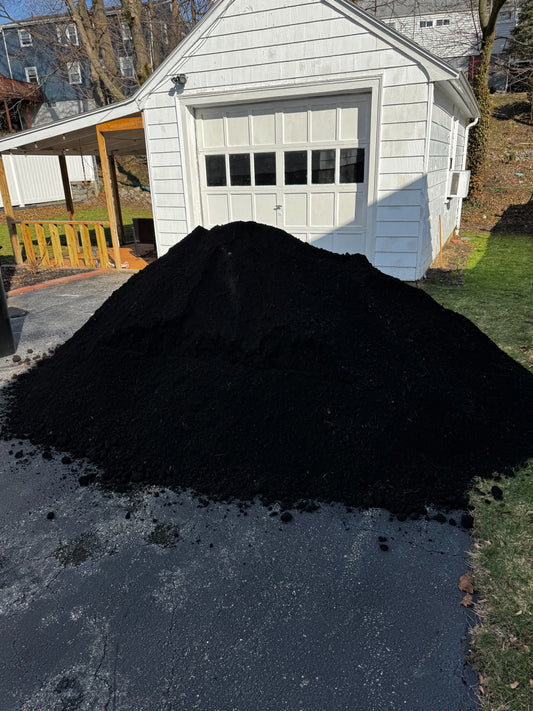
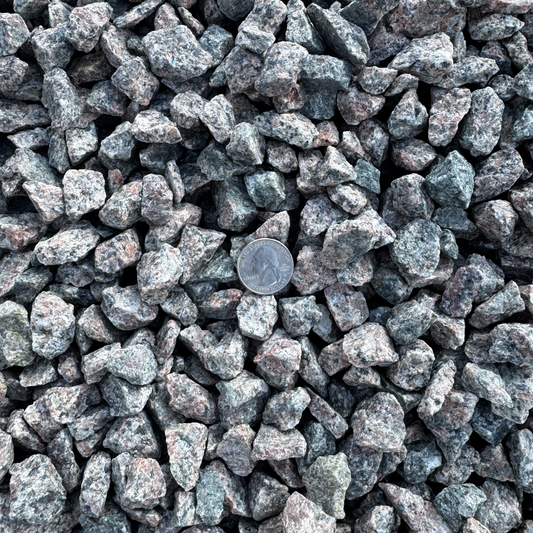
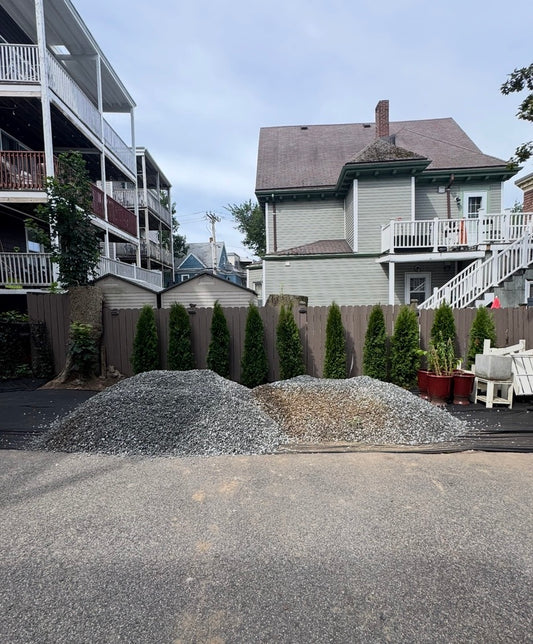
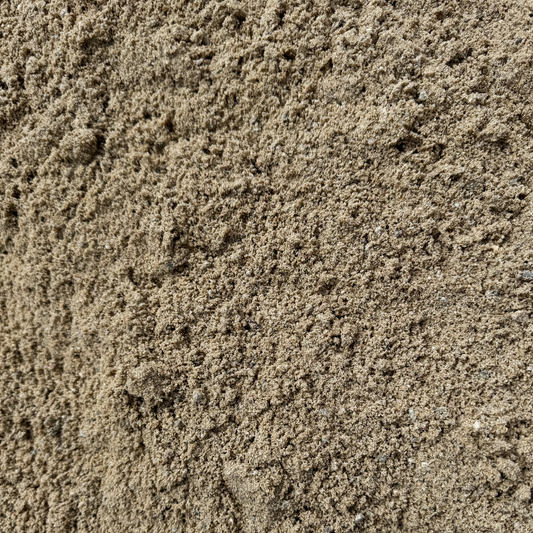
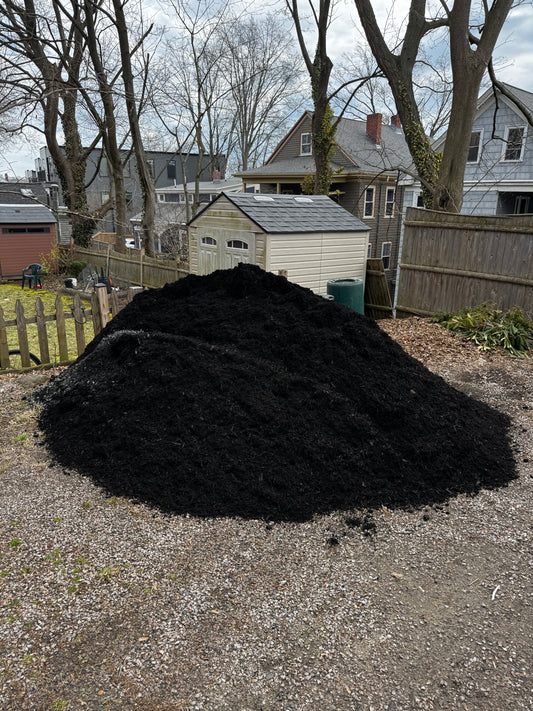
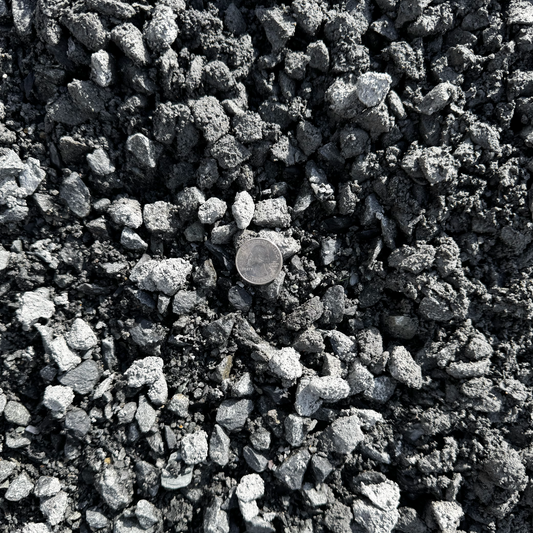
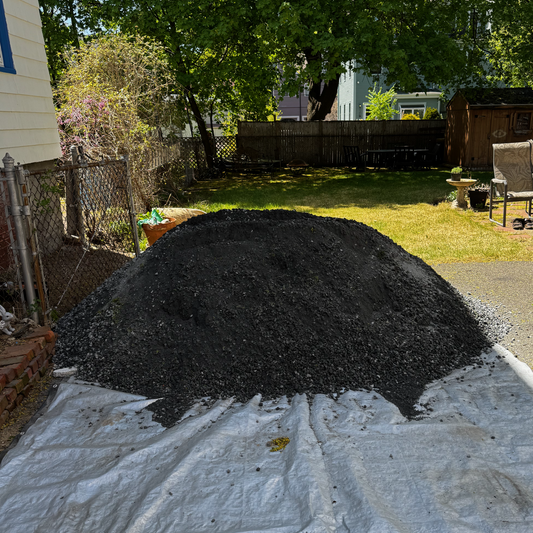
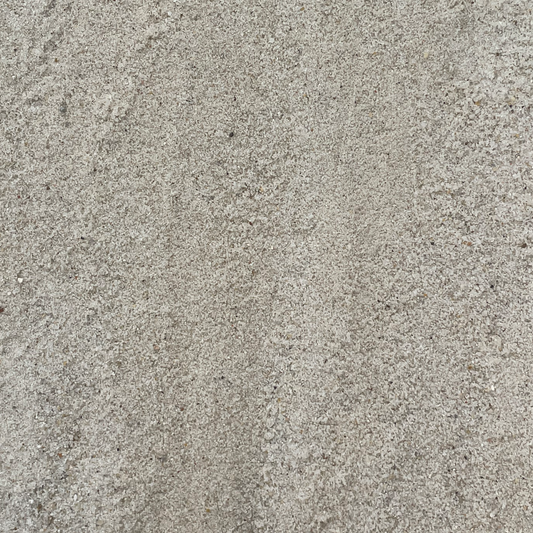
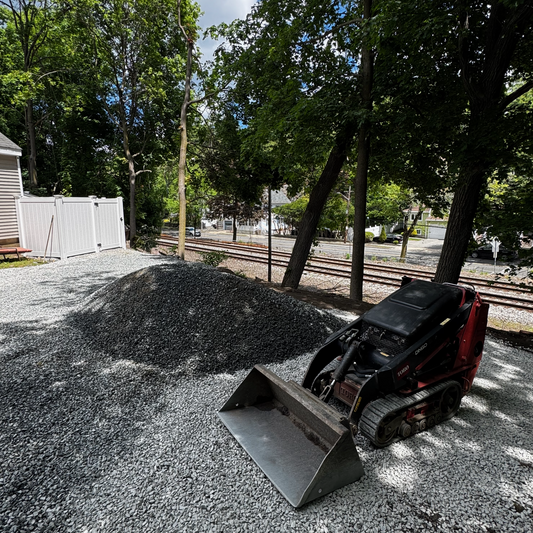
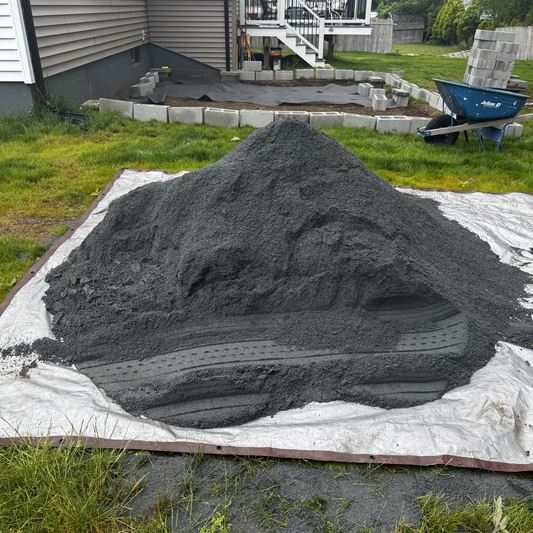
Plymouth County has a lot of road no town plows: private ways in beach neighborhoods, association-maintained cul-de-sacs, and long wooded driveways in towns like Carver, Middleborough, and Plympton. Many are gravel or patched asphalt near ponds, bogs, and wetlands, and coastal wind drifts snow across open stretches. The right blend depends on surface, grade, and how much melt you need.
What is the difference between Salt & Sand 20/80 and 50/50?
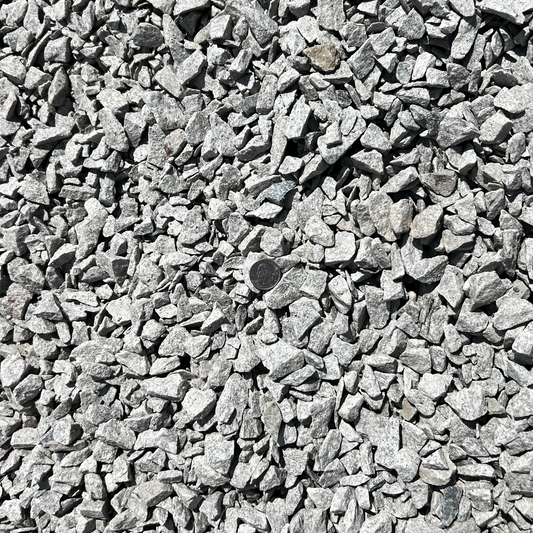
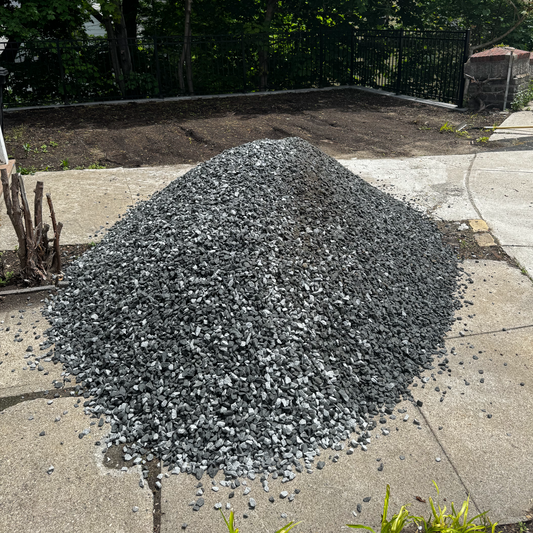
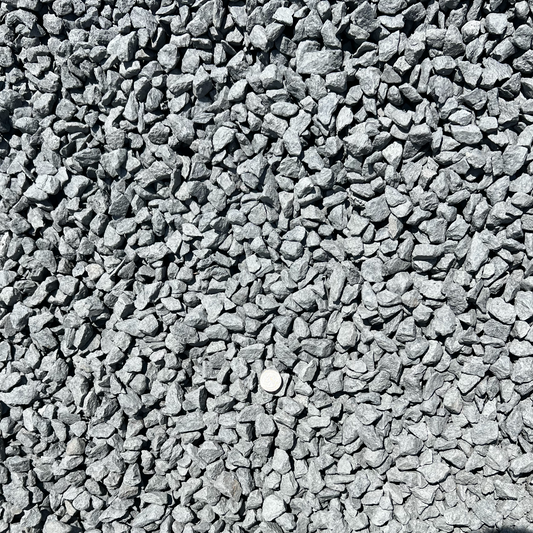
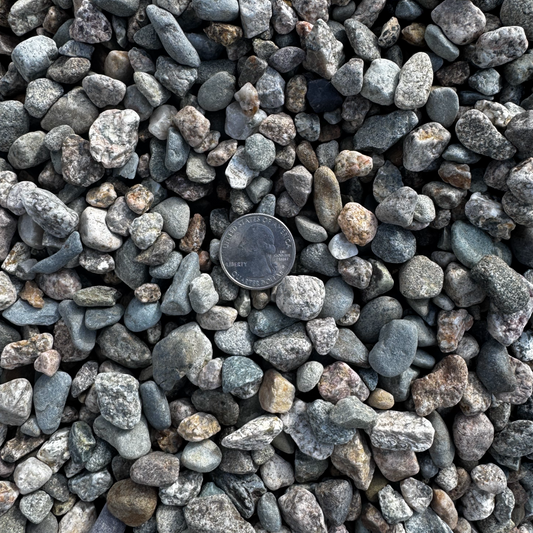
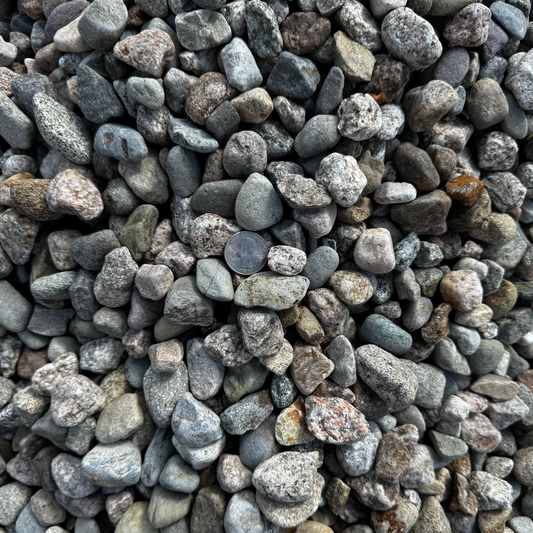
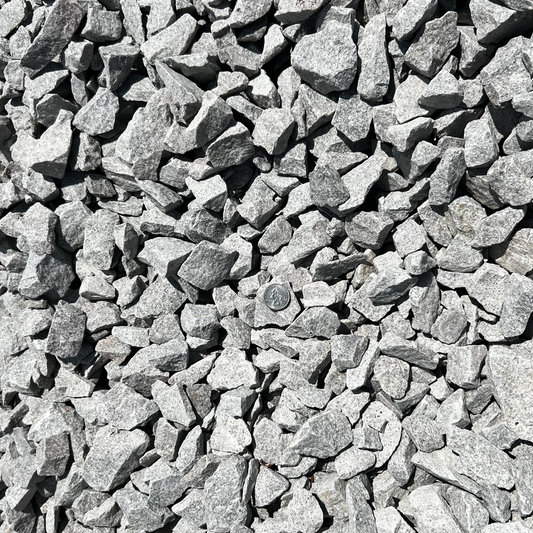
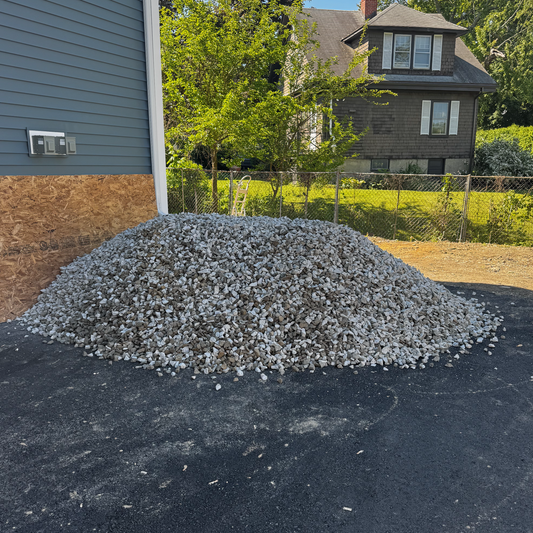
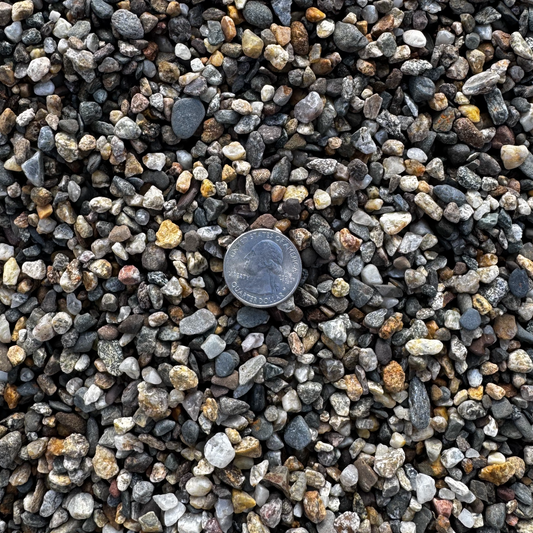
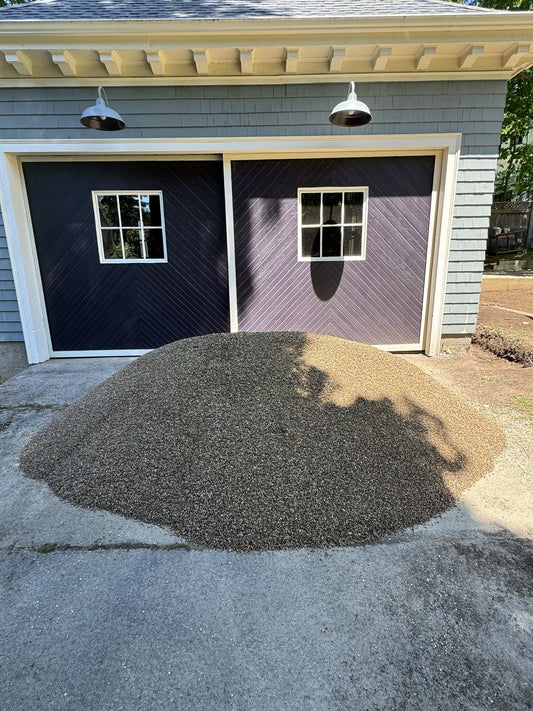
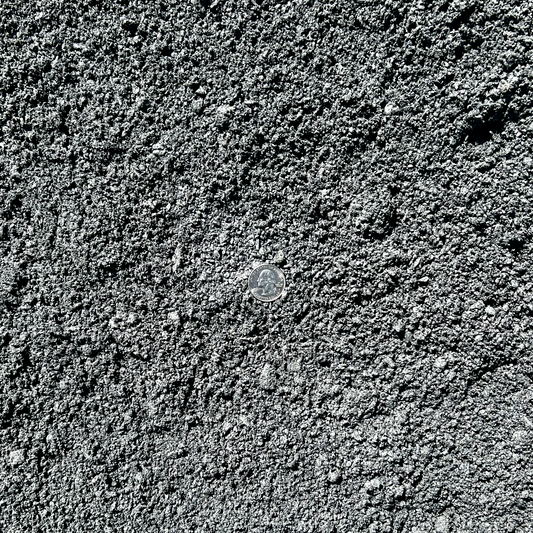
Both are blends of rock salt and coarse sand, measured by volume. Salt & Sand 20/80 is 20 parts salt to 80 parts sand, about 2,500 lbs per cubic yard (roughly 500 lbs of salt and 2,000 lbs of sand). Salt & Sand 50/50 is half salt and half sand, about 2,600 lbs per cubic yard.
| Factor | Salt & Sand 20/80 | Salt & Sand 50/50 |
|---|---|---|
| Mix by volume | 20 salt / 80 sand | 50 salt / 50 sand |
| Weight per cubic yard | About 2,500 lbs | About 2,600 lbs |
| Main job | Traction first, light melt | Balanced melt and traction |
| Per application, ~10,000 sq ft | About 1.5–2 cubic yards | About 1–1.5 cubic yards |
| Best surfaces | Slopes, gravel drives, long routes, ramps, paths | Paved private roads, cul-de-sacs, lots |
| Cold limit | Salt portion struggles below 20°F | Salt portion struggles below 20°F |
| Spring cleanup | More sand to sweep | Less sand to sweep |
Which blend works better on a Plymouth County private road?
It depends on the surface and the grade.
- Paved, mostly flat private way or cul-de-sac: 50/50. The extra salt breaks the bond between ice and pavement, and the sand gives grip while it works. This is the "one bin handles most storms" mix.
- Hill or curve on a private way: 20/80 on the grade, even if the flat sections get 50/50. Grip matters more than melt where cars brake and climb.
- Road bordering a pond, bog, or wetland: 20/80 cuts the salt going down by a wide margin while still giving traction. Shovel or plow first so less material is needed.
Many road associations stock both: 50/50 for the paved run, 20/80 for the entrance hill.
Is 20/80 a good choice for a gravel driveway?
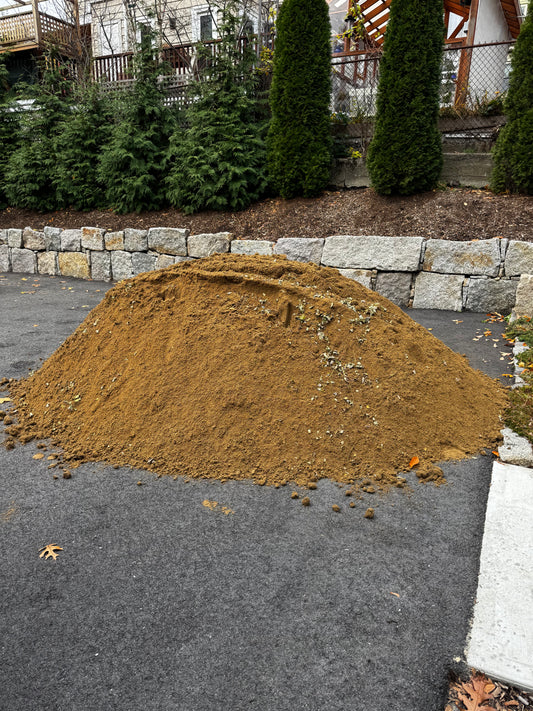
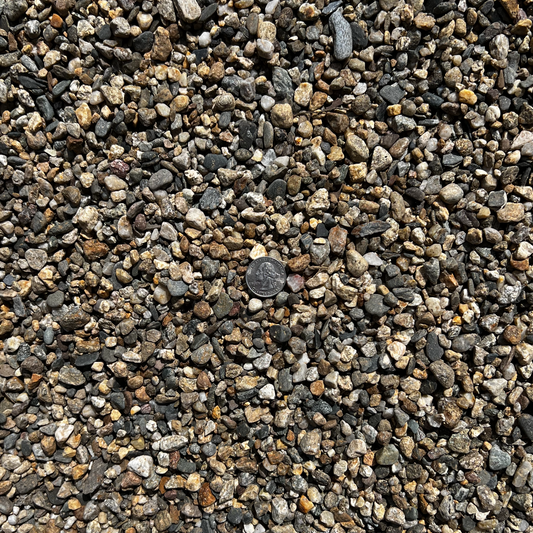
Yes. Sand works well on gravel because it blends into the surface instead of being a mess to clean up, and the light salt content loosens packed ice without soaking the drive in brine. Heavy salting on gravel can turn the top layer soft during a thaw, so a traction-first blend is the safer pick. For a straight-sand option, coarse sand from our sand collection spread alone gives grip with no melt at all; 1 to 2 cubic yards covers winter traction for a typical 50 ft driveway.
How much does a private way or long driveway need for a season?
Measure length × width for square footage, then scale from the per-application rates above.
- Private way, 600 ft × 16 ft (about 9,600 sq ft): roughly 1–1.5 cubic yards of 50/50 per storm, or 1.5–2 cubic yards of 20/80 per application. A season of 50/50 for a road that size commonly runs 6–12 cubic yards. For 20/80, stockpiling 5–10 cubic yards before the season is a sensible start.
- Long driveway, 300 ft × 12 ft (about 3,600 sq ft): a bit over a third of those amounts, so roughly 2–4 cubic yards of 20/80 stockpiled pre-season.
- Cul-de-sac bulb, about 100 ft across: close to 8,000 sq ft, so plan near the private-way numbers.
Plow contractors who service several private roads often lay in 8–15 cubic yards of 50/50 before the season starts. Our guide to ordering winter sand in Plymouth covers the straight-sand side in more detail.
How cold is too cold for either blend?
Both blends use untreated rock salt, which works well above roughly 20°F, fades below that, and essentially stops below about 15°F. On the coldest nights, the sand still gives traction even when the salt is not melting. If your road needs melting through deep cold snaps, treated rock salt keeps working down to roughly -15°F and can be kept in a separate pile for entrances and steep spots. Check the National Weather Service Boston forecast for overnight lows before you treat.
How many loads will a season take?
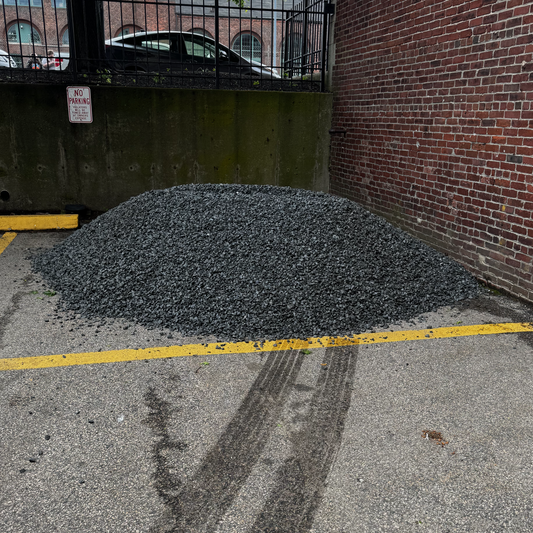
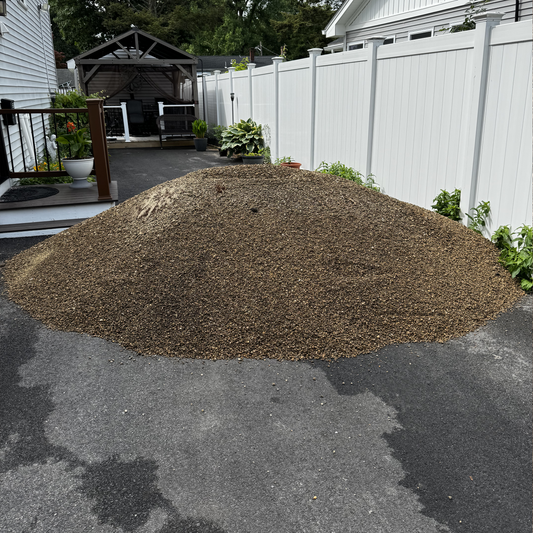
Salt-sand blends go out in loads of up to 6 cubic yards. Each material is its own load with its own delivery fee, so 12 yards of 50/50 is two loads, and adding a pile of 20/80 is one more. Minimum order is 1 cubic yard. Pricing is listed on each product in our salt and ice melt collection, and the delivery fee for your ZIP appears at checkout. Deliveries run year-round, including winter, and the truck needs about 13.5 ft of overhead clearance and about 10 ft of width.
How should a road association store its pile?
Keep it dry, covered, and off the ground on a pad, away from storm drains, wells, and edges that drain to a pond or wetland. A weighted tarp or three-sided bin works for a few yards. The EPA Southeast New England Program has background on how road salt runoff affects the region's ponds and streams.
When should Plymouth County roads order?
September or October. Ordering early avoids the rush after the first snow forecast. Road associations and plow contractors can set up recurring winter orders through sales@ottrsupply.com. See our Plymouth County landscape supply page for the towns we serve.
Can I mix 20/80 and 50/50 in one bin?
You can, but you lose the point of having two blends. Keep separate piles so you can match the material to the spot.
Will the sand hurt my lawn edges?
Sand is gentler than salt near turf. Rake it off the lawn edge in spring and flush the area with water.
Does Ottr spread the blend for us?
No. Ottr delivers only. Your association or plow contractor handles spreading.
Is 20/80 safe on new concrete?
Avoid salt on concrete poured within the last year. Use straight coarse sand there for the first winter.
Questions about a blend or a winter order? Call or text (617) 645-0987.