Quick Answer
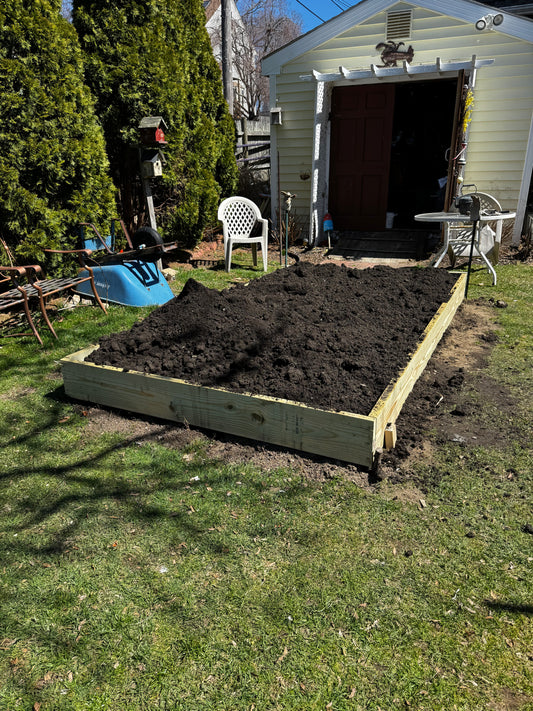
A 4x8 raised bed in Quincy needs 16 feet of ½" mainline tubing, 32 feet of ¼" emitter line at 12-inch spacing, a 25 psi pressure regulator, and a hose-bib timer. Total setup: 60 minutes, $80 in parts, and 1 gallon per plant per day delivered. Run 30 minutes daily at 6 a.m. through summer.
Why a Quincy Raised Bed Needs Drip
Hand-watering a Quincy raised bed in July is a 30-minute morning chore. Drip irrigation does it in 30 minutes of unattended runtime, delivers water at the soil surface (no leaf wetting, no fungal issues), and uses roughly 50% less water than hand-watering or overhead sprinklers — per USEPA WaterSense.
For Quincy's dense neighborhoods — Wollaston, Squantum, Houghs Neck — small-yard raised beds are the standard. Drip is the right tool.
What You Need (Parts List, $80 Total)
- ½" mainline tubing — 16 ft loop around a 4x8 bed
- ¼" inline emitter line, 12-inch spacing — 32 ft (4 rows of 8 ft)
- 25 psi pressure regulator
- 200-mesh filter
- ½" tee, ½" elbow, ¼" punches
- Hose-bib timer (battery-powered, around $30)
- U-stakes, 16 of them
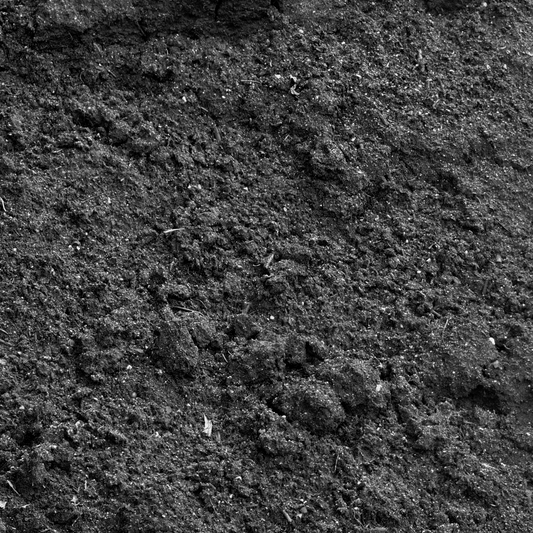
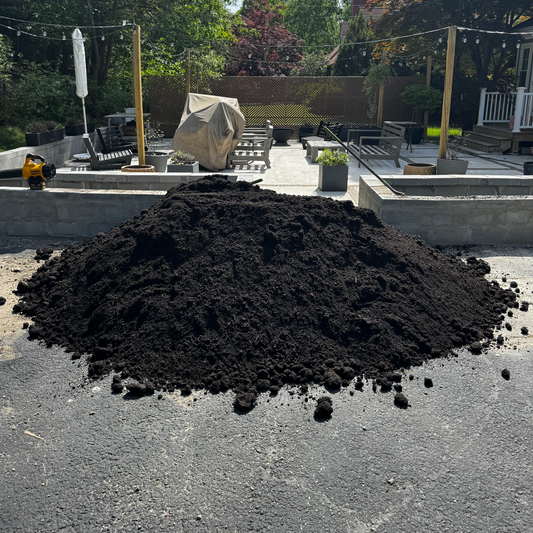
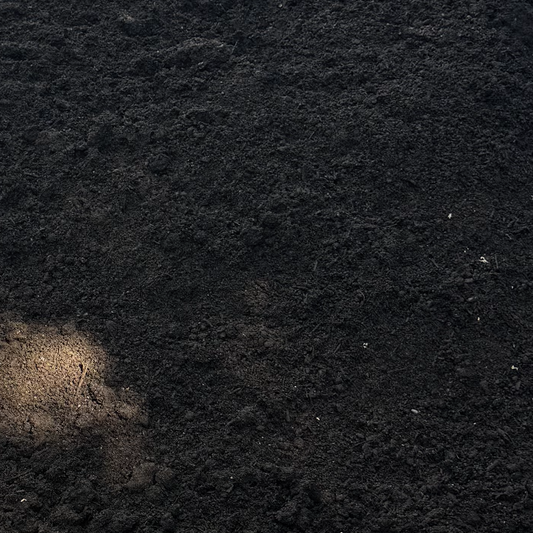
For the bed itself, see How to Build a Vegetable Garden Soil Mix for a Sharon Bed for the soil layering. Top-up the bed with Garden Soil Mix before drip install — easier to lay tubing on settled, moist soil than on dust.
Step 1: Plan the Loop
Lay the ½" mainline as a square loop around the inside perimeter of the 4x8 bed. Bring it in from the hose bib at one corner, go around all four sides, and end the loop with a goof-plug back at the start. The loop ensures even pressure across all branch lines.
Step 2: Install Filter + Regulator
At the hose-bib end of the mainline, install (in order from bib to bed): hose-bib timer → 200-mesh filter → 25 psi pressure regulator → mainline. The filter prevents emitter clogging from Quincy municipal water sediment; the regulator drops pressure from 50–60 psi (street pressure) down to the 25 psi that drip systems are designed for.
Skip the regulator and emitters blow off the line in week one.
Step 3: Punch and Branch
Punch the ½" mainline every 12 inches across each planting row. Connect ¼" emitter line to each punch. For a 4x8 bed, that's 4 rows × 8 ft = 32 feet of emitter line total. Inline emitter line has built-in drippers every 12 inches — each drips at 0.5 gallons per hour.
Step 4: Stake the Emitter Line
Pin the ¼" emitter line over each plant row with U-stakes every 24 inches. The emitter line should sit on the soil surface, just touching — not buried, not floating. Stakes prevent the line from creeping when you weed.
Step 5: Run and Time the System
Run the system 30 minutes manually. Walk the bed: every emitter should produce a wet spot 4–6 inches across after 30 minutes. Any dry emitter — punch a new one or clean the old.
Set the timer for 6 a.m. daily, 30 minutes. In a Quincy summer with 1.2 gallons per square foot of bed per week needed, this delivers it without overshoot. Adjust to 20 minutes after rain and 45 minutes during 90°F+ stretches.
What You'll Need from Ottr
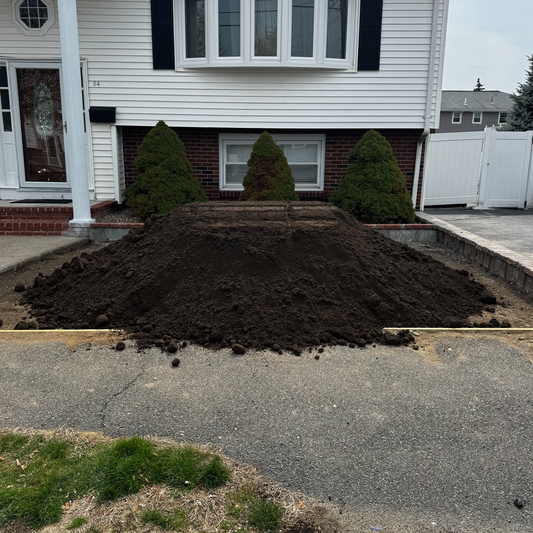
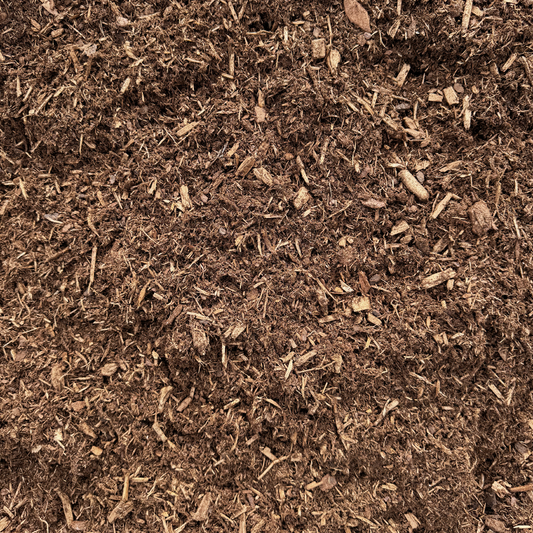
- Garden Soil Mix — top-up the bed before drip install (¼ cubic yard typical for a 4x8)
- Compost — ½" top-dress before mulching over the drip
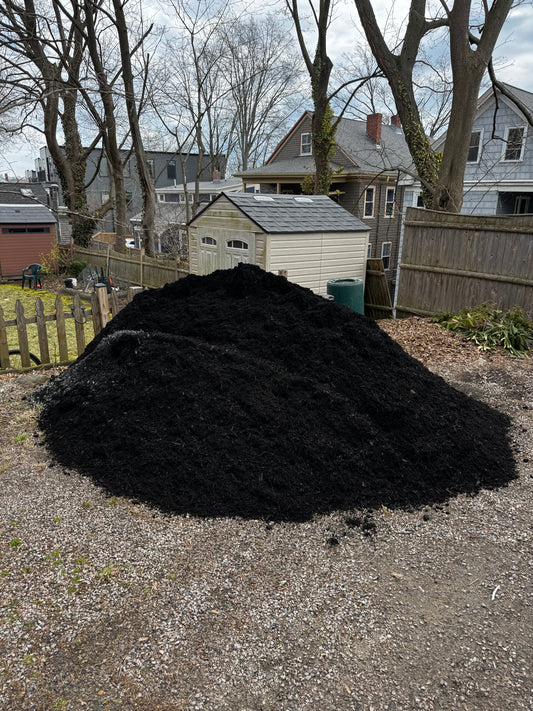
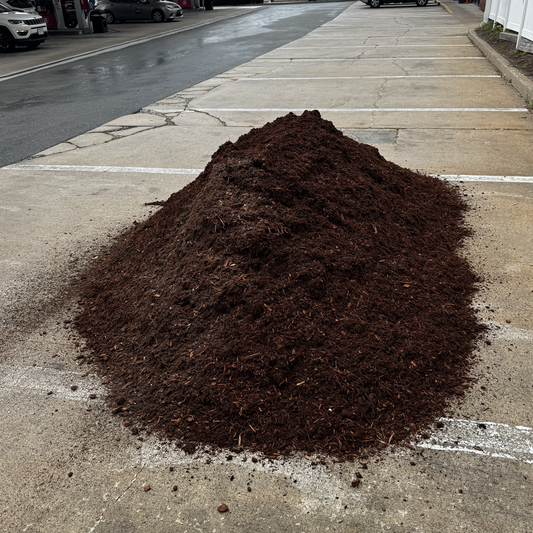
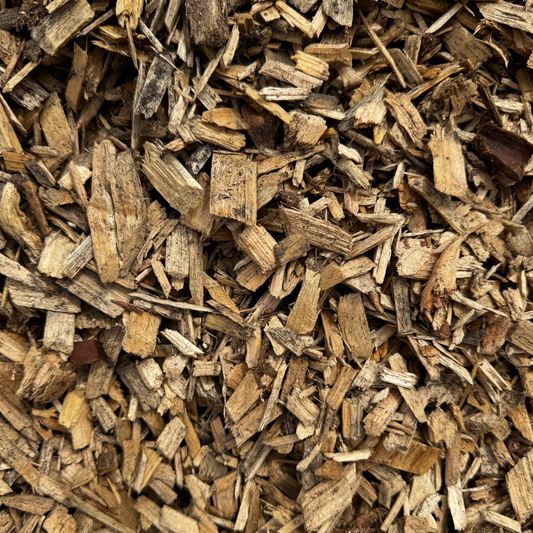
- Hardwood or hemlock mulch — 2-inch layer over the drip (the mulch goes ON TOP of the emitter line — this protects tubing from UV and holds moisture)
Browse raised garden bed materials and Quincy landscape supply for delivery scheduling.
For the matching summer-watering setup, see 5 Drought-Prep Steps for Bridgewater Yards Before June and How to Audit a Sprinkler System Before Plymouth County's Summer Heat — drip and sprinkler share the same audit logic.
The short version: $80, an hour, 30 minutes daily — Quincy raised bed handles July without you.