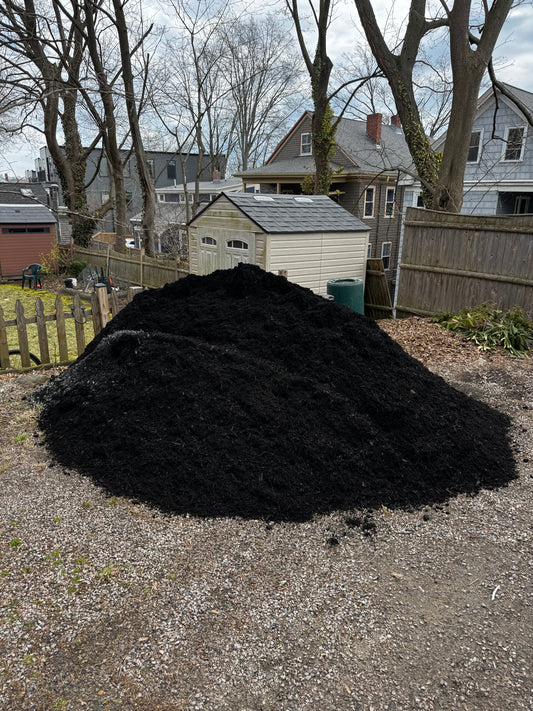
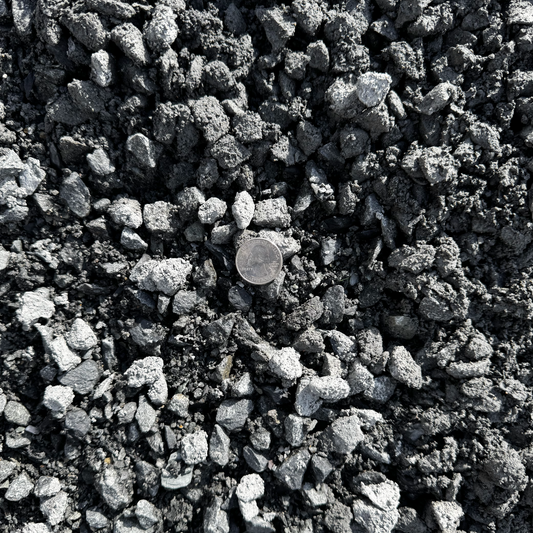
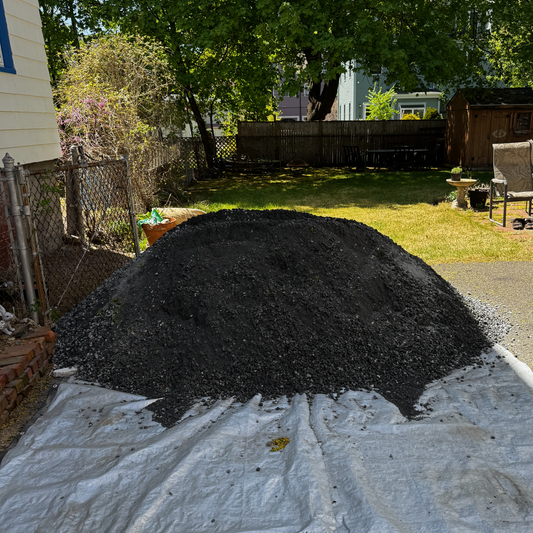
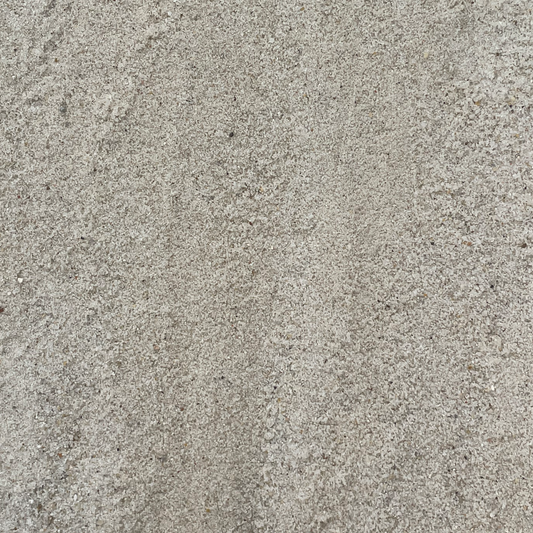
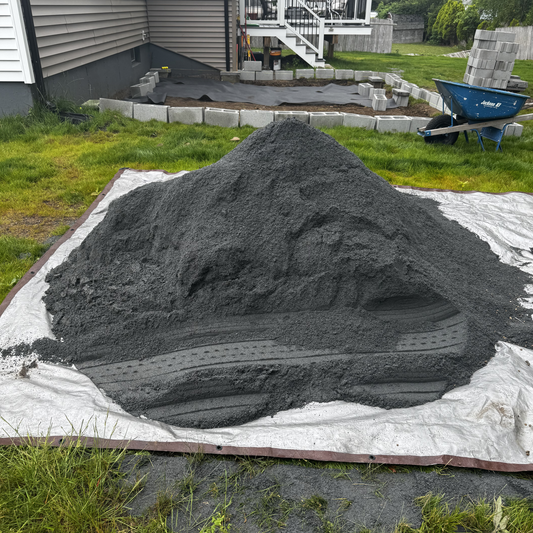
Yards in Boston, Chelsea, Revere, and Winthrop are small. A triple-decker backyard in Dorchester or a tiny Charlestown lawn does not take long to fix, but the window closes fast once nights cool and the wind comes in hard off the harbor. If you are picking up from our end-of-August checklist, this is the next page.
What fall yard jobs should Suffolk County homeowners finish in September?
- Overseeding. Get seed down by September 15. After about October 1, stop and plan a dormant seeding in late November instead. Our step-by-step on finishing an overseeding job before the cutoff walks through it.
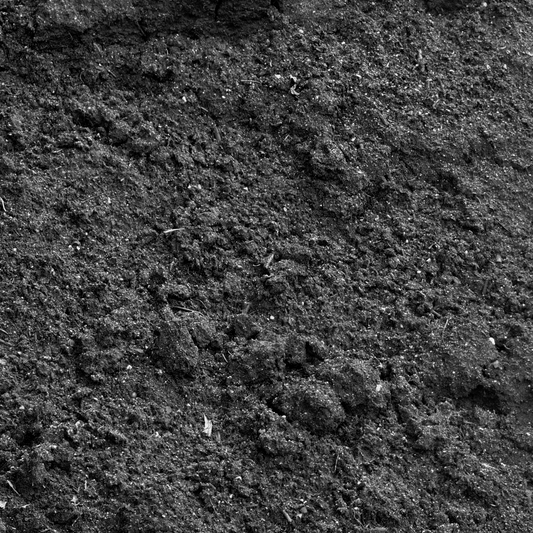
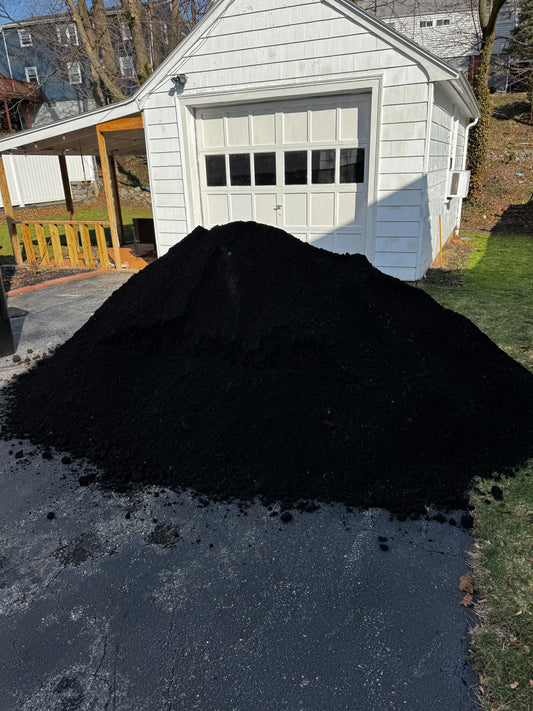
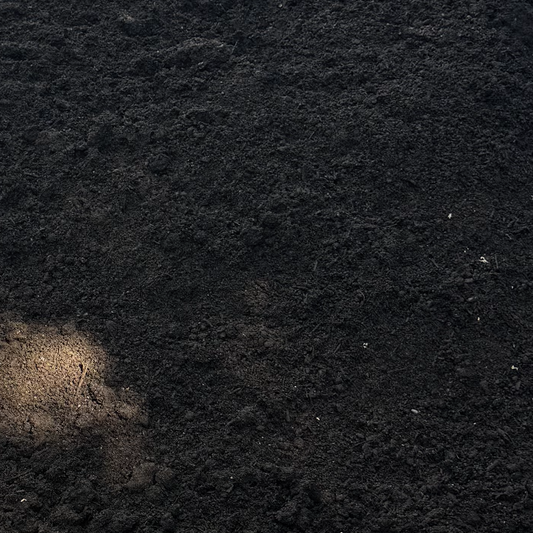
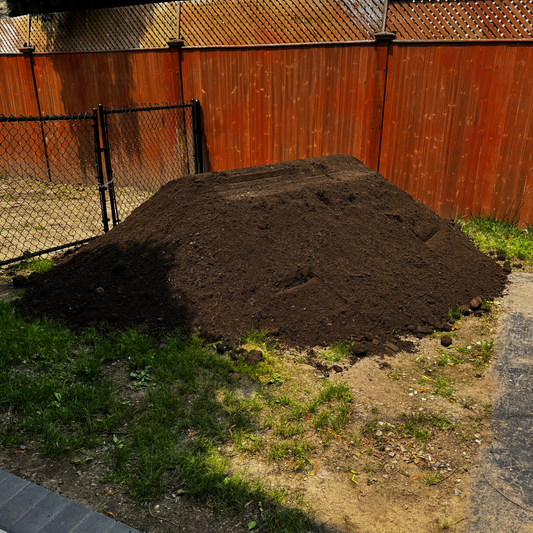
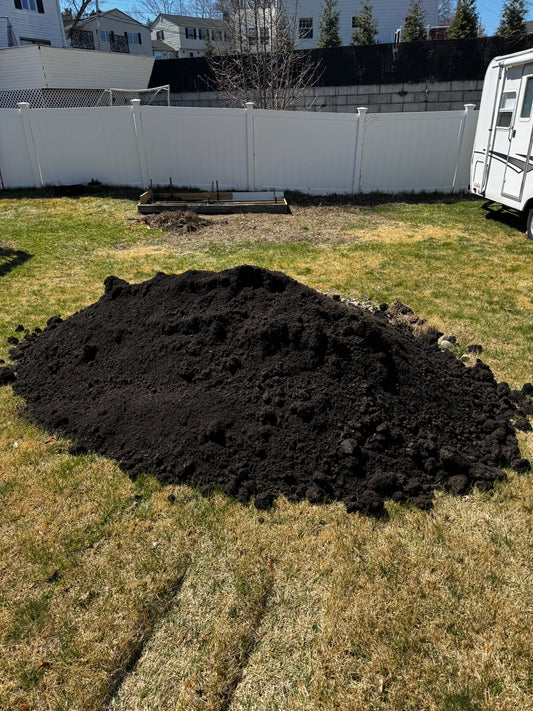
- Topdressing. A ¼–½" layer of screened loam over thin turf smooths low spots and gives new seed a place to root.
- Lawn patches. Bare spots from summer foot traffic or a removed patio need 4–6" of loam before seed.
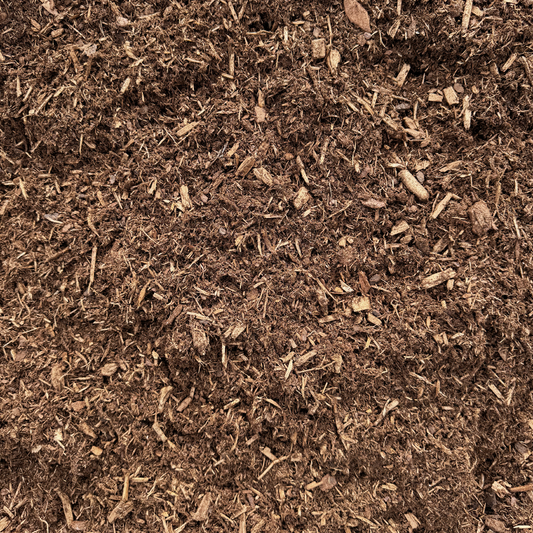
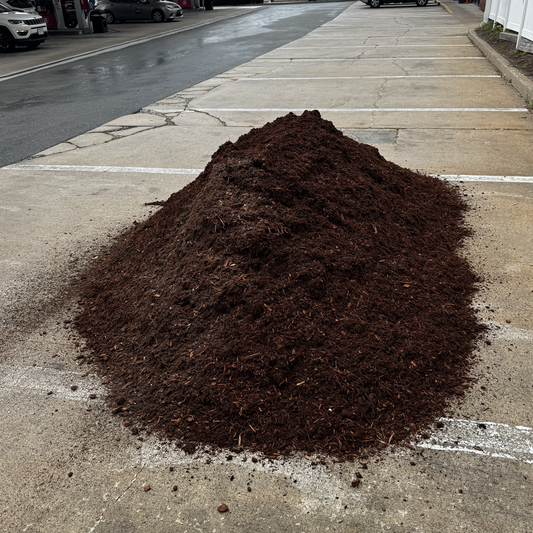
- Beds. Refresh mulch at 2" (3" for new beds) and work compost into tired soil before you plant bulbs or divisions.
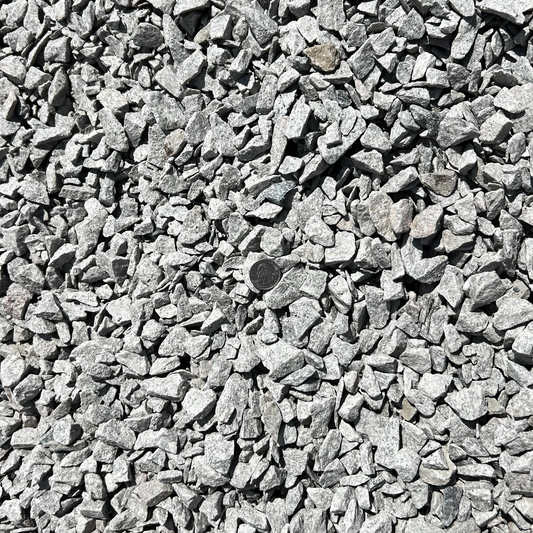
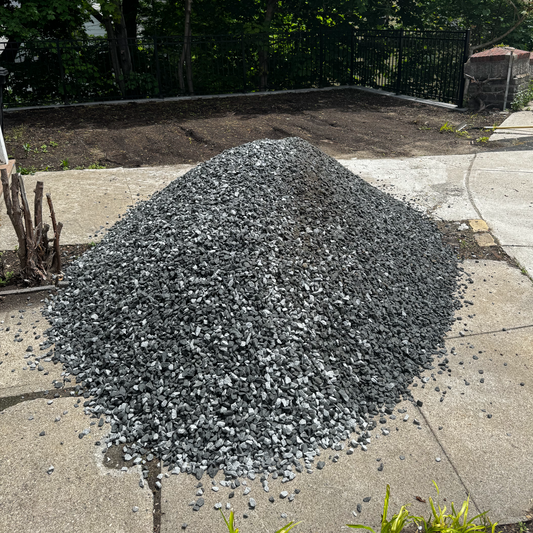
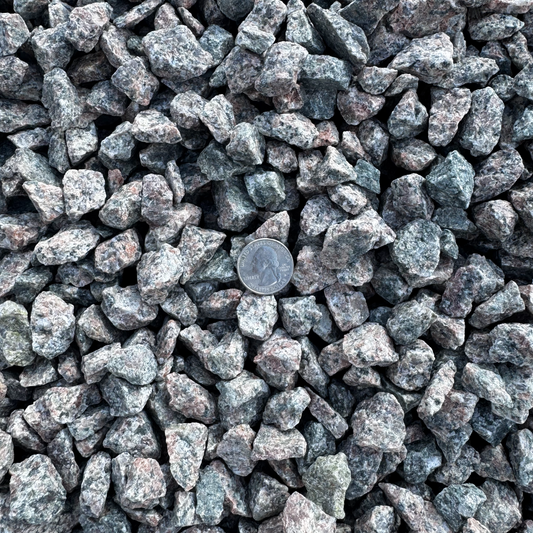
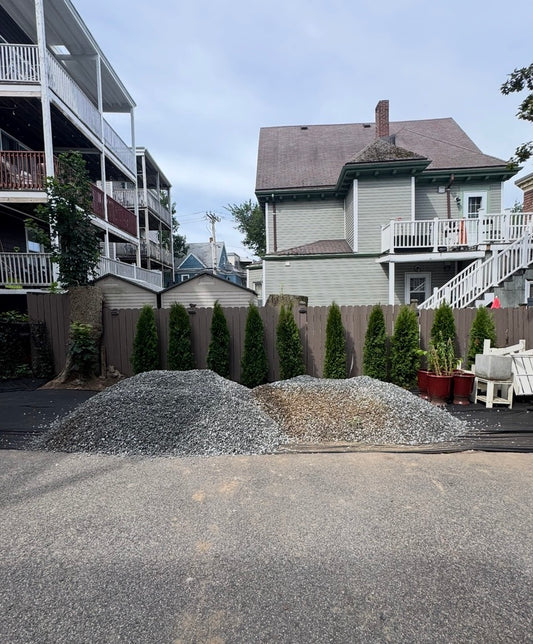
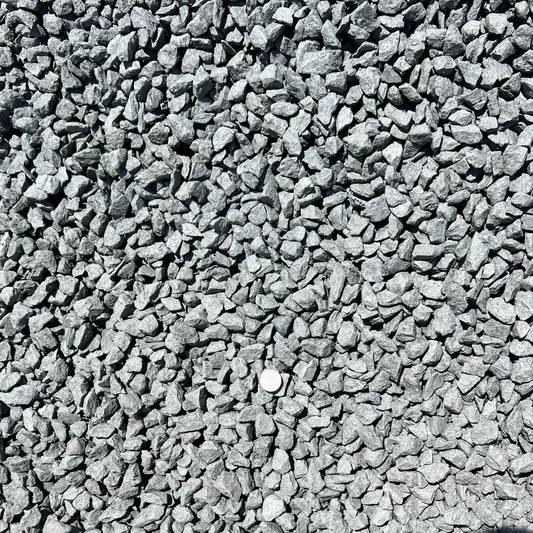
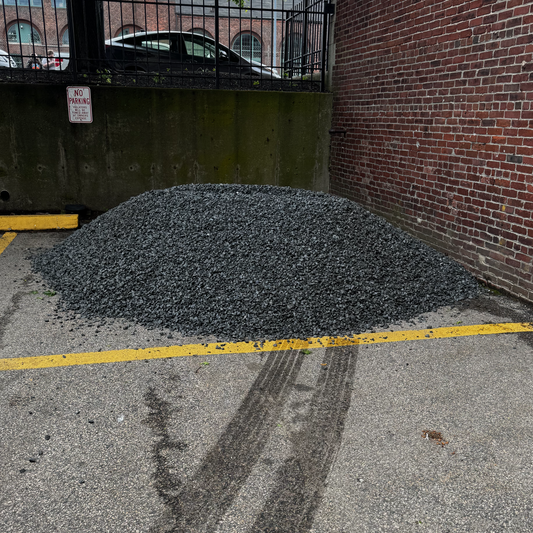
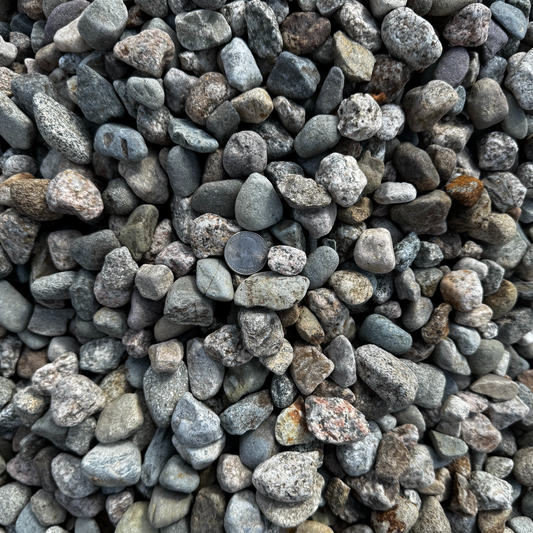
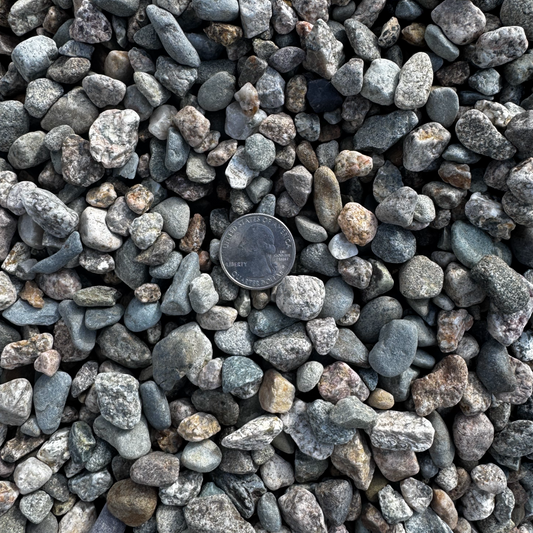
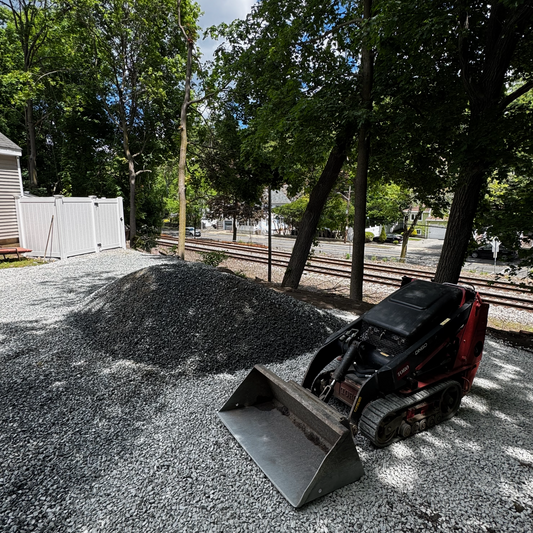
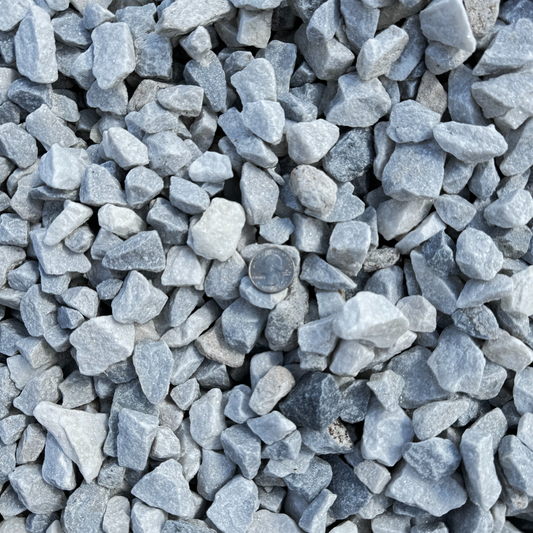
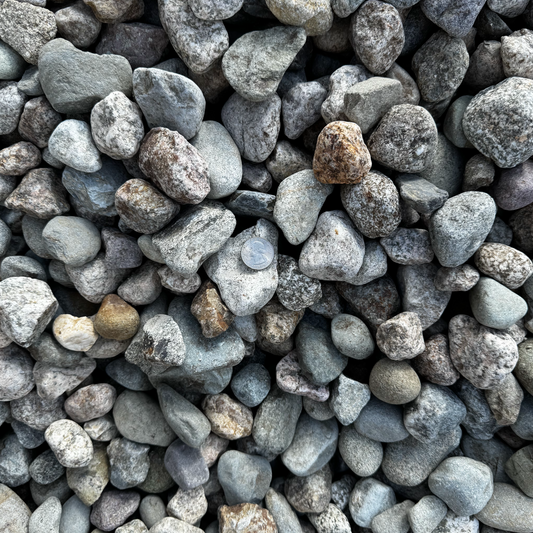
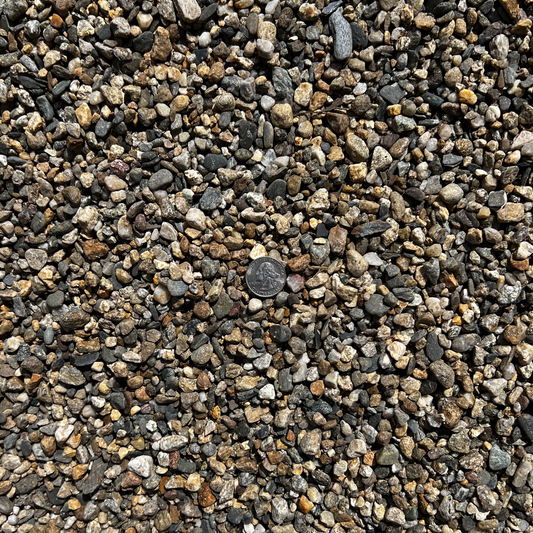
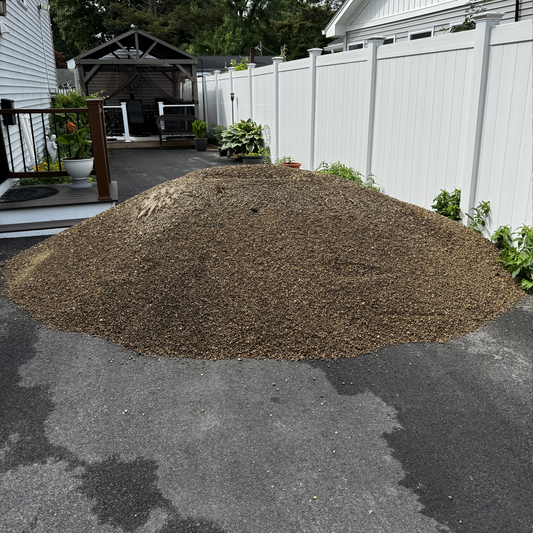
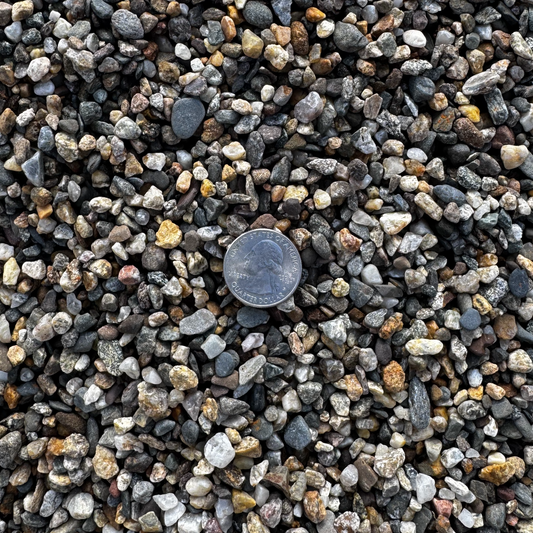
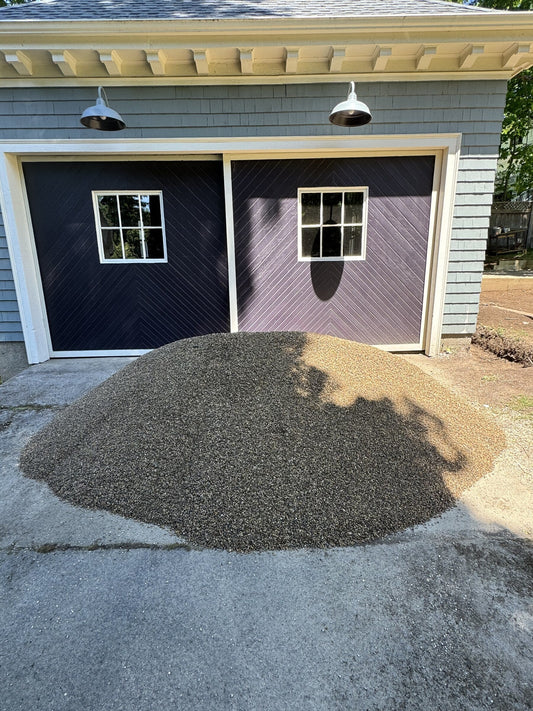
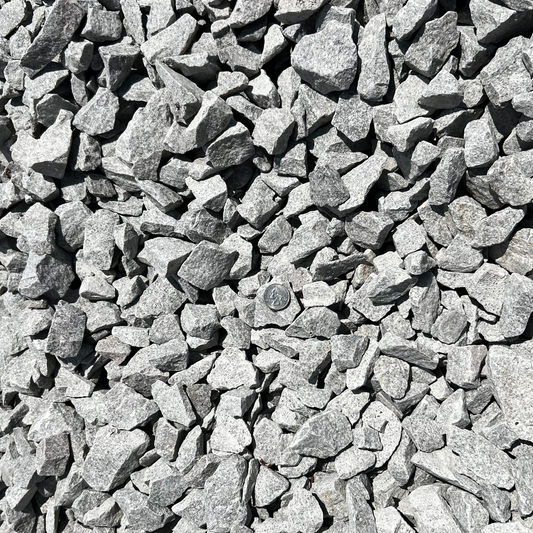
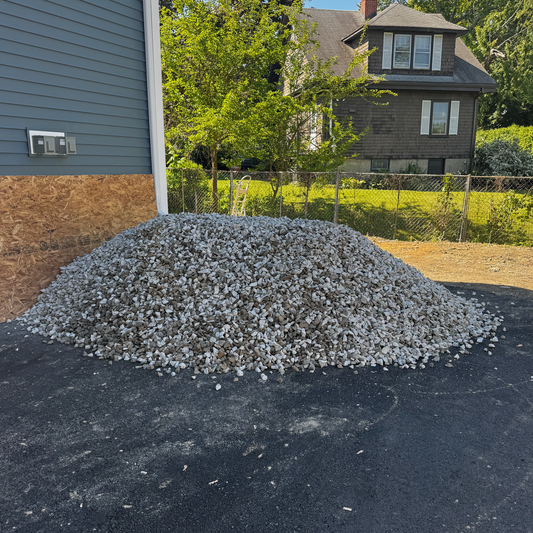
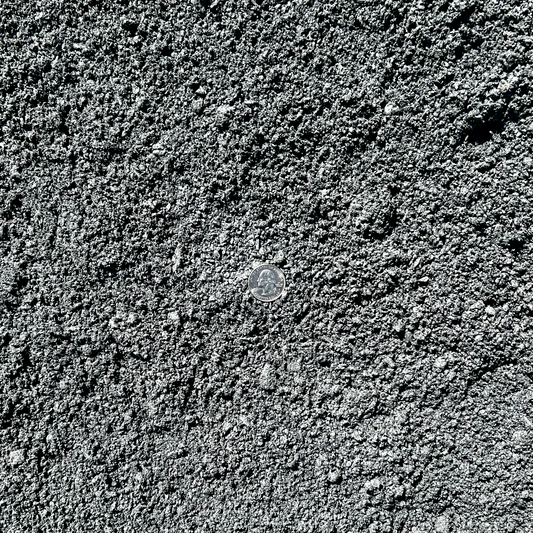
- Base and drainage work. Gravel pads, walkways, and drainage trenches are easier to build and compact before the ground stays wet.
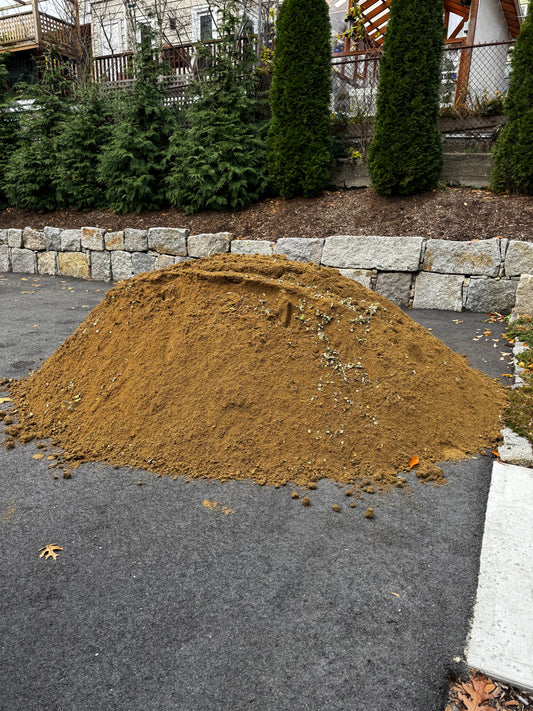
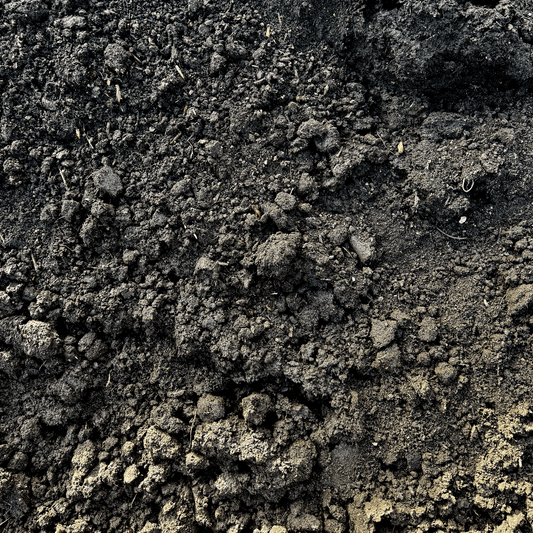
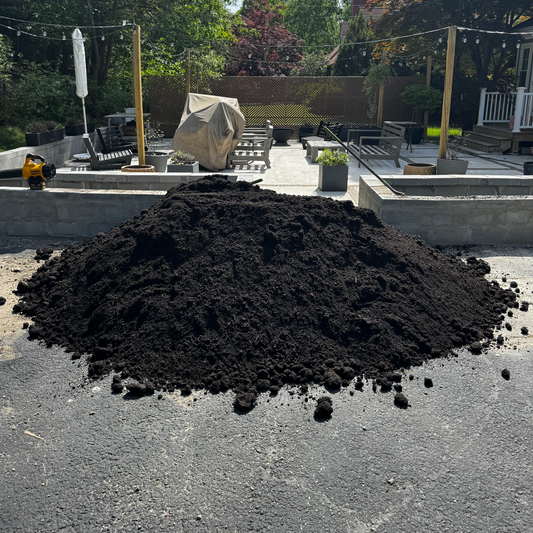
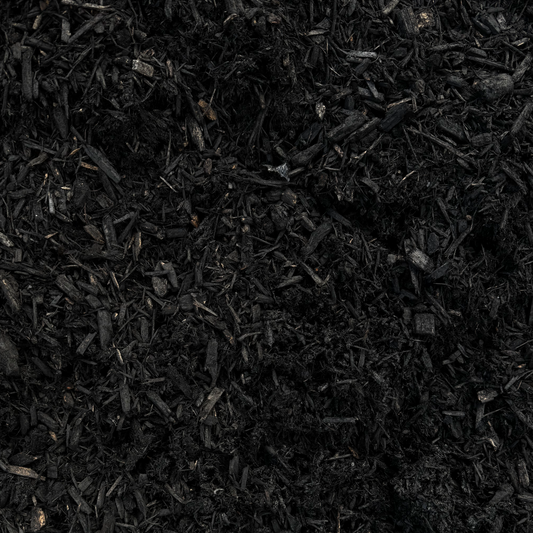
Everything above comes from our loam, compost, and soil collection or the stone side of the catalog. The UMass turf program has good regional guidance on fall seed mixes if you are choosing grass for shade or salt exposure.
How much material does a typical Boston yard need this fall?
Use square feet × depth in inches ÷ 324 = cubic yards. Here is how that plays out on common city-lot jobs:
| Job | Area | Depth | Cubic yards |
|---|---|---|---|
| Topdress a small lawn | 1,000 sq ft | ½" | about 1.5 |
| Mulch refresh | 300 sq ft | 2" | about 2 |
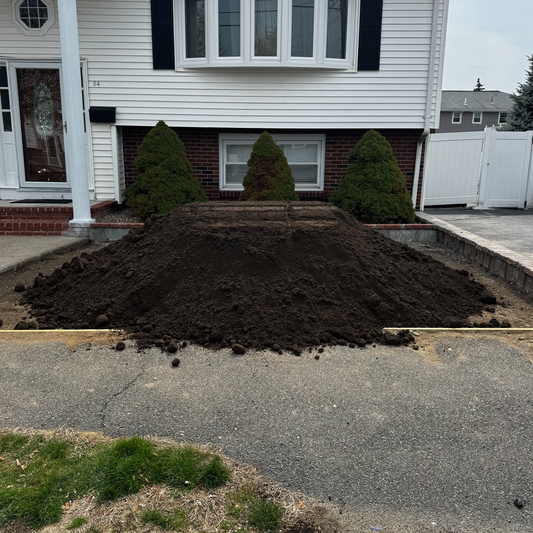
| Rebuild a bare lawn patch | 400 sq ft | 4" | about 5 |
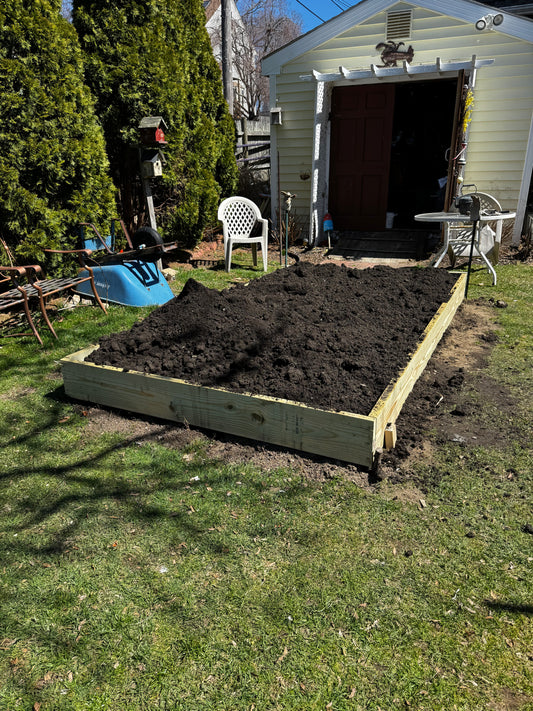
| Fill a 4×8 raised bed | 32 sq ft | 12" | about 1.2 |
The minimum order is 1 cubic yard, so even a single raised bed is a normal delivery.
Why does winter salt belong on a September list?
Because the first storm is when everyone else remembers it. Ordering in September or October means the pile is delivered, covered, and ready before demand spikes. An early order takes the scramble out of it. Treated rock salt in particular tends to go first in deep-cold years.
Storage is the other reason to start now. Salt needs a dry, covered spot off the ground, away from storm drains and plantings; a tarp and lean-to or a bin works for a homeowner's half-ton.
Which winter material fits a Suffolk County property?
- Untreated rock salt for routine storms when pavement is above roughly 20°F.
- Treated rock salt for cold snaps; it keeps working down to roughly -15°F.
- Salt & Sand 50/50 when you want melt and traction from one pile.
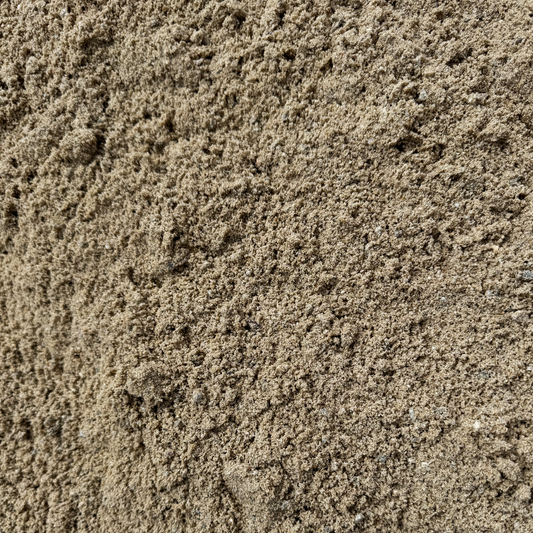
- Salt & Sand 20/80 or coarse sand for steep driveways, stairs, and concrete poured within the last year.
The full lineup is in our winter salt and ice melt collection. Watch the National Weather Service Boston office for the first cold outlooks, but do not wait for them to order.
What should you know about delivery on tight Suffolk County streets?
Our dump truck needs about 13.5 ft of overhead clearance and about 10 ft of width, and it cannot dump over a fence. Drops are curbside or driveway by default; on-lawn placement is by request with a waiver. Soil, stone, sand, and winter salt run up to 6 cubic yards per load, mulch up to 10, and each material is its own load with its own delivery fee. The fee for your ZIP shows at checkout. More detail for your area is on the Suffolk County delivery page.
Suffolk County September FAQ
Is it too late to overseed in September?
Not if seed is down by September 15. After about October 1, wait and do a dormant seeding in late November.
How much salt does a city driveway need for a winter?
A typical 600 sq ft driveway uses roughly 25–40 lbs of rock salt per storm, and about a half-ton stockpiled covers most homeowners through a normal winter.
Do you deliver in winter?
Yes. Deliveries run year-round, including winter.
Questions about a fall or winter order? Call or text (617) 645-0987.