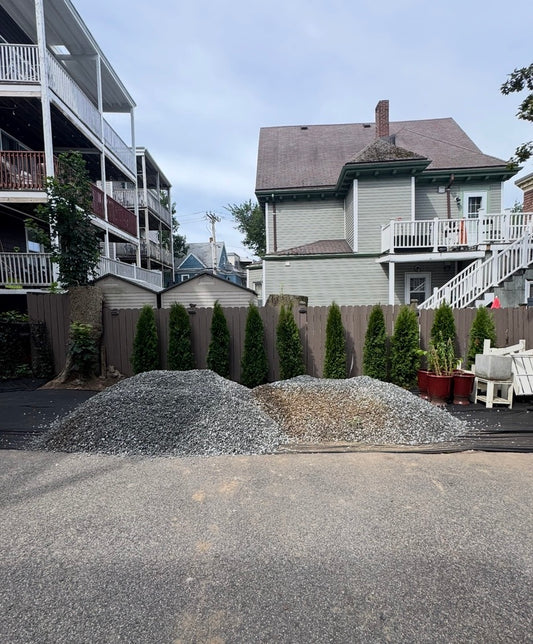
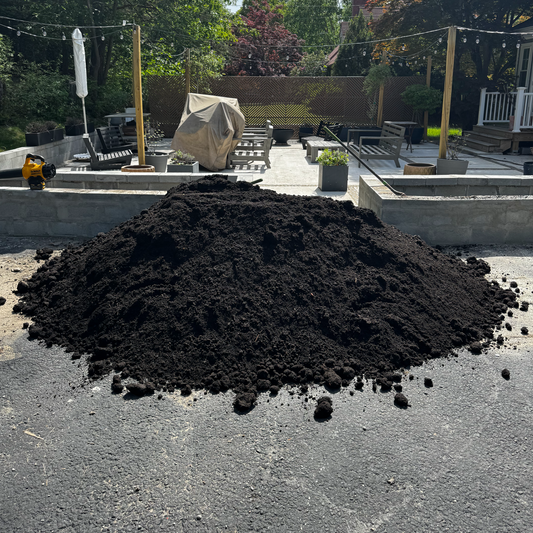
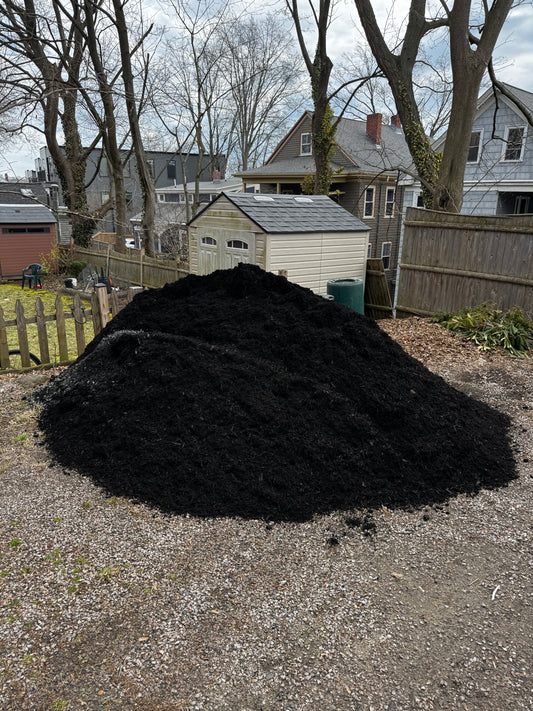
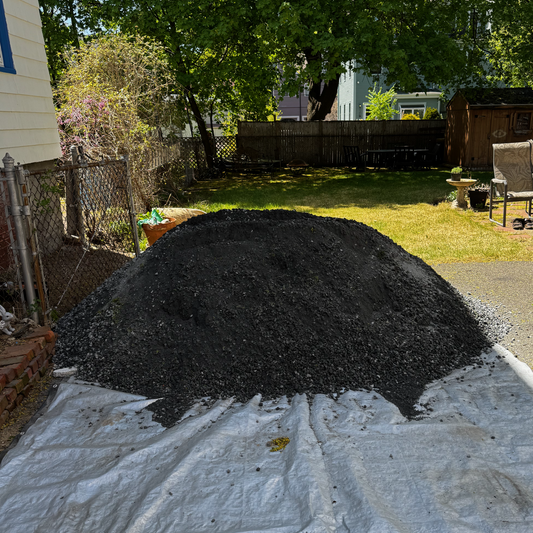
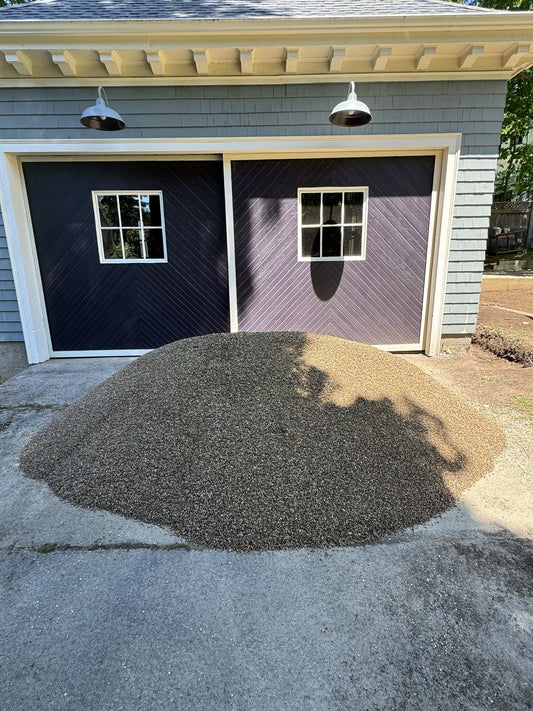
A parking area behind a Quincy house, shop, or small apartment building can have several winter conditions at once: a sunny apron, a shaded corner, and a short slope near the entrance.
Buying winter material is easier when you separate melting from traction. Both matter, but they are different jobs.
What does each product bring to the plan?
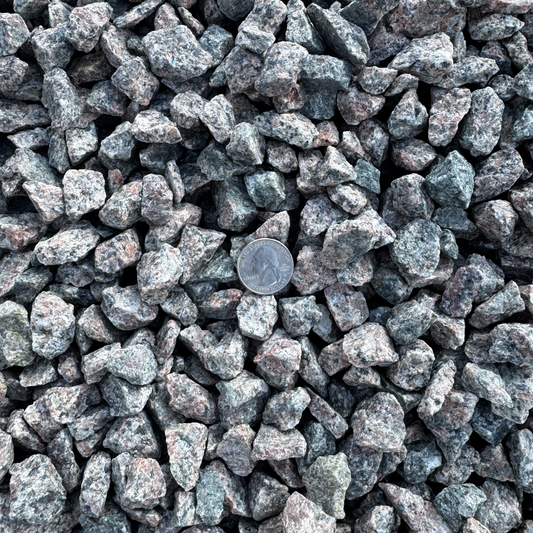
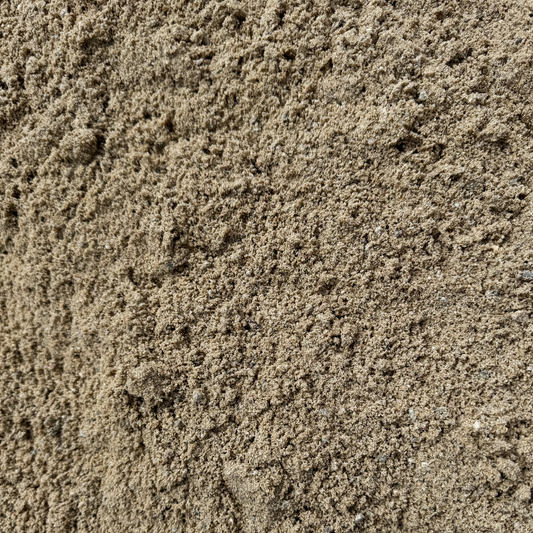
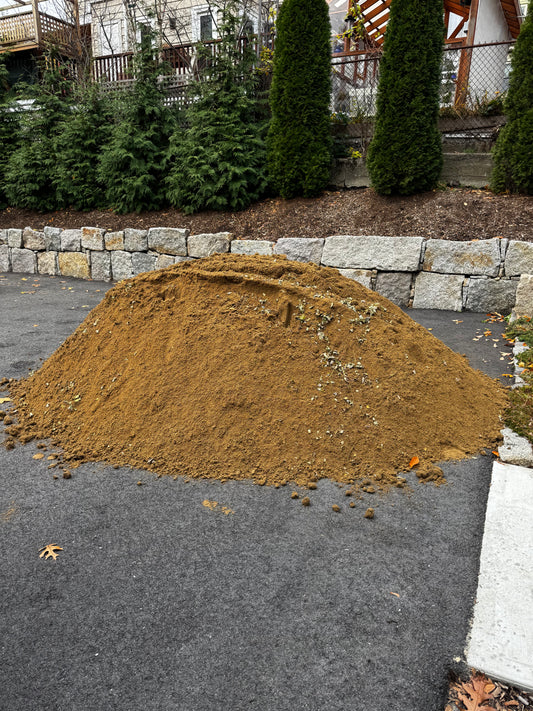
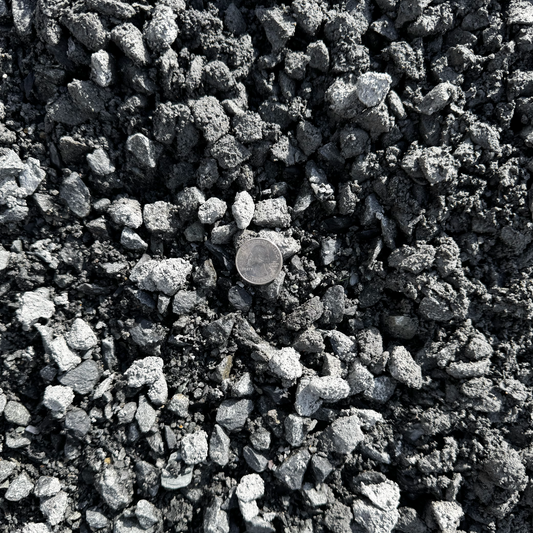
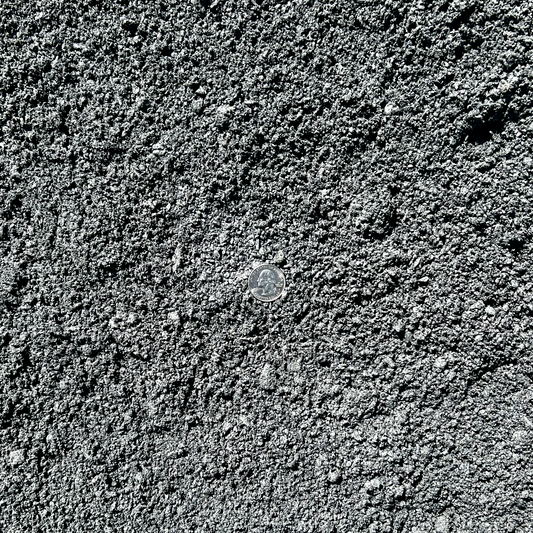
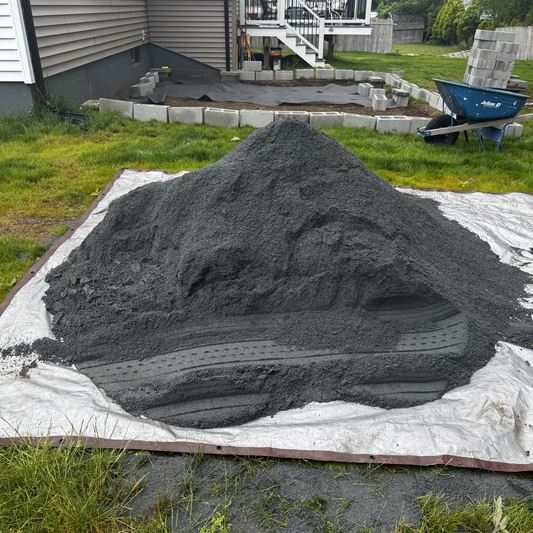
Untreated rock salt is a deicing material. Salt & Sand 50/50 combines a salt component with sand. The product choice changes what goes through the spreader and what remains to clean up afterward.
| Question | Rock salt | 50/50 salt-sand |
|---|---|---|
| Main role | Deicing | Deicing component plus abrasive material |
| Does it replace snow clearing? | No | No |
| Equipment check | Confirm suitability for salt | Confirm suitability for the blend |
| Cleanup planning | Monitor excess material and residue | Include collection of remaining sand |
Do not assume equal yards provide equal amounts of salt. A yard of blend includes its sand portion.
Which conditions matter in Quincy?
Walk the lot at the time it is most often used. Look at where cars brake, where people leave their vehicles, and where roof runoff crosses the pavement.
A level, well-drained area can call for a different approach from a ramp or an entrance with persistent water. Fix the water problem where possible instead of expecting a different product to overcome it.
Our September treated-versus-untreated comparison covers another material choice. Keep that decision separate from deciding whether a sand blend suits your site.
What should you check before buying?
Confirm the maintained area, surface condition, and spreader type. Read product instructions and review equipment restrictions. If you are switching products, do not carry over a setting without checking what it delivers.
For an independent explanation of material behavior, see MassDOT’s winter treatment overview. It also puts material use in the wider context of winter maintenance.
How should you choose the stockpile?
For a small property, decide how much protected space you have and what you used last season. For a larger property, record material use and establish a refill point.
Explore the winter salt collection and compare the two product pages. The Quincy landscape supply page connects winter ordering with other local material needs.
Choose the material for the surface you maintain, store it properly, and keep a plan for checking the lot between treatments.
Frequently asked questions
Does 50/50 contain as much salt as straight rock salt?
No. It includes both salt and sand. Equal volumes should not be treated as equivalent salt quantities.
Will either product replace plowing?
No. Snow removal and follow-up inspection remain part of the work.
Can I use the same spreader setting for both?
Do not assume so. Verify equipment suitability and delivery rate for the selected material.