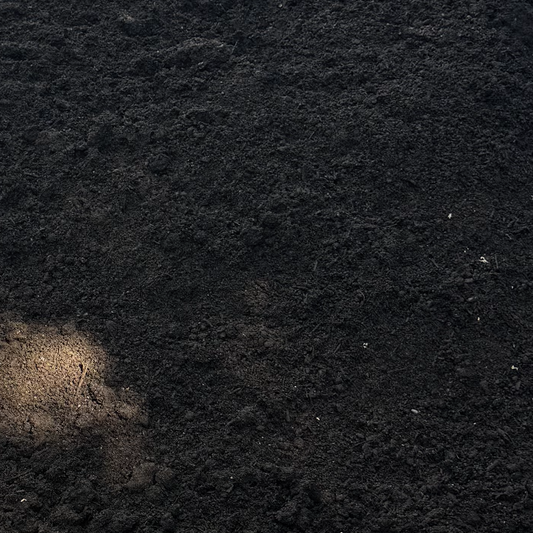
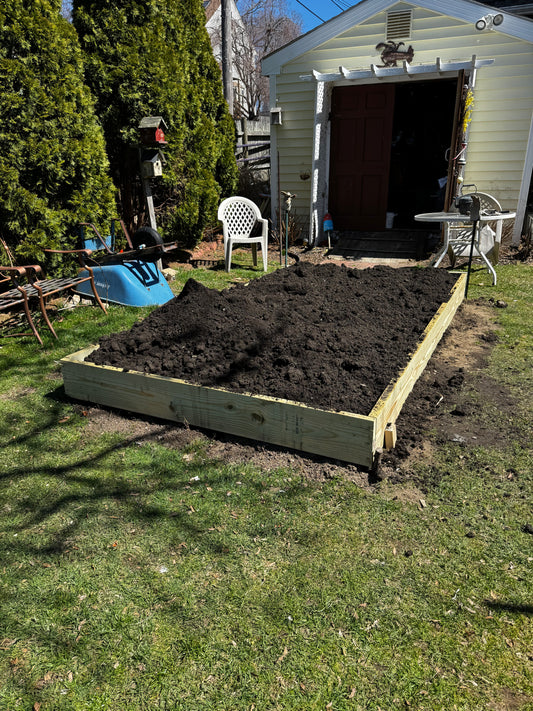
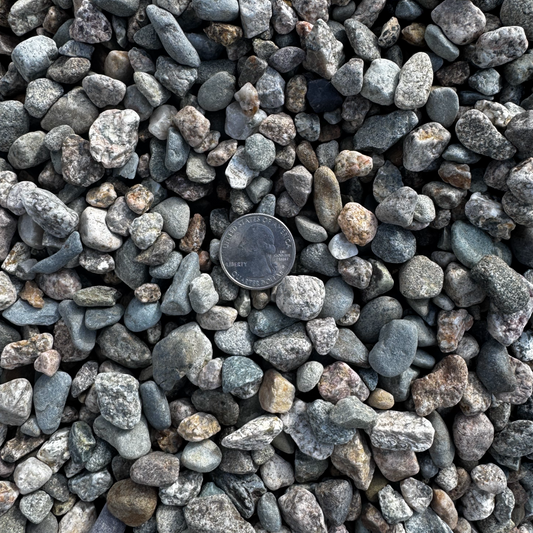
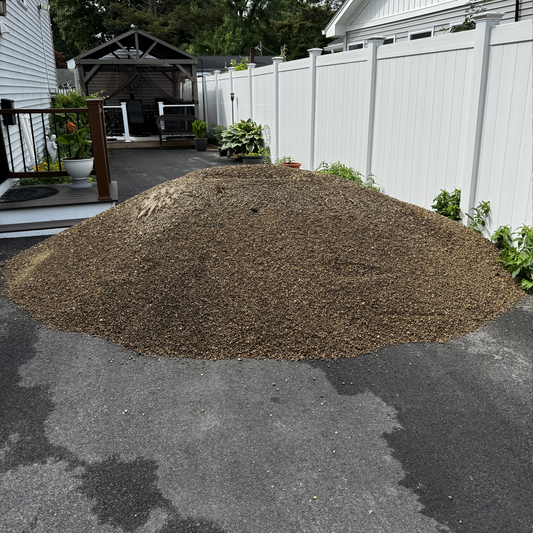
We sell loam, and we would still rather you bought one yard than four. A lawn that looks written off in early August is usually intact underneath, and the difference between a $155 order and a $430 renovation is three weeks of patience.
What actually happened to the lawn?
Cool-season grasses — bluegrass, fescue, ryegrass, nearly everything growing in Dedham — protect themselves in heat by shutting the top down and holding the crown alive at the soil line. The blades go tan; the plant does not die. It is a survival strategy that evolved for this climate and it works.
Where it does not work is where there was barely a plant to begin with: compacted paths across the yard, the strip along the driveway edge, thin fill over construction debris, the high sunny ground away from the Charles where soil dries fastest. Those places do die, and those are the places you buy material for.
How do you tell the difference?
Pull a handful of brown blades. Dormant grass resists and stays anchored; dead grass lifts out roots and all. Then look at the crown at the soil line — pale and firm means alive, brown and crumbling means gone. Our five-sign dormancy check walks it through.
| What you see | What it means | What to do | Material |
|---|---|---|---|
| Broad tan fade across sunny areas | Dormancy | Water, wait | None |
| Green in shade and low ground only | Dormancy | Water, wait | None |
| Still tan after 3 weeks of water | Dead | Rake, topdress, seed | Loam, ~½" |
| Turf peels back like carpet | Grubs | Diagnose first | Loam after treatment |
| Hard, bare, compacted paths | Compaction | Aerate, topdress, seed | Loam, ~½" |
What is the honest waiting period?
Give the lawn about an inch of water a week in one or two long soakings — deep and infrequent, not a daily sprinkle that never reaches the roots. Dormant turf shows green at the base in 10 to 14 days. Wait a full three weeks before deciding anything is dead.
The timing lines up. Three weeks from early August lands in the last week of the month, inside the mid-August to mid-September seeding window. You are not losing the season by waiting — you are timing it correctly. The window and the cutoff are here, and UMass Extension Turf is the reference for watering rates.
How much loam do the dead patches need?
Measure the dead areas and add them up. Do not measure the lawn. Cubic yards = (square feet × depth in inches) ÷ 324, and half an inch is the right depth for patch repair — enough for seed to grip, thin enough not to smother the surviving grass at the edges.
| Dead area | Loam at ½" | Material | Delivery | Total |
|---|---|---|---|---|
| 300 sq ft | 0.5 yd → order 1 yd | $55 | $100 | $155 |
| 650 sq ft | 1 yd | $55 | $100 | $155 |
| 1,300 sq ft | 2 yd | $110 | $100 | $210 |
| 2,000 sq ft | 3 yd | $165 | $100 | $265 |
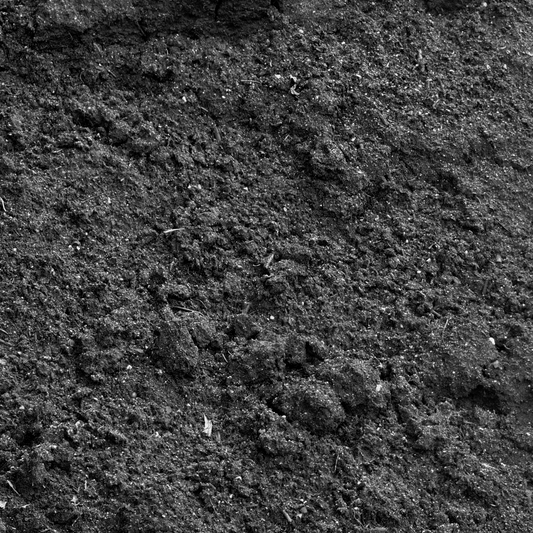
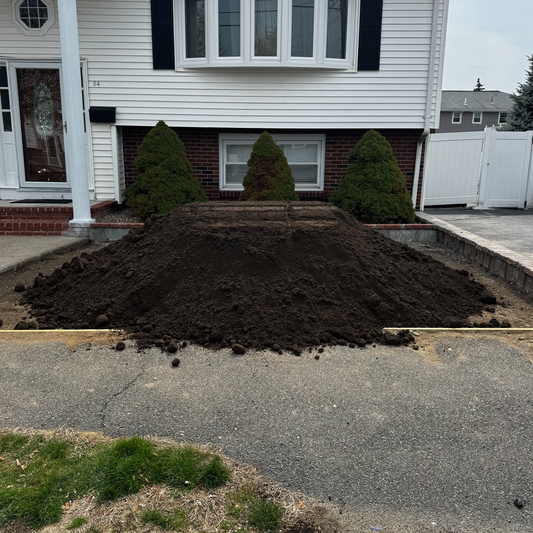
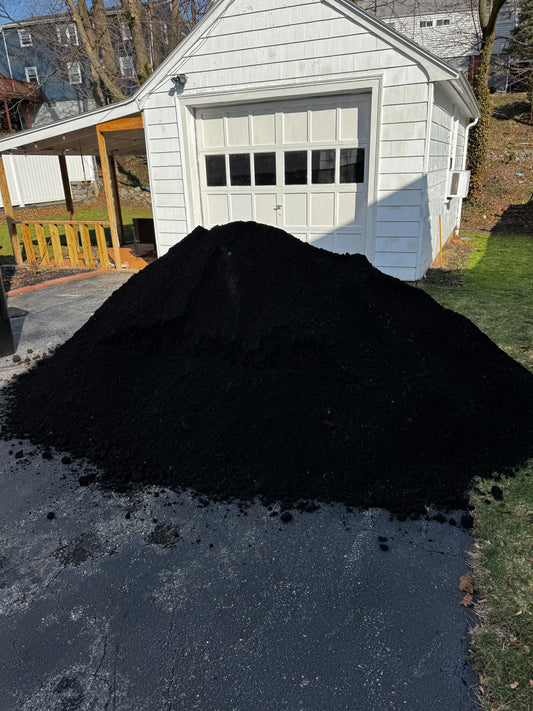
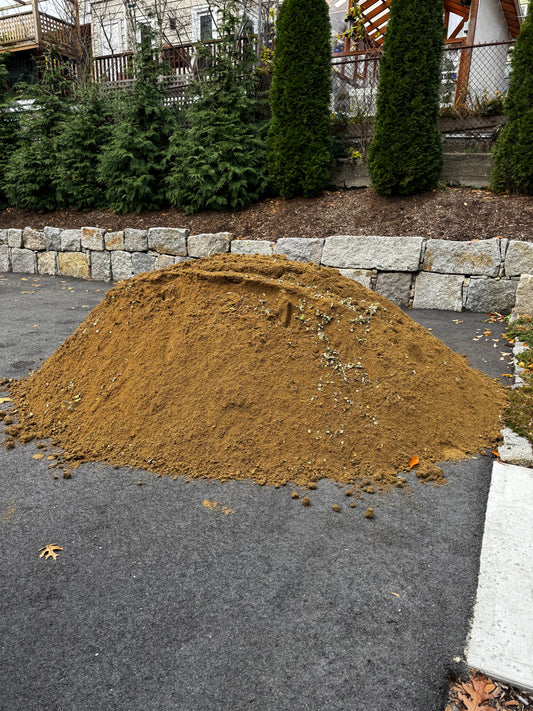
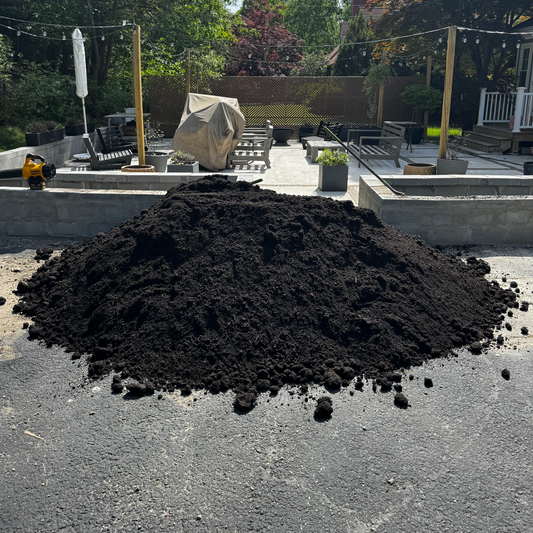
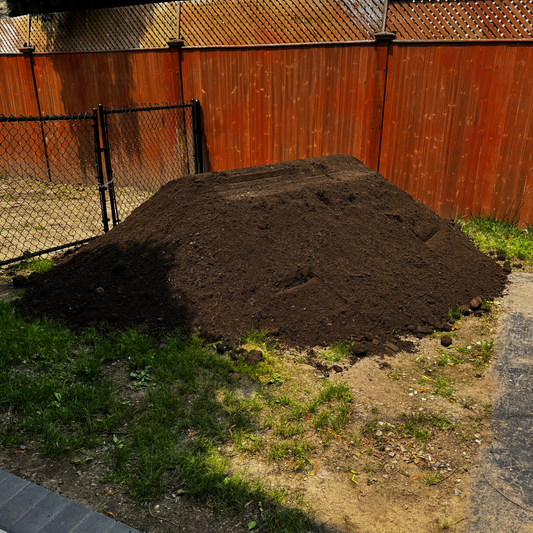
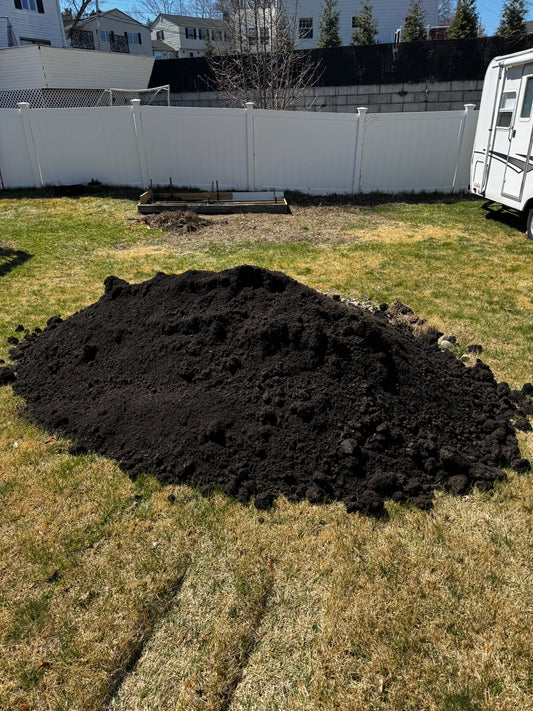
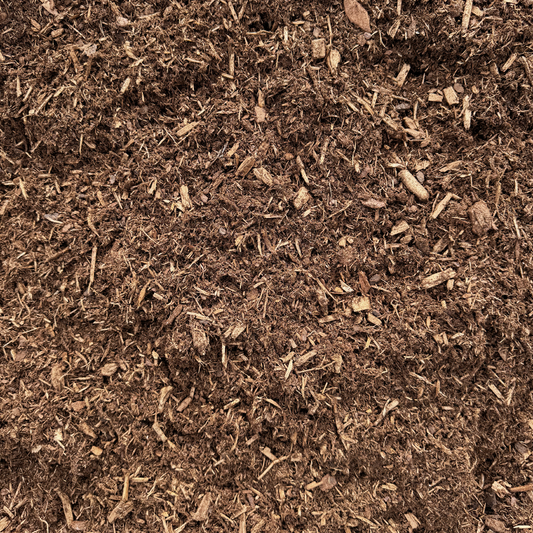
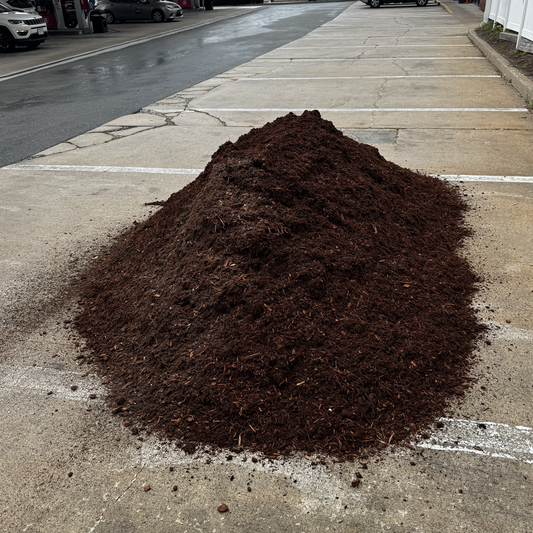
Screened Loam is $55 a cubic yard. Delivery to Dedham is $100 flat — 9.9 driving miles from our Dispatch Office in Dorchester, inside the 30-mile zone. Soil caps at 6 cubic yards per trip and loads are counted per line item, so adding compost is a second load and a second $100. No minimum order, but freight does not shrink with the pile.
What if the lawn fails again next summer?
Then the problem is under the grass, not in it. Compacted subsoil, a thin root zone over fill, or pH far off target will burn a lawn out every July regardless of what you seed. A UMass soil test costs little and is the only way to find out.
Dedham lawn recovery questions
Can I speed up recovery with fertiliser?
No. Feeding dormant, dry turf pushes growth the roots cannot support. Water first, feed once it is actively green.
Should I mow a dormant lawn?
Only if it is growing. Mowing dormant turf adds stress and the traffic damages crowns. Stay off it.
Is topsoil the same as screened loam?
Close, and both are $55 a yard here. For patch repair either works — see the soil range.
Do I need to remove the dead grass first?
Yes. Seed sitting on a mat of dead thatch mostly fails, no matter how good the loam under it is.
Price your dead square footage on the lawn levelling and repair collection or the Dedham landscape supply page, or text (617) 286-2740 and we will tell you whether you need a load at all.