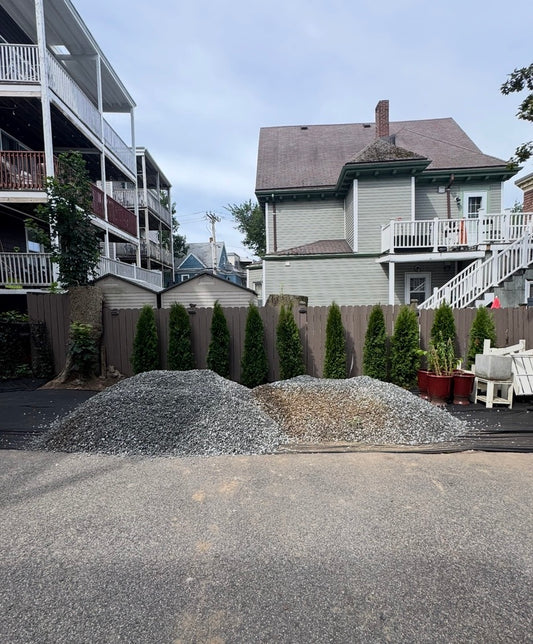
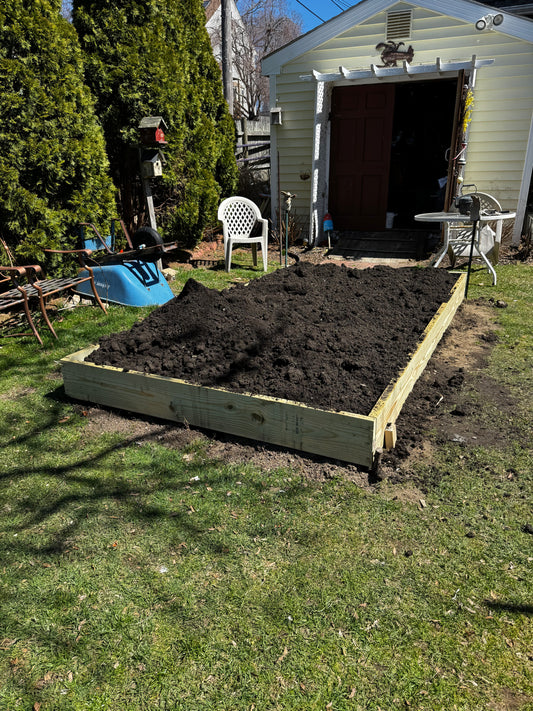
Charlestown yards are small. Behind the rowhouses on the hill, a garden is often a brick patio, a strip along a fence, and two or three raised beds built because the old city soil underneath is not something you want to grow food in. Those beds work hard all summer and sink a little every season. Fall, after the last tomatoes come out, is the easiest time to bring them back up.
Why top off raised beds in fall instead of spring?
- The beds are empty. You can work soil in without digging around transplants.
- Winter settles it for you. Freeze and thaw firm up the new layer, so it is ready to plant in April.
- Spring is crowded. Fall delivery fits your schedule more easily.
What should you add to a Charlestown raised bed before winter?
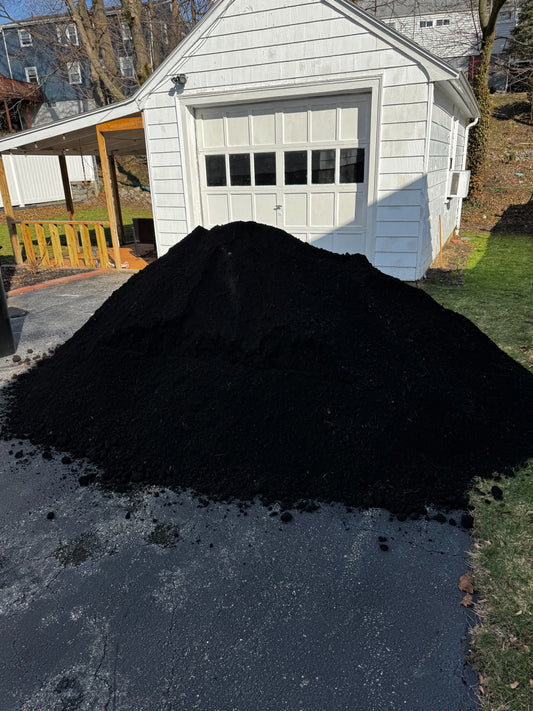
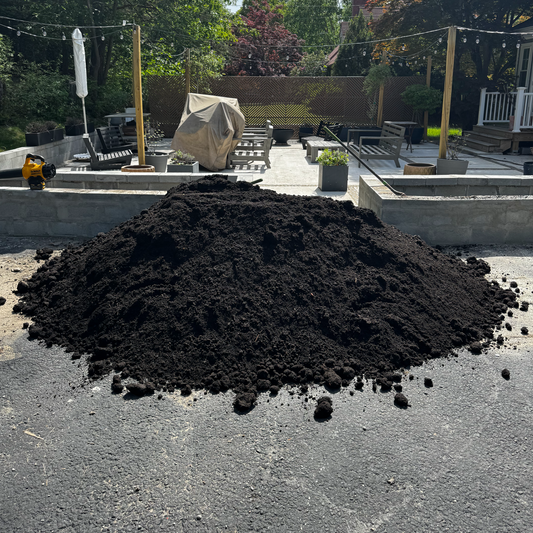
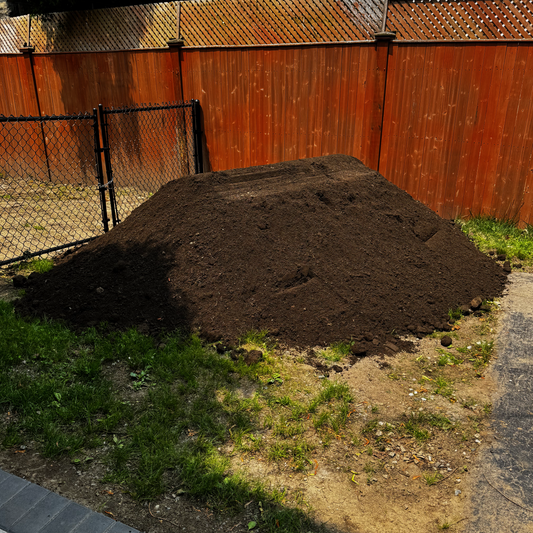
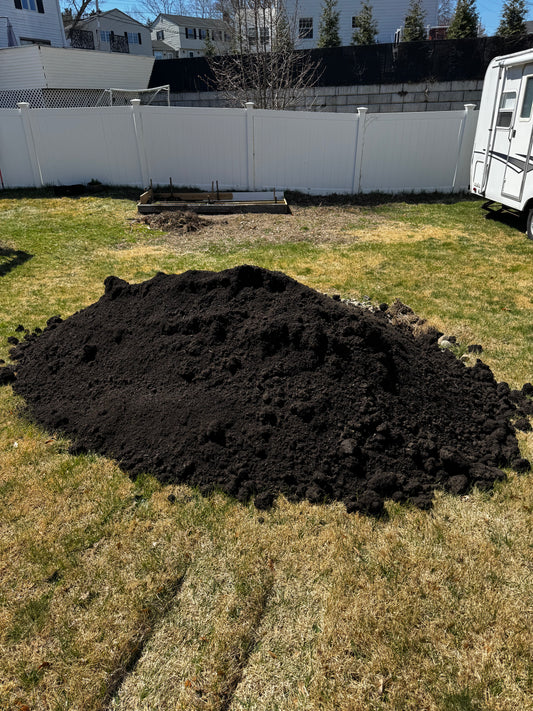
Horticultural Soil is a good all-around top-off for vegetable and flower beds. If the bed is still mostly full and just tired, 1 to 2 inches of compost does the job. Mix the new layer lightly into the top few inches with a hand fork so it does not form a separate crust. Both are in our bulk soil collection.
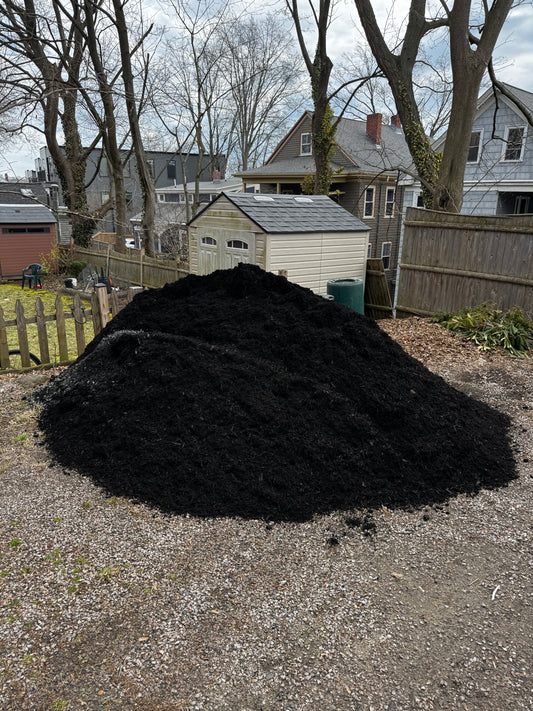
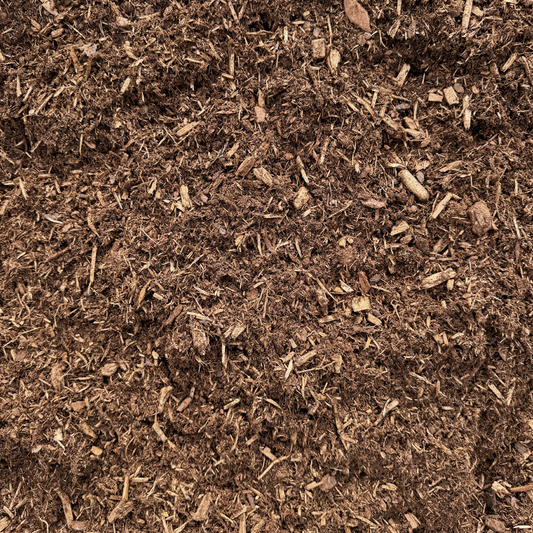
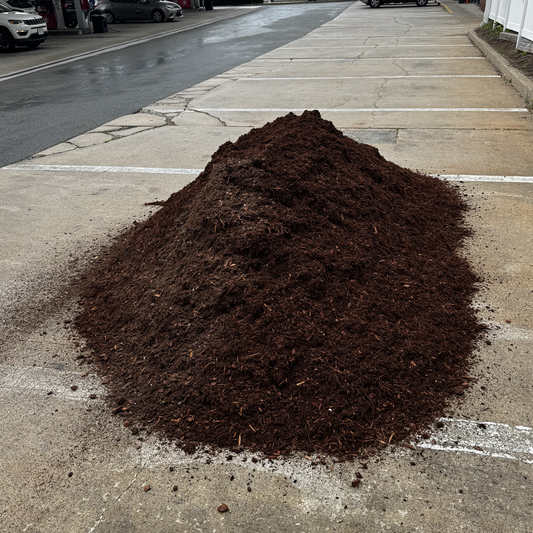
Finish with a thin layer of mulch or shredded leaves to keep the surface from washing or blowing out over winter. A small amount from our mulch collection also tidies up paths between beds.
If you are not sure what the existing soil needs, the UMass Soil and Plant Nutrient Testing Laboratory can test a sample, including for lead, which is worth checking in older city neighborhoods.
How much soil does it take to top off raised beds?
Square feet × depth in inches ÷ 324 = cubic yards.
| Beds | 2 inch top-off | 3 inch top-off |
|---|---|---|
| One 3 × 6 ft bed | About 0.11 cubic yards | About 0.17 cubic yards |
| One 4 × 8 ft bed | About 0.20 cubic yards | About 0.30 cubic yards |
| Four 4 × 8 ft beds | About 0.79 cubic yards | About 1.2 cubic yards |
| Two 4 × 12 ft beds | About 0.59 cubic yards | About 0.89 cubic yards |
The minimum order is 1 cubic yard. One or two beds will leave extra, which a neighbor with beds of their own can usually use. Building a new bed from scratch takes far more; our guide to filling a raised bed has the full-depth math. For planters on a deck or stoop, see our container gardening soil guide.
How do you get a delivery into a tight Charlestown yard?
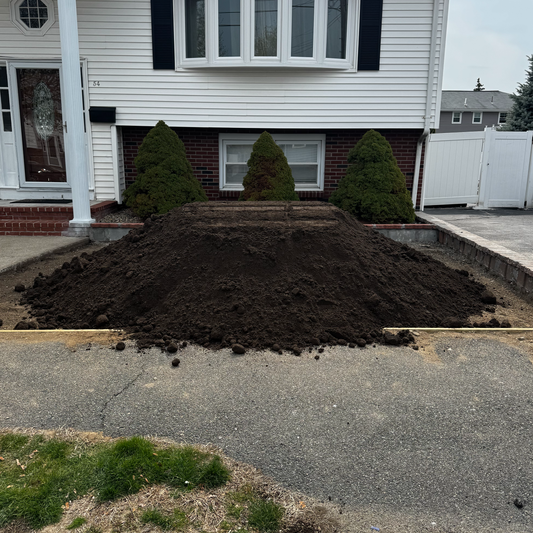
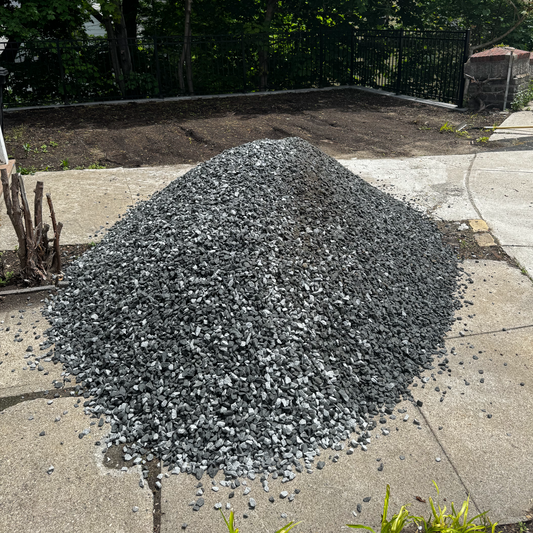
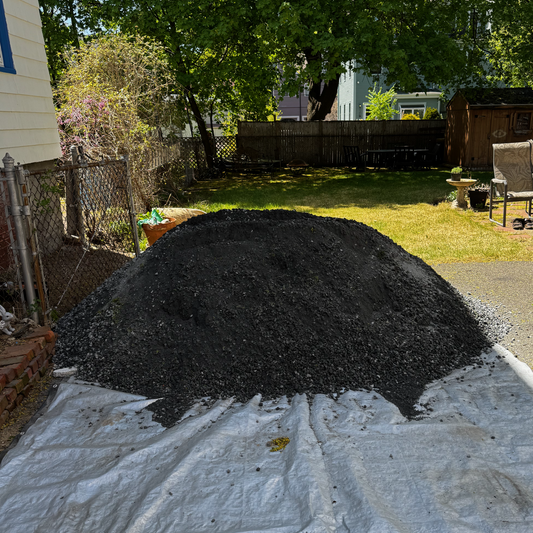
- Plan for curbside. Drops are curbside or on a driveway by default. Our truck needs about 13.5 ft of overhead clearance and about 10 ft of width, which rules out some of the narrowest streets near the Monument and lanes with low wires or branches. Tell us about tight spots when you order.
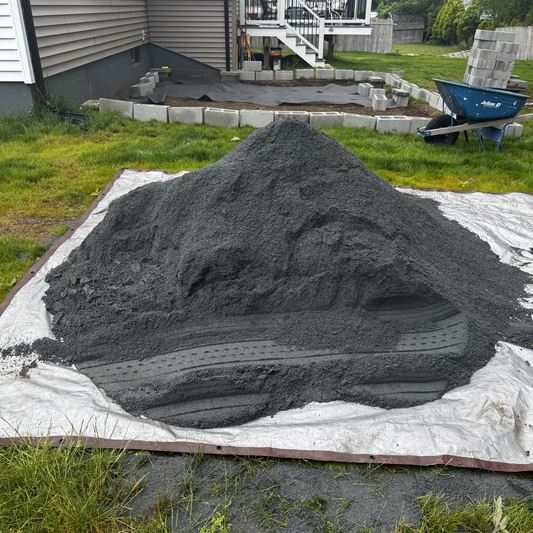
- Lay a tarp first. A tarp under the drop makes cleanup on brick sidewalks and granite curbs much easier.
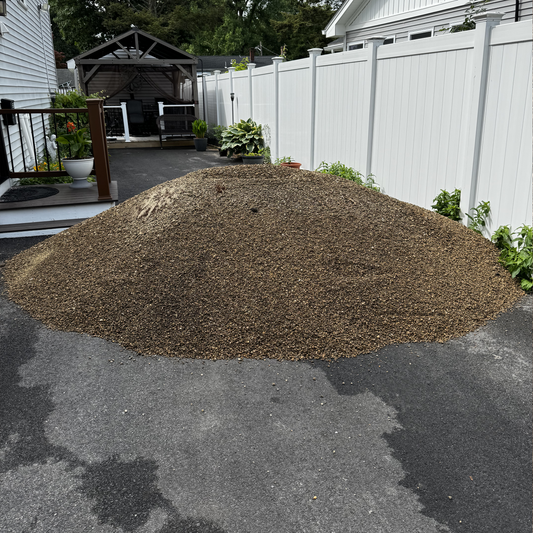
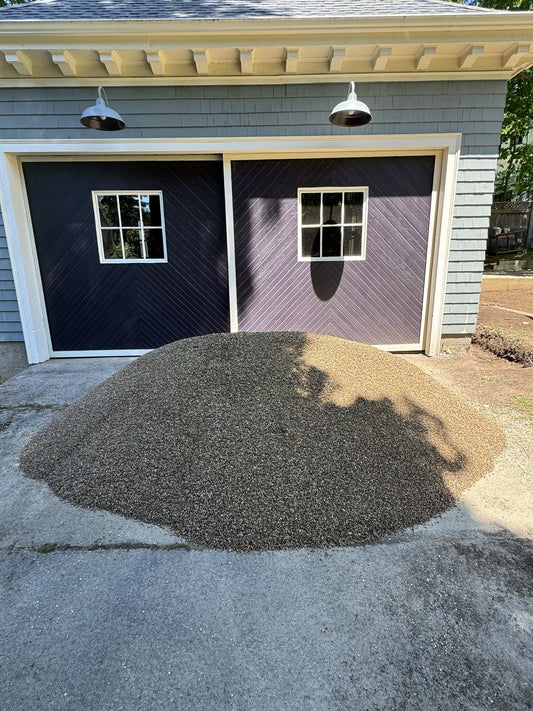
- Move it the same day. One cubic yard is roughly five to seven wheelbarrow trips. If the pile ends up near the street, check the city's rules for material left in the roadway and clear it promptly.
- One material, one load. Soil and mulch are separate loads, each with its own delivery fee. Pricing is on each product page, and the fee for your ZIP appears at checkout.
What else should you do before the ground freezes?
Pull spent plants and diseased leaves, but leave healthy roots of beans and peas in place to break down. Plant garlic now if you grow it. Check wooden bed walls for rot and loose screws before winter pushes them out. UMass Extension Landscape has more seasonal care guidance. For everything we deliver in the neighborhood, see our Charlestown landscape supply page.
Can I top off beds in October?
Yes. Any time before the soil freezes works.
Should I use loam to top off raised beds?
Horticultural Soil or compost is a better fit. Straight loam is denser and works better as a base layer.
Can two neighbors share one order?
Yes. One load goes to one drop spot, and you split the pile from there.
Questions about a soil order? Call or text us at (617) 645-0987.