Quick Answer
Planting perennials in a Norfolk County bed takes about 2.5 hours for a 6-to-9-plant border in Norwood, Brookline, Dedham, Quincy, or Milton. Window: May 7 through May 25. Five steps: site selection, soil prep with 2 cubic feet of compost, lay-out and digging, backfill and water 1 gallon per plant, mulch to 2 inches with 1 cubic yard of bulk Hemlock Mulch. Total materials: about $160 plus plants.
Why Norfolk County Beds Work for Summer-Bloomers
Norfolk County spans coastal Quincy and Milton, suburban Brookline and Dedham, and rural Wrentham — varied soils but generally fertile and well-drained on south-facing exposures. Cool-season Boston-area shade lawns dominate, but most properties have at least one sunny back-corner bed that's perfect for a perennial border. May 7 through May 25 is the install window — soil temperatures sit at 60–65 degrees, frost is past, and nursery stock is at peak.
Step 1: Site Selection (10 minutes)
Pick a bed with 6+ hours of direct sun. Most summer-blooming perennials (coneflower, black-eyed Susan, bee balm, blazing star) need full sun to bloom heavily. Avoid sites within 6 feet of downspouts or sprinkler overspray — soggy soil rots crowns.
Step 2: Soil Prep (45 minutes)
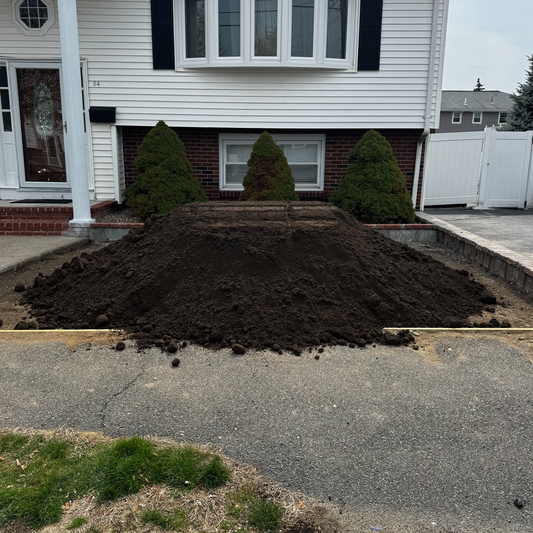
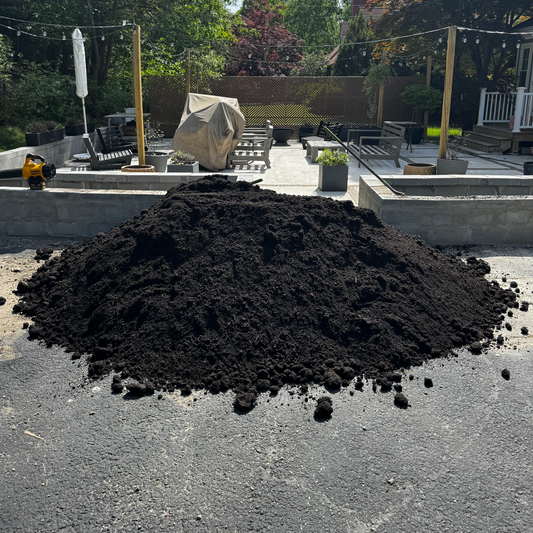
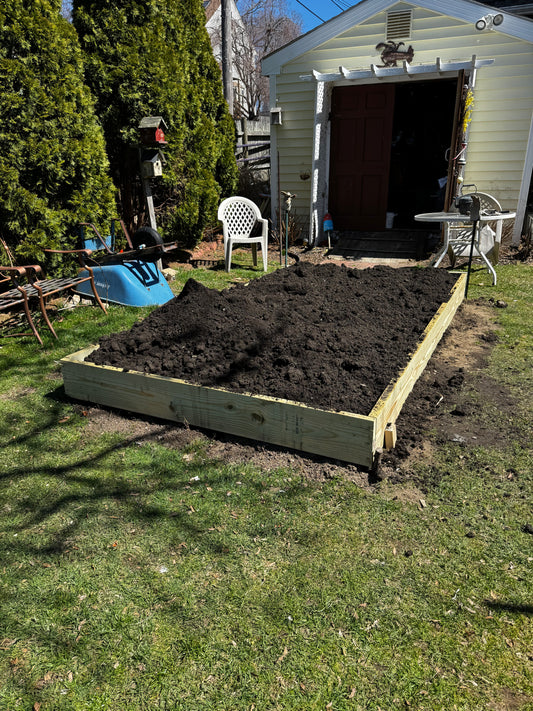
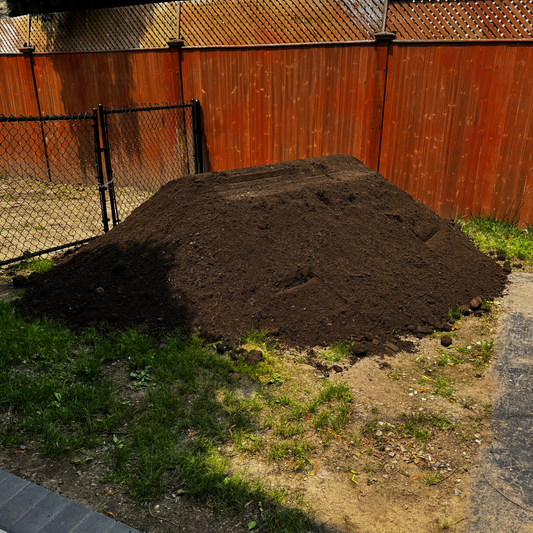
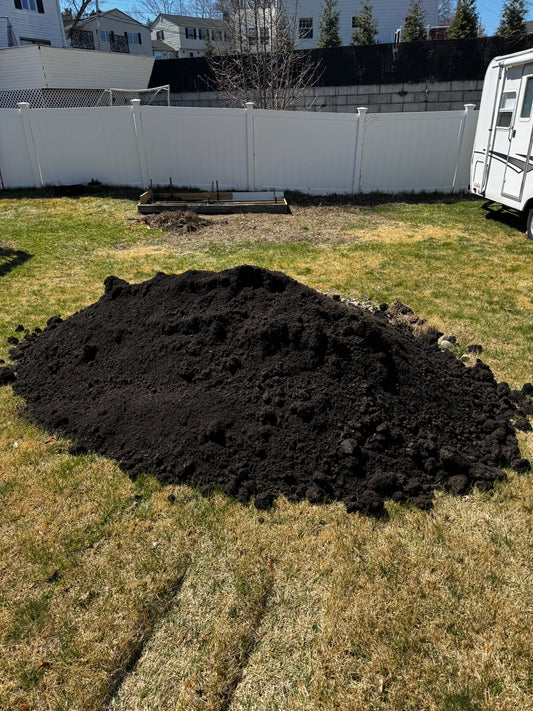
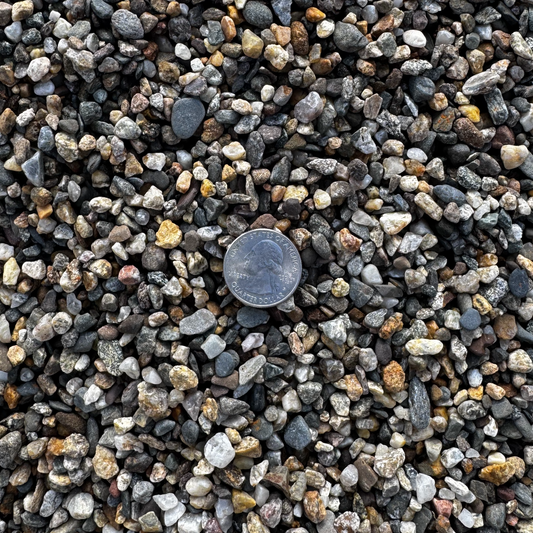
Loosen the top 8 inches with a garden fork. Mix in 2 cubic feet of bulk Compost across the bed. Level with a steel rake. The amended soil should crumble in your hand when squeezed and released. Browse the plant establishment + tree planting collection for bulk Topsoil Loam 1/2" Screened and bulk Compost — same-week delivery into Norwood, Brookline, Dedham, and Quincy.
Step 3: Lay Out and Dig (45 minutes)
Place plants still in pots at final spacing. Standard spacing: - Small perennials (coreopsis, threadleaf): 12 inches - Medium perennials (coneflower, daylily): 18 inches - Large perennials (Joe-Pye weed, bee balm): 24 inches
Adjust visually — sight from across the lawn before digging. Then dig holes 1.5x root-ball width, set the crown at grade.
Step 4: Backfill and Water (30 minutes)
Backfill with the loam-compost mix from soil prep. Firm gently. Soak each plant with 1 gallon to settle and remove air pockets.
Step 5: Mulch and Label (20 minutes)
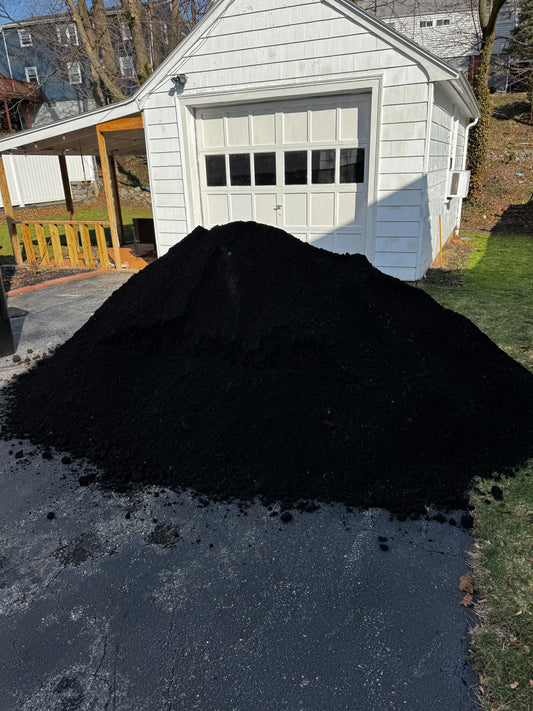
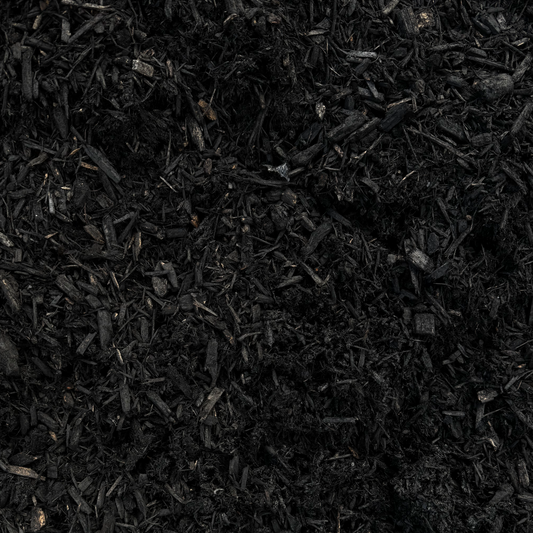
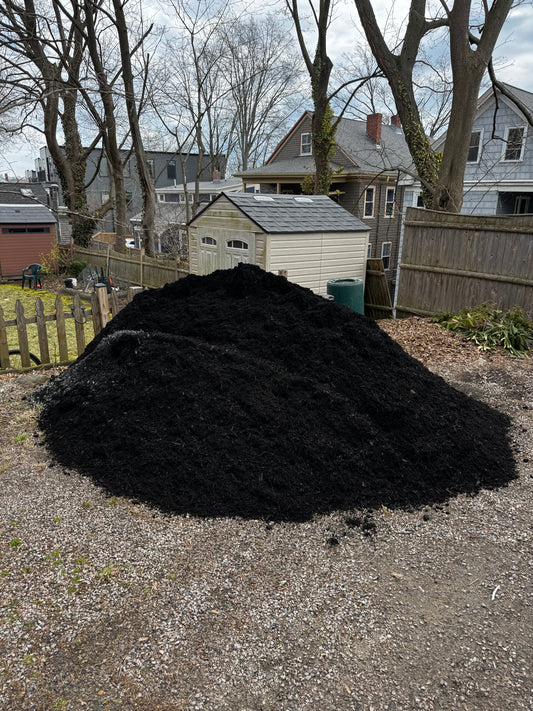
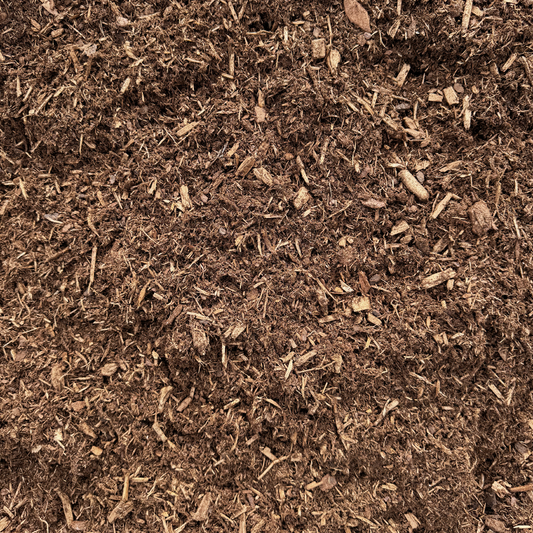
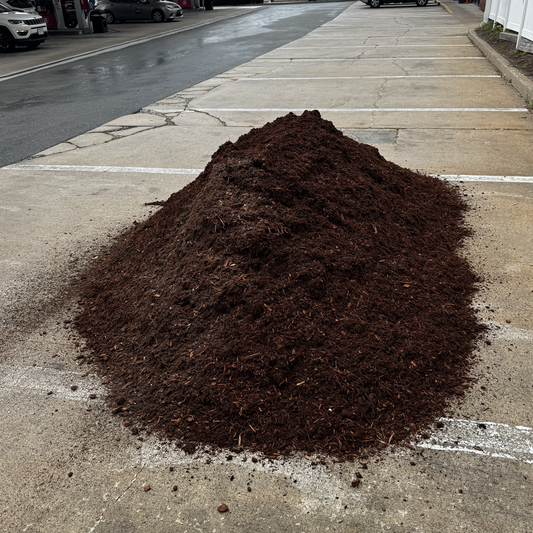
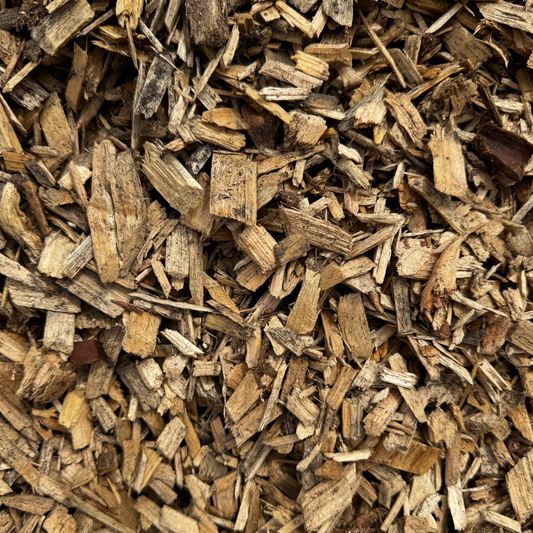
Top with 2 inches of bulk Hemlock Mulch, keeping mulch 2 inches back from stems. Label new plantings with weatherproof markers — by year 2, you'll thank yourself when dividing or rearranging. The Plympton perennial-division Q&A covers the year-3 maintenance side of this same border.
Recommended Norfolk County Perennial Mix
For a 6-to-9-plant Norfolk County border, summer-bloom focused:
- June bloom: 2 catmint 'Walker's Low'
- July bloom: 2 purple coneflower 'Magnus'
- July–August bloom: 2 black-eyed Susan 'Goldsturm'
- August–September bloom: 1 Joe-Pye weed
- September bloom: 2 New England aster
This rotation gives continuous bloom from early June through hard frost.
Materials Cheat Sheet (6-to-9-plant border)
- 1/4 cubic yard Topsoil Loam 1/2" Screened
- 2 cubic feet bulk Compost
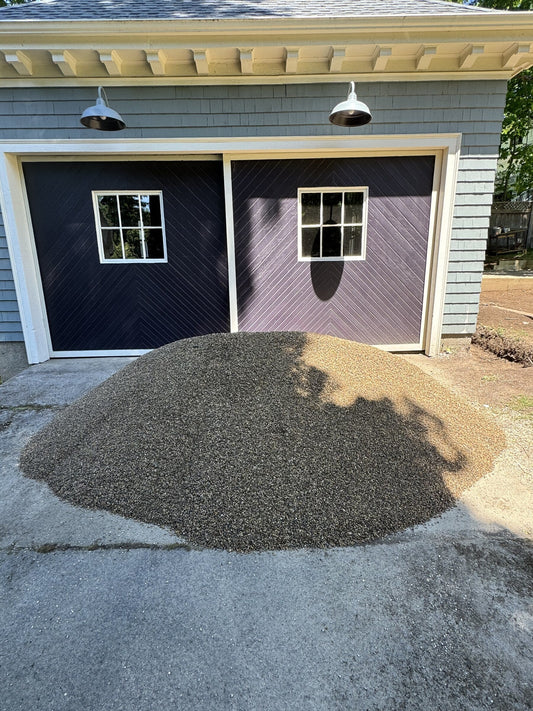
- 1 cubic yard bulk Hemlock Mulch
- 6 to 9 perennial plants in 1-gallon containers
- Garden fork, hand trowel, watering can
The Plymouth May 1 task list covers the parallel pre-planting cleanup that pairs with this work.
Year-One Watering Schedule
- Days 1–7: 1 gallon per plant, every other day
- Days 8–21: 1 gallon per plant, twice a week
- Days 22–60: 1 gallon per plant, weekly
- After day 60: Supplemental water during dry spells only
How This Compares to 2026
The 2026 season-close, May 1: Closing Out Spring Mulch Season Across Plymouth County, notes perennial planting runs through May 20. This article is the procedural complement for Norfolk County yards.
For native species recommendations specific to MA, the Native Plant Trust database is the most authoritative regional source.