





Quick Answer
Divide Plympton perennials in spring or fall — opposite the season they bloom. Summer-bloomers like hosta, daylily, bee balm, and coneflower divide best late April through May 20. Spring-bloomers like peony, iris, and columbine divide best late August through September 30. Most clumps need division every 3 to 5 years. Signs it's overdue: dead center, flopping habit, fewer blooms than last year.
Why Plympton Is a Late-Spring Division Window
Plympton — small, rural, Plymouth County's quieter inland town — sits on coastal-plain soils that warm slowly. By May 10, soil at 4 inches is reliably 55 to 60 degrees, and the May 20 deadline for spring-dividing summer-bloomers stays open another week and a half. After May 25, division becomes risky as June heat sets in.
This Q&A covers the questions Plympton homeowners actually ask in early May when they're staring at an oversized hosta or a flopping bee balm.
Q: When should I divide perennials in Plympton?
A: Divide during the season opposite the bloom. Summer-bloomers (hosta, daylily, bee balm, coneflower, sedum) divide in late April through May 20. Spring-bloomers (peony, iris, columbine, bleeding heart) divide in late August through September 30.
The reasoning: divisions need 30 to 60 days to re-establish roots before the next bloom cycle. Spring-divide summer-bloomers and they're rooted by July 4. Fall-divide spring-bloomers and they're rooted by November.
Q: How often should perennials be divided?
A: Every 3 to 5 years for most clumps. Three signs it's overdue: 1. Dead center — the original clump has died out, leaving a donut shape 2. Flopping habit — stems lay down instead of standing up 3. Fewer blooms — bloom count this year is noticeably below last year
If none of these show, the clump can wait another year.
Q: What tools do I need?
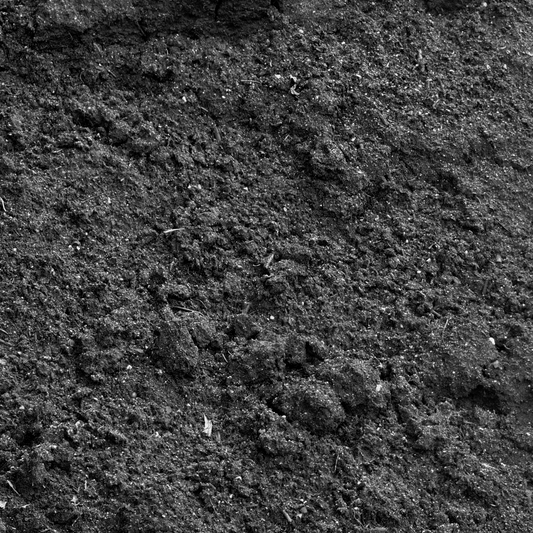
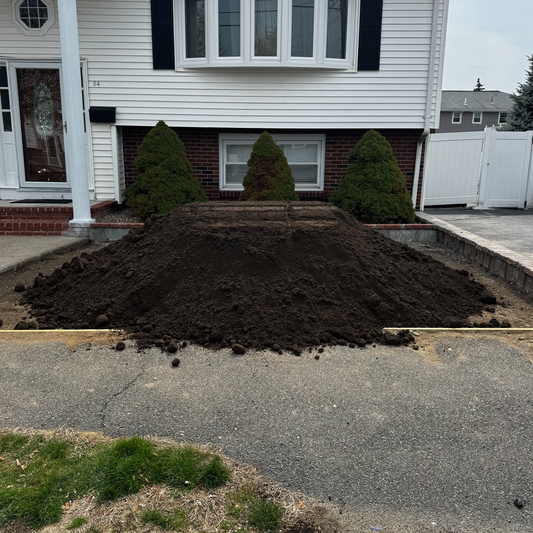
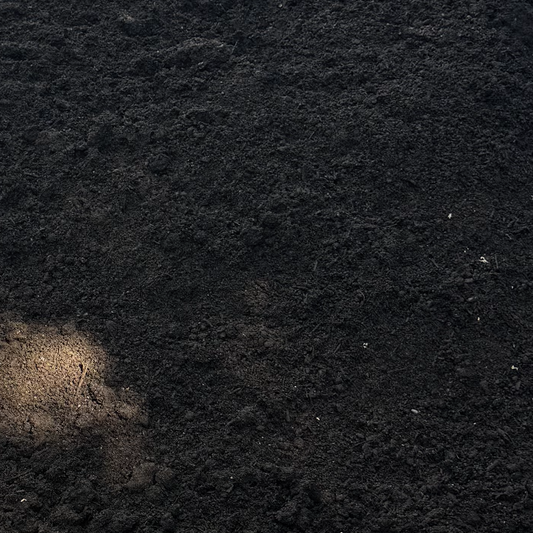
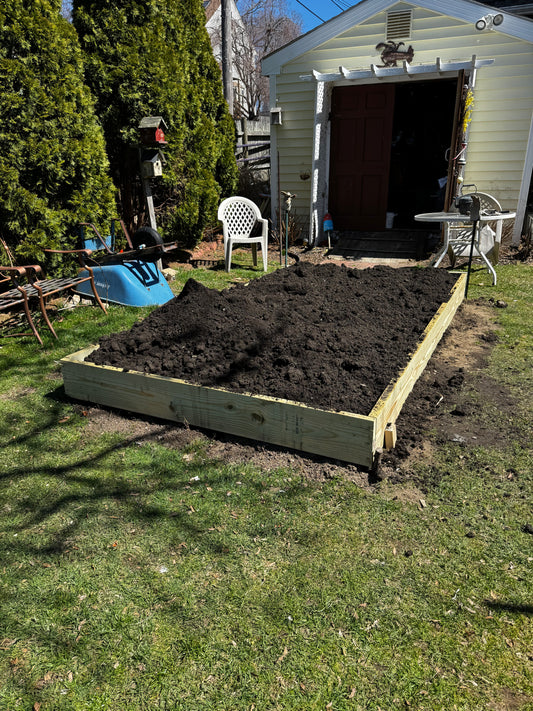
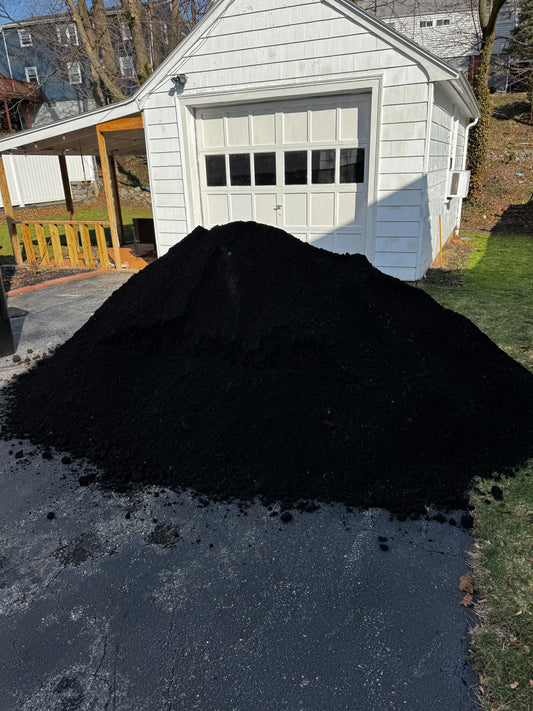
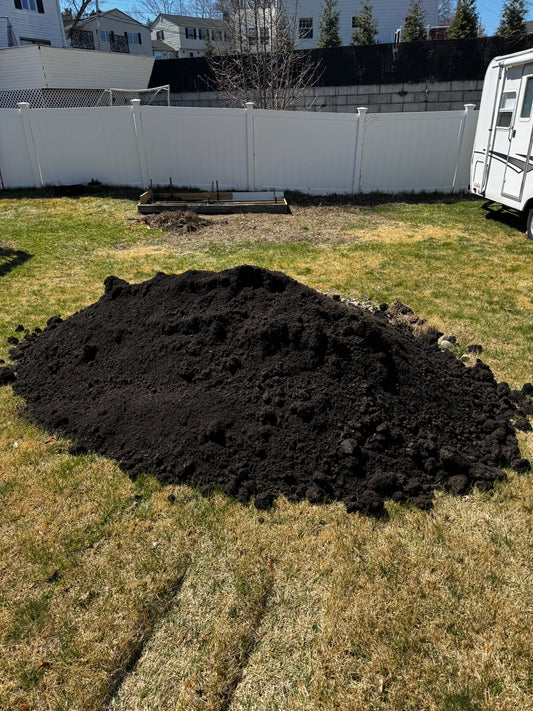
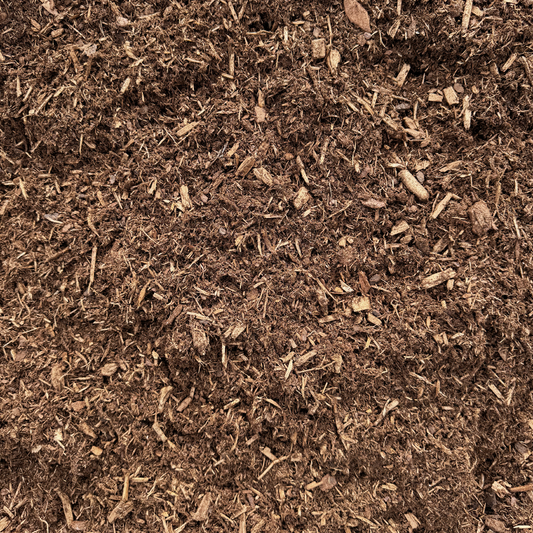
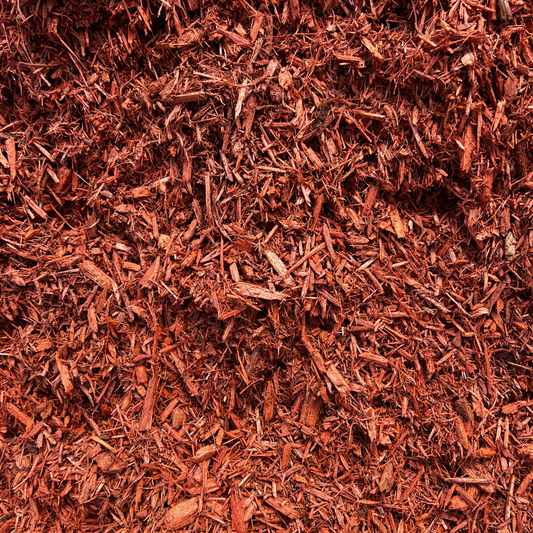
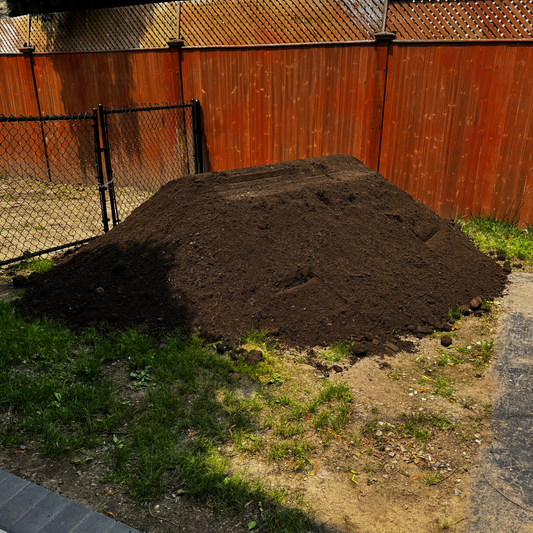
A: A garden fork, a sharp spade or two forks, and a watering can. Some perennials with woody crowns (ornamental grasses, large hosta after 5+ years) need a sharp saw or even an axe. Browse the plant establishment + tree planting collection for bulk Compost to amend the planting holes.
Q: Should I water before or after dividing?
A: Both. Soak the clump deeply 24 hours before lifting — it lets soil hold together around the root mass. Water divisions deeply immediately after replanting and continue daily for 7 days, then every other day for the second week.
Q: Do all perennials need division?
A: No. Don't divide: - Peony — resents disturbance, blooms poorly for 2–3 years after - Baptisia / false indigo — long taproot, doesn't recover - Butterfly weed — taproot, dies after division - Russian sage — better propagated by cuttings
Do divide: - Hosta — easy, divisions take fast - Daylily — bulletproof - Bee balm — actually needs division to control spread - Coneflower — divides cleanly - Ornamental grasses — every 3 years, sharp saw
The Norfolk County perennial-planting how-to covers the planting side once divisions are made.
Q: How do I divide a hosta?
A: Lift, split with two forks, replant. Lift the entire clump with a garden fork. Set on a tarp. Drive two garden forks back-to-back through the crown. Push outward — the clump splits along natural lines. Each division should have 3 to 5 eyes. Replant at the same depth as the original, water deeply.
Q: Can I divide perennials in summer?
A: Possible but stressful. Summer division demands daily watering for 14 days and ideally a cooler weather stretch. Avoid mid-July through mid-August in Plympton — peak heat kills more divisions than it saves. If you must summer-divide, do it during a 65-degree overcast stretch and shade-cloth the divisions for the first week.
Q: What soil amendments help newly divided perennials?
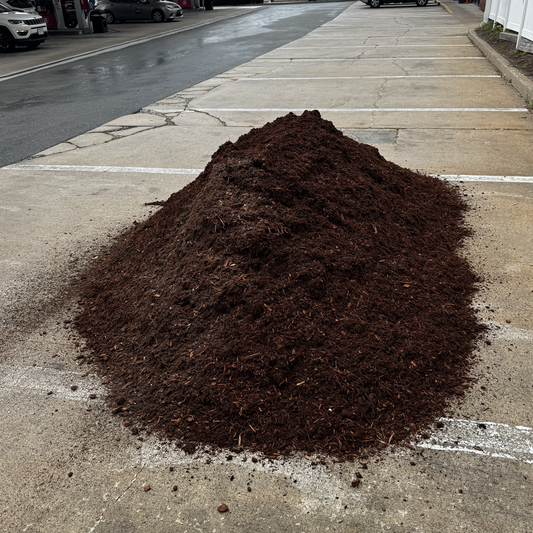
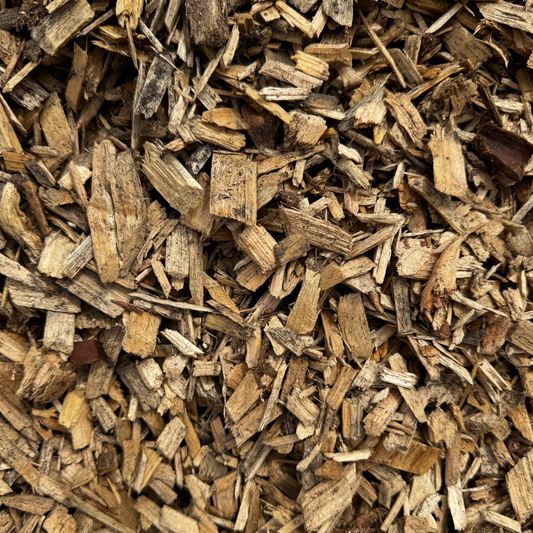
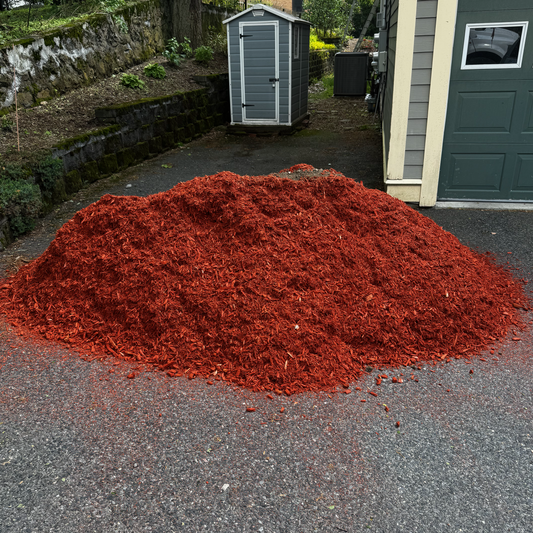
A: Compost at planting, mulch on top, no fertilizer for 30 days. Mix 1 part compost into 3 parts native soil at the planting hole. Top-dress with 2 inches of bulk mulch (Hemlock or Pine Bark — see the mulch collection). Skip fertilizer for the first 30 days. Let roots establish before pushing top growth.
The Plympton May Division Playbook
- May 10–15: Identify which clumps need division (the three signs above).
- May 12: Soak target clumps deeply.
- May 13–14: Lift, divide, replant in amended holes.
- May 13–20: Daily 1-gallon watering on each division.
- May 21–June 5: Every-other-day watering.
- June 6 onward: Twice-weekly during dry spells.
Browse the Plympton landscape supply collection for bulk Compost and Mulch delivery. The Middlesex County bed-edge stretch pairs with division work — stretch the edge and divide overgrown clumps in the same weekend.
This same window reads as a season-close in 2026 — see May 1: Closing Out Spring Mulch Season Across Plymouth County for the year-later retrospective.
For Plympton-specific perennial timing, the UMass Extension Landscape, Nursery & Urban Forestry program is the regional authority.


