Quick Answer
Lock your spring mulch order between mid-January and the end of February for the best Brockton pricing and delivery flexibility. Spring bulk mulch climbs roughly 10-15% from winter pricing once March opens. Most homeowners skip planning until they see neighbors mulching in mid-April — by then, weekend delivery slots are gone for two weeks and the screened, color-stable mulches are picked over. January is calm, March is chaos.
Why Brockton Specifically
Brockton has a high density of mature, mulched residential landscapes — Plymouth County's largest city, with the kind of front-yard footprint that drinks 4-8 yards of mulch per spring. The city sits on the same delivery routing as Halifax, Easton, and Bridgewater, so when one neighborhood goes mulching, the whole route compresses. Brockton homeowners who plan ahead get the trucks first.
Q: When does winter pricing actually end?
A: First week of March. Bulk mulch pricing in eastern MA holds at winter rates from December through late February. The first warm weekend in March is the inflection point — demand spikes, the lift in pricing usually shows up the following Monday. Order by February 28 to lock the lower rate; ordering March 5 means paying spring pricing.
A 6-yard order at typical Brockton volumes saves $30-$80 by booking before March. A 15-yard order (rare for a homeowner, common for a small contractor) saves $80-$200.
Q: Do I have to take delivery in January?
A: No. This is the planning trick most Brockton homeowners miss. You lock the price and reserve the delivery slot now, but the truck rolls in March or April when you actually want to mulch. Most yards including Ottr will hold a quoted price for a deferred delivery as long as you book before the seasonal lift. Just confirm "price-locked, deliver later" in writing.
Q: When does the delivery calendar fill up?
A: Mid-March through Memorial Day weekend. Once the ground thaws and homeowners see their beds, every Saturday on the Brockton route books out 2-3 weeks ahead. Weekday windows hold longer but disappear by mid-April. If you want a specific Saturday — say, the Saturday before a planting day — book it in January.
Q: How much mulch does a typical Brockton yard need?
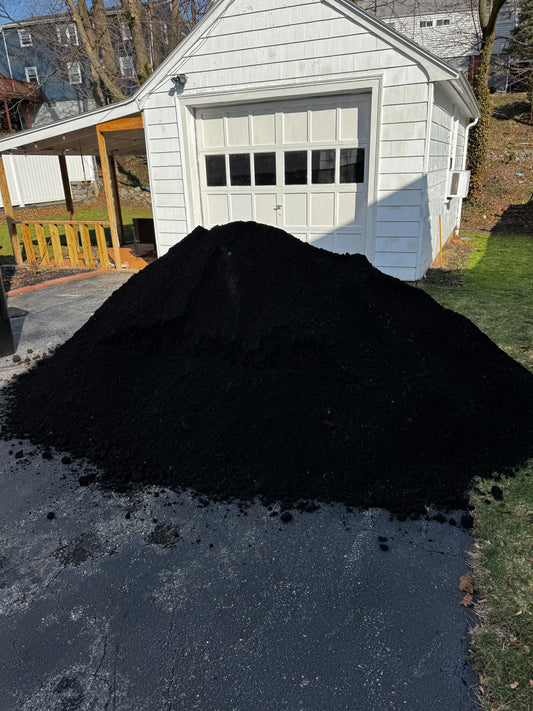
A: 4-8 cubic yards for a standard quarter-acre front-and-side bed. Math: - A 3-inch fresh layer covers 100 sq ft per cubic yard. - A typical Brockton front yard has 300-500 sq ft of bed surface; sides add another 100-200. - Round up by 10% for settling and the inevitable expansion bed you forgot.
For yardage math by neighborhood layout, see How to Calculate Mulch Yardage for a Quincy Triple-Decker Yard — same formulas, different layout.
Q: What's the right mulch for a Brockton front yard?
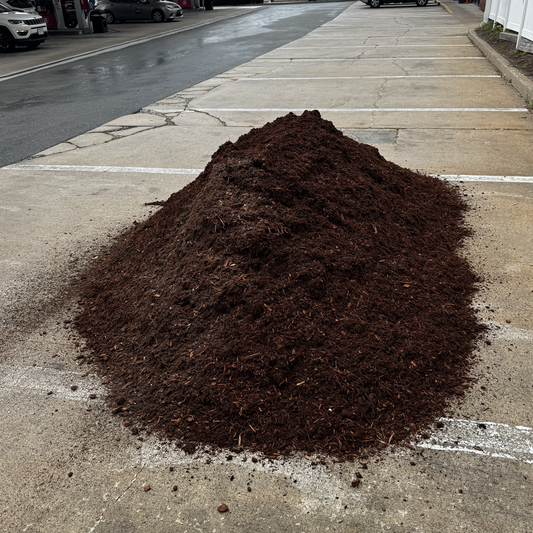
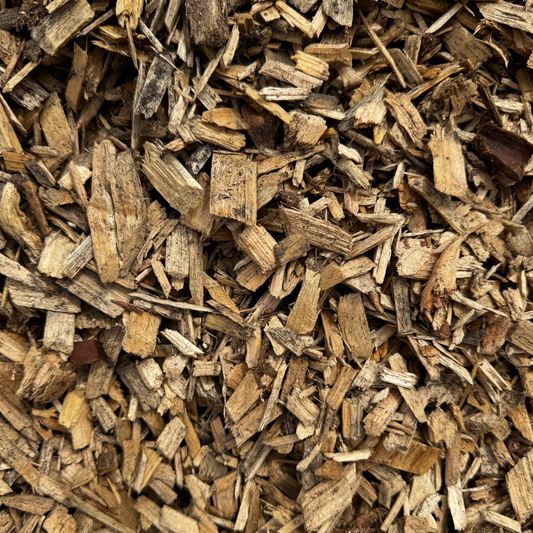
A: Hardwood or hemlock for color stability, hemlock for most ornamental beds.
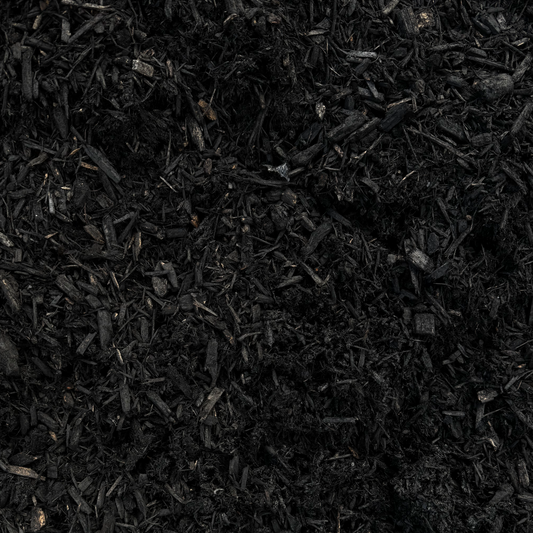
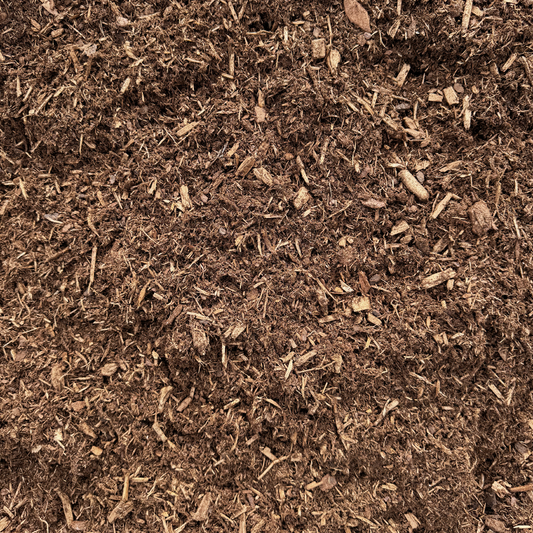
Hemlock holds color through summer better than dyed hardwood, doesn't fade to gray as fast, and the sap is mildly insect-deterrent. Dyed black hardwood stays dark longer than natural but the dye costs more. Cedar runs premium and is best for beds you can see from the street, not back-of-house.
Browse the Mulch Bed Refresh collection for current per-yard pricing and the main mulch collection for the full lineup.
Q: What if I'm replacing mulch versus adding to it?
A: Two different orders. A bed refresh — adding 1-2" of fresh mulch to existing — uses about half the volume of a full replacement. Brockton beds with 3+ years of accumulated mulch often need stripping, not topping; the old layer has decomposed into soil under a crust of dry surface fluff. If you're seeing yellow leaves on shrubs (mulch volcano effect) or a hard mat at the soil surface, plan a strip-and-replace, not a refresh.
Q: Can I share a delivery with a neighbor?
A: Yes, and Brockton's a good market for it. The Brockton route from Ottr's Plymouth County yard is a fixed trucking cost regardless of whether the truck drops 4 yards or 12. If you and a neighbor each need 5-6 yards, splitting one drop saves 30-40% on delivery fees per side. Most contractors won't bother coordinating; homeowners can.
Q: Should I bother pre-booking if I'm only ordering 3 yards?
A: Yes — for the delivery slot, not the price savings. A 3-yard order at winter pricing saves maybe $20-$30 versus April pricing. The bigger win is the delivery window. April Saturdays in Brockton fill up two weeks out by April 1. Booking in January gets you the date you want.
Q: When should the mulch actually go down?
A: After the soil hits 50 degrees F at 4" depth — usually mid-April in Brockton. Mulching too early traps cold; mulching too late means weeds have already germinated. A general Brockton-area target is the second weekend of April for spring annuals, the third weekend for established perennials. The March 1 Boston yard kickoff walks through the pre-mulch checklist.
For a Plymouth-County-wide mulch pre-order playbook, see How Plymouth County Homeowners Pre-Order Bulk Mulch and Lock March Delivery.
Q: Anything else on the calendar I should think about now?
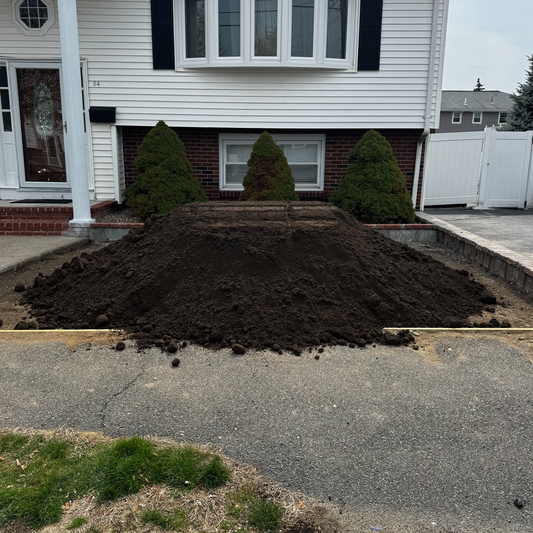
A: Yes — pair the mulch order with topsoil if you're doing any bed expansion. Topsoil tightens hard from late May through June. If you're expanding a bed, building a new island, or top-dressing the lawn, lock the loam at the same time you lock the mulch. Two birds, one delivery window. See How to Order a Yard of Loam for a Watertown Raised Bed Build for the loam ordering walkthrough — same logic in Brockton.
The Brockton Calendar in One Page
- Mid-January to end of February: Lock mulch price + delivery slot. Pull soil sample if not done.
- First week of March: Spring pricing kicks in. Don't wait past this.
- Mid-March to early April: First deliveries roll. Pre-mulch bed prep — edging, weeding, soil amendment.
- Mid-April: Soil temps cross 50 F. Mulching begins.
- Memorial Day: Most Brockton beds fully mulched. The remaining demand is touch-ups and forgotten side yards.
For Brockton-specific delivery scheduling, the Brockton landscape supply collection has neighborhood-level routing. For broader MA mulch and compost quality context, the Massachusetts Department of Agricultural Resources is the authoritative source. UMass weighs in on best-application practice at UMass Extension Landscape.