Quick Answer
The five mid-winter hardscape planning moves for Brockton homeowners: measure the project area in the snow, pick the paver and base materials, get an as-of-February quote, schedule the dig week, and pre-stage the base stone in March. Do all five before Memorial Day and you'll start construction in early May with materials onsite — beating the contractor backlog that locks up most Plymouth County crews from June 1 onward. February is the cheapest, calmest month to plan a hardscape build.
Why February in Brockton
Brockton's hardscape season runs April through October, with the busiest contractor stretch from late May through August. By the time most homeowners think about a patio or walkway in April, the good crews are booked into July and base materials run 4–6% over winter pricing.
The fix is the five moves below. None of them require digging in frozen ground. All of them save money and time when April arrives.
Tip 1 — Measure the Project Area Now, Even in Snow
Walk the project area with a 100-foot tape and stake the corners. Snow doesn't stop you from measuring; it just means you wear boots. Sketch the footprint on graph paper, 1 square = 1 foot, and note:
- Total square footage
- Existing slope (front-to-back drop)
- Distance to the nearest hose bib and dump-truck access point
- Underground utilities — call DigSafe at 811 at least 72 hours before any actual digging
Most Brockton hardscape projects are between 200 and 600 sq ft. A 12×16 patio is 192 sq ft. A 4-foot-wide walkway 30 feet long is 120 sq ft. Knowing this number before you call a supplier is half the planning battle.
Tip 2 — Pick Your Paver and Base Materials in February
Hardscape supply chains slow down in winter, and that's actually good for you — showrooms are quiet, sales reps have time, and 2025 catalogs are out. Decide three things now:
- Surface material: bluestone (most popular in Brockton), concrete pavers, brick, or large-format porcelain
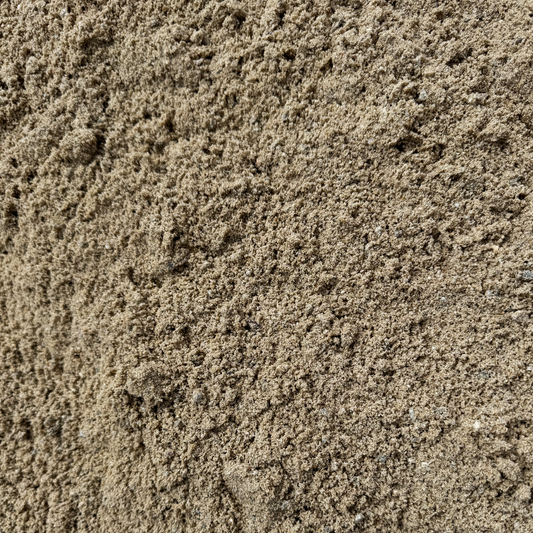
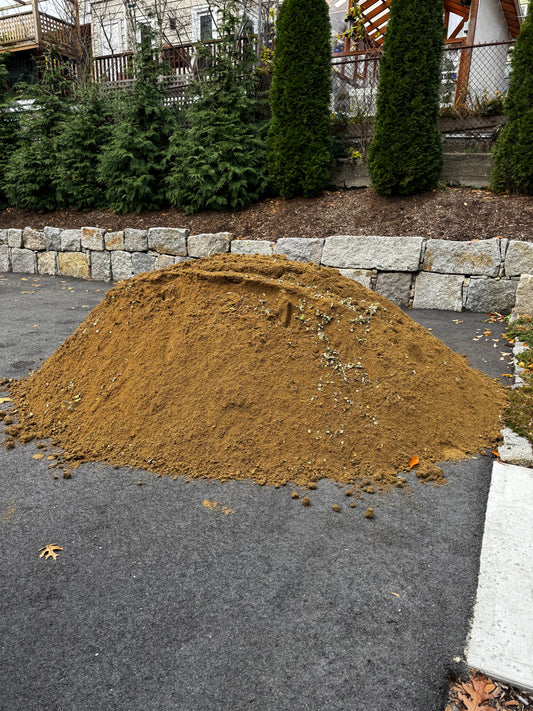
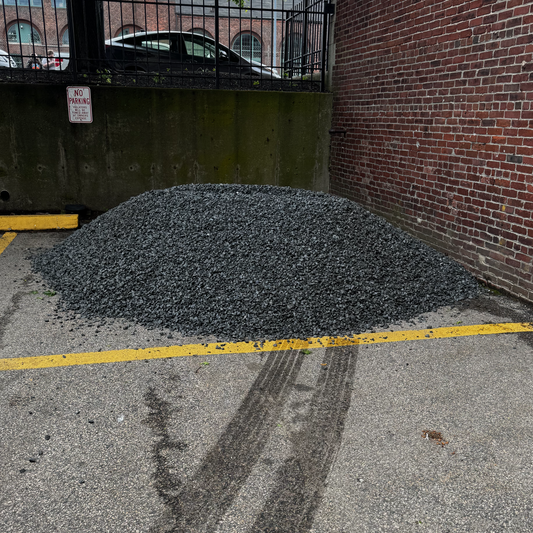
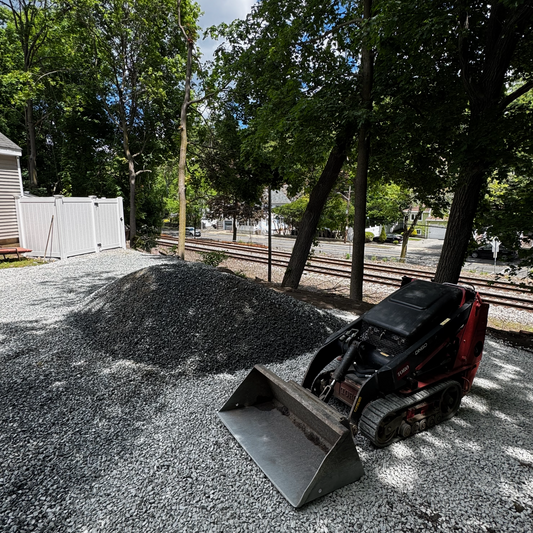
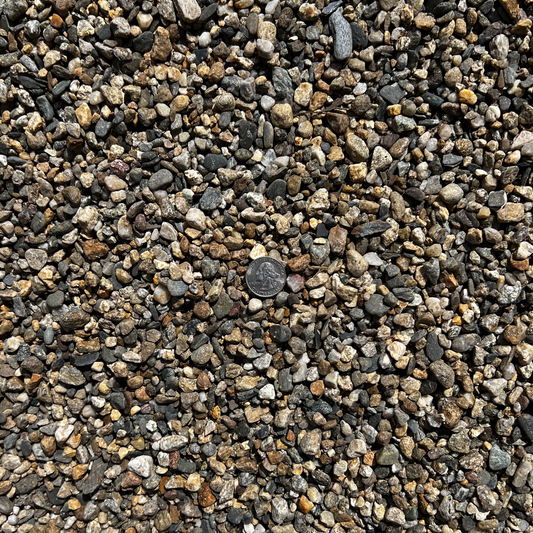
- Base aggregate: Dense Pack ¾" to minus is the ICPI-standard base for residential pavers in Brockton
- Bedding sand: Concrete Sand or Mason Sand at 1-inch depth on top of base
Browse the Patio & Walkway Base collection for per-yard rates on Dense Pack base, surge stone (for boggy yards), and bedding sands. For neighbor context, Anvil vs Bypass Pruner: A Westwood Hand Test covers the tool side of late-winter prep happening the same week.
Tip 3 — Get an As-of-February Quote
Material prices in Plymouth County usually move up 4–6% between February and May. A February quote — even a verbal one — gives you a price ceiling to plan against. Bulk delivery of Dense Pack to a Brockton address in February runs roughly $42–48 per cubic yard. By May, expect $46–52.
Call your supplier with three numbers: square footage, base depth (typically 4–6 inches for pedestrian patios), and bedding sand depth (1 inch). They'll quote yardage and delivery. For Brockton-specific delivery scheduling, see Brockton landscape supply.
A typical 200 sq ft patio at 4-inch base depth needs 2.5 cubic yards of Dense Pack. Add 0.6 cubic yards of bedding sand. Add 10% for waste. Total: 3.5 yards delivered.
Tip 4 — Schedule the Dig Week
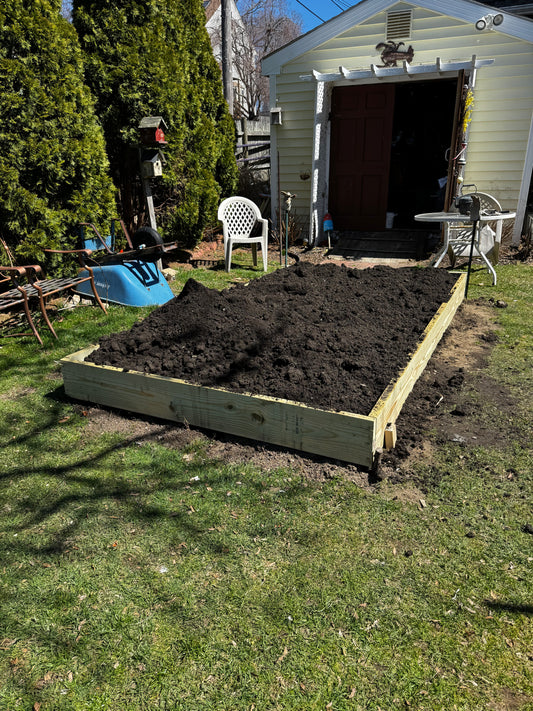
Most Brockton homeowners DIY the layout but hire a small excavation crew for the dig — it's 4–6 inches deep across the whole patio area, plus 6 inches beyond each edge. A two-person crew with a mini-excavator can prep a 200 sq ft patio in half a day.
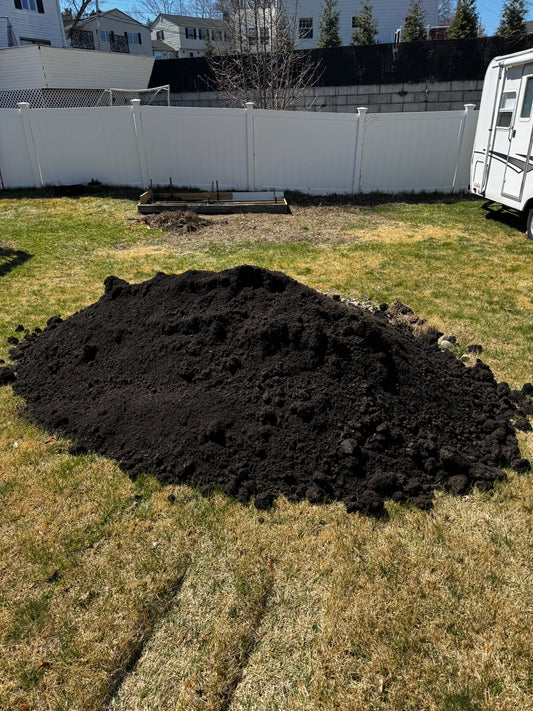
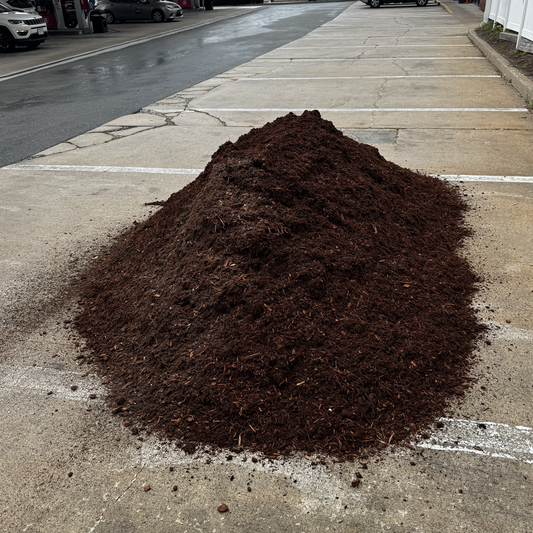
Book the dig for late April or early May. Earlier and the ground may still be frozen; later and you're competing with summer construction. Get a written start date in February. The good crews fill up by March 15. For neighbor context on bidding spring jobs, see Bidding Middlesex County Spring Repair Jobs in Late January. For the Boston/universal review of screened loam vs big-box topsoil that often shows up in adjacent grading work, see Ottr Screened Loam vs Big-Box Topsoil. The 2026 follow-up on Boston mulch beds sits at Mulch Beds in Boston for the planting work that pairs with hardscape.
Tip 5 — Pre-Stage the Base Stone in March
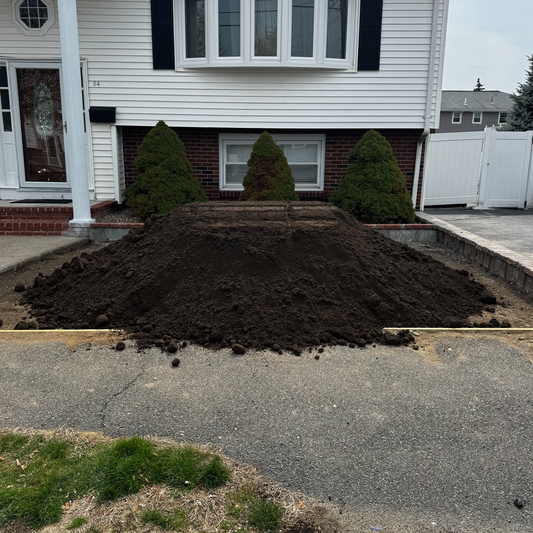
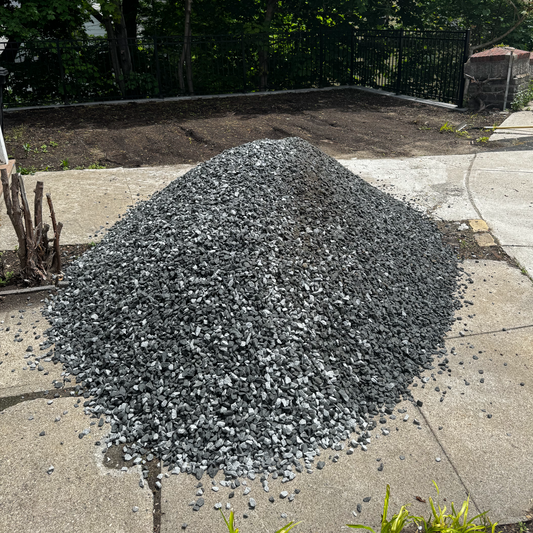
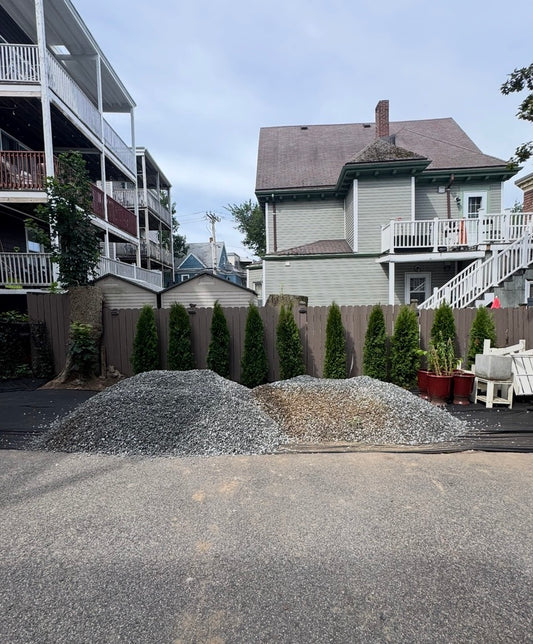
Order base material delivered to a staging spot on the driveway in mid-to-late March, two to four weeks ahead of the dig. Three reasons:
- Lock in pre-spring pricing before the May bump
- Spread the project cost across two months of credit-card cycles
- Truck access to your driveway is easier in March than in May, when neighbors' crews start blocking streets
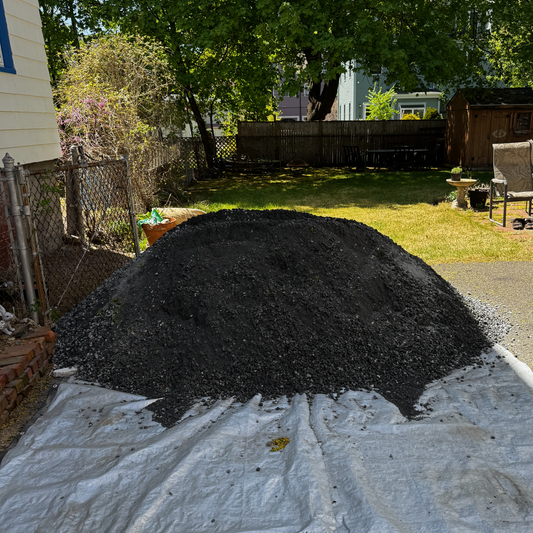
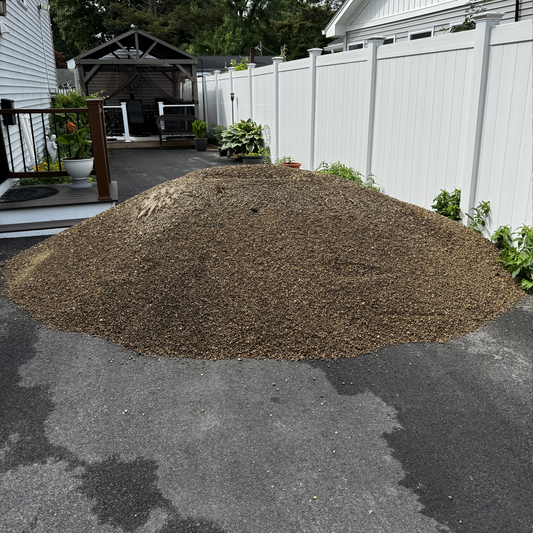
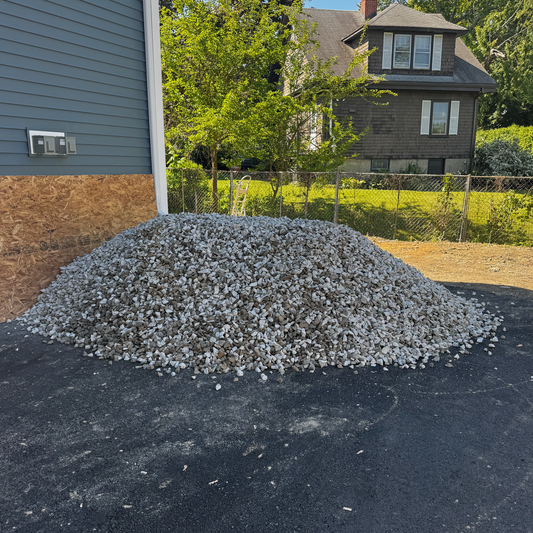
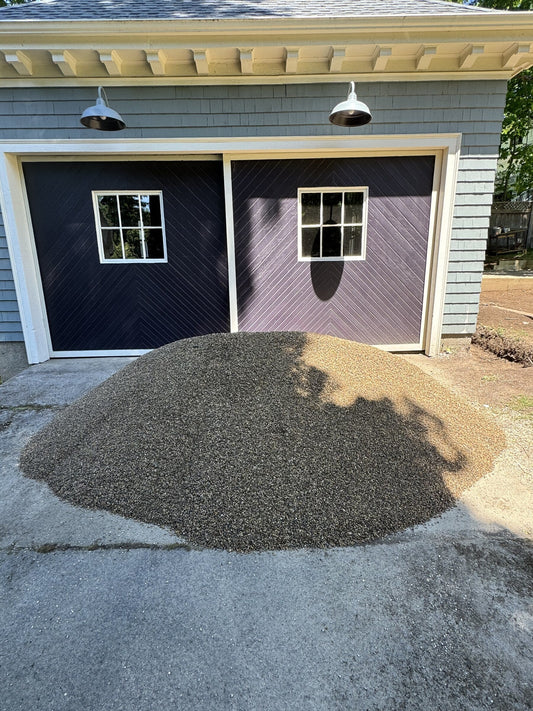
A standard 14-cubic-yard delivery truck needs about 12 feet of clearance and a flat staging area. Tarp the pile to keep rain out — wet base stone is harder to spread evenly. For broader hardscape reference standards, the Interlocking Concrete Pavement Institute (ICPI) publishes the residential design manual most Brockton crews work to.