Quick Answer
For a Norwell yard, the five perennial planning moves to make in early August are: map gaps in existing beds, order soil amendments now for September planting, shortlist deer-resistant natives, plan for the September 5–October 5 transplant window, and schedule division work on overgrown clumps. Norwell's Zone 6b climate and well-drained South Shore soils favor a wide native palette — but the deer pressure is real.
1. Map Gaps in Existing Beds
Walk the yard with a notebook in the second week of August. Note where summer perennials have died back early, where you've got bare patches behind the front blooms, and where structural shrubs have outgrown their original layout. Take photos of every bed.
This map drives the September shopping list. Without it, you buy what looks good at the nursery, not what fills the actual gap.
2. Order Soil Amendments for September Planting
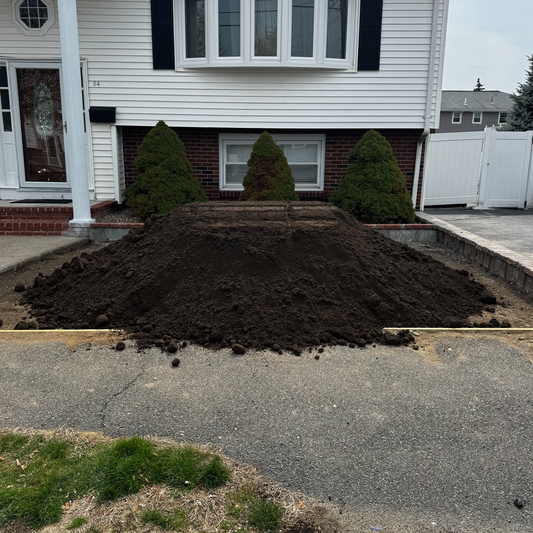
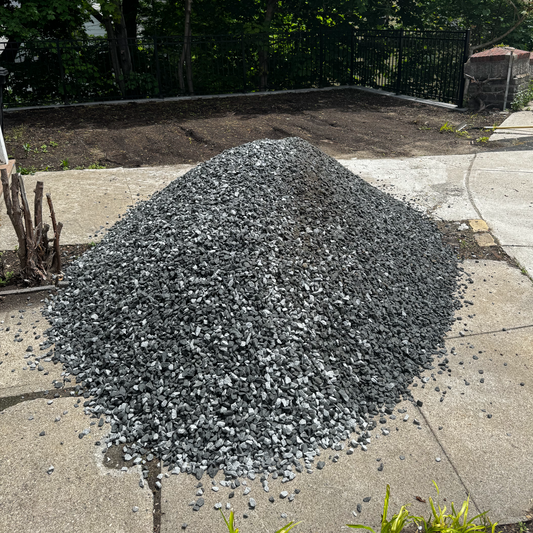
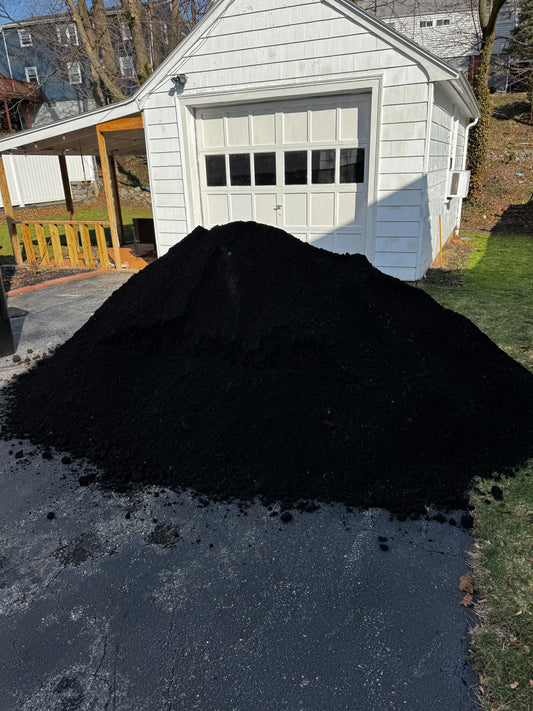
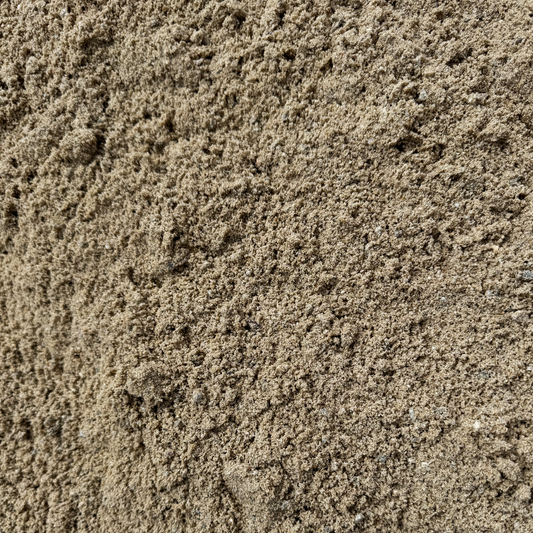
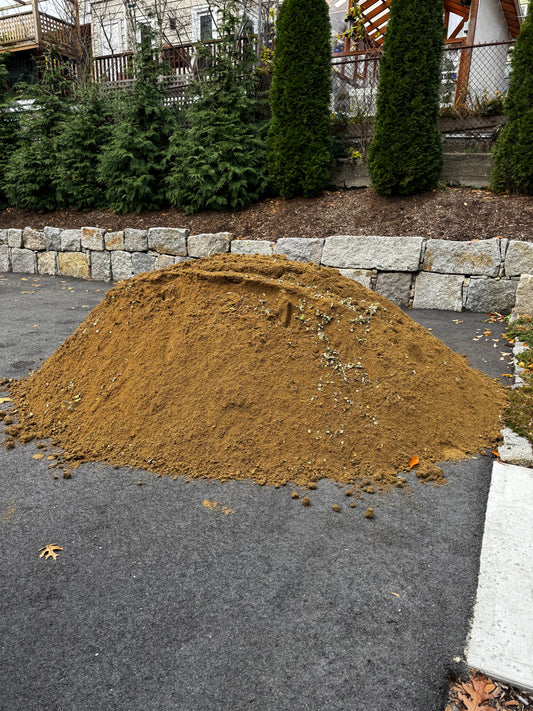
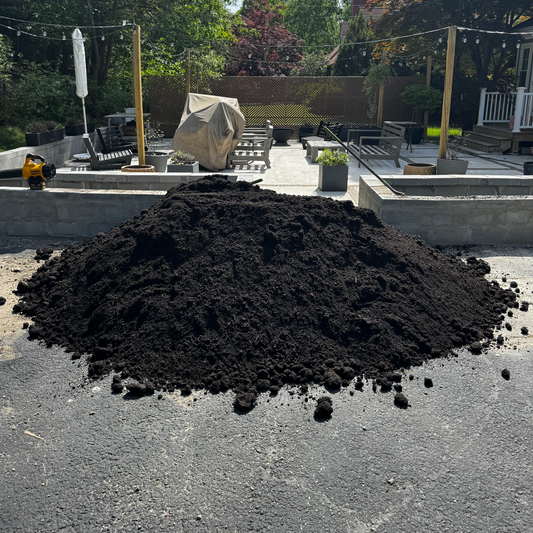
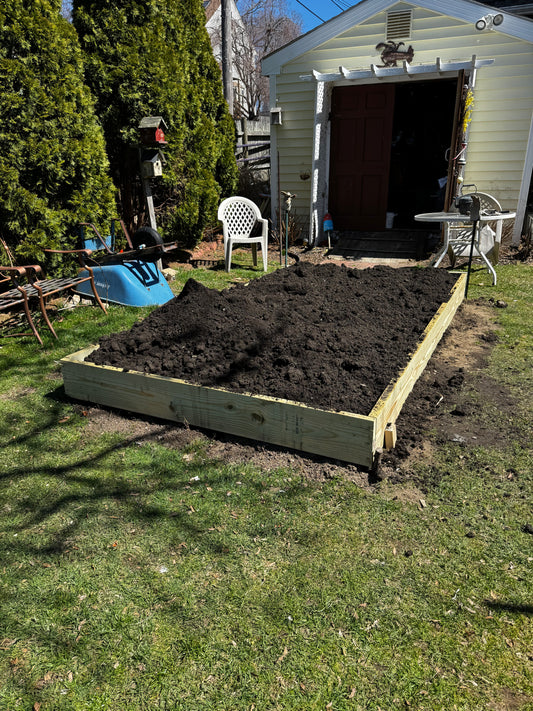
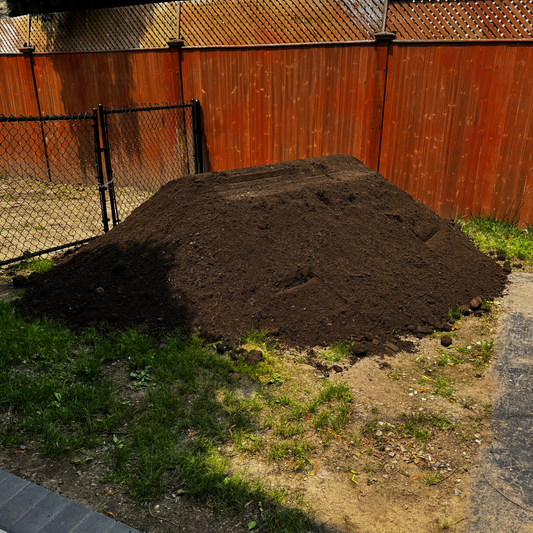
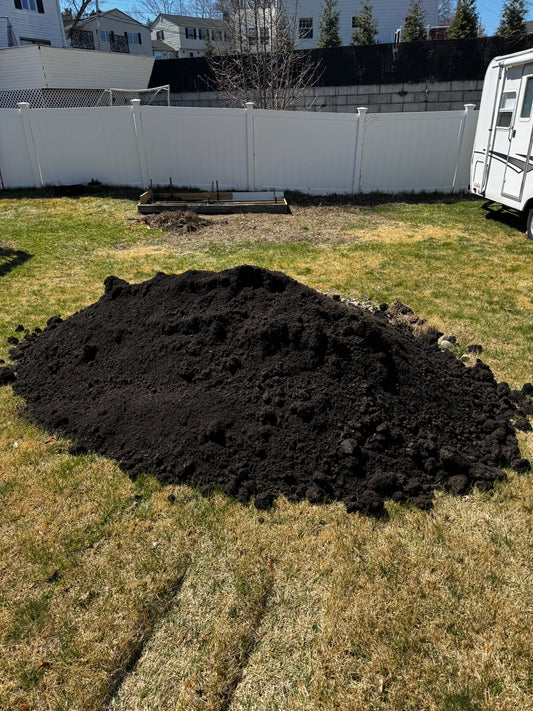
Compost and screened loam pull tight across the South Shore from late August through mid-September. Get the order in by August 20. For a 100 sq ft new perennial bed, plan on 0.5 cubic yards of Compost and 0.5 cubic yards of Topsoil Loam ½" Screened.
Browse the Plant Establishment & Tree Planting collection for per-yard rates, and check Norwell Landscape Supply for delivery to Norwell Center, Church Hill, and Ridge Hill.
3. Shortlist Deer-Resistant Natives
Norwell's deer pressure is heavy, especially north of Route 53. Shortlist perennials the deer leave alone:
- Amsonia hubrichtii (blue star) — fall foliage, late spring bloom.
- Baptisia australis (false indigo) — long-lived, structural.
- Echinacea purpurea (purple coneflower) — late summer color, pollinator magnet.
- Nepeta (catmint) — silvery foliage, long bloom.
- Pycnanthemum muticum (mountain mint) — native, deer-proof, pollinator-heavy.
The Native Plant Trust is the best regional source for MA native perennial guidance.
4. Plan for the September 5–October 5 Transplant Window
This four-week window is when Norwell perennial transplants succeed at 90%+ versus the 60–70% spring success rate. Soil temperatures hold between 60–65°F, rain returns, and roots establish before frost.
Block out a Saturday in mid-September on the calendar now. Order plants from the nursery 2–3 weeks ahead.
For a perennial-bed mulching baseline, see How to Plan a Fall Planting Schedule for a Cambridge Yard — the Cambridge planning logic transfers directly to Norwell.
5. Schedule Division Work on Overgrown Clumps
Norwell perennial divisions go best in late August through early September. Hostas, daylilies, irises, peonies, and ornamental grasses all want dividing every 3–5 years.
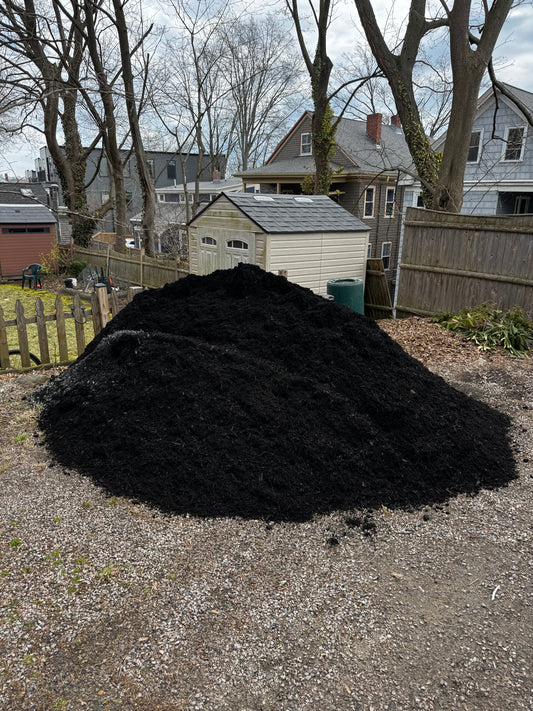
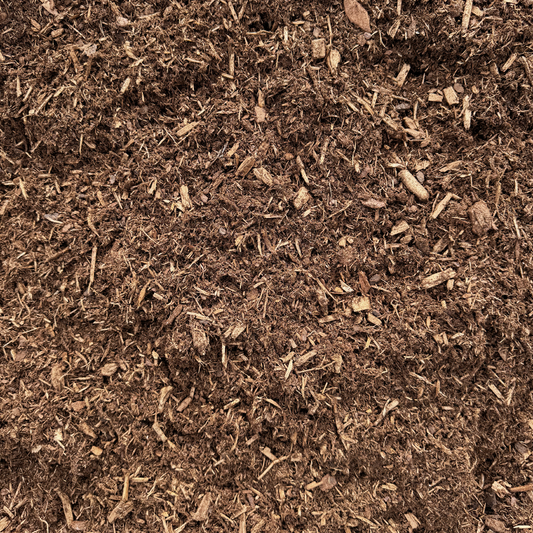
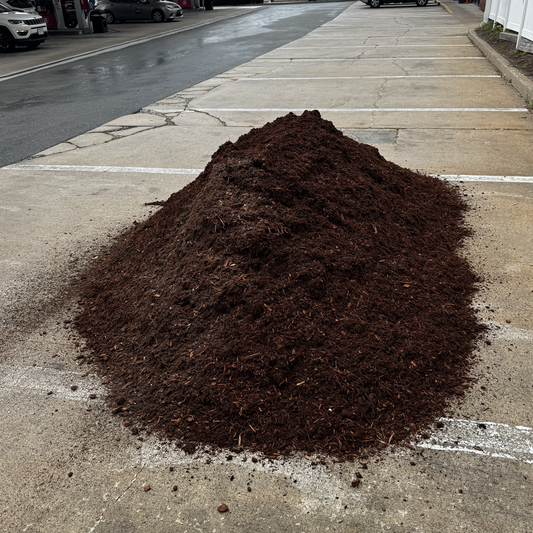
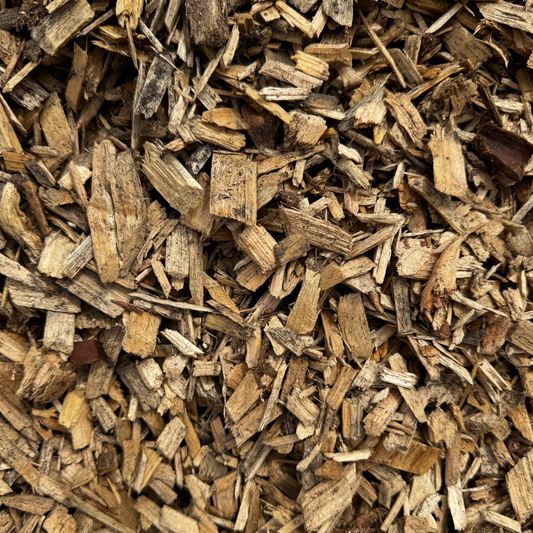
Tools: a sharp spade, a hose, and a wheelbarrow. Time per clump: 15–30 minutes for the dig, divide, replant cycle. Top-dress the divided sections with 1" of Hemlock Mulch from the Mulch collection.
For broader native-plant guidance through the fall planting window, the Native Plant Trust maintains the most authoritative MA native database.