Quick Answer
A Somerville October cleanup runs 4 hours on a typical triple-decker or single-family lot: 30 minutes staging, 90 minutes leaf shredding via mulch-mow, 60 minutes cutting back perennials, 30 minutes mulch top-up, and 30 minutes bag-out and curb sweep. Two people halve the time. The right window is the first dry Saturday between October 5 and October 25, before the maple drop hits hardest.
Why 4 Hours Is the Right Frame
Somerville lots are tight — 2,500 to 5,000 square feet of yard, max — and crowded with maple, oak, and Norway maple drop in mid-October. A full-day cleanup is overkill; a 90-minute drive-by leaves debris in the beds. Four hours, broken into the steps below, gets the yard ready for winter without burning a weekend.
This is the early-October window. The mid-month hardscape frost forecast in Watertown covers what to finish before pavers freeze in. The contractor last-window pricing for Cambridge crews covers the same window from the bidding side.
Step 1 — Stage and Strip (30 minutes)
Pull the mower, blower, rake, and bags out before you start. Blow leaves out of foundation beds, tree wells, and the front-yard postage stamp onto the open lawn. You're staging — not bagging yet.
Tip: Blow downwind. In Somerville, the prevailing October wind is northwest; work the back of the lot toward the curb.
Step 2 — Mulch-Mow the Leaves (90 minutes)
Set the mower deck to 3 inches. Make two passes over the leaf-covered lawn — first pass at full deck, second perpendicular at the same height. Sharp blade only; a dull blade leaves shredded leaves looking like wet confetti and clogs the deck.
Mulched leaves disappear into the lawn within two weeks if shredded fine enough. They feed the soil and suppress crabgrass next April. For the full case on this technique, see How to Mulch Leaves into a Plymouth Lawn — same playbook works in Somerville.
If your yard has more leaves than the mower can shred (heavy oak drop), bag the surplus and use it for leaf mold compost over winter.
Step 3 — Cut Back Perennials and Edge (60 minutes)
Cut spent perennials — hostas, daylilies, peonies, salvia — to 4 inches. Leave seed heads on coneflower, black-eyed Susan, and ornamental grasses for songbird forage and winter interest.
Re-cut bed edges with a half-moon edger if they're soft. A crisp October edge holds through winter and saves a step in April.
Step 4 — Top-Off Mulch (30 minutes)
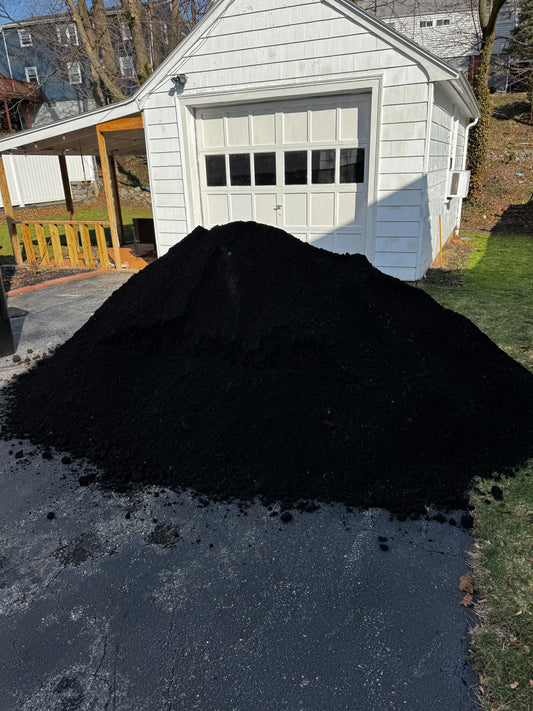
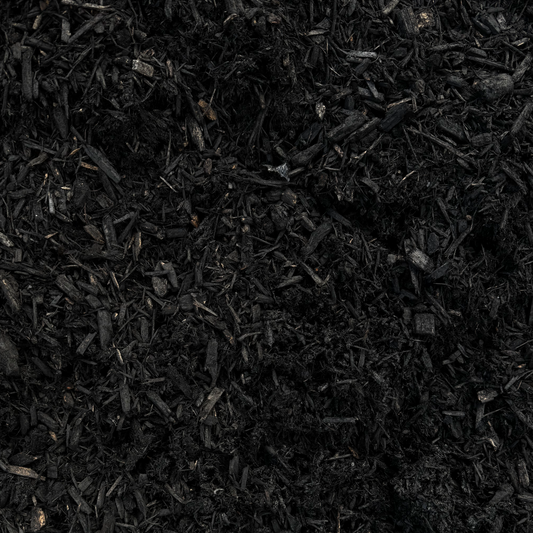
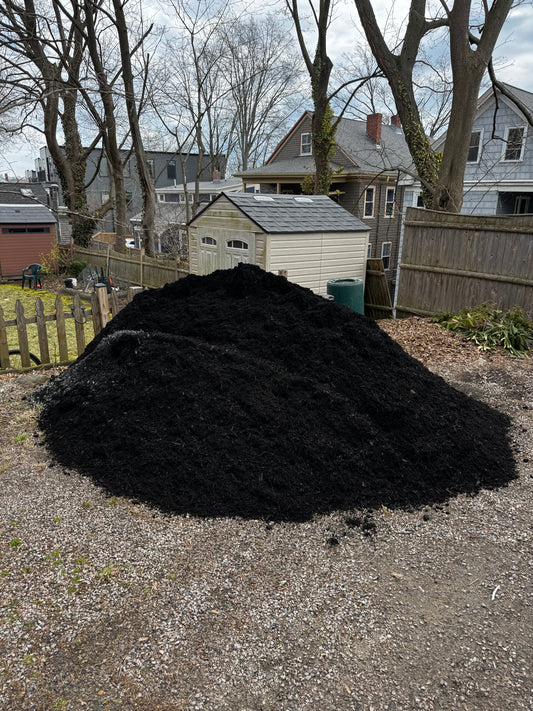
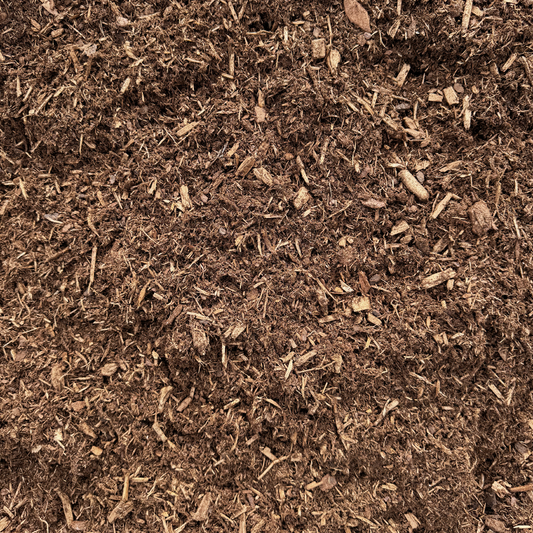
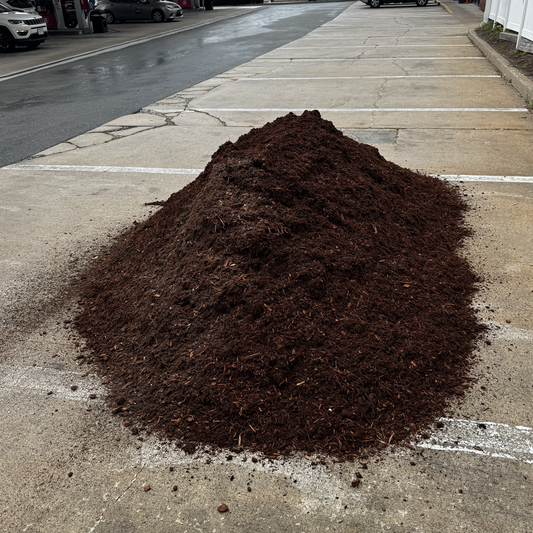
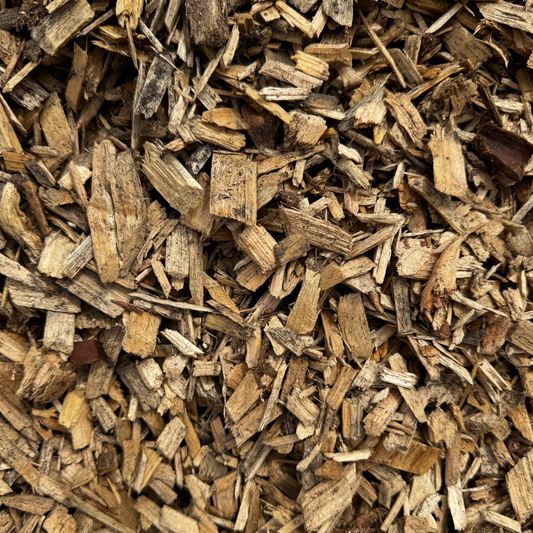
Walk the beds. Where mulch has thinned to under 1 inch (especially around foundation plantings and tree wells), add a 1/2-inch top-up of hardwood mulch. One cubic yard covers about 200 sq ft at this depth — enough for most Somerville beds.
Browse the mulch collection for current per-yard pricing and Somerville-area delivery. For full-yard deliveries to tight Somerville driveways, see the bagged-vs-bulk breakdown in Bagged or Bulk Mulch for a Cambridge Townhouse Bed.
Step 5 — Bag, Sweep, Haul (30 minutes)
Bag any debris that didn't get mulched. Sweep walks and the driveway apron. Blow off the curb. Done.
For Somerville-specific bulk delivery scheduling, see Somerville landscape supply and the full catalog.
What This Means for You
Four hours, five steps, and a Somerville yard is winter-ready. The UMass Extension Landscape, Nursery & Urban Forestry program has the most authoritative regional guidance on cool-season cleanup windows and overwintering cuts. Get this done before the first hard frost — usually the third or fourth week of October in Middlesex County.