Quick Answer
The five tools that turn a Brookline lawn-leveling project from a two-weekend slog into a Saturday morning: a 30-inch aluminum leveling rake (the only tool you should buy outright), a drag mat (rent it), a topsoil/sand spreader cart (rent if 5,000+ sq ft), a plate compactor for deep dips, and a heavy-tine garden rake for spreading. With a load of bulk screened loam or sand-loam mix from Ottr, two people knock out an average Brookline yard in 4–6 hours.
Why Brookline Lawns Need Leveling
Brookline yards — the brownstone fronts on Beacon Street, the wide back lawns off Pond Avenue, the tight side strips in Coolidge Corner — all share the same problem: settled spots from old utility trenches, plow scrapes, frost heave at the curb edge, and dog traffic ruts. By April, these dips hold water and grow mossier than the rest of the lawn.
Top-dressing with a sand-loam mix and dragging it level is the fix. The tools below are what make the difference between a fast, even job and a long, lumpy one. Browse the full lawn leveling and repair collection for material specs.
#1 — 30-Inch Aluminum Leveling Rake (Buy It)
The single best lawn tool most homeowners don't own. Wide aluminum head with a flat back edge, used to push loam and sand evenly across turf without gouging. Costs less than a bag of fertilizer.
Why it wins: A regular garden rake leaves teeth marks and pushes soil unevenly. A leveling rake's flat edge skims the high spots and fills the low spots in one pass.
Brookline tip: Buy the 30-inch model, not the 36-inch — narrower fits the side yards between Brookline triple-deckers without smashing into hostas.
#2 — Drag Mat (Rent It)
A 4x4-foot weighted chain-link or rubber mat dragged across the lawn after top-dressing. Smooths everything in 10 minutes for a quarter-acre lot.
Why it wins: Hand-raking leaves stripes. A drag mat distributes loam into the existing turf canopy so blades stay above the dressing — critical for grass survival.
Cost: Rent for the day from a tool rental in Newton or Boston. Don't buy unless you're managing multiple properties; it stores awkwardly.
#3 — Topsoil Spreader Cart (Rent for 5,000+ Sq Ft)
A push-behind drum spreader that meters loam onto the lawn in a controlled 1/4 to 1/2-inch layer. Saves 90% of the wheelbarrow time on big properties.
Why it wins: Wheelbarrow + shovel = uneven layer + back pain. A spreader cart eliminates both. The right tool when your back lawn off Hammond Pond Parkway is bigger than 5,000 sq ft.
Cost: Mid-day rental fee. Skip if you're under 3,000 sq ft — wheelbarrow + leveling rake is faster at small scale. For yardage math on the loam itself, the principles in How to Calculate Mulch Yardage for a Quincy Triple-Decker Yard work for loam too.
#4 — Plate Compactor (For Deep Dips Only)
A gas-powered plate compactor, used not on the lawn surface but in the bottom of any dip deeper than 2 inches before you backfill.
Why it wins: Deep dips that just get filled with loam re-settle in three months. Compacting the soil at the bottom of the dip first locks the fix in. Then top with loam, then seed.
When to skip: Anything under 2 inches. Surface leveling doesn't need compaction — it needs drag-mat smoothing. Plate compactors crush turf crowns; keep them off the lawn surface.
#5 — Heavy-Tine Garden Rake (Spread + Final Smooth)
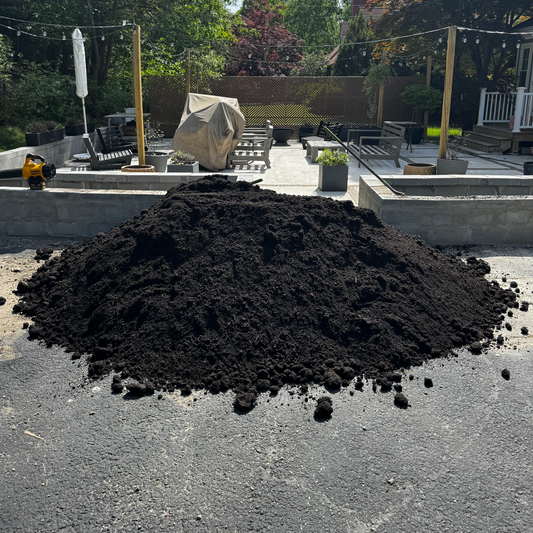
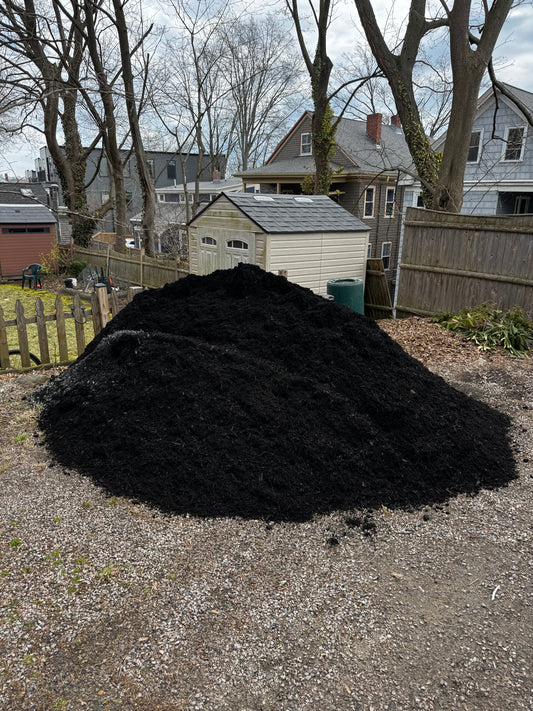
The unsexy workhorse. A 16-tine bow rake for spreading bulk loam off the dump pile and the final smooth before the drag mat goes on.
Why it wins: A leveling rake is for finishing. A heavy-tine rake is for moving soil from pile to lawn fast. You need both.
Brookline tip: Get one with a fiberglass handle. Wood handles snap when you hit a buried Brookline rock — and you will hit a buried Brookline rock. For a related tool comparison on bed edging, see Half-Moon Edger vs Power Edger: A Waltham Lawn Bed Edge Test.
The Material to Pair With Them
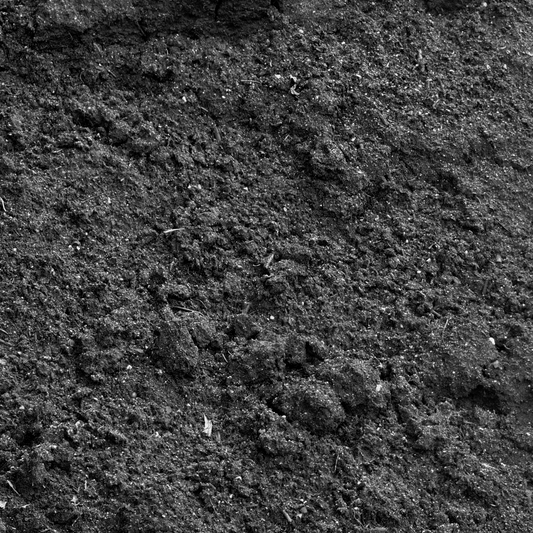
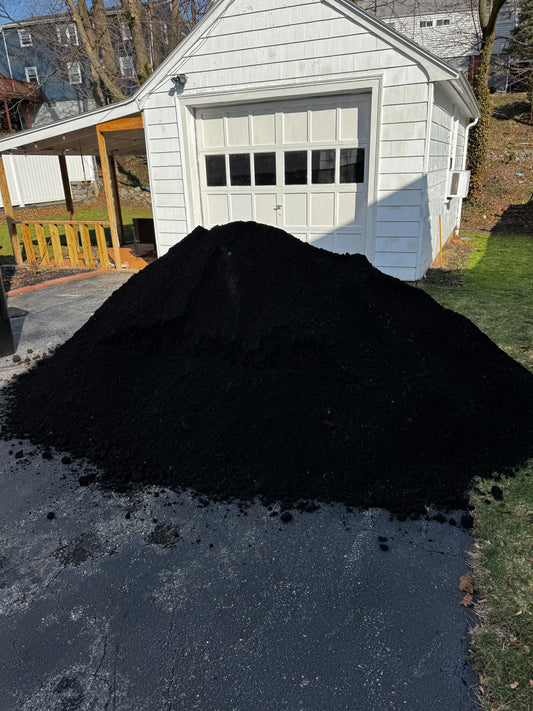
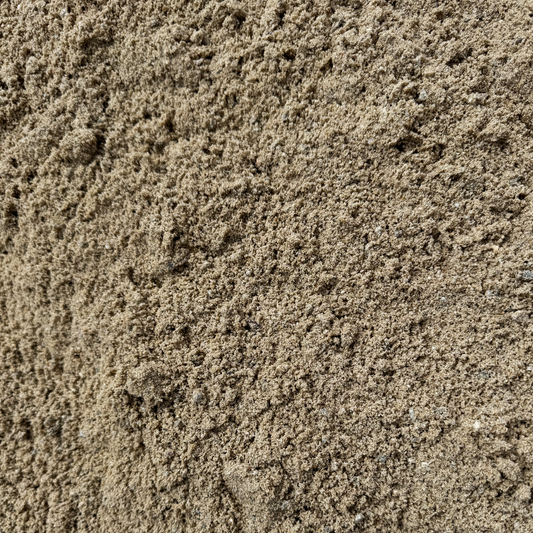
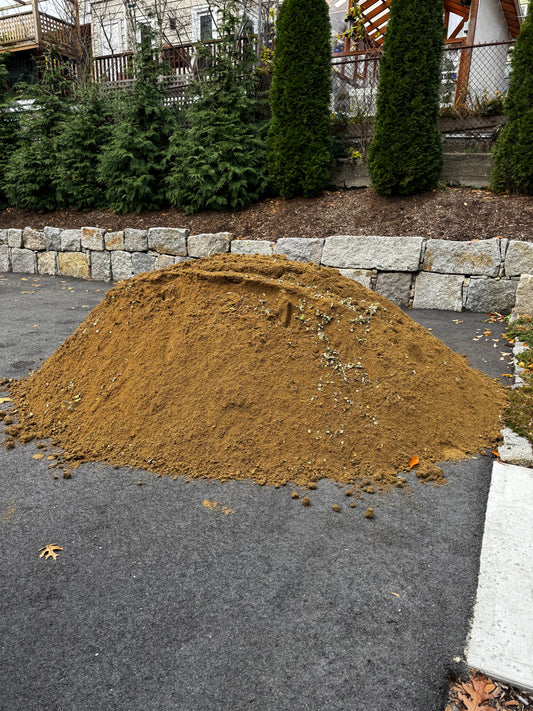
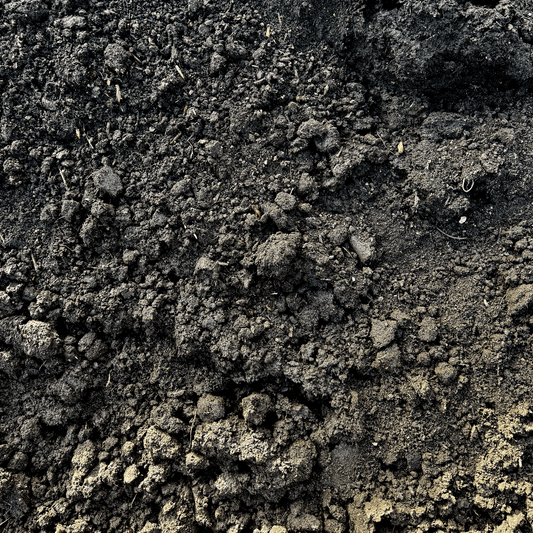
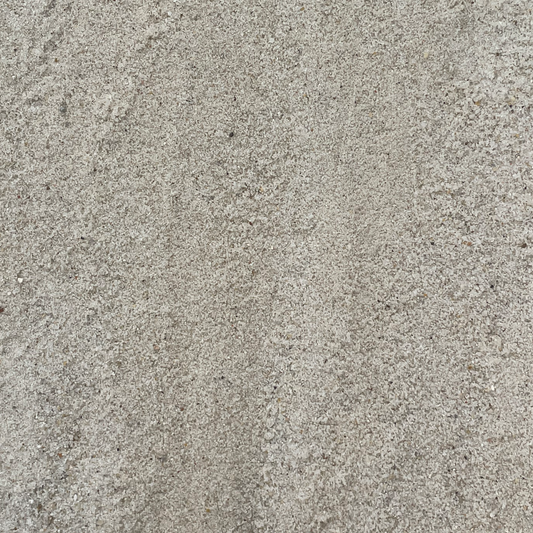
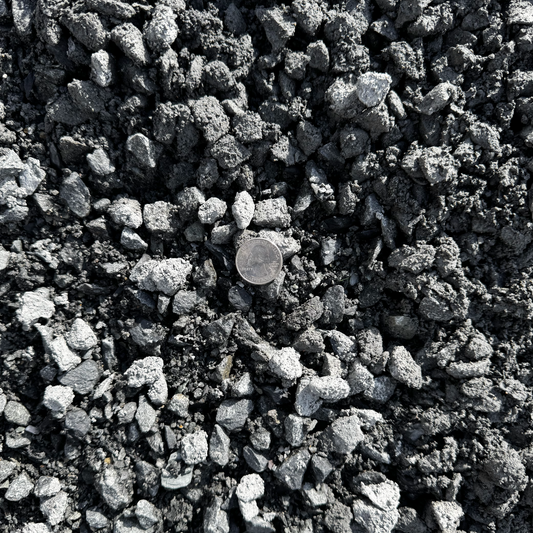
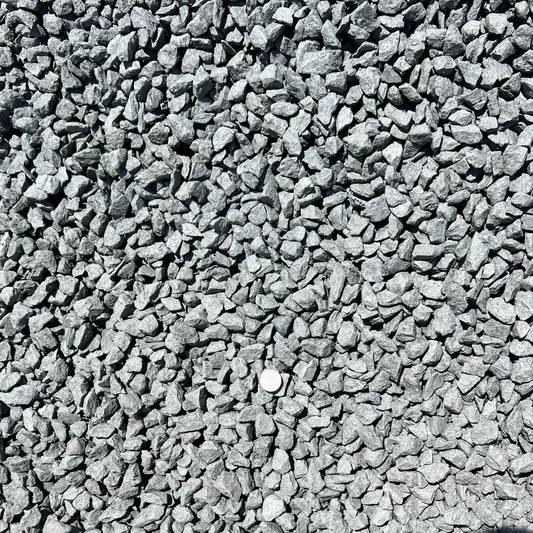
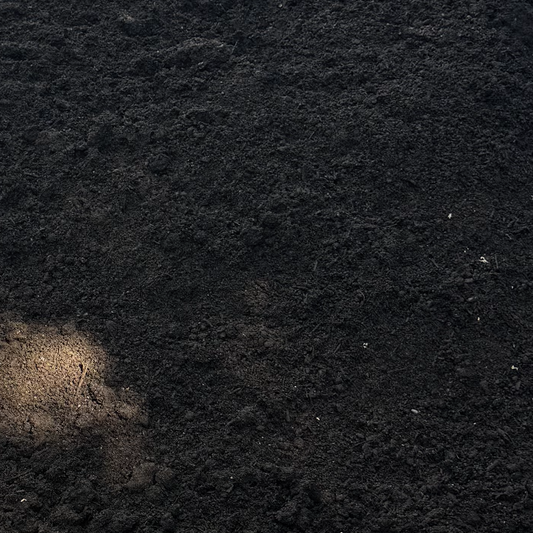
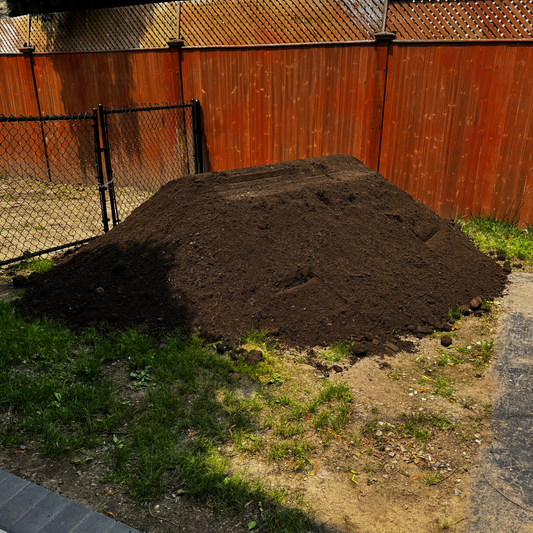
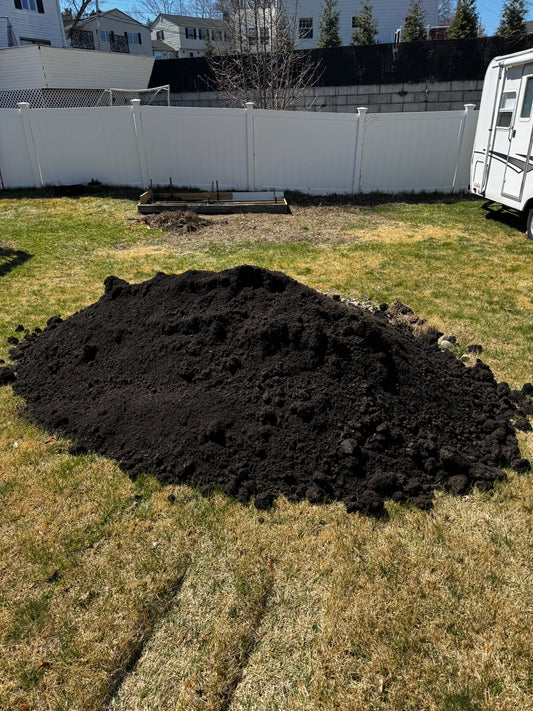
The tools only work with the right top-dressing. For Brookline lawns, a sand-loam blend (60% screened loam, 40% mason sand) is the standard mix — drains better than pure loam, holds seed better than pure sand. Spread no more than 1/2 inch per pass; thicker layers smother the existing turf.
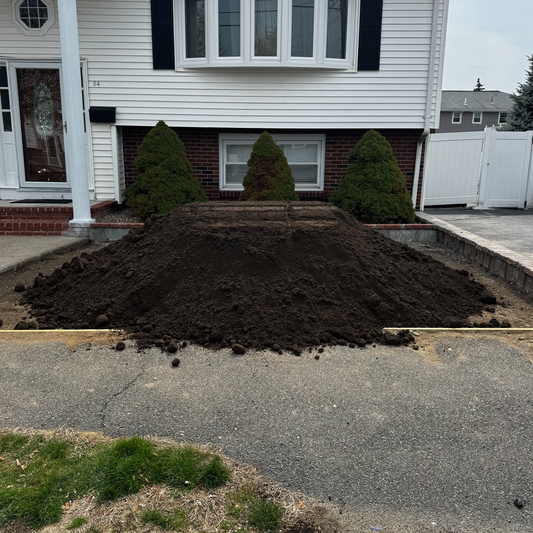
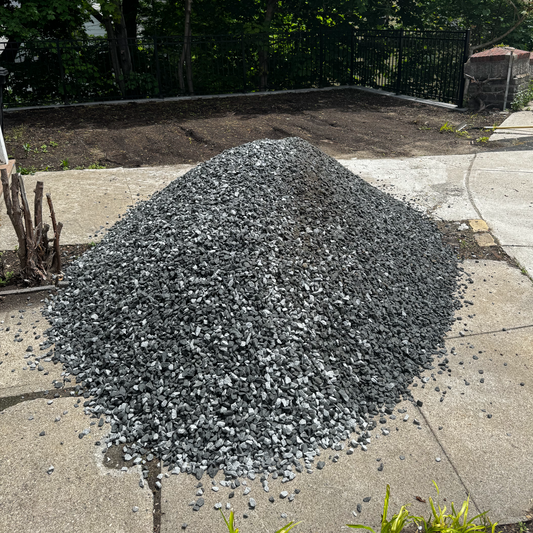
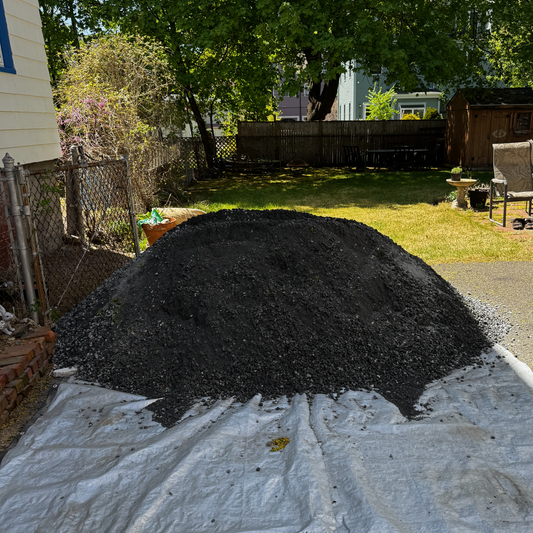
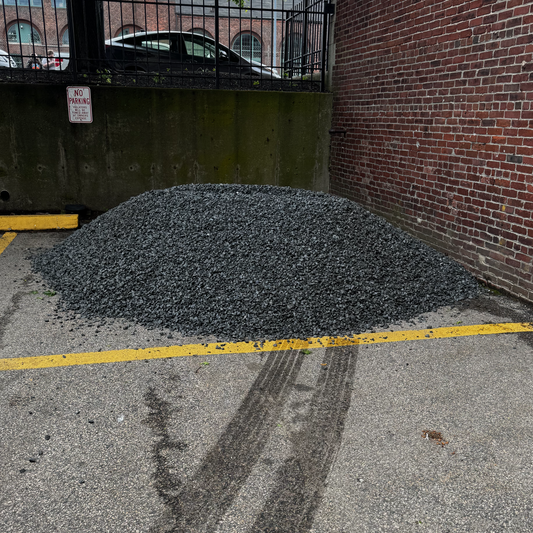
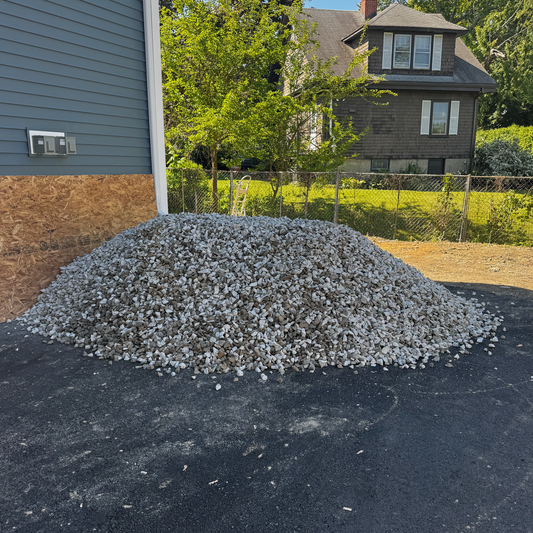
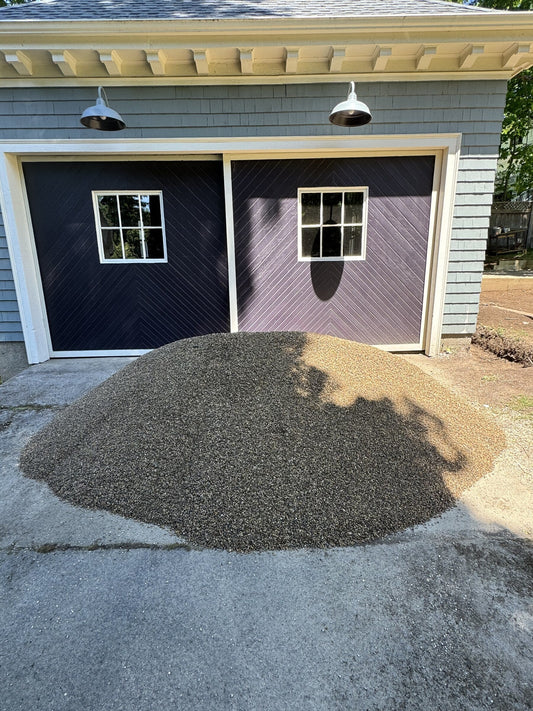
Order by the cubic yard from the lawn leveling collection and have it dropped at the driveway apron. A typical 4,000 sq ft Brookline back lawn needs 2–3 cubic yards for a full leveling pass.
For a deeper look at lawn renovation timing, the UMass Turf Program is the authoritative source on Massachusetts cool-season grass care. Pair leveling with the dethatch and aerate steps in How to Dethatch and Aerate a Tired Newton Lawn — same playbook applies in Brookline.
Putting It Together
Two people, the five tools above, 2–3 cubic yards of sand-loam from Ottr, and an average Brookline lawn levels in a Saturday morning. The trick is sequencing: heavy rake to spread, leveling rake to finish, drag mat to integrate, water to settle. Skip any step and the result is uneven by July.
For homeowners across the Brookline landscape supply routes, Ottr drops loam, sand, and sand-loam blends — book the load and the Saturday is yours.