Quick Answer
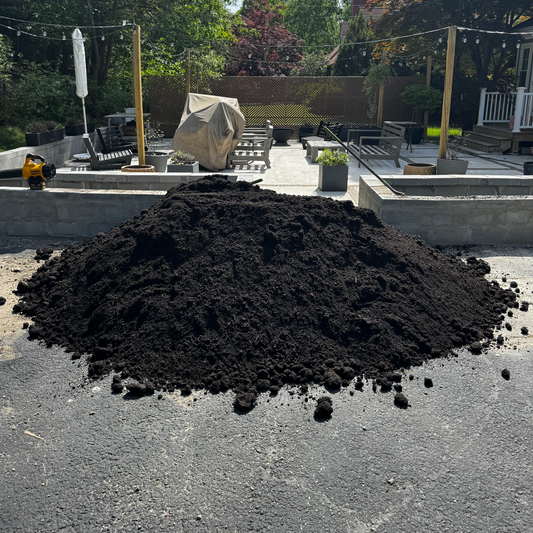
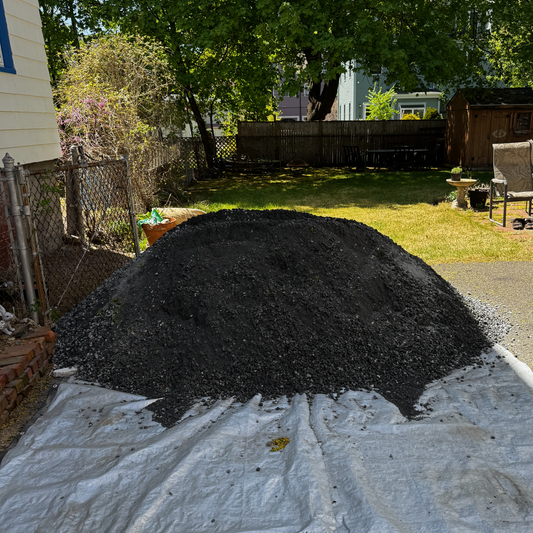
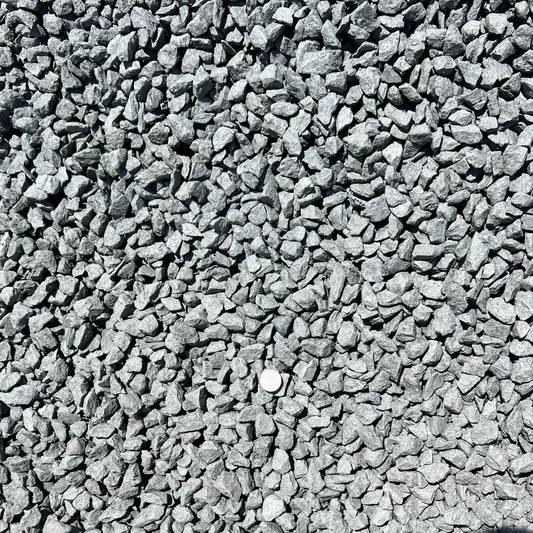
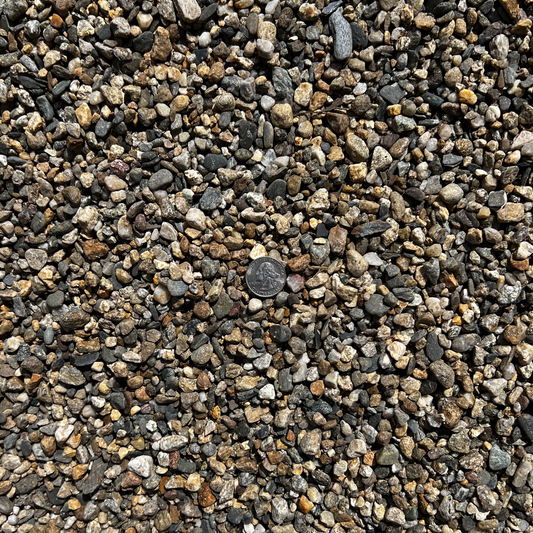
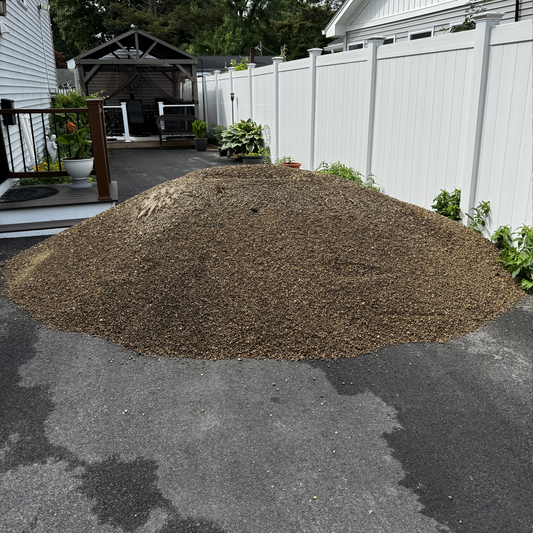
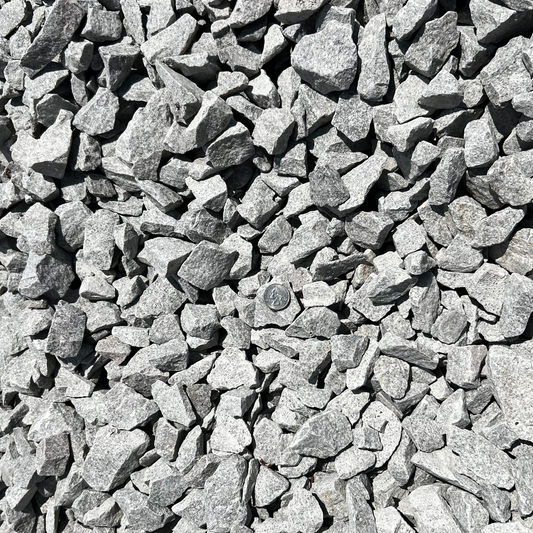
To lay out a backyard patio in a Boston lot: stake the corners square using the 3-4-5 method, run mason line at finish elevation with a ¼"-per-foot pitch away from the house, and confirm yardage before ordering base. A typical 12×16 (192 sq ft) patio at 4-inch base depth needs about 2.5 cubic yards of Dense Pack plus 0.6 cubic yards of bedding sand. The whole layout takes 2 hours with a tape, line level, and graph paper. Boston backyard lots are tight — measure twice.
Why Layout First, Materials Second
Boston backyards run small. From a Roxbury triple-decker yard to a South Boston row-house plot, most useable patio space is 150–300 sq ft. Getting layout right before ordering material is what separates a clean weekend project from a wasted yard of stone.
This guide walks the layout step by step, with the math you need to call a supplier and order Dense Pack and bedding sand the same week. Build week comes later — see How Cohasset Contractors Pre-Stage Mulch in Late February for the parallel pre-staging logic.
Tools You'll Need
- 100-foot tape measure
- Line level — a small bubble level that hangs on mason line
- Mason line or string — 50–100 feet, ideally bright yellow or pink
- Marking paint (Krylon Inverted Marker) or 12-inch landscape spikes
- Graph paper and pencil — 1 square = 1 foot for sketching
- Calculator — yardage math is unforgiving
- DigSafe call at 811 at least 72 hours before any actual digging — required by MA law
Step 1 — Choose the Patio Location
Walk the yard and pick a spot that handles four constraints:
- Door access — most Boston patios connect to a back kitchen or living-room door
- Sun and shade — south- and west-facing spots get useable sun May–September
- Drainage — the patio should slope away from the house at ¼ inch per foot
- Tree roots — stay 6 feet from any mature trunk; root damage from construction kills mature trees
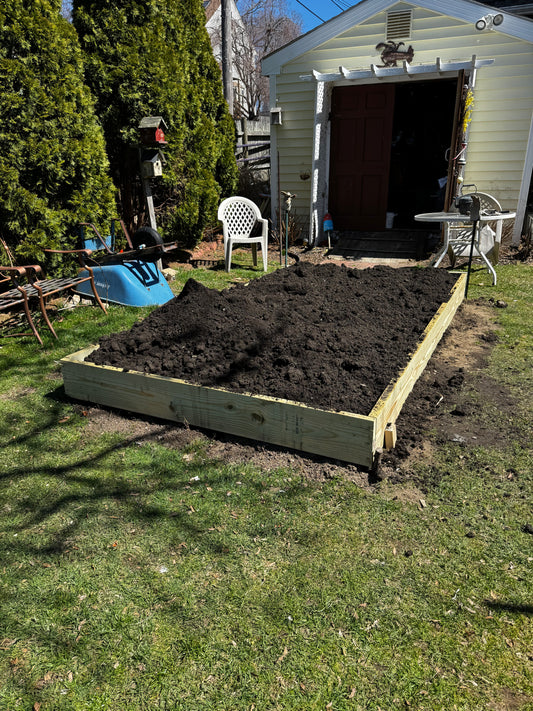
Sketch the footprint on graph paper at 1:1 scale. A 12×16 patio is 12 squares × 16 squares on standard graph paper. Mark door swings, downspouts, and any underground utilities you know about.
Step 2 — Stake the Corners with the 3-4-5 Method
Square corners are what separate a real patio from a parallelogram. Use the 3-4-5 right-triangle method:
- Drive a stake at corner A (one corner of the patio adjacent to the house)
- Measure 3 feet along the wall from A and stake corner B'
- Measure 4 feet perpendicular from A out into the yard and stake C'
- The diagonal from B' to C' should measure exactly 5 feet — if it does, the angle at A is square (90°)
- Adjust C' until the 5-foot diagonal is exact, then extend that line to your full corner
Repeat for each corner. For a 12×16 patio you stake 4 corners, each squared with the 3-4-5 check. Mark with paint or 12-inch spikes — both survive the next month of weather.
Step 3 — Run Mason Line at Finish Elevation
String mason line from corner to corner at the planned finished patio surface height — usually 1 inch below the door threshold so spring rain and snow melt drain away cleanly.
Hang a line level on the string between the house and the far corner. The level should show a slight tilt away from the house. The pitch target is ¼ inch of drop per linear foot — for a 16-foot patio, the far edge is 4 inches lower than the house edge. This drainage slope is non-negotiable.
Step 4 — Verify Slope and Drainage
Walk the perimeter with a 6-foot level and confirm the line shows a steady fall from house side to far side. If the existing yard slopes the wrong way (toward the house), you need extra excavation depth at the house side and graded fill on the far side. That's a layout you redo before ordering material.
For Boston yards near a downspout, plan a stone splash zone or French drain running off the far edge of the patio. Browse the French Drain & Drainage collection for the matching materials.
Step 5 — Calculate Base Material Yardage
The yardage formula:
Square feet × base depth in feet ÷ 27 = cubic yards
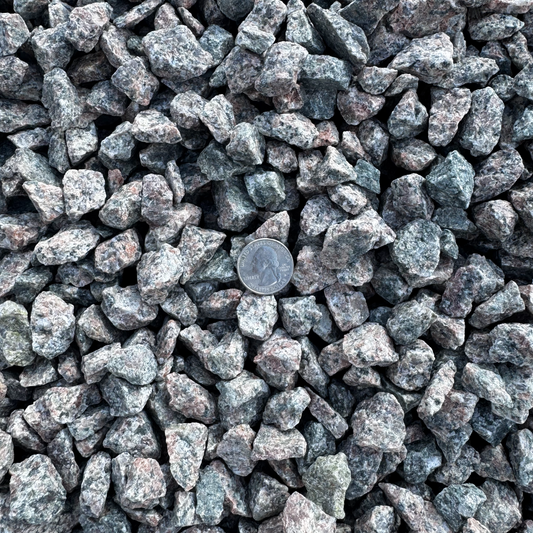
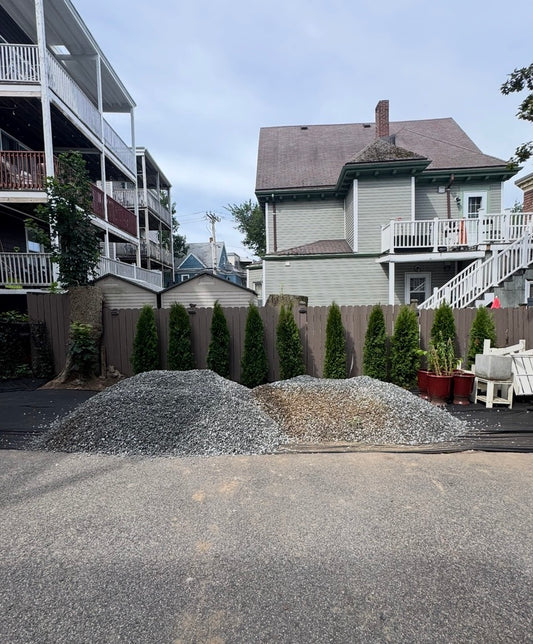
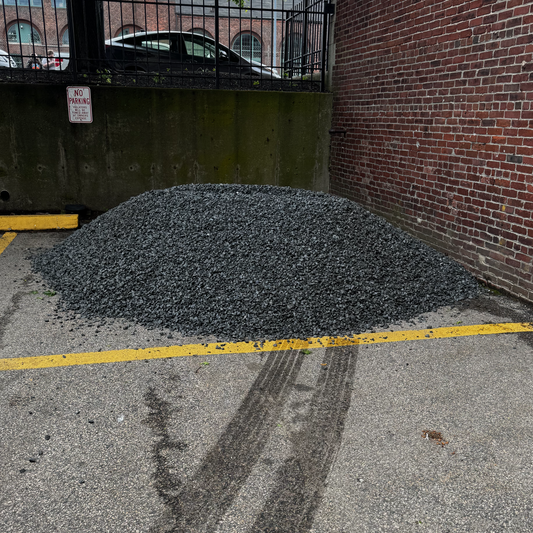
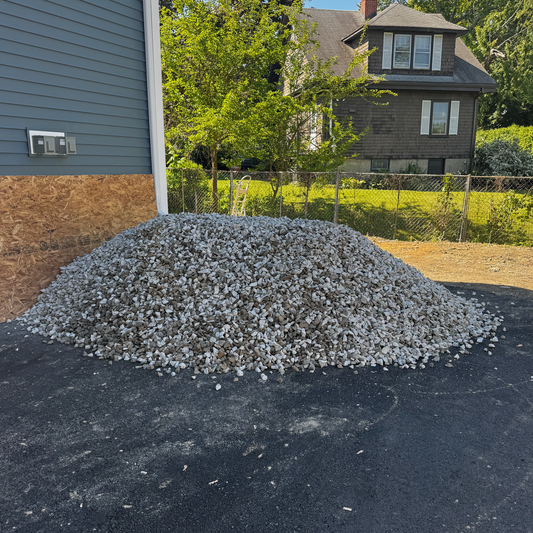
For a 12×16 (192 sq ft) patio at 4-inch (0.333 ft) base depth: - 192 × 0.333 ÷ 27 = 2.37 cubic yards of Dense Pack base - Add 10% for compaction and waste = 2.6 yards ordered
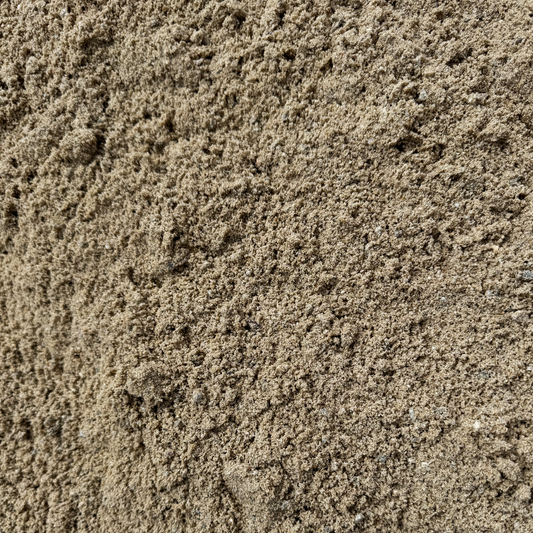
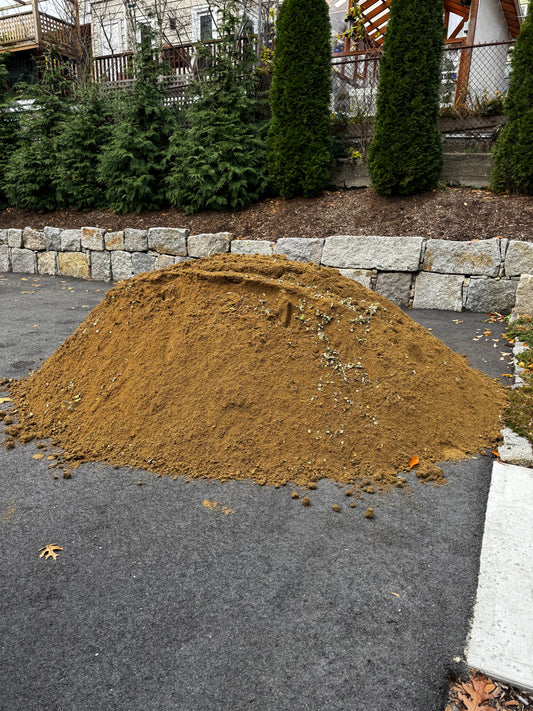
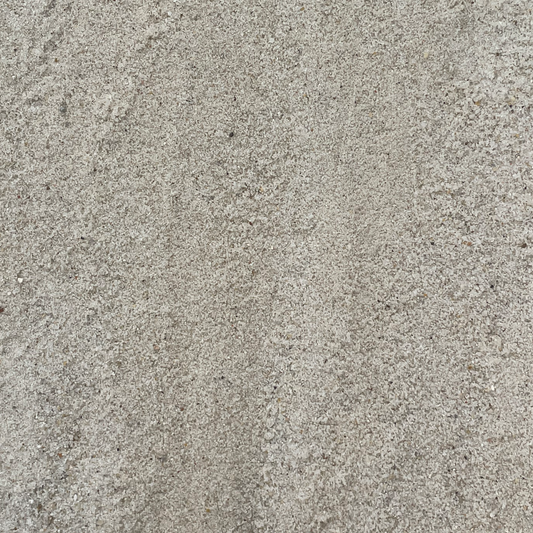
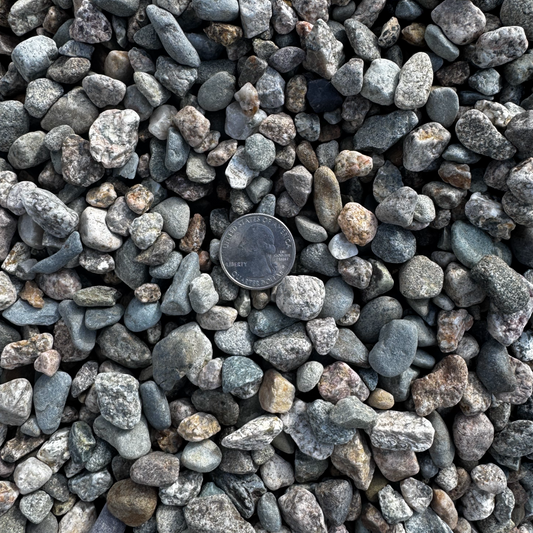
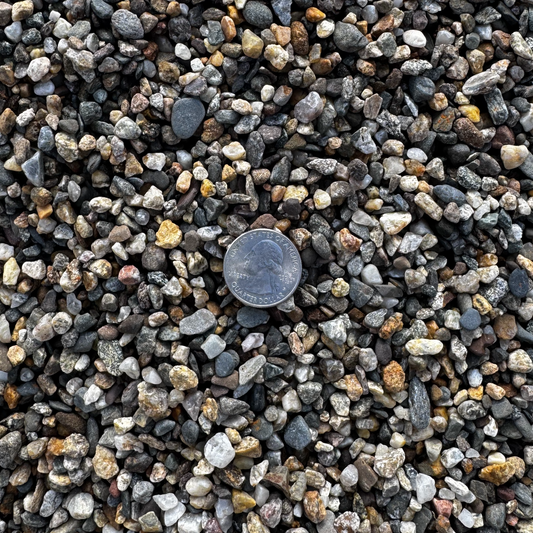
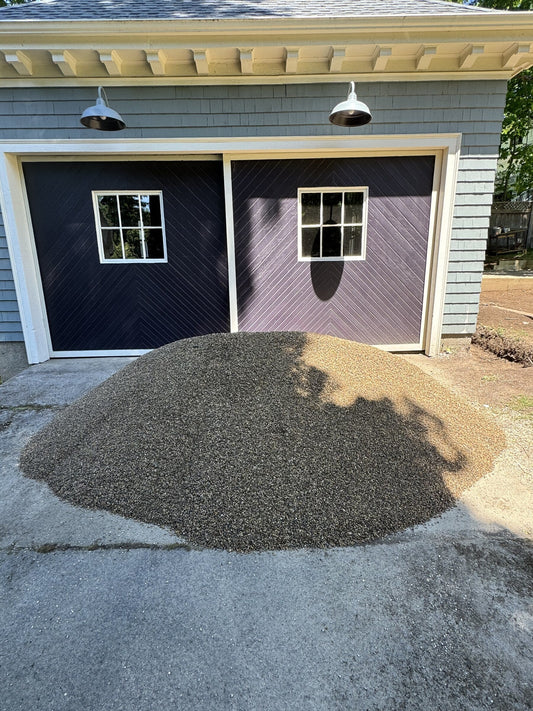
Add bedding sand at 1-inch depth: - 192 × 0.083 ÷ 27 = 0.59 cubic yards of Mason Sand or Concrete Sand - Round up to 0.75 yards ordered
Total order: 2.6 yards Dense Pack + 0.75 yards bedding sand.
Browse the Patio & Walkway Base collection for current per-yard rates and the Boston landscape supply page for delivery scheduling. For neighbor context on the late-January planning that precedes February layout, see Top 5 Plants to Prune in February in Brookline. For the Brookline cool-season grass list useful when planning lawn around the new patio, see Top 5 Cool-Season Grass Picks for Brookline. The 2026 follow-up on stone tonnage math sits at Stone Tonnage in Bridgewater.
For the residential paver design standard most Boston crews work to, the Interlocking Concrete Pavement Institute (ICPI) publishes the technical manual.