August is when grub damage announces itself in Woburn. Eggs laid earlier have hatched, larvae are feeding under the surface, and the turf above them quits — at exactly the same time drought browning peaks. That is why people reseed lawns that would have recovered on their own. Twenty minutes and a spade settles it.
Step 1: Map where the damage actually is
Walk the lot first. Drought hits the driest ground: south-facing slopes, the driveway edge, high spots, anywhere Woburn's glacial till runs thin over ledge. It spares shade and low ground. Grubs often hit the best ground — sunny, irrigated turf is where the beetles chose to lay — as irregular patches with defined edges inside green lawn.
Step 2: Run the tug test
Pull a handful of brown blades firmly. Drought-stressed grass resists — blades tear but the plant stays rooted. Dead grass lifts out with its roots. If it releases easily, keep going. Full checklist in our dormant-versus-dead guide.
Step 3: Cut a flap and peel it back
At the edge of a damaged patch, cut a square about a foot on a side, three sides only, two to three inches deep. Slide the spade under and roll the flap back like a page. Healthy or merely dry turf holds together and resists. Grub-damaged turf rolls back with no resistance at all, because the roots have been sheared off close to the crowns. That single motion is the most reliable diagnostic here.
Step 4: Count what is underneath
Check the top two inches of soil in that square foot. Grubs are C-shaped and cream coloured with a brown head. The common working threshold is roughly ten or more per square foot on otherwise healthy turf; stressed turf suffers at lower counts. Sample two or three squares and average. UMass Extension Turf publishes current thresholds for Massachusetts. Press the flap back down and step on it; it knits back in.
Step 5: Look for the animals that dig
Skunks, crows and raccoons find grubs before you do. Turf torn up overnight, conical holes, sections flipped near the treeline — secondary evidence. Drought damage never comes with digging. UMass Extension Landscape has the wider pest picture.
Step 6: Water for two weeks and watch
If steps 3 and 4 came up clean, put an inch of water a week on the lawn and wait. Drought-dormant turf greens at the base within 10 to 14 days. Grub-damaged turf will not respond, because it has no roots left to take water up. This step saves the most money.
What does each repair actually cost?
| Drought damage | Grub damage | |
|---|---|---|
| Turf still rooted? | Yes | No — peels like carpet |
| Where it shows | Dry, sunny, thin soil | Irregular patches in healthy turf |
| Responds to water | Yes, in 10–14 days | No |
| What it needs | Water and patience | Rake out, topdress, reseed |
| Material cost | $0 | Loam at $55/yd plus seed |
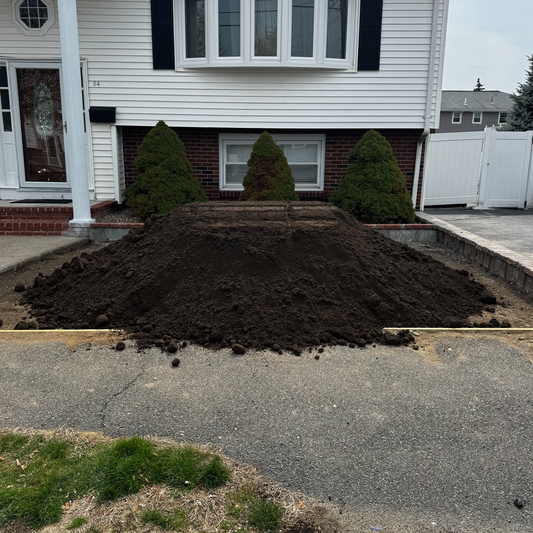
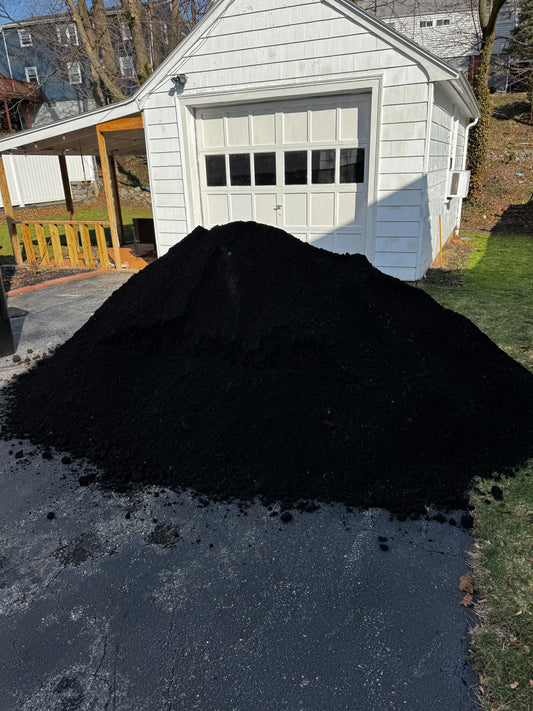
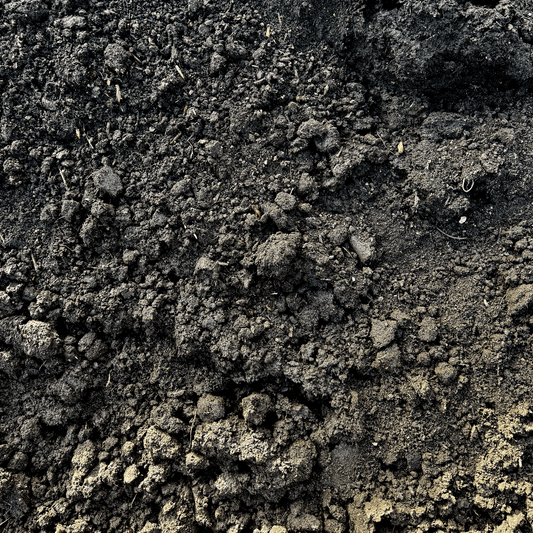
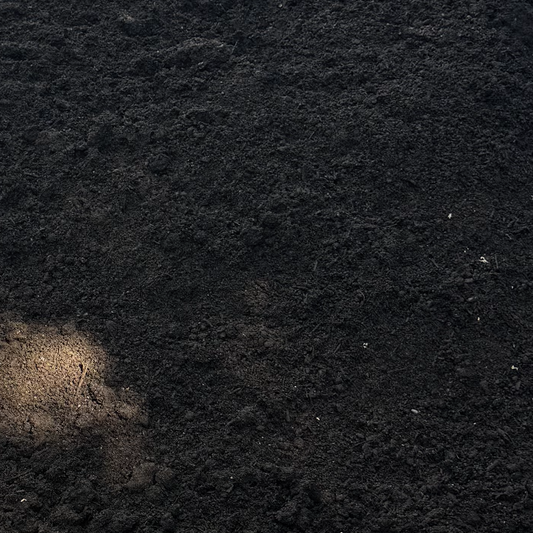
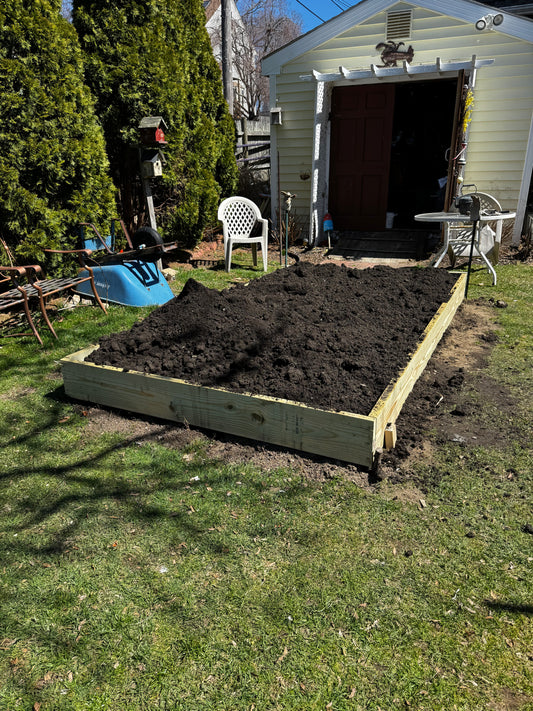
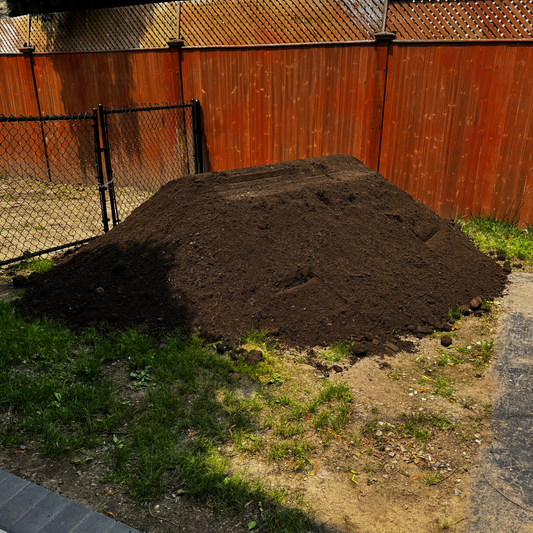
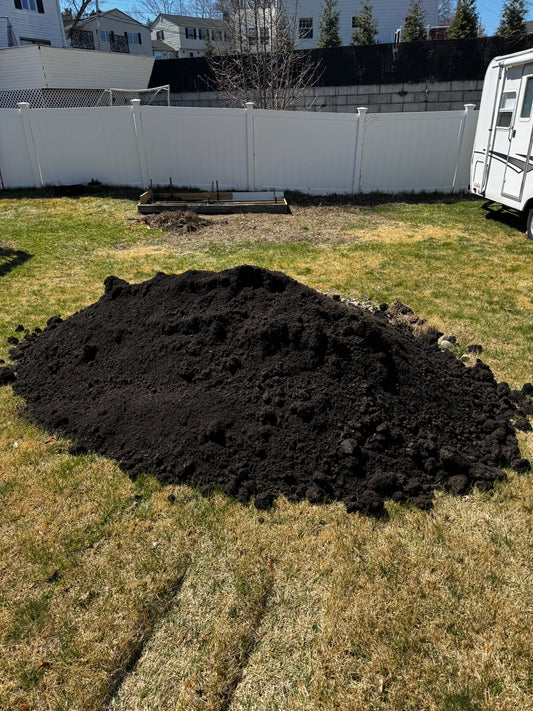
For grub-damaged areas, rake the dead turf out, spread half an inch of screened loam to give seed something to grip, and seed inside the mid-August to mid-September window — timing rules here. Yardage is (square feet × depth in inches) ÷ 324; one yard covers roughly 650 sq ft at half an inch.
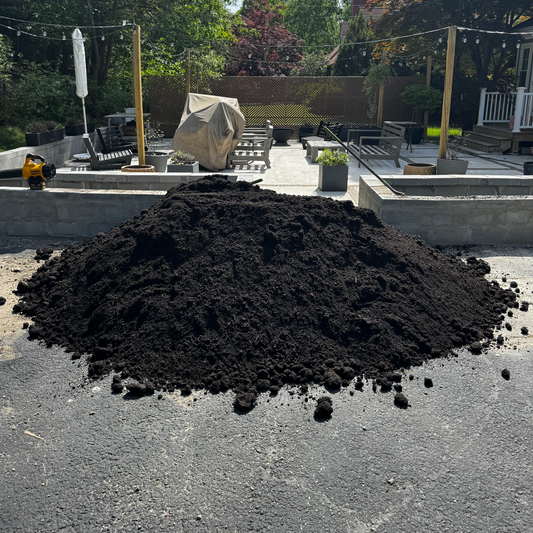
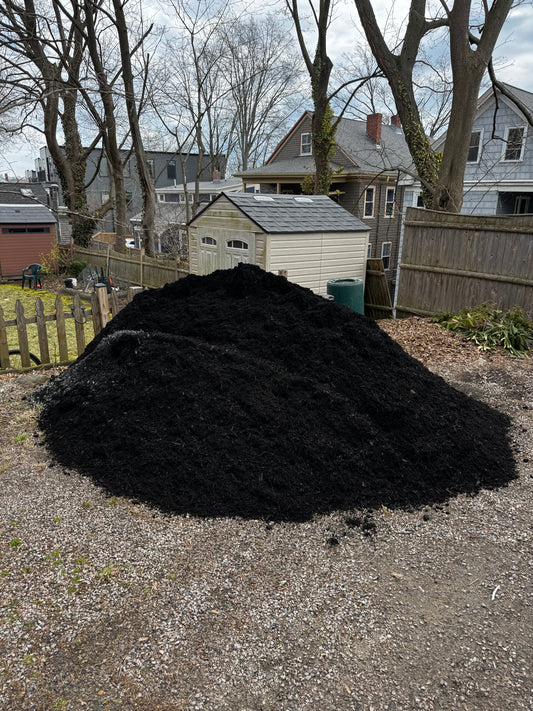
Woburn is 14.9 driving miles from our Dispatch Office in Dorchester, inside the 30-mile flat zone, so delivery is $100 per load. Soil caps at 6 cubic yards per trip and loads are counted per line item — loam and compost together is two loads and $200.
Common Woburn grub questions
Should I treat for grubs in August?
Curative options exist but timing is narrow and larvae are large by late August. Check current UMass guidance, and only treat if your counts justify it.
Can I seed the damaged patches right away?
Yes, once the grub population is handled. Seeding into ground still being fed on wastes the seed.
How much loam for a few scattered patches?
Add the patch areas together first. Most Woburn yards land under one cubic yard. No minimum order, though one yard still carries the full $100 delivery.
Price the repair on the lawn levelling and repair collection, the soil range or the Woburn landscape supply page, or text (617) 286-2740 with your square footage.