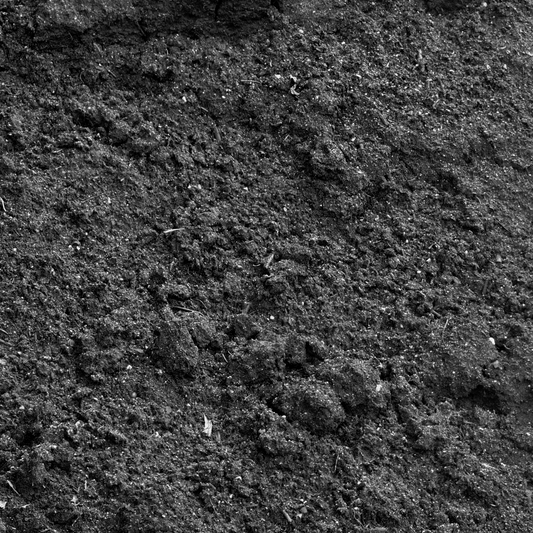
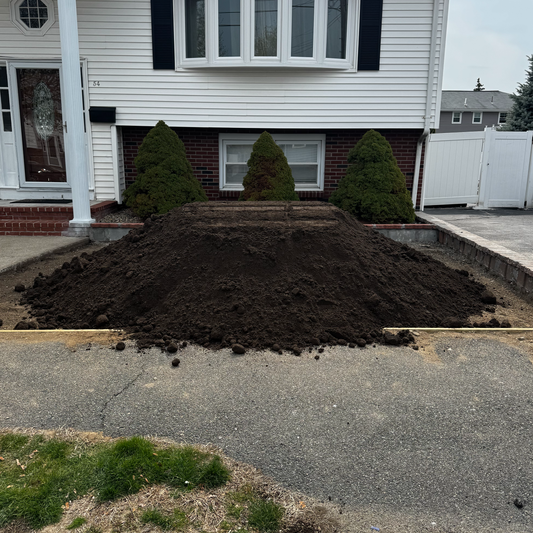
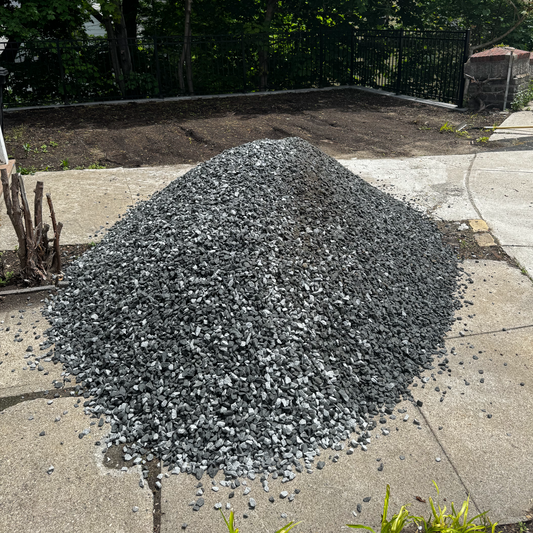
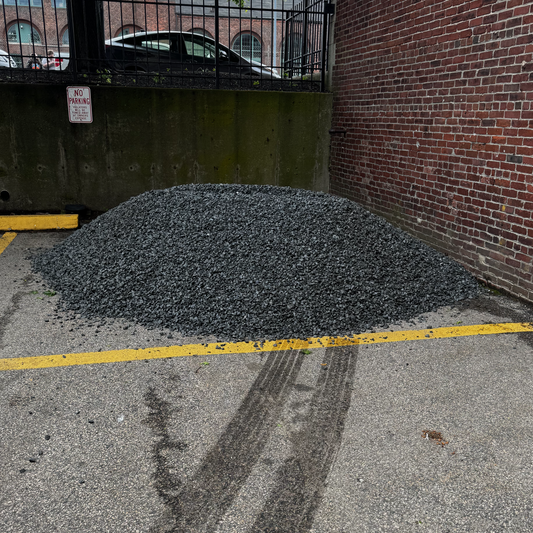
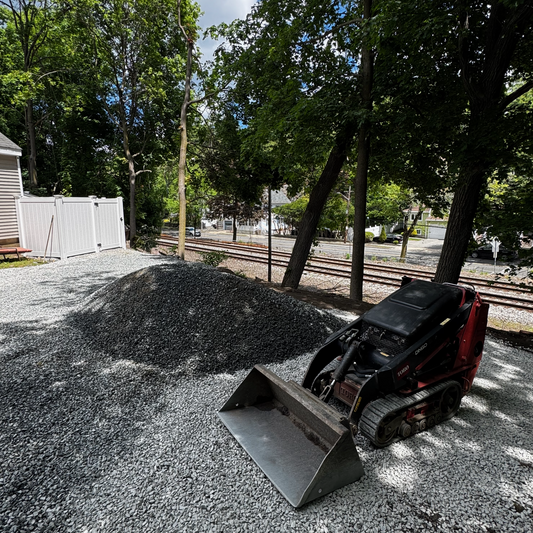
A puddle in the same tire track after every rain tells you something. The driveway may be too low, its edge may be trapping water, or the supporting ground may be soft. Covering the puddle with new stone hides the clue without necessarily solving the problem.
An Essex County winter prep walk should include the driveway after rain. Photograph the wet areas, note how long they persist, and mark where water enters.
Where is the water coming from?
Check downspouts, the uphill side of the driveway, adjacent paved areas, and blocked surface outlets. Look for leaf buildup along the edges and gravel pushed into a ridge by past maintenance.
Do not redirect water toward a neighbor, foundation, public road, or sensitive area. If the route out is unclear, get help with the drainage layout rather than improvising a trench.
What can you correct before adding gravel?
Small housekeeping tasks may reveal the actual surface: remove leaves, clear existing outlets that you are responsible for maintaining, and expose buried edges.
Then inspect the driveway structure. Localized depressions can require excavation and rebuilding. A broad rut or recurring soft section can indicate a deeper problem. Our North Andover side-yard drainage article offers related background..
Which aggregate fits the repair?
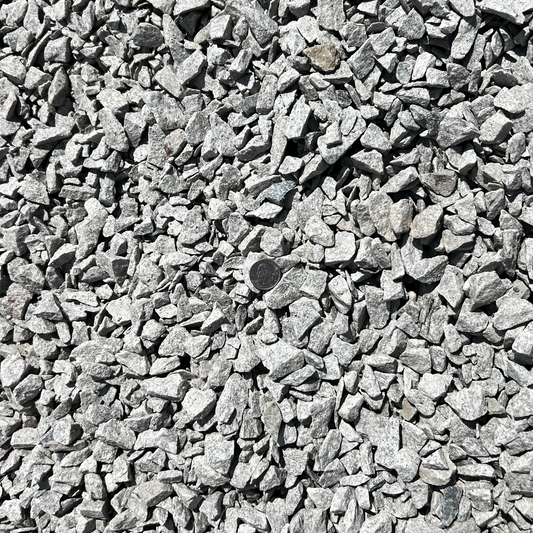
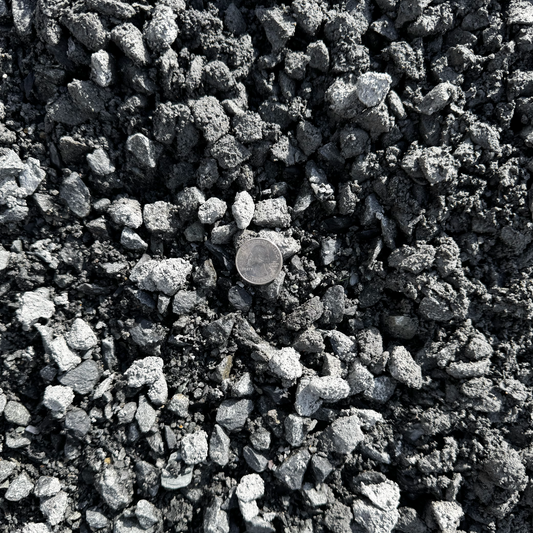
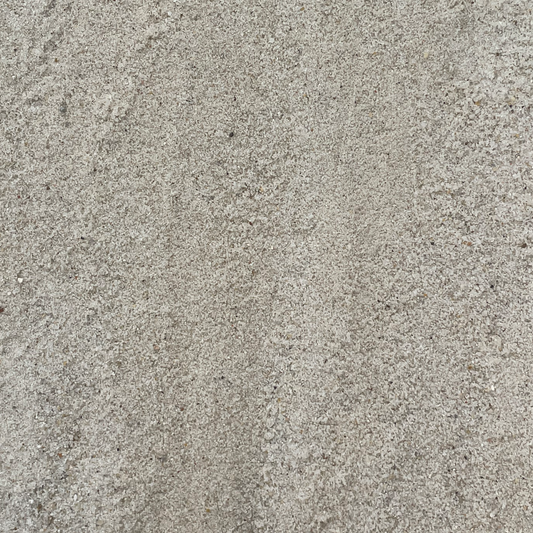
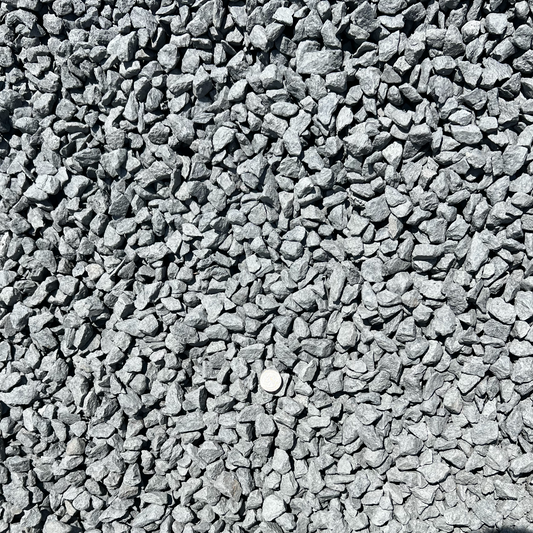
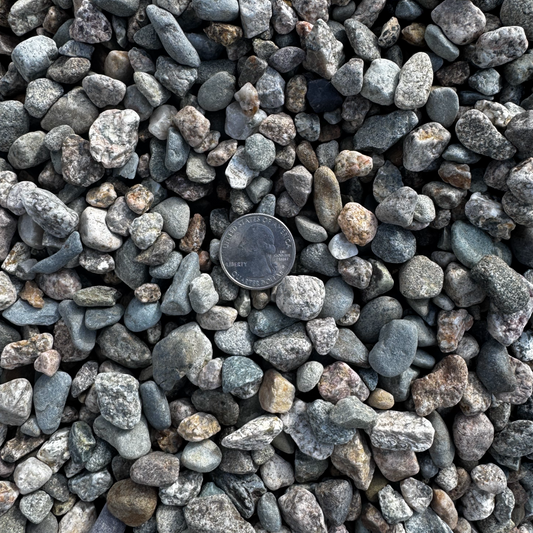
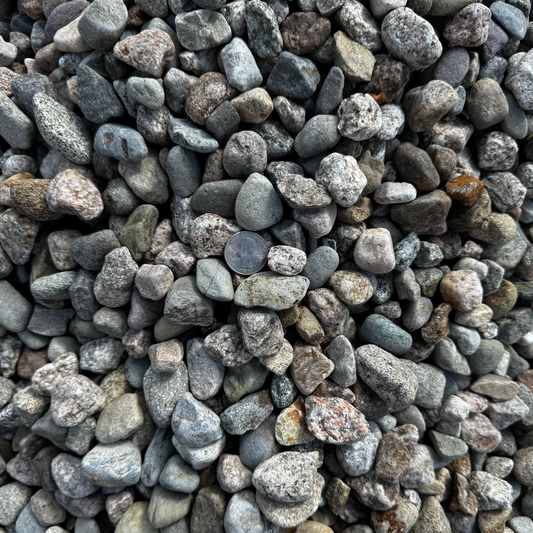
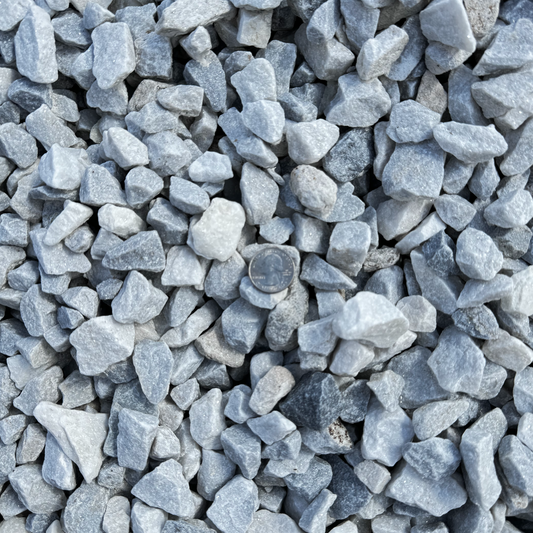
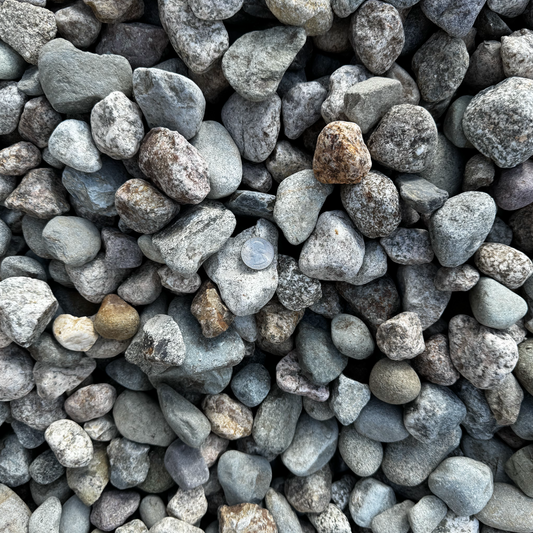
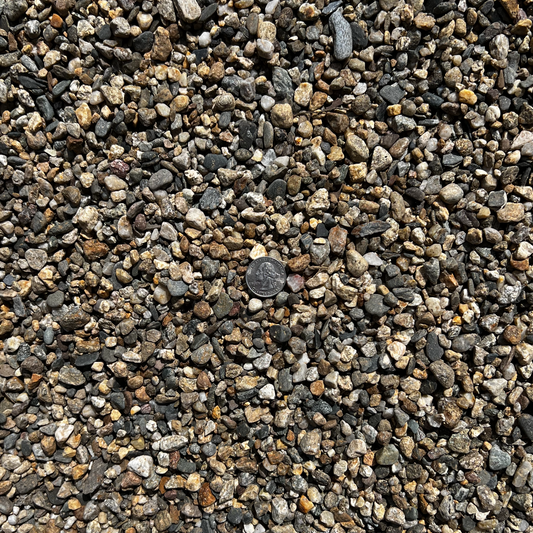
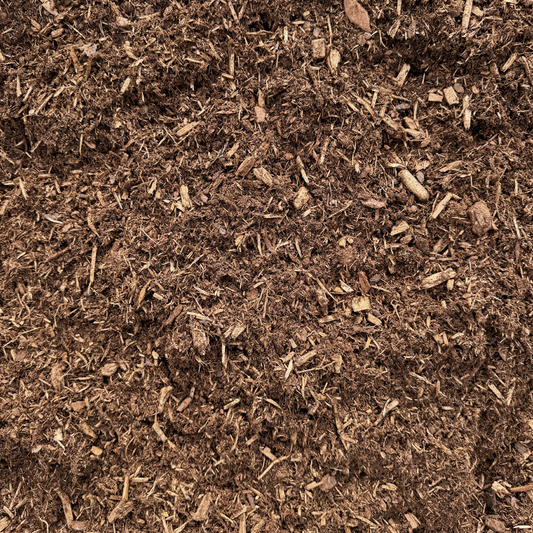
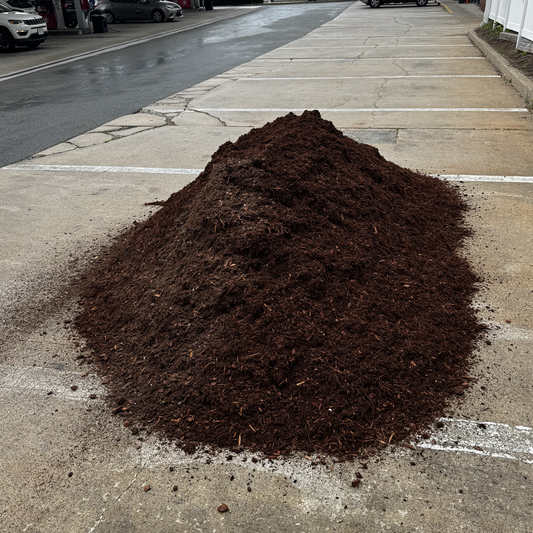
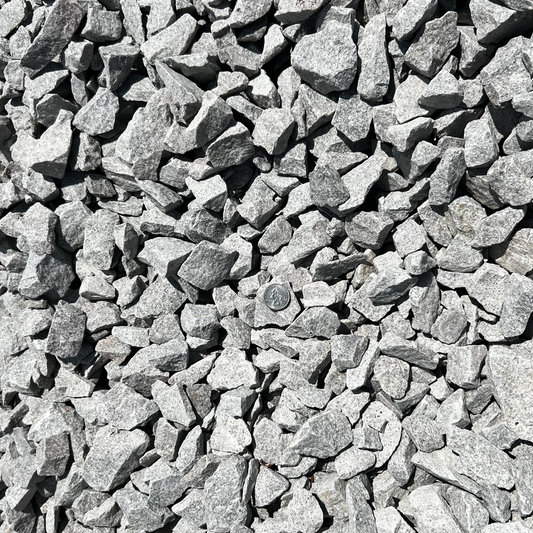
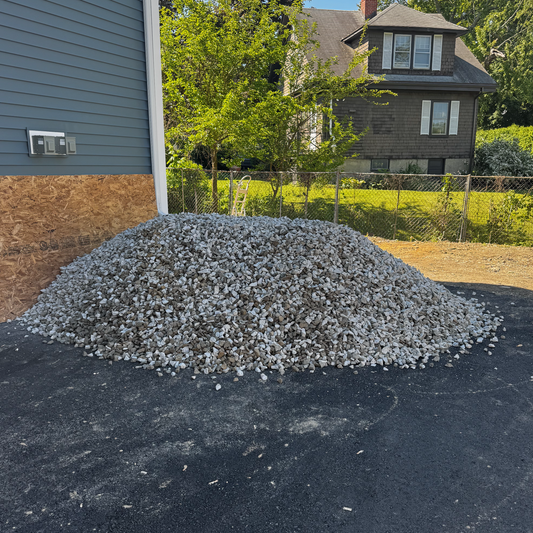
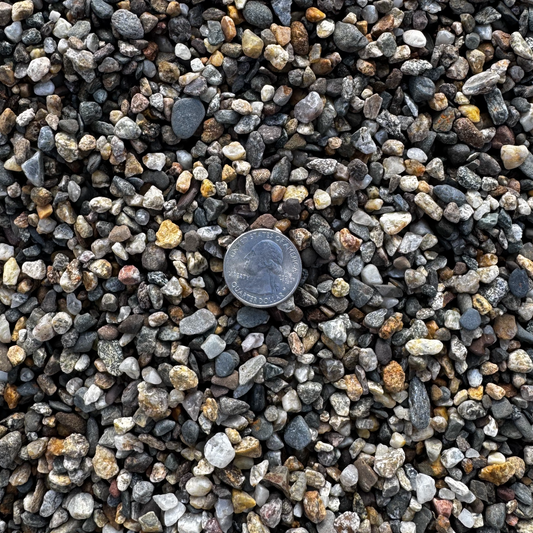
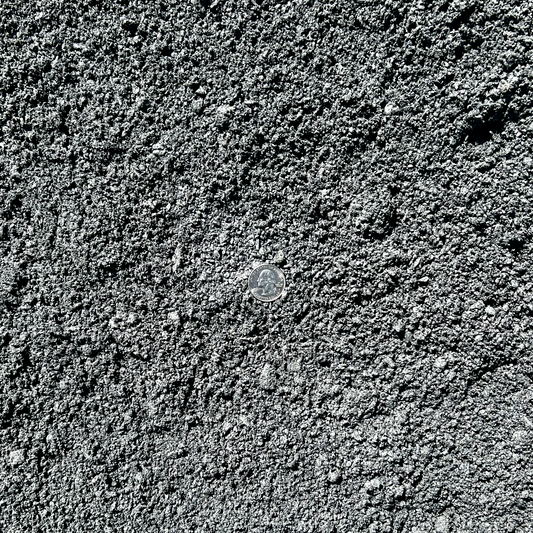
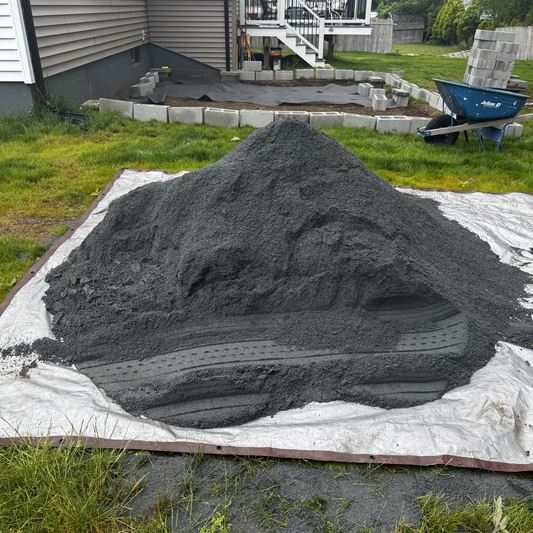
A compactable base and drainage stone are not interchangeable. Dense Pack ¾-inch to minus is intended for compacted support. Clean stone has a different role in a properly designed drainage assembly.
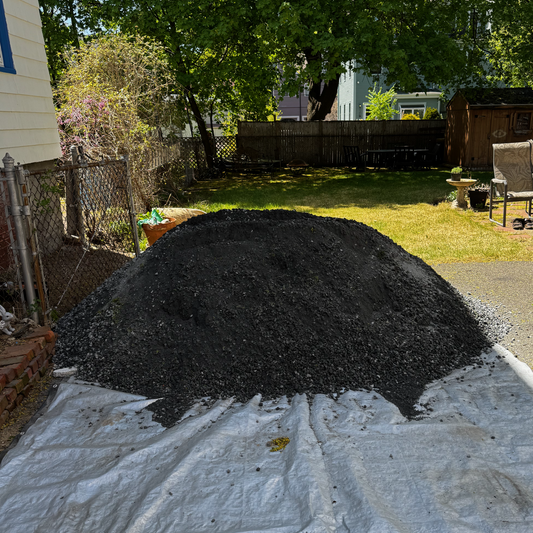
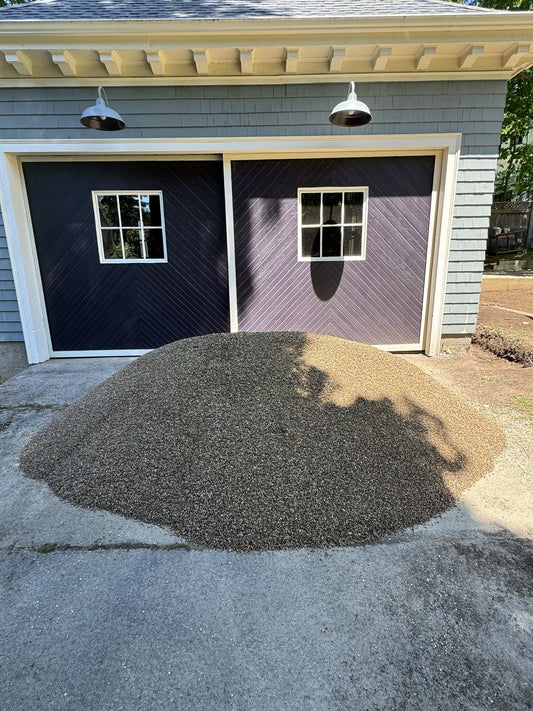
Compare the base material collection and crushed stone collection before choosing. Describe the failure rather than asking only for “a load of gravel.”
How do you decide the quantity?
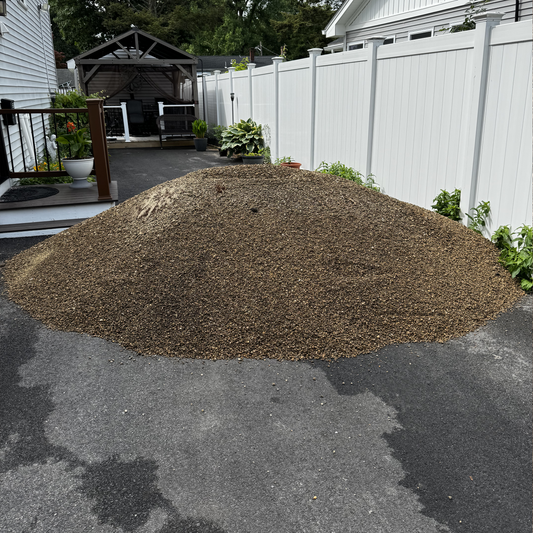
Measure each repair zone and depth after identifying the failed material. Keep structural repair volume separate from an optional finish refresh. A thin top coat over the whole driveway should not be used to estimate the excavation for deep ruts.
The FHWA guide to correcting drainage features explains why maintained outlets are part of keeping a travel route working.
Once the repair is finished, inspect it after another rain. Mark the driveway edges and choose winter treatment for the actual surface. Start your material selection with driveway gravel, and add winter salt planning to the same October checklist.
Frequently asked questions
Will clean stone solve every puddle?
No. Water needs an appropriate route out, and the base may also need repair.
Should I top up a saturated rut?
Investigate the soft material and drainage first. A surface top-up can hide an ongoing failure.
Can salt fix the drainage problem later?
No. Winter treatment does not repair the low spot or create a drainage outlet.