Quick Answer
The first day of spring (March 20-21) hits Massachusetts with soil temperatures still in the 40s - too cold for grass seed, fertilizer, or active lawn work. The right roadmap from March 21 forward: submit a soil test now, hand-rake debris, scout salt damage, plan overseeding mixes, and order top-dressing materials. Active work (aeration, dethatching, overseeding, top-dressing) starts April 1-15 across most of MA, with Cape Cod and Boston metro running 5-7 days earlier than Worcester and the Berkshires.
What Changed Across MA This Week
Three statewide signals at the spring equinox:
- Soil temperatures clearing 40F at 4-inch depth across eastern MA. Western MA still in the high 30s.
- Snowpack gone in all but the highest elevations. The 2024-25 winter was below-average snowfall - lawns came through with less plow damage than 2023-24.
- Salt damage visible along curb edges across Greater Boston. Worse in towns that ran heavy treated salt (Newton, Brookline, Wellesley).
The Statewide Recovery Calendar
| Region | Soil at 50F | Active work window |
|---|---|---|
| Cape Cod, South Coast | March 28-April 5 | April 5-25 |
| Greater Boston | April 1-8 | April 8-25 |
| Plymouth County | April 3-10 | April 10-28 |
| Worcester County | April 8-15 | April 15-30 |
| Berkshires | April 15-22 | April 22-May 7 |
The 2-3 week spread across MA matters - what works in Hingham on April 8 doesn't work in Pittsfield until April 22.
Step 1 (March 21-31) - Setup Tasks
For the full first-day setup walk-through specific to a Bridgewater lawn, 5 First-Day-of-Spring Tasks for Bridgewater Lawns covers the five tasks that port to any MA lawn.
The five setup tasks:
- Submit a UMass soil test. $20 mailer, 2-3 weeks turnaround. The single most valuable spring investment.
- Hand-rake winter debris. No power equipment yet.
- Scout salt damage. Mark with garden flags.
- Plan overseeding seed mix. Fescue/bluegrass/ryegrass blends.
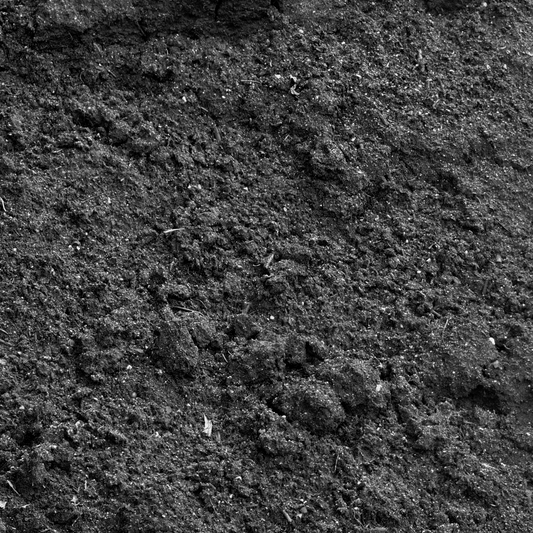
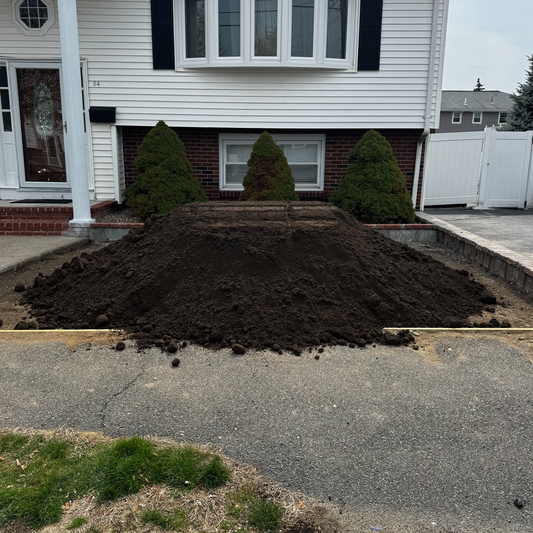
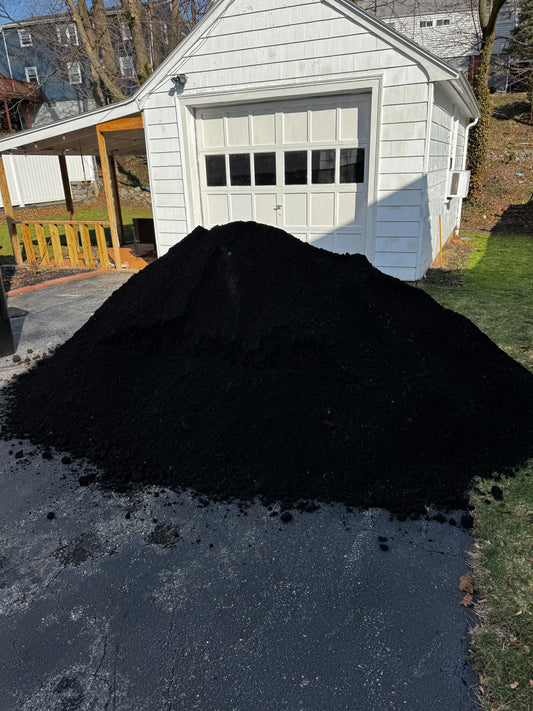
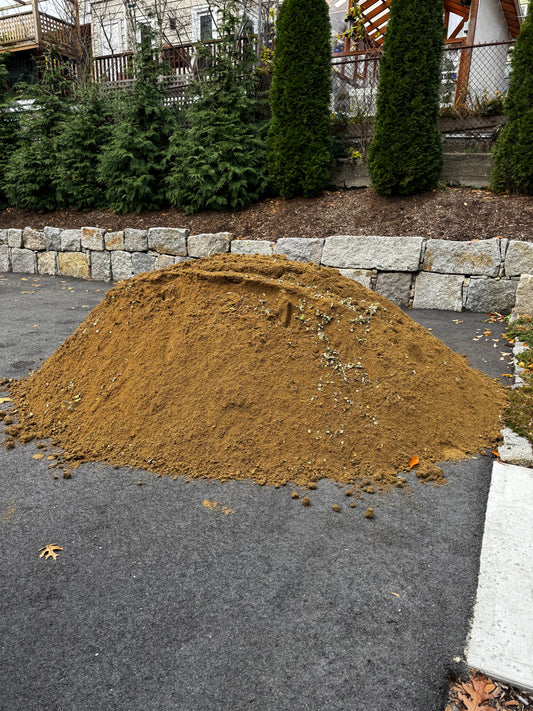
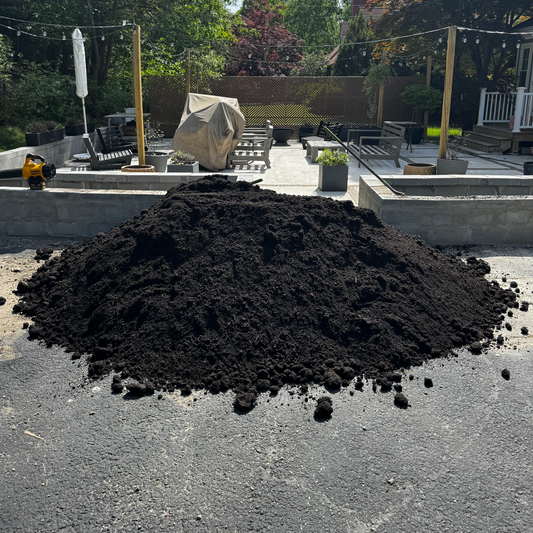
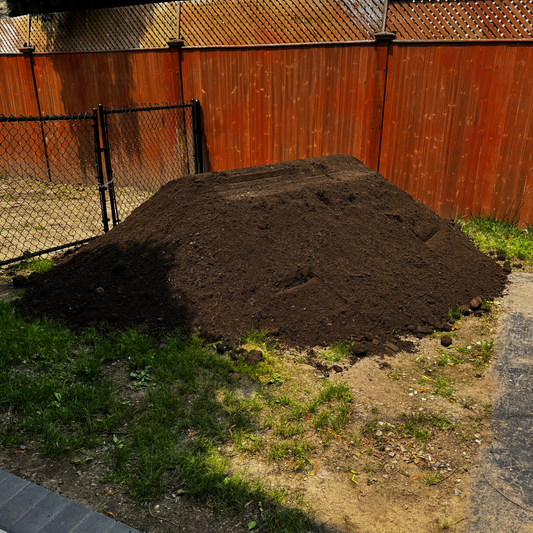
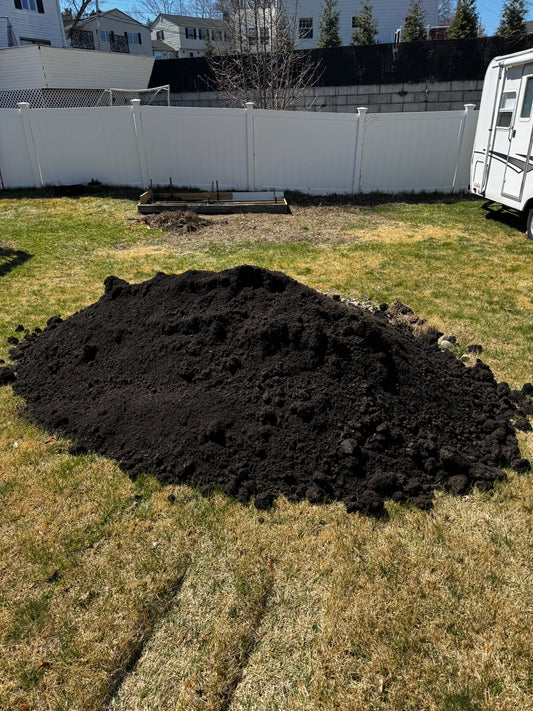
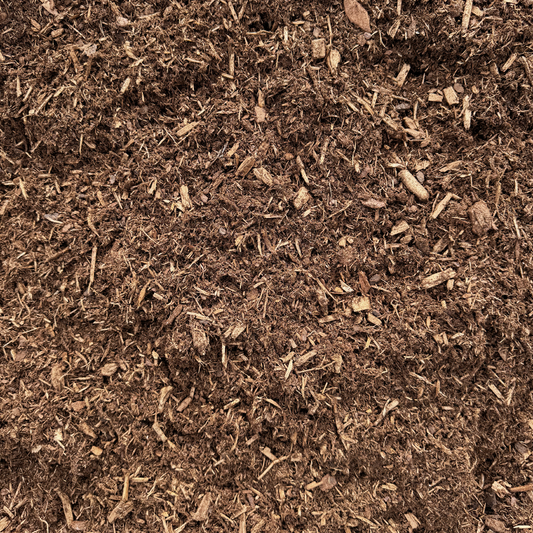
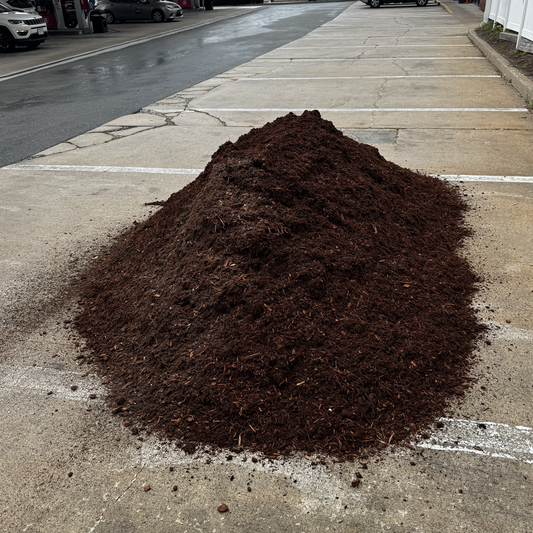
- Order top-dressing materials. Compost, screened loam, or sand-compost mix.
Don't apply fertilizer yet. Don't seed yet. Don't apply pre-emergent yet.
Step 2 (April 1-20) - Active Recovery Work
The April 1-20 window is when active work starts across most of eastern MA. The right sequence:
- Aerate. Core aerator pulls plugs from the lawn.
- Overseed. Plug holes catch seed at high contact rates.
- Top-dress. 1/4 inch compost over the seeded surface.
- Water through germination. 7-21 days at light frequency.
For the full how-to walk-through, How to Aerate and Dethatch a Norfolk County Lawn in Early Spring covers the technique and timing.
Step 3 (April 20 - May 5) - Establish
Once the seeded lawn germinates, the establish phase is:
- Water 1 inch per week.
- First mow when grass reaches 4 inches; cut to 3 inches.
- No herbicide for 60 days after seeding.
- Spot-feed bare patches if growth is slow.
Regional Variations
Cape Cod and South Coast: Sandy soil warms fast. Start a week earlier than the eastern MA standard. Watch for salt damage from coastal storms - sandy soils retain less salt but show damage in different patterns than inland clay.
Greater Boston (Boston metro, Brookline, Cambridge, Somerville): Standard timing. Watch for salt damage along major roads - heavy treated salt application in 2024-25.
Plymouth County (Plymouth, Brockton, Halifax, Hanover): Standard timing. Mixed clay and sandy soil. The Brockton-Plymouth-Hanover lots tend to need more aeration than Cape lots.
Worcester County: Push everything 1 week later. Snowpack lingers, soil warms slowly.
Berkshires: Push everything 2 weeks later. Spring genuinely arrives in early-mid May at higher elevations.
For the broader regional reference, the 2026 Boston last frost walk-through covers the spring planting calendar that pairs with lawn establishment.
What's Driving 2025 Demand
Three trends visible across the spring delivery routes:
- Lawn renovation demand up modestly. Ottr's lawn-leveling-repair material orders running 8-10% above 2024 same-week. Driven primarily by 2024 drought damage carryover.
- Compost demand up sharply. Up 25%+ on bulk compost orders, reflecting both lawn top-dressing demand and raised-bed expansion.
- Salt-damage repair seed orders early. Homeowners ordering seed mix in late March (instead of April) reflects awareness of salt damage from a heavier-than-usual treated-salt winter.
Material Reference
For lawn recovery work across MA:
- Compost - top-dressing, seed coverage, soil organic matter.
- Screened loam - bare patch fill before seeding.
- Sand-and-compost mix - low-spot leveling.
- Grass seed - check at local sources; Ottr does not stock seed but works with several regional partners.
Browse the lawn-leveling-repair collection for current pricing on top-dressing materials.
For the broader yardage math when ordering materials, How Many Cubic Yards of Mulch for a Lexington 200 sq ft Bed? covers the formula that ports directly to lawn top-dressing volume calculations.
What This Means for Homeowners
Right now (March 21): Submit the soil test. Order materials. Do nothing active.
April 1 (eastern MA), April 8 (central), April 15 (western): Begin active work.
By May 1: Most overseeded lawns are establishing. Continue light watering through May 15.
What This Means for Contractors
Right now: Spring routes are filling. Most crews are committing to specific neighborhoods for specific weeks.
April 1: Active execution week 1. Highest billable volume of the spring.
April 15: Last clean window for new client adds. May adds run a labor premium.
For the broader contractor crew reference, the 2026 Brockton contractor crew logistics walk-through covers the multi-stop routing.
For the broader regional reference on cool-season lawn management, the UMass Extension Turf Program is the authoritative source.
The short version: first day of spring is a setup day, not a work day. Test soil, plan, order, wait. Active work starts April 1 (eastern MA), April 8 (central), April 15 (western). Massachusetts lawns reward homeowners who match the work to the soil temperature.