Why does a fire pit on bare soil fail so fast?
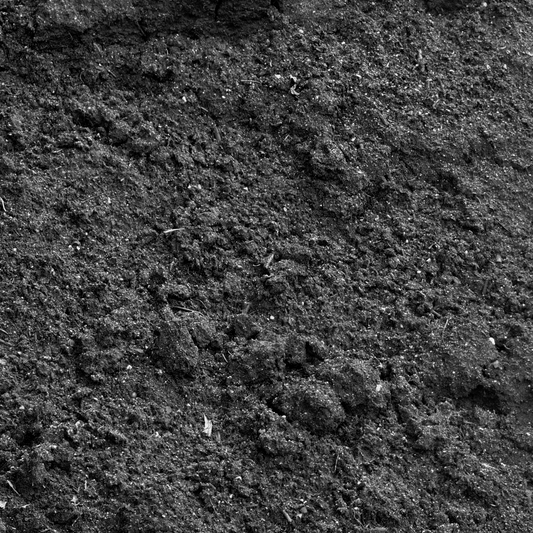
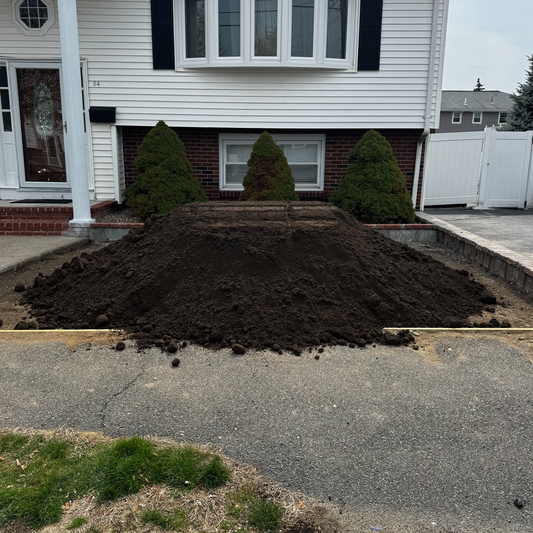
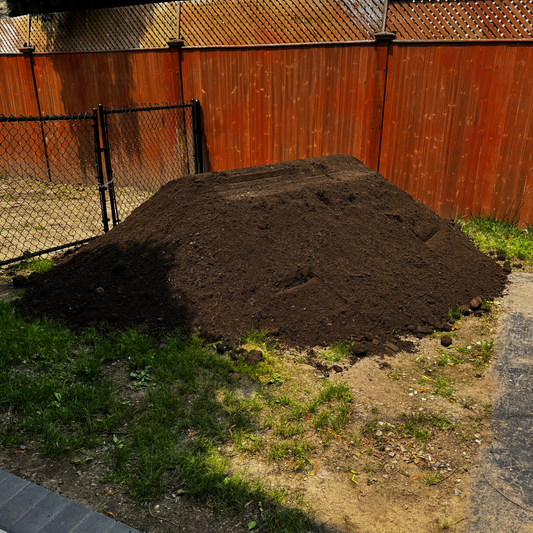
Soil holds water, water freezes and expands, and whatever sits on top lifts unevenly — so a pit level in June is tilted by April. Braintree makes it worse in places: much of the town sits on glacial till, dense and slow-draining, and toward Braintree Highlands and the Blue Hills edge you can hit ledge a foot or two down. Water does not soak away there, it sits.
What are the setback rules in Massachusetts?
Recreational fires are regulated locally under state fire regulations. Clearance from structures and property lines, permits, and whether wood-burning is allowed on your lot at all are set by your fire department — Braintree Fire will tell you in one call. Start with the Massachusetts Department of Fire Services, then confirm local numbers with the town.
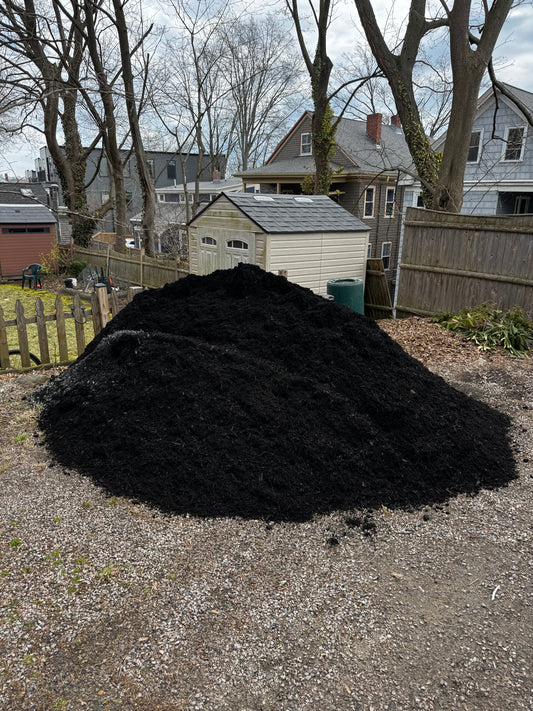
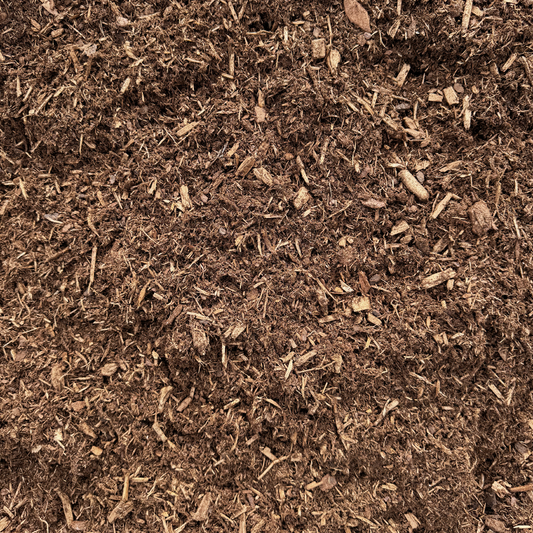
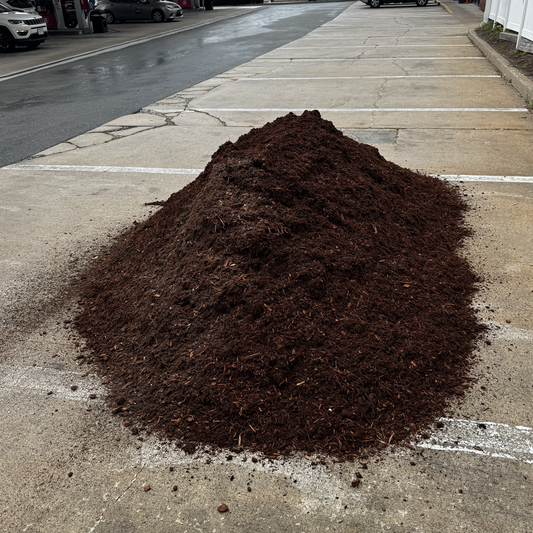
Two rules hold everywhere: nothing overhead, nothing combustible at the pad edge. Wood mulch is fuel, so make the pad wider than feels necessary and keep beds back — the mulch top-off rules keep them thin.
Which stone goes where?
| Layer | Material | Depth | Why |
|---|---|---|---|
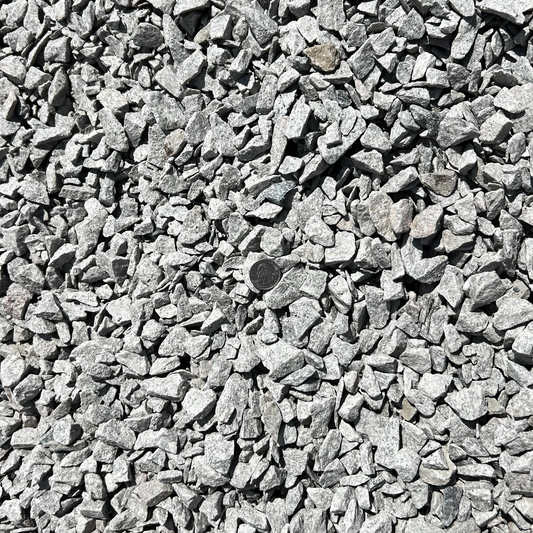
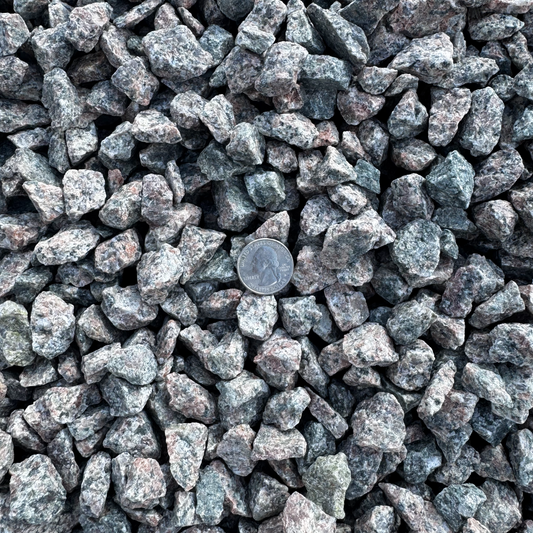
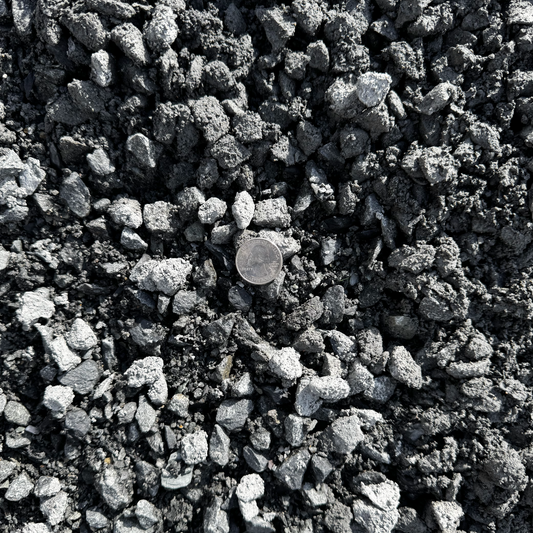
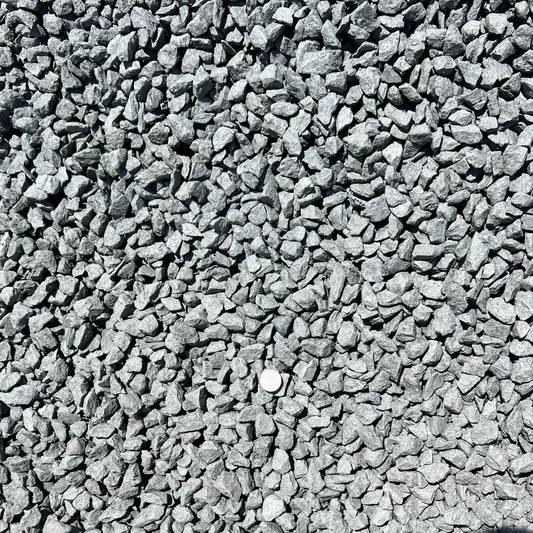
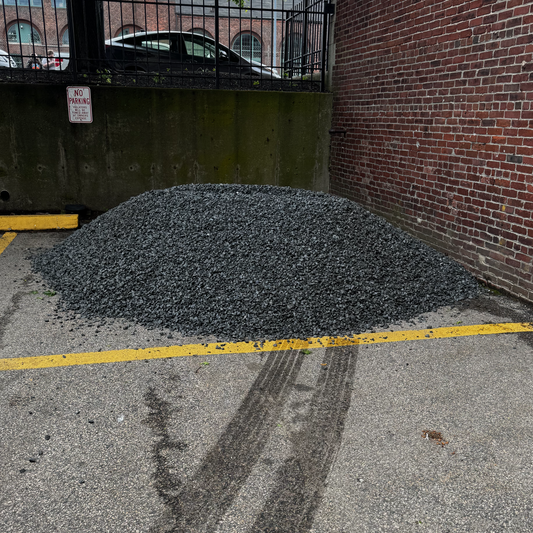
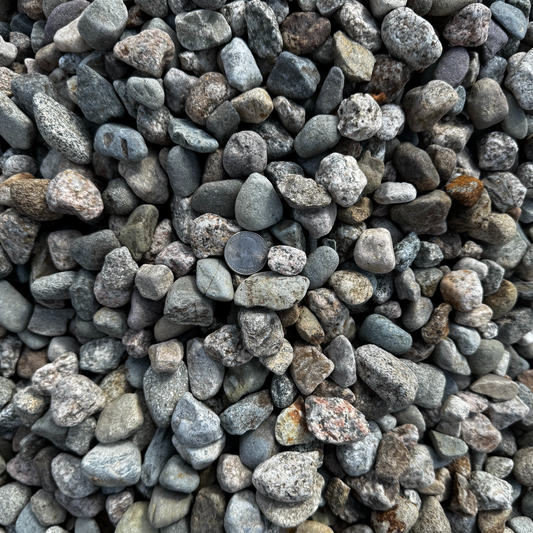
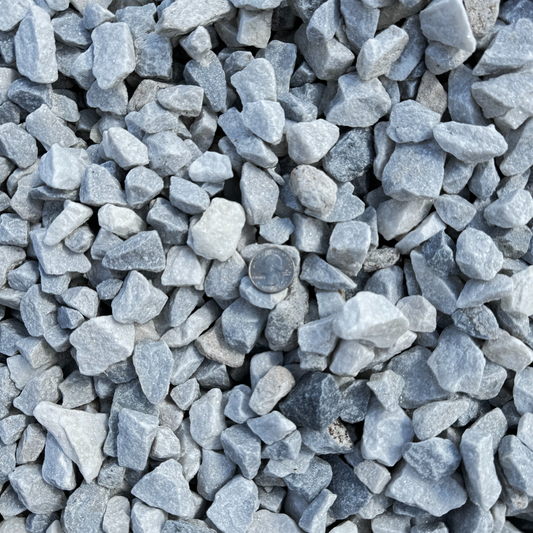
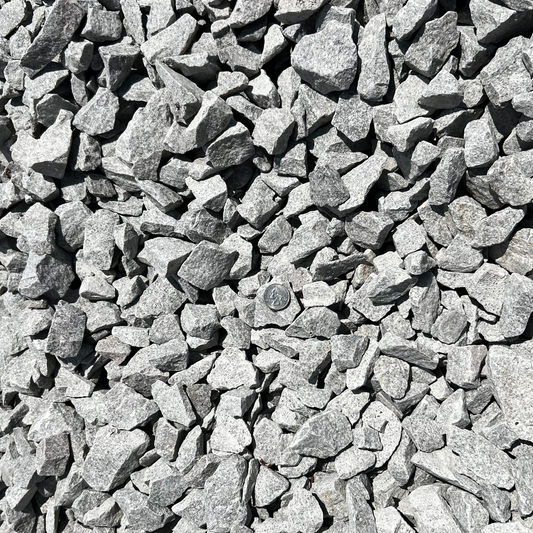
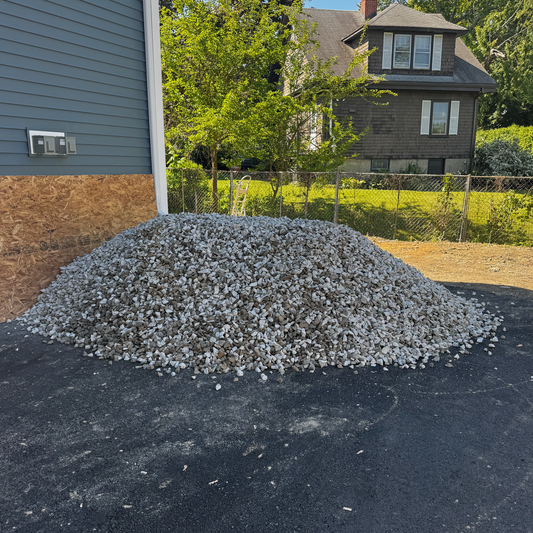
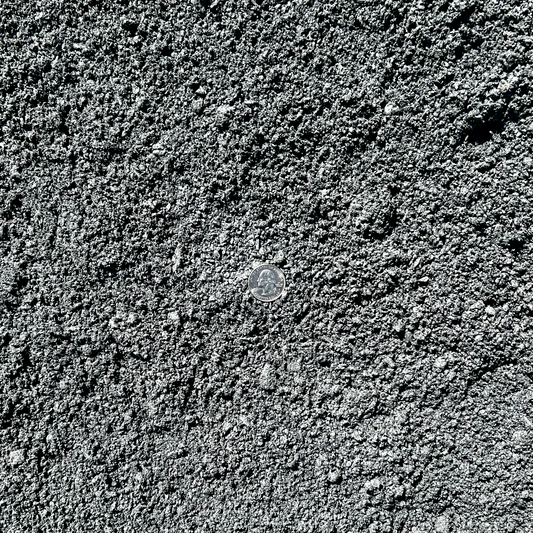
| Base | Dense Pack 3/4 in to minus, $76/yd | 5 to 6 in compacted | Crushed granite with fines — holds grade |
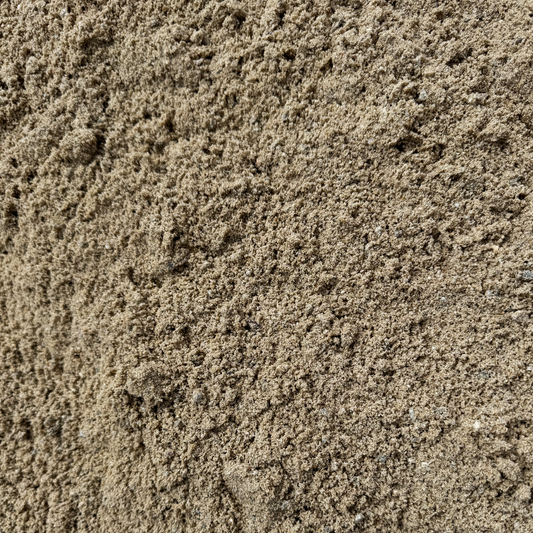
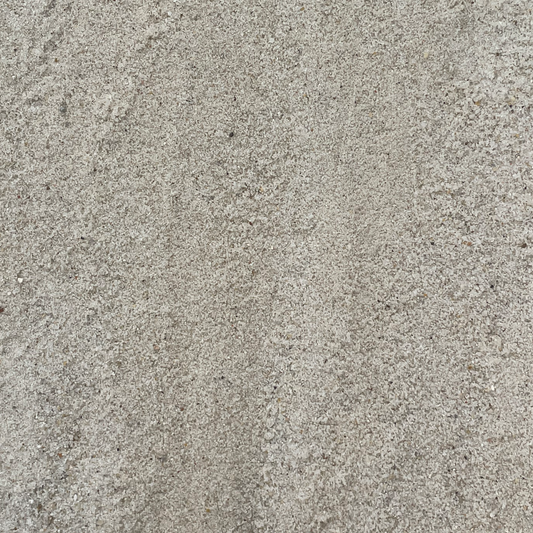
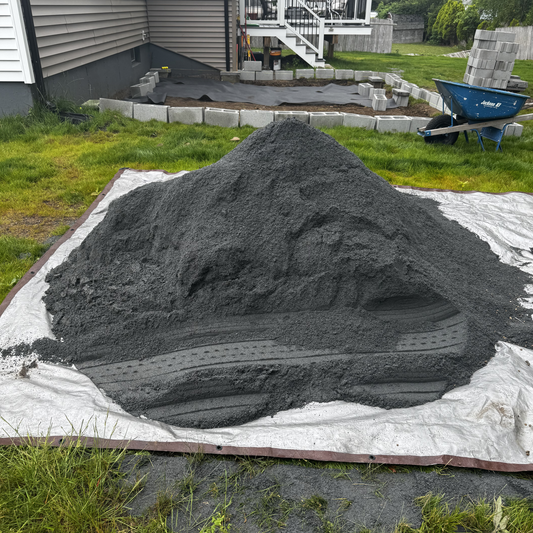
| Setting bed under pavers | Paver Sand, $60/yd | 1 in uniform | Coarse and sharp; will not consolidate |
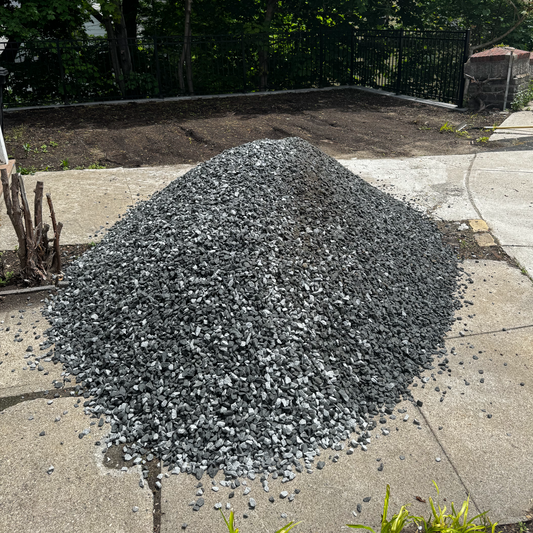
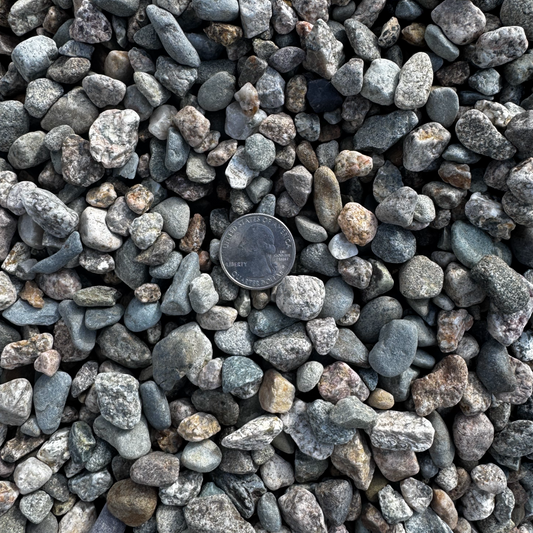
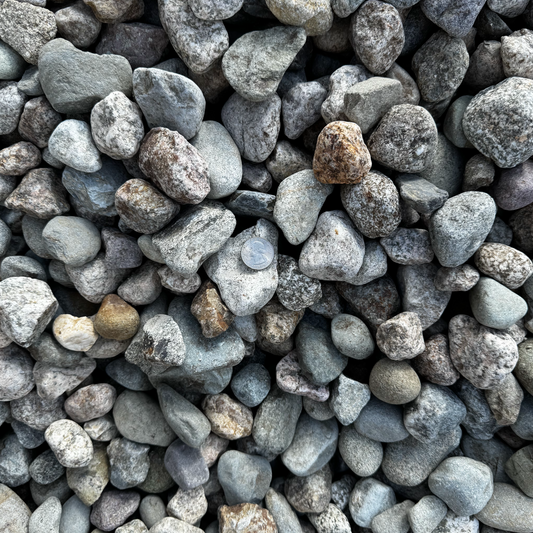
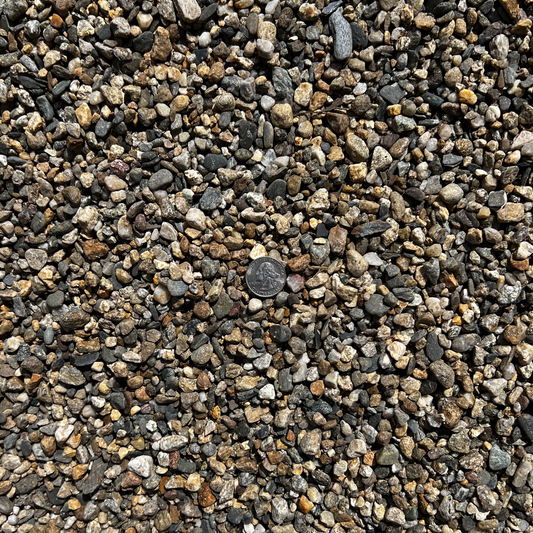
| Loose stone surface | Riverbed 3/8 in (Pea Stone), $97.50/yd | 2 in | Drains, sweeps clean of ash |
One safety note: do not line the inside of the pit with round riverbed stone. Water-worn stone holds moisture, and moisture that turns to steam under heat can crack it. River stone belongs on the pad around the fire — use fire brick or a steel insert for the ring. See decorative stone, patio and walkway base, or Braintree landscape supply.
How do I build it level?
- Lay out the pad. A pit 36 to 44 inches across wants roughly 10 by 10 feet of clearance.
- Excavate 8 inches with square sides. On till you will be prying stones out.
- Compact the subgrade, then lay geotextile if the bottom is soft or silty.
- Place the base in two lifts of about 3 inches, each compacted in overlapping passes.
- Pitch it an eighth of an inch per foot away from the house, or the pad becomes a basin.
- Finish and edge it. Screed 1 inch of paver sand and set pavers, or spread 2 inches of pea stone, then restrain the edge — loose stone migrates without a border. ICPI has the details.
How many yards, and what will delivery run?
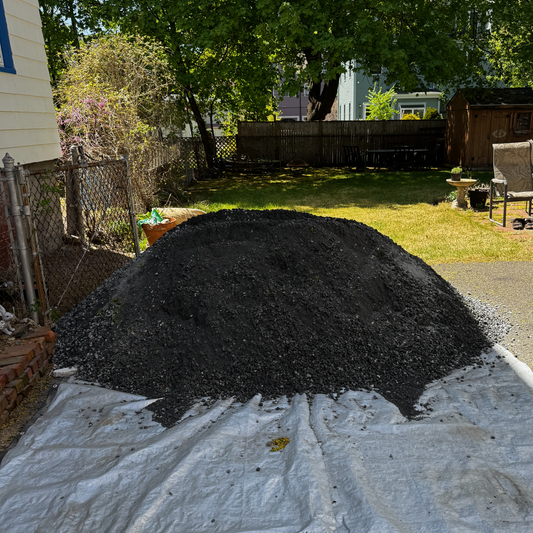
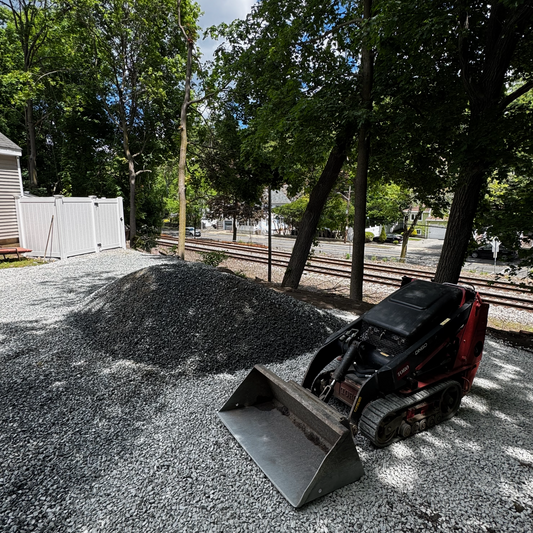
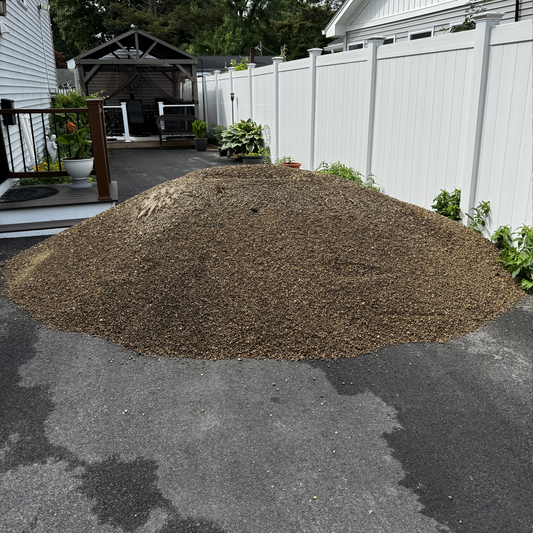
cubic yards = (square feet × depth in inches) ÷ 324. For a 10-by-10 pad, 100 sq ft: base at 6 inches is (100 × 6) ÷ 324 = 1.85 yards, plus 20 percent, so 2 to 2.5 yards of dense pack; pea stone at 2 inches is 0.62, so 1 yard. Braintree is 10.1 driving miles from the yard, inside the 30-mile flat zone, so delivery is $100 per load — and loads are counted per line item, so two materials means two loads, $200 in freight.
Can I put a fire pit on an existing patio?
On pavers over a proper base, usually yes, with a heat barrier or raised pit. Never on a wood deck.
Do I need to compact if I am only spreading pea stone?
Yes. Pea stone is a surface, not a base. Without dense pack under it, the stone works into the soil.
Can you deliver two materials on one trip?
No — each line item is its own dump-truck load, so two materials means two fees.
Work out your pad size, add the compaction allowance, and order stone by the cubic yard from decorative stone. Text (617) 286-2740 for a quote. For the beds around it, the small-yard cooling guide covers heat-holding surfaces.