Why does a small Chelsea yard get so hot?
Chelsea is roughly two and a half square miles and one of the most densely built cities in Massachusetts. Lots are small, buildings sit close, much of every parcel is paved for parking, and canopy is thin. Hard surfaces absorb sun all day and release it into the evening, so a yard between two triple-deckers still feels warm long after the sun has left it. You cannot re-grade the neighbourhood, but you can change what the ground is made of.
Move one: cover the bare soil
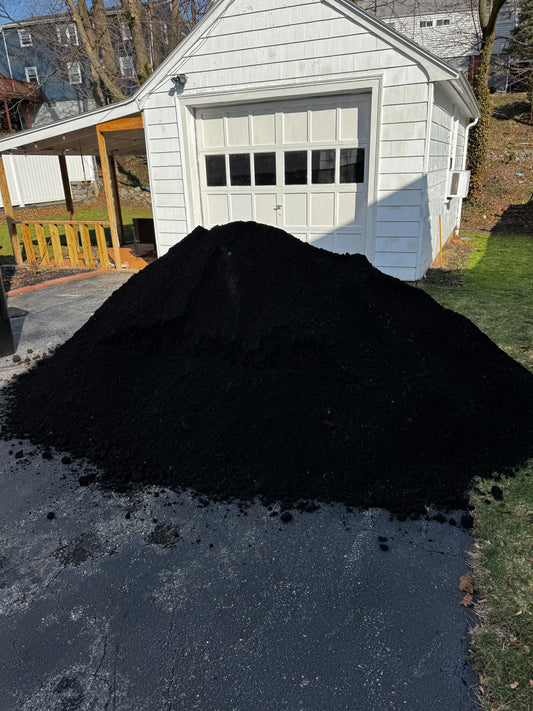
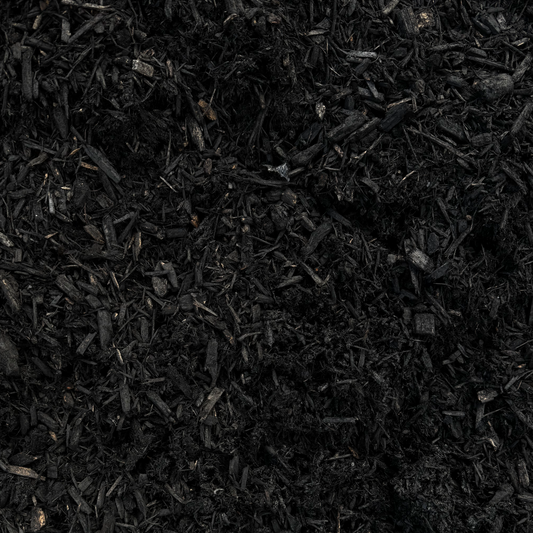
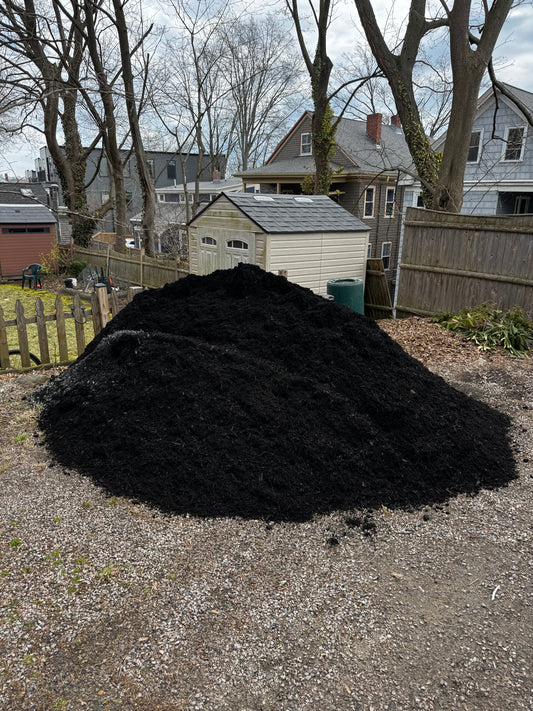
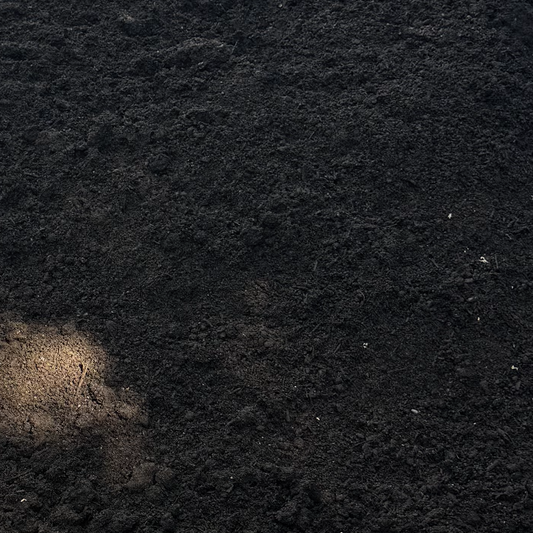
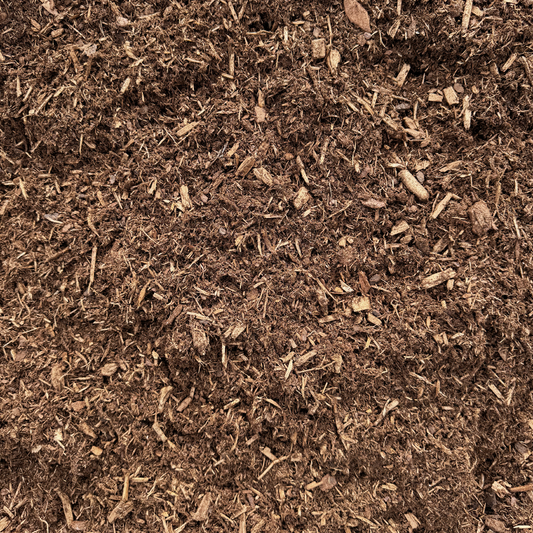
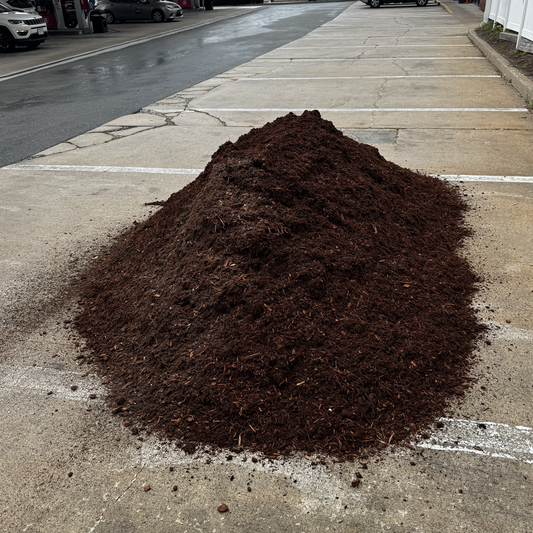
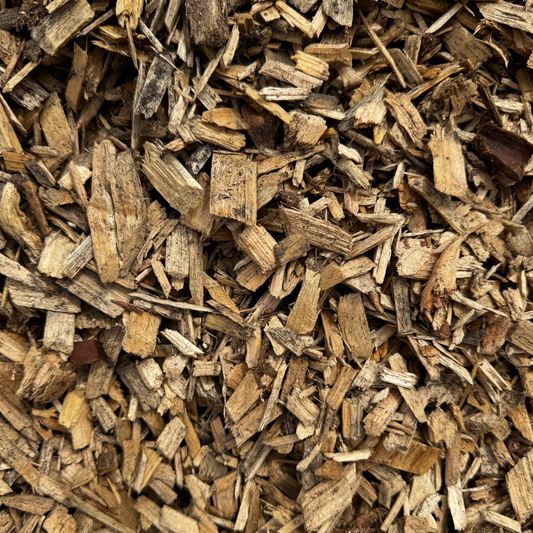
Bare, compacted urban soil is the hottest and driest surface in the yard. Two to three inches of wood mulch shades it, slows evaporation, and keeps the top few inches of the root zone cooler. Three inches is the ceiling, not a target — thicker layers mat down, shed light rain, and pile against stems where they cause rot, so pull mulch back until every trunk is exposed. UMass Extension Landscape covers the plant-health side.
Move two: put the beds where the sun actually is
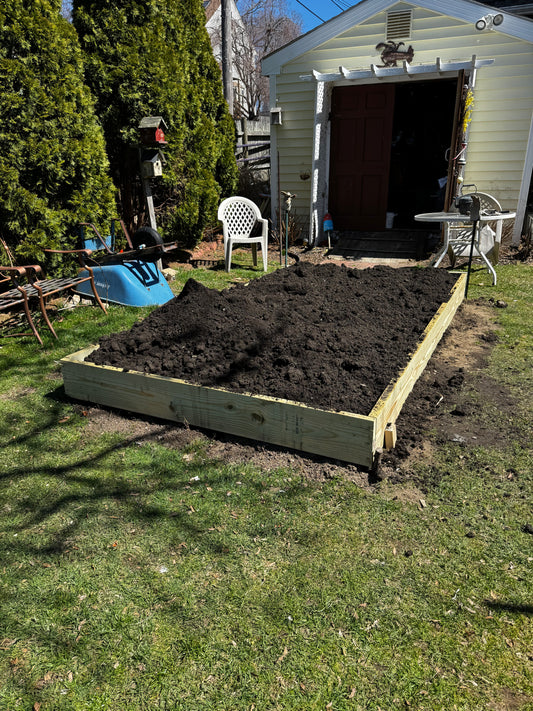
West and south walls take the afternoon load, and that is where a bed earns its keep, because leaf cover intercepts sun before it reaches masonry — and masonry stores heat and gives it back after dark. Three feet of bed is enough for shrubs or tall perennials, and on the narrow side yards around Bellingham Square three feet may be all you have. Water early and deeply rather than often; EPA WaterSense has the numbers.
Move three: which surfaces are working against you?
| Surface | Summer behaviour | Where it belongs |
|---|---|---|
| Wood mulch | Shades and insulates soil, holds moisture | Every planted bed and tree ring |
| Bare compacted soil | Heats fast, dries fast, sheds water | Nowhere — cover it |
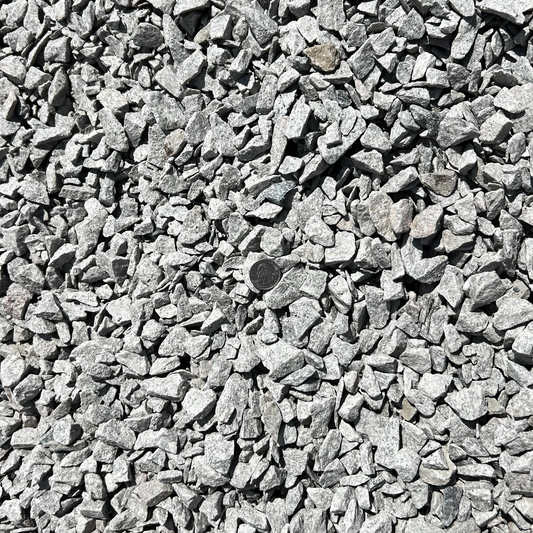
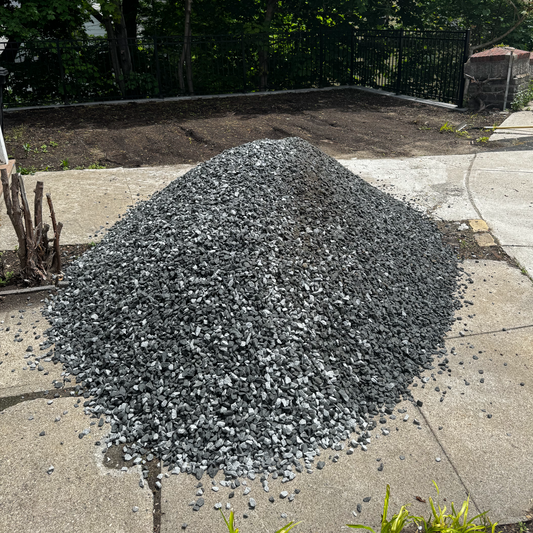
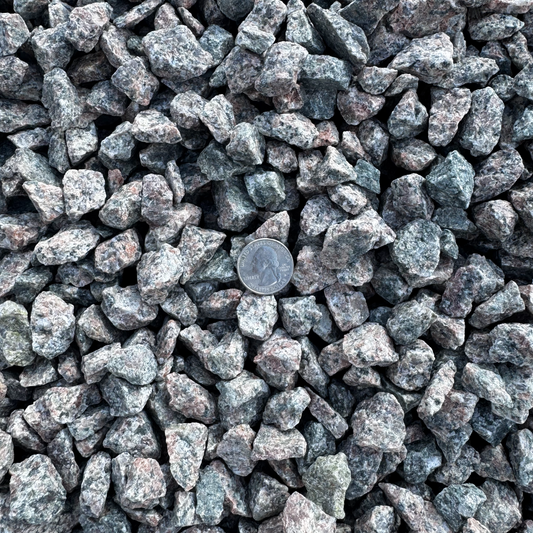
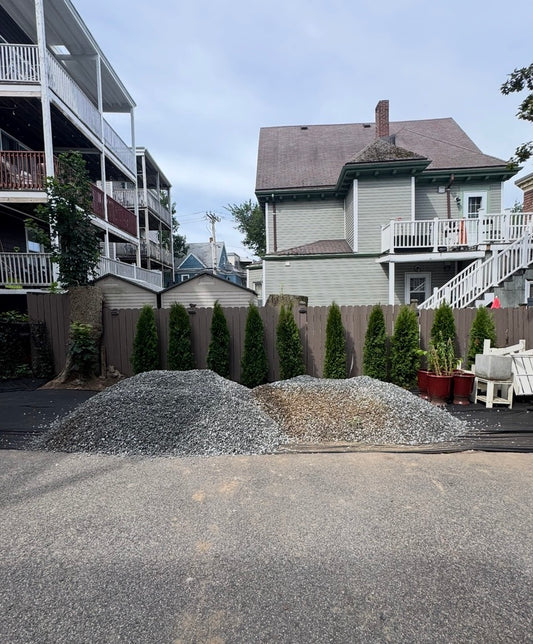
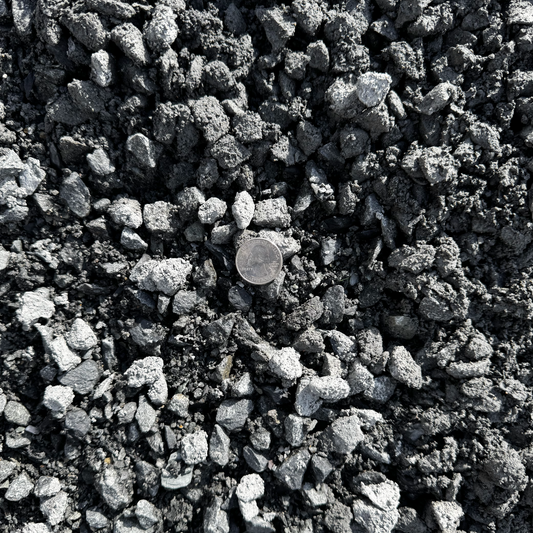
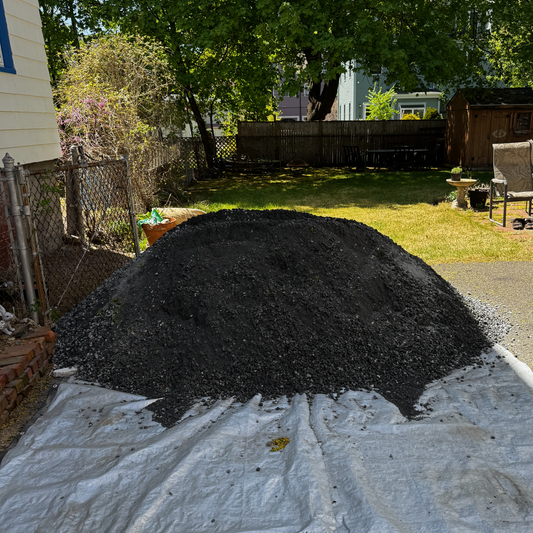
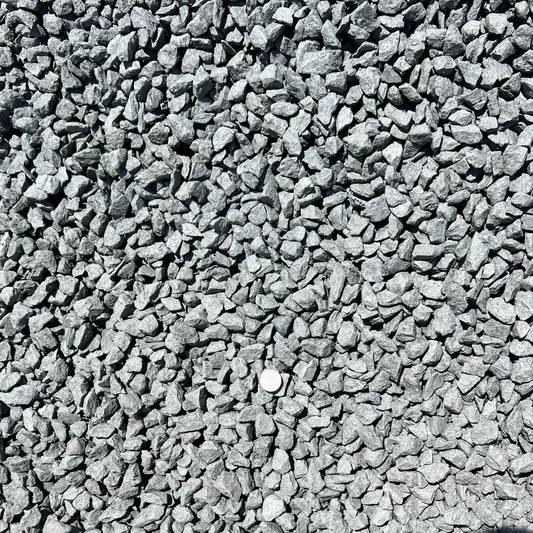
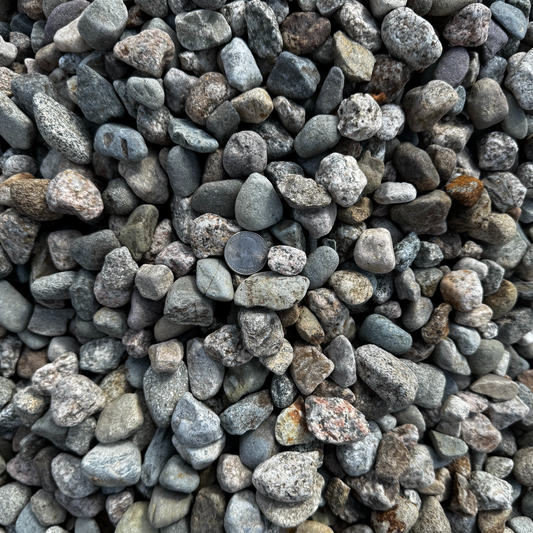
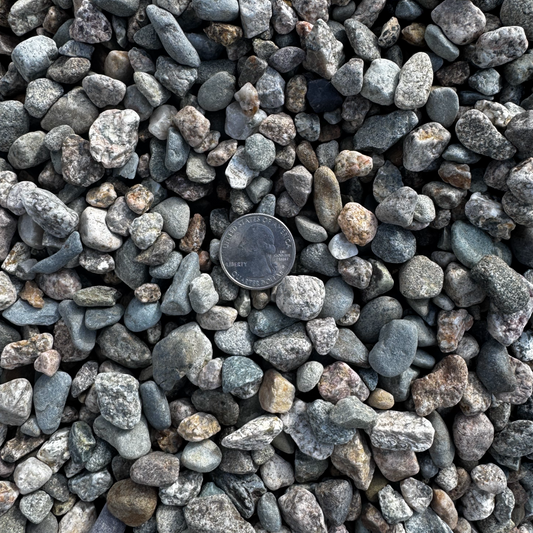
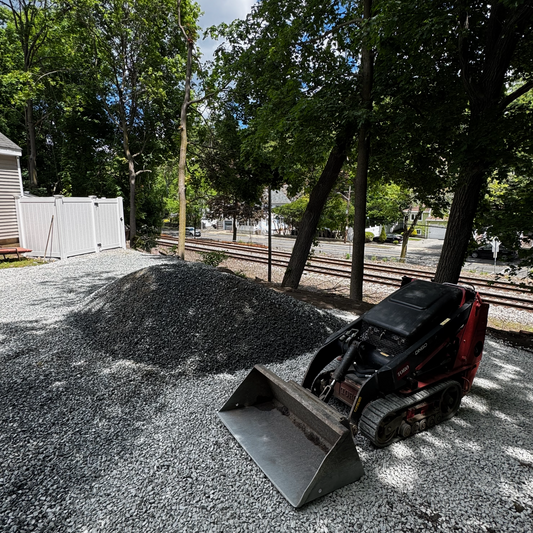
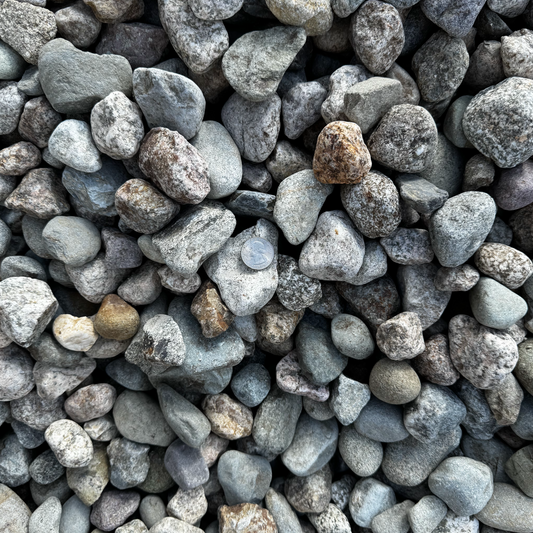
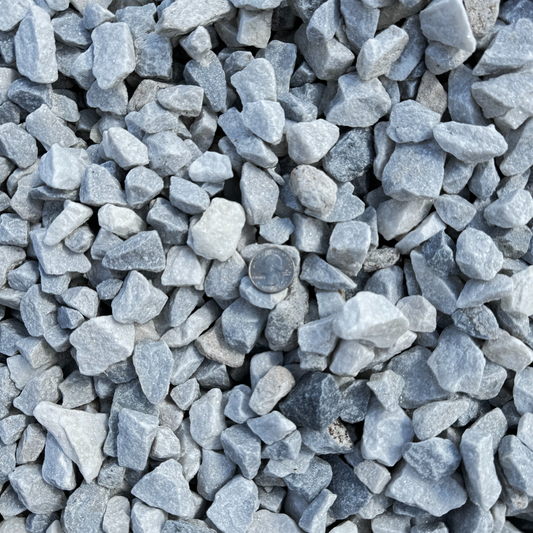
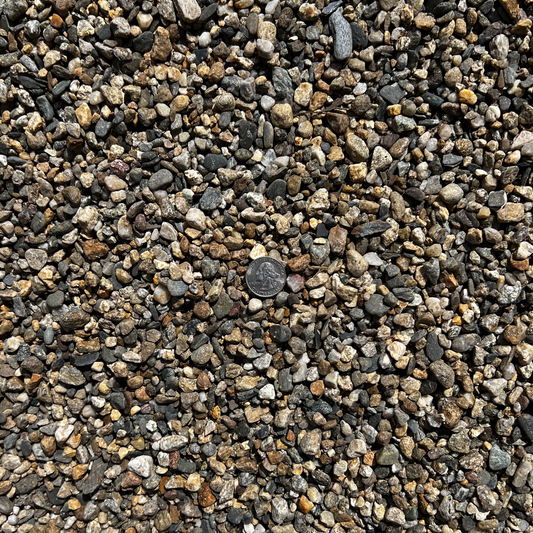
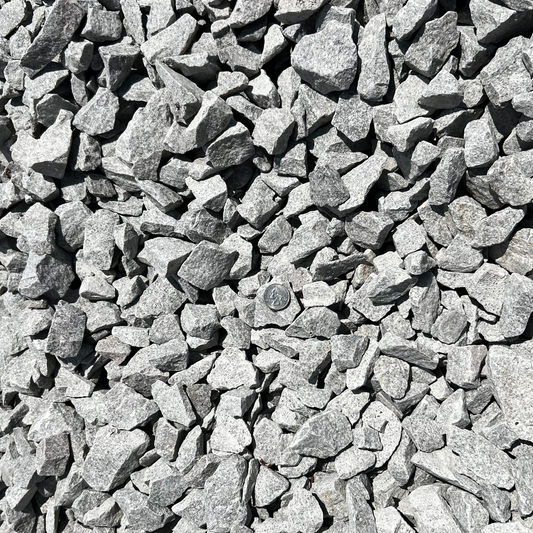
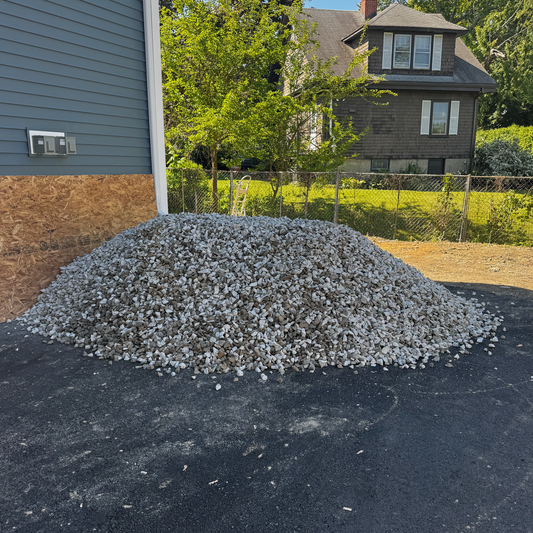
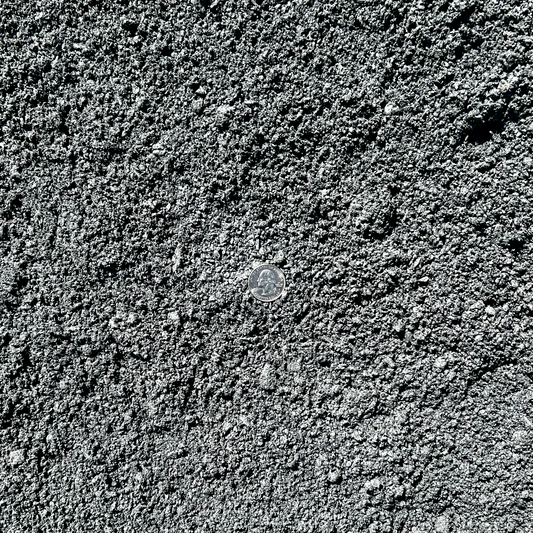
| Dark stone or gravel | Absorbs sun, radiates heat into nearby plants | Drainage and traffic areas |
| Asphalt and dark pavers | Hottest surface, warm after dark | Parking only |
On the sunny side of the house, wood mulch keeps a bed cooler than stone.
How much material does a Chelsea yard take?
cubic yards = (square feet × depth in inches) ÷ 324
| Area | Square feet | Depth | Cubic yards |
|---|---|---|---|
| 3 ft × 12 ft strip along a wall | 36 | 3 inches | 0.33 |
| Two side-yard beds | 70 | 3 inches | 0.65 |
| Beds plus one tree ring | 100 | 3 inches | 0.93 |
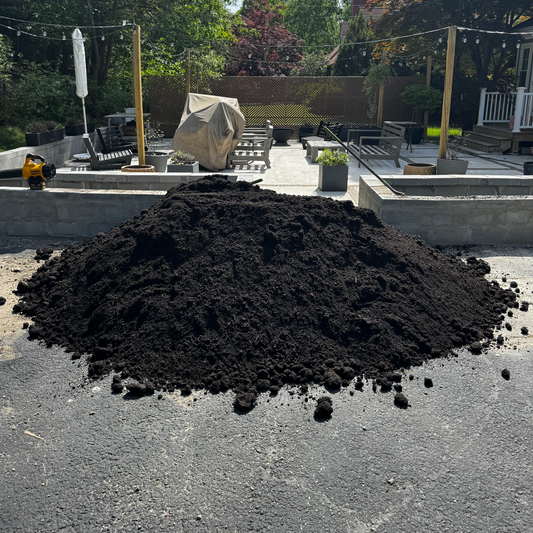
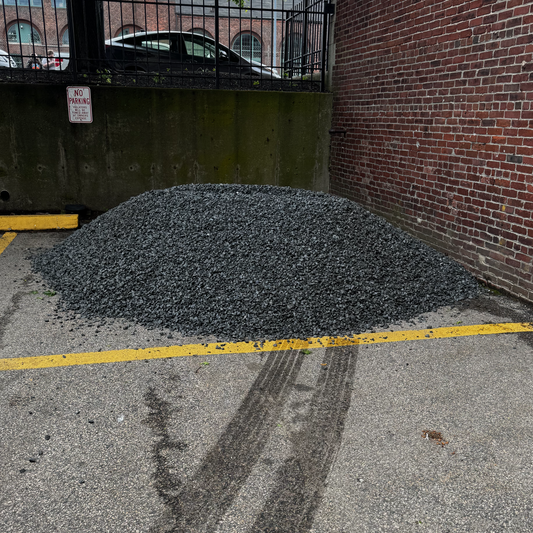
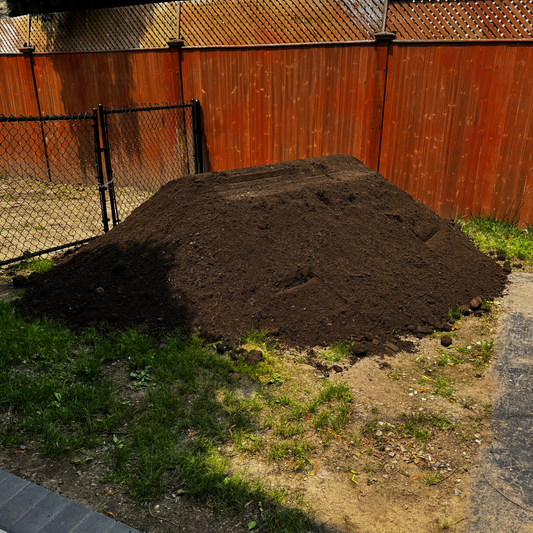
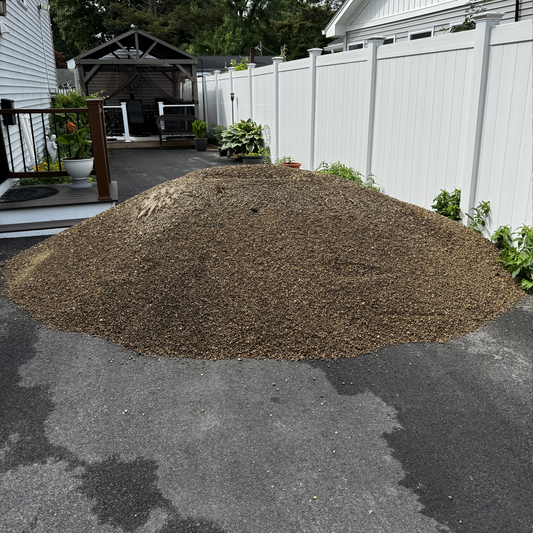
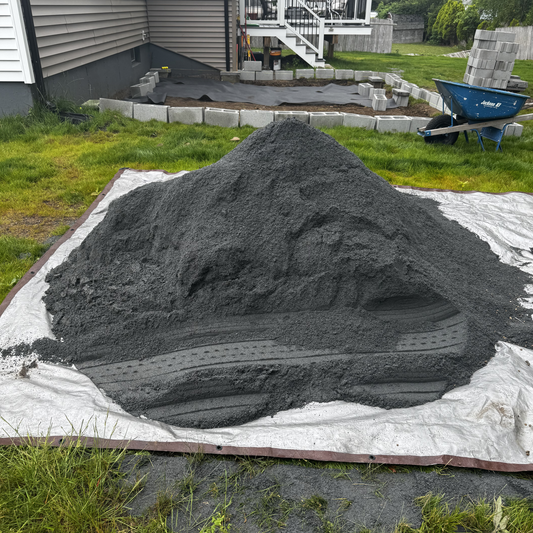
One yard covers a typical Chelsea lot, and there is no minimum order. Chelsea is 7.3 driving miles from our Dispatch Office in Dorchester, so delivery is $100 per load; mulch carries 10 yards per trip and the fee is per load, so if a neighbour wants some, one truck covers both of you for $100. A cubic yard piles about three feet on a side and fits on a tarp in one parking space. Curbside is the default drop; on-property placement needs a signed liability waiver. Pine Bark Mulch at $55 a yard is coarse and slow to mat — see mulch bed refresh materials, bulk mulch, or Chelsea landscape supply.
Does mulch really lower the temperature, or does it just look finished?
It moderates soil temperature and cuts evaporation, which is what roots respond to. It will not cool the air you are standing in — shade does that.
My whole yard is paved. Is there anything to do?
Containers along the sunny wall, and cutting one bed out of the pavement if you will break concrete. Even a two-by-eight-foot strip changes how a west wall behaves.
Is rubber mulch better for a small city yard?
No. It re-radiates heat rather than insulating, and does nothing for the soil.
Measure the beds, run the formula, and order a yard or two from the bed refresh collection. The ZIP checker confirms your total; (617) 286-2740 takes text quotes. Planning a fire pit too? Read how to set a level pad.