Quick Answer
For Medford cool-season lawns — Kentucky bluegrass / fescue blends across West Medford, Wellington, Tufts area, Glenwood — five fertilizer schedules cover most real situations: the 4-Step Synthetic (standard), the 3-Step Reduced-Input (skip May, mulch clippings), the Organic 4-Step (corn gluten + compost), the Compost-Only (low-input), and the Hybrid (synthetic spring/fall, compost summer). Pick the one that matches your lawn goal and time budget.
Why Medford Cool-Season Lawns Want a Schedule
Medford lawns sit on tight-clay urban soils, mature canopy shade, and dog-traffic compaction. Without a fertilizer schedule, lawns thin to crabgrass and clover by August. With a thoughtful schedule, the same lawn holds dense bluegrass through Labor Day. The UMass Extension Turf Program and the Cornell Turfgrass Program both publish region-specific fertilizer guidance — these five schedules are calibrated to the Medford-specific reality.
1. The 4-Step Synthetic Schedule (Standard)
When: April, May, July, October. Products: Pre-emergent + fertilizer (April), balanced 24-0-6 (May), summer-strength 30-0-4 (July), winterizer 24-0-12 (October). Cost: ~$120/year for a 5,000 sq ft lawn. Best for: Lawns recovering from heavy crabgrass pressure or thin areas. Trade-off: Highest nitrogen input; needs irrigation to avoid burn.
2. The 3-Step Reduced-Input Schedule
When: April, July, October. Products: Same as above but skip May. Cost: ~$95/year. Best for: Lawns where mulching mower already returns 1 lb N / 1,000 sq ft annually (see the Bristol County clippings Q&A). Trade-off: Slight color drop in late June; recovers with July feed.
3. The Organic 4-Step Schedule
When: April, May, July, October. Products: Corn gluten meal (April, doubles as natural pre-emergent), compost top-dress 1/4" (May), Milorganite or organic granular 8-1-6 (July), compost top-dress 1/4" (October). Cost: ~$140/year (organic premium). Best for: Pet families, child-heavy yards, pollinator-bordered lawns. Trade-off: Slower to green up in spring; lawn looks 2 weeks behind synthetic schedule until June.
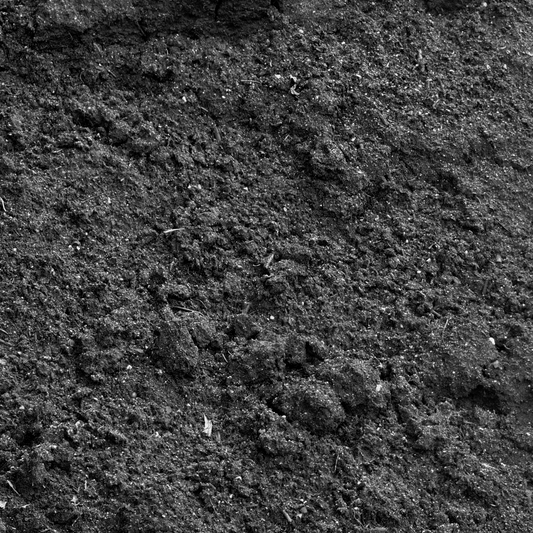
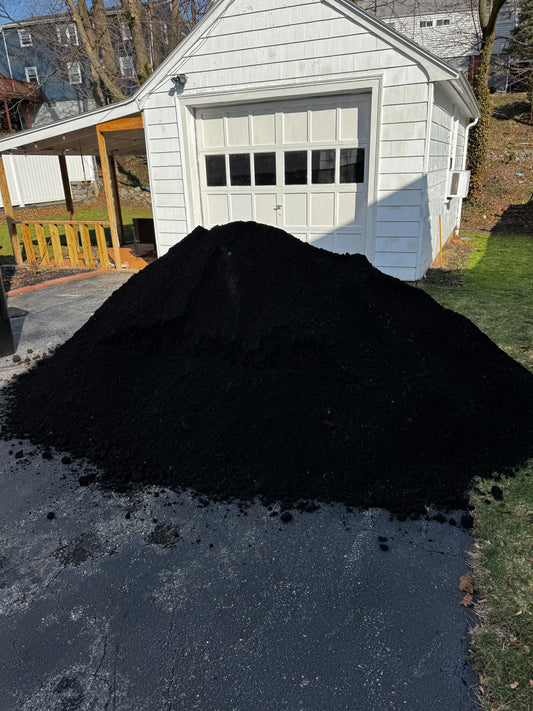
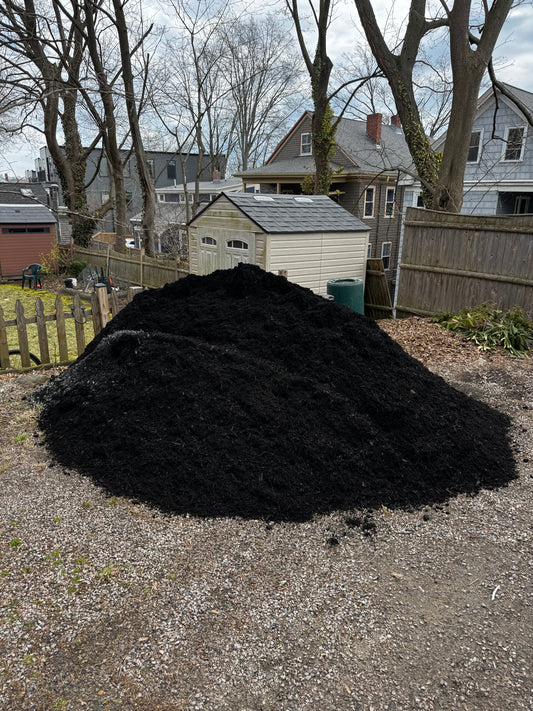
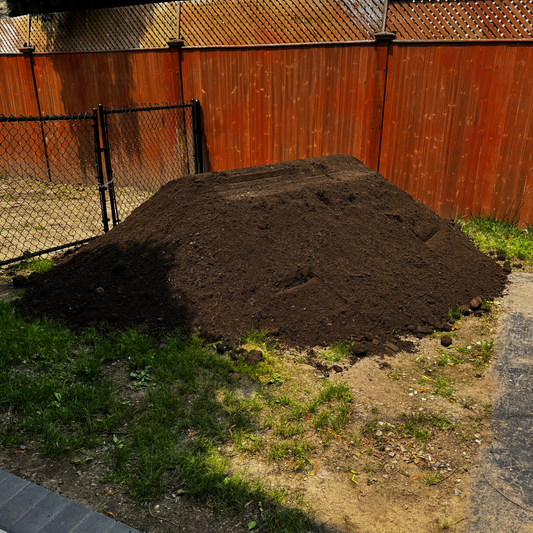
Browse the lawn leveling repair collection for bulk Compost top-dress orders.
4. The Compost-Only Schedule
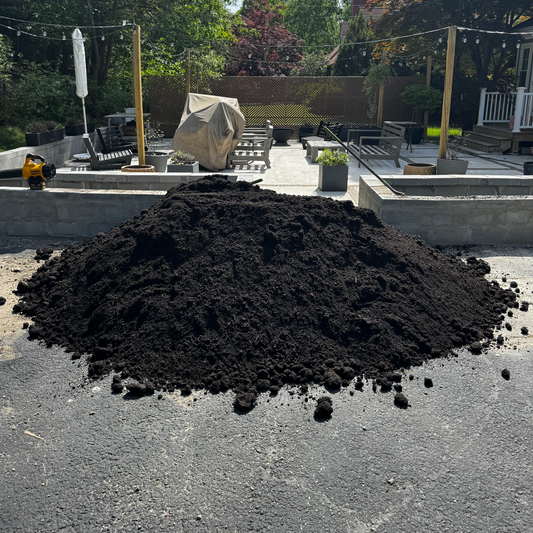
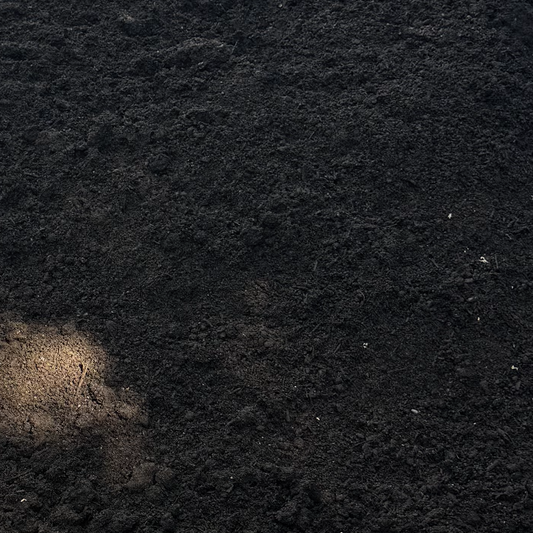
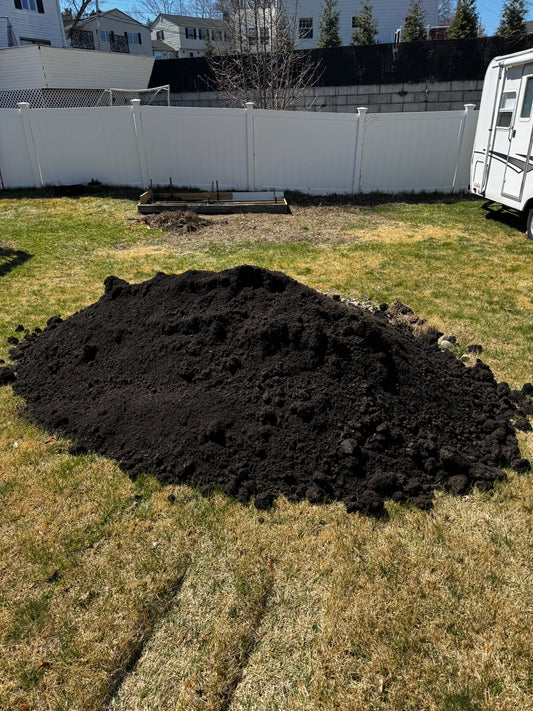
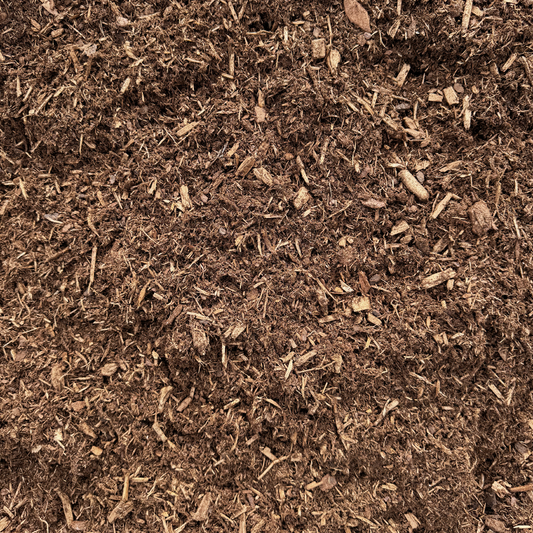
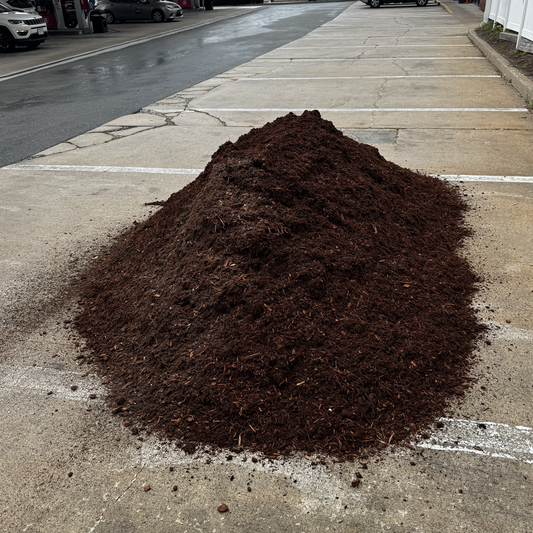
When: May and September. Products: 1/4 cubic yard bulk Compost per 100 sq ft of lawn, broadcast and raked in. Cost: ~$60/year for a 5,000 sq ft lawn. Best for: Lawns under 5,000 sq ft, established (3+ year) lawns with healthy clover content, pollinator-conscious yards. Trade-off: Slower color recovery; not recommended for lawns under heavy crabgrass pressure.
The Norfolk County perennial-planting how-to covers the parallel bed-side compost work that pairs with this schedule.
5. The Hybrid Schedule
When: April (synthetic), May (compost top-dress), July (compost top-dress), October (synthetic winterizer). Products: Pre-emergent + fertilizer (April), 1/4" compost top-dress (May), 1/4" compost top-dress (July, light), winterizer (October). Cost: ~$110/year. Best for: Most Medford homeowners — combines pre-emergent crabgrass control and fall winterizer with reduced summer synthetic chemistry. Trade-off: Slightly more work than pure synthetic; requires bulk compost delivery in May and July.
How to Pick
- Crabgrass-heavy lawn: 4-Step Synthetic.
- Mulching mower already in routine: 3-Step Reduced-Input.
- Pets and kids: Organic 4-Step.
- Tiny lawn or strong existing lawn: Compost-Only.
- Most Medford homeowners: Hybrid.
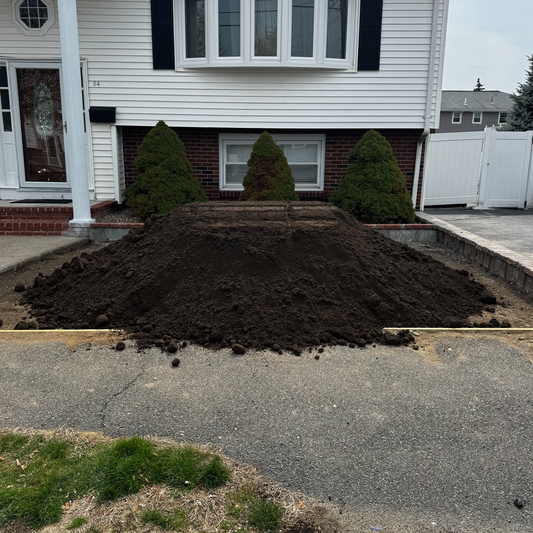
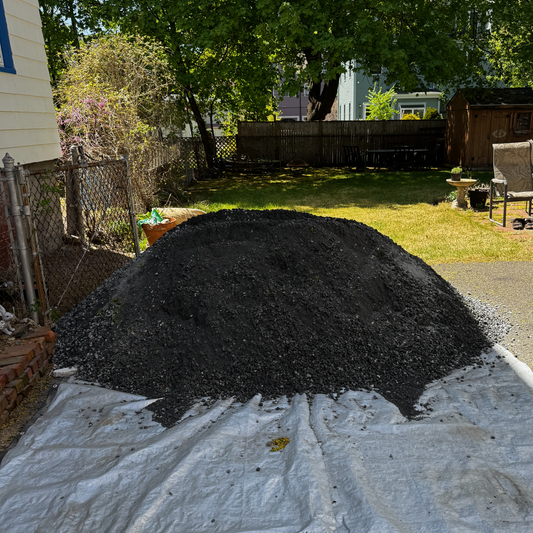
Browse the Medford landscape supply collection for bulk compost delivery in West Medford, Wellington, Tufts area, and Glenwood. The June Plymouth County sprinkler audit covers irrigation planning that determines how aggressive a fertilizer schedule should run.
Materials Cheat Sheet (5,000 sq ft Medford lawn)
- Synthetic schedule: 4 bags of 5,000 sq ft fertilizer at $25–$30 each
- Compost-heavy schedule: 1.25 cubic yards bulk Compost per year (split May/September or May/July)
- Soil test from UMass every 2 years: $15
How This Compares to 2026
The 2026 season-close, May 1: Closing Out Spring Mulch Season Across Plymouth County, names lawn-renovation timing as a fall priority — fertilizer schedule selection is the spring decision that drives that fall outcome.